Why Grizzly Hunting Ended in British Columbia
For many years, the pursuit of grizzly bears in British Columbia was a deeply ingrained tradition for resident hunters and a coveted experience for those travelling from afar. However, the landscape of grizzly hunting in our province shifted dramatically and decisively. If you're wondering why you can no longer apply for a grizzly tag, or if you're trying to understand the reasons behind such a significant policy change, this guide will walk you through the full story of why grizzly hunting ended in British Columbia.
A Look Back: The History of Grizzly Hunting in British Columbia
For generations, grizzly bears were a part of the hunting fabric of British Columbia, managed much like other large game species. It was a hunt steeped in challenge and respect, often seen as the pinnacle for many big game hunters. However, this history is also marked by evolving public perceptions and scientific understanding of these magnificent creatures.
Traditional Management and Quotas
Historically, grizzly hunting in British Columbia operated under a system designed to manage populations sustainably. The province was divided into Management Units, and within these, quotas were established based on population estimates and scientific modelling. Hunters, particularly non-residents, would book with a licensed guide outfitter, while residents would apply for a limited entry hunt (LEH) authorization. This system was largely based on the idea of "trophy hunting," where the primary goal was often the hide and skull of the bear, although the meat was also permitted to be harvested and utilized.
The province had clear British Columbia's Compulsory Reporting Rules for successful hunters, ensuring that harvest data was collected to inform future management decisions. This data, alongside population surveys and habitat assessments, formed the backbone of grizzly bear management for decades. Hunting seasons were set, and specific rules, like those governing legal rifle calibres and bow draw weights, ensured fair chase and humane harvesting. It was a complex system, aimed at balancing conservation with recreational and economic interests, particularly from the guide outfitting sector.
The Growing Debate and Shifting Tides
Despite the provincial government’s assurances that grizzly bear populations were stable and hunts were sustainable, public sentiment began to shift dramatically. Over the years, a powerful narrative emerged, questioning the ethics of trophy hunting, especially for a species as iconic and, to some, as vulnerable as the grizzly. This wasn't a sudden change; it was a gradual build-up of concern from various stakeholders.
Conservation groups became increasingly vocal, arguing that even if populations were stable, the act of hunting grizzlies for sport was morally unjustifiable. They often highlighted the perceived cruelty, the long-term impact on specific populations, and the value of grizzlies alive for ecotourism. Indigenous communities, too, expressed diverse views, with some traditionally hunting grizzlies for sustenance and cultural purposes, while others called for a complete ban due to their spiritual and ecological significance. The public, both within British Columbia and internationally, was exposed to powerful imagery and arguments that portrayed grizzly bears as creatures deserving of protection rather than targets for sport. This growing pressure started to create an environment where the continuation of grizzly hunting, particularly trophy hunting, became increasingly politically charged.
The Political Shift: From Trophy Hunting Ban to Full Prohibition
The escalating public debate eventually reached a critical point, prompting political action that would forever alter the status of grizzly hunting in British Columbia. This wasn't a single, swift decision, but rather a two-stage process that first limited and then completely ended the practice.
The Initial 2017 Announcement: An End to Trophy Hunting
In August 2017, the newly elected provincial government made a significant announcement: the grizzly bear trophy hunt would be banned across British Columbia. This was a response to the clear shift in public opinion, with the government stating that trophy hunting of grizzlies was "not a socially acceptable practice in B.C. in 2017." However, this initial ban wasn't a complete prohibition on all grizzly hunting. It allowed for the continuation of a "meat hunt," meaning hunters could still legally kill a grizzly bear if they committed to harvesting and consuming all the edible portions of the animal.
This partial ban was seen by some as a compromise, attempting to appease both conservationists and those within the hunting community who argued for the sustainable use of wildlife resources. The idea was that if the bear was hunted for its meat, it would align more with principles of ethical harvesting. The decision, however, immediately sparked further debate. Many conservation groups felt it didn't go far enough, as the act of killing the bear was still permitted, while some hunters found the distinction arbitrary and difficult to manage. The period between August and December 2017 was marked by uncertainty and intense discussion within various circles about the practicality and ethics of a "meat hunt" only. Hunters keen on researching regulations might have found themselves constantly checking resources, perhaps even using tools like GoHunt to stay abreast of the rapidly changing rules for other species.
The December 2017 Decision: A Complete Ban
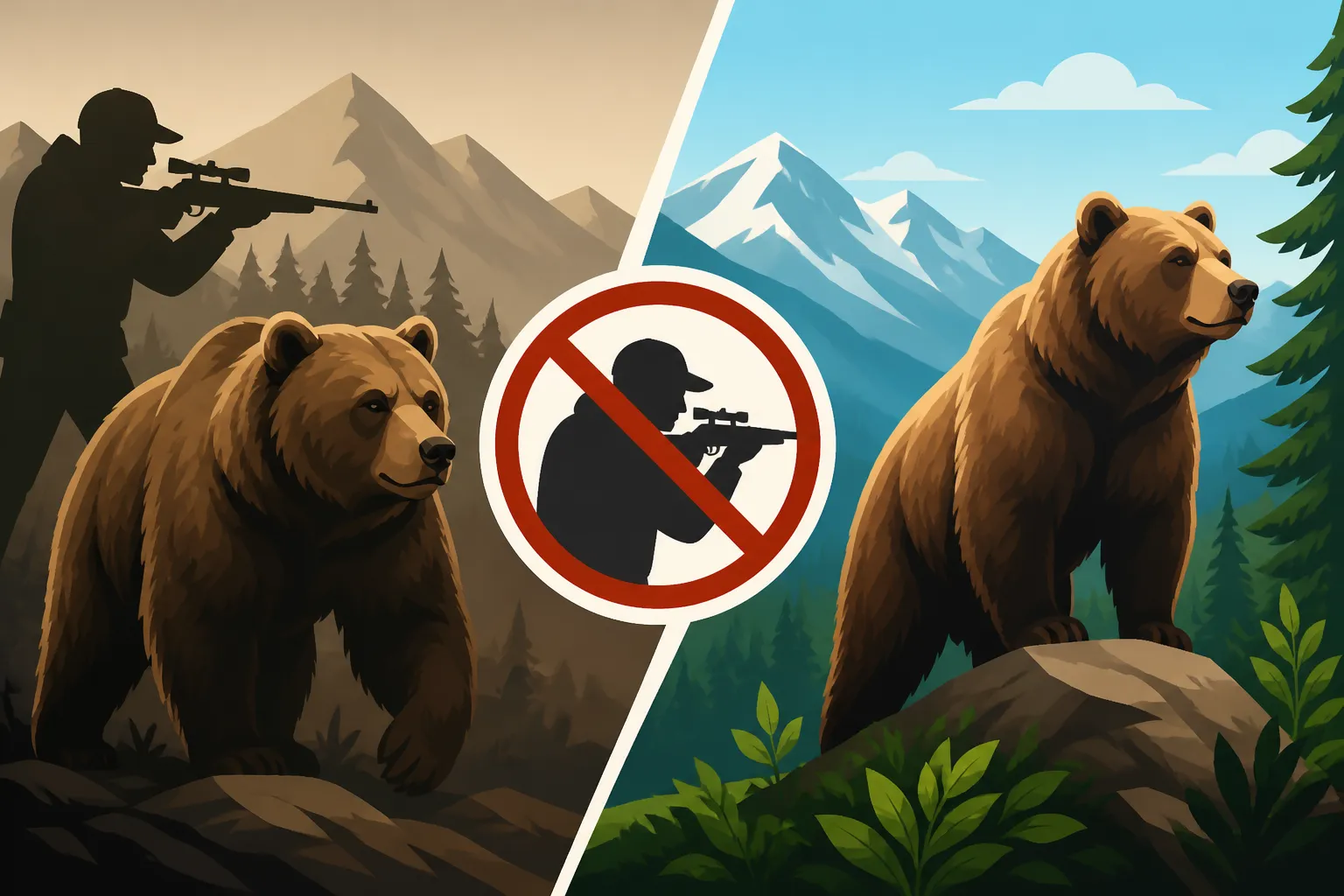
Just a few months later, in December 2017, the provincial government announced a complete and total ban on all grizzly bear hunting in British Columbia. This decision removed the "meat hunt" allowance, making it illegal to hunt grizzly bears for any purpose, effective immediately. This was a much more definitive step, signaling an unequivocal end to the practice that had existed for decades.
The rapid progression from a partial ban to a full prohibition reflected the intense and persistent pressure from the public, First Nations, and numerous environmental organizations. The government acknowledged that the initial distinction between a trophy hunt and a meat hunt was problematic and did not adequately address the core concerns. Ultimately, the political will shifted to completely protect grizzlies from hunting pressure across the province.
Rationale Behind the Full Prohibition
The reasoning behind the complete ban was multifaceted, extending beyond just the ethical considerations of trophy hunting. A primary driver was the acknowledgment of the "social acceptability" of grizzly hunting. The government stated that the vast majority of British Columbians did not support the hunting of grizzlies, regardless of whether it was for a trophy or for meat. This widespread public sentiment was a powerful force that politicians could not ignore.
Furthermore, the ban was framed as a step towards reconciliation with First Nations. Many Indigenous communities had expressed deep cultural and spiritual connections to grizzly bears, viewing them as integral to the ecosystem and their traditional territories, and had advocated for their protection. While the province had long maintained that grizzly populations were robust, the decision also considered the broader ecological value of grizzlies as a keystone species and their contribution to biodiversity. The government highlighted its commitment to prioritizing conservation and ensuring the long-term health of grizzly bear populations, which were increasingly becoming a symbol of British Columbia's wild character.
Understanding Grizzly Bear Populations Post-Ban
With the hunting ban in place for several years now, a natural question arises: what has been the impact on British Columbia's grizzly bear populations? While grizzlies are undoubtedly complex animals, we can look at some available data and ongoing challenges.
Current Population Status and Regional Differences
British Columbia is home to one of the largest grizzly bear populations in North America, with current estimates suggesting there are around 15,000 grizzly bears scattered across various regions. These numbers indicate a generally stable, and in some areas, potentially growing population province-wide. However, it's crucial to understand that these populations aren't evenly distributed. Some areas, like the Great Bear Rainforest on the coast or the vast northern wilderness, boast healthy and dense populations. Conversely, grizzlies in more fragmented habitats or those closer to human development, such as parts of the southern interior, face greater challenges.
It's important to differentiate between regions when discussing grizzly numbers. For instance, the Cariboo and Skeena regions, with their expansive wilderness and diverse ecosystems, tend to support significant numbers of bears. Hunters planning future trips for other species might still use tools like GoHunt to understand wildlife distribution, even if grizzlies are off-limits for hunting. Knowing Where British Columbia's Grizzlies Are Densest can still be vital for general backcountry safety and appreciation. The ban's intention was to reduce human-caused mortality, and while hunting was one factor, others remain significant.
Ongoing Conservation Challenges
While the hunting ban certainly eliminated one source of mortality for grizzly bears, it didn't magically solve all their conservation challenges. Grizzly bears in British Columbia still face numerous threats that require ongoing attention and management. Habitat loss and fragmentation due to industrial development, forestry, and human expansion remain significant concerns. When prime grizzly habitat is encroached upon, it can lead to increased human-wildlife conflict, posing a danger to both bears and people. For instance, a bear that becomes habituated to human food sources due to improper waste management often has to be relocated or, in worst-case scenarios, euthanized.
Road construction, even for logging, can also increase human access into previously remote areas, leading to more encounters and potential conflicts. Climate change, too, is an emerging threat, impacting food sources and altering ecosystems that grizzlies rely on. Therefore, while the hunting ban was a pivotal moment, the long-term conservation of grizzlies in British Columbia hinges on comprehensive land use planning, diligent habitat protection, and robust public education on Bear Safety While Hunting in British Columbia and general backcountry use. The work to ensure these animals thrive is far from over.
What Happened After the Grizzly Hunt Closed
The immediate aftermath of the grizzly hunt closure saw a mix of reactions. For many conservation groups, it was a celebratory moment, a hard-won victory after years of advocacy. They anticipated that the cessation of hunting would allow populations to rebound and potentially expand their range into historical habitats where their numbers had been suppressed. Initial reports and scientific observations generally supported the view that grizzly bear populations remained stable, and in some areas, anecdotal evidence suggested an increase in bear sightings, particularly in areas previously popular with hunters. This was a key question for many, wondering What Happened After the Grizzly Hunt Closed and if the perceived threat to grizzly numbers would indeed subside.
However, for some in the hunting community and certain guide outfitters, the ban represented a loss – not just of a hunting opportunity, but a philosophical disagreement on wildlife management. They often argued that regulated hunting, when scientifically managed, can be a conservation tool, providing funding and an incentive for habitat protection. The economic impact on certain guide outfitters who specialized in grizzly hunts was also a concern, as they had to pivot their business models. Despite these differing views, the government maintained that the primary goal was to align wildlife management with evolving societal values and ensure the long-term health of the species through non-lethal means.
Impacts on the Hunting Community and Beyond
The decision to ban grizzly hunting sent ripples through various communities, particularly those directly involved in British Columbia's vibrant hunting and guiding industries. It wasn't just about the absence of a hunt; it was about shifting philosophies, economic adjustments, and new ways of engaging with these magnificent animals.
Hunter Perspectives and Adaptation
For many resident hunters, the grizzly hunt was a dream, often pursued through the province's Limited Entry Hunting (LEH) system. Drawing a grizzly tag was a rare and highly sought-after achievement. The ban, therefore, meant the end of a long-standing tradition and the loss of a unique hunting experience. Some hunters felt a sense of disappointment, arguing that a well-regulated hunt for a healthy population was a legitimate form of wildlife management and provided valuable conservation funds through license and tag fees. They saw it as a missed opportunity to sustainably utilize a resource.
However, the hunting community in British Columbia is resilient and diverse. Many hunters have adapted by focusing their efforts on other big game species, such as moose, elk, or deer, which still offer challenging and rewarding experiences. The popularity of black bear hunting, for example, which has robust populations across the province, continues to thrive, with many hunters recognizing the importance of sustainable harvest for these animals. You can find more information about British Columbia Black Bear Season Dates if you're looking to explore alternative hunting opportunities. Hunters continue to utilize tools like GoHunt to scout new areas and understand regulations for their preferred species, demonstrating a commitment to ethical and legal hunting practices, even with fewer options.
Economic Repercussions for Outfitters
The economic impact of the grizzly hunt ban was particularly felt by guide outfitters, especially those whose businesses were heavily reliant on international clients seeking a grizzly trophy. For non-resident hunters, who by law require a licensed guide to hunt big game in British Columbia, the grizzly hunt was often a high-value, sought-after package. The ban meant a significant loss of revenue for these businesses, affecting their ability to employ staff, maintain infrastructure, and contribute to local economies in remote areas.
Guide outfitters had to quickly adjust their offerings, often pivoting to focus more on other premium species like moose, elk, or sheep. This required re-marketing, investing in new equipment, and adapting to different client demands. Some outfits were more successful at this transition than others, depending on their location, existing infrastructure, and access to diverse game populations. The Guide Outfitters Association of British Columbia, which represents many of these businesses, acknowledged the financial hit but also emphasized the industry's commitment to conservation and adaptation. Understanding the nuances of British Columbia Guide Outfitter Licensing Rules and how the guiding territories function is crucial to grasp the full scope of these changes.
Alternative Engagement with Grizzlies
While the hunting of grizzlies has ended, opportunities for engaging with these incredible animals in British Columbia have actually expanded. Bear viewing tourism has seen a significant boom, particularly in coastal regions like the Great Bear Rainforest, where specialized tours offer ethical and safe opportunities to observe grizzlies in their natural habitat. This industry provides an economic alternative to hunting, creating jobs and promoting conservation through appreciation.
Additionally, many hunters and outdoor enthusiasts continue to contribute to grizzly bear conservation through various non-profit organizations that focus on habitat protection, research, and education. Even without the opportunity to hunt them, grizzlies remain a powerful symbol of British Columbia's wilderness, inspiring awe and a desire to protect them for future generations. Whether you are actively planning a hunt or simply exploring options for wildlife viewing, understanding the diverse ecosystems and opportunities British Columbia offers is key, and resources like GoHunt can still assist in finding detailed information about various regions and their wildlife.
Grizzly Hunt Timeline and Key Decisions
Understanding the timeline of how grizzly hunting came to an end in British Columbia helps clarify the various stages of the decision-making process.
| Date | Event | Description |
|---|---|---|
| August 2017 | Trophy Hunt Ban Announced | The BC government announced the end of the grizzly bear trophy hunt, effective November 30, 2017. A "meat hunt" was still allowed, requiring full use of the animal. |
| December 2017 | Complete Hunting Prohibition | The BC government announced a complete ban on all grizzly bear hunting, including the "meat hunt," effective immediately. |
| Rationale | Public & First Nations Values | Citing evolving societal values, strong public opposition to grizzly hunting, and a commitment to reconciliation with First Nations. |
| Current Status | Protected from Hunting | Grizzly bears in British Columbia are now fully protected from hunting, with management focused on habitat and human-wildlife conflict mitigation. |
Disclaimer
Please be aware that hunting regulations and wildlife management policies are subject to change. Always consult the most current British Columbia Hunting and Trapping Synopsis, published by the provincial government, for the definitive and up-to-date rules and regulations before planning any hunting activity. The information provided here is for general informational purposes only and should not be considered legal advice.