Whether a Firearms Course Waives CORE
It’s a common question, and one that trips up a lot of aspiring hunters here in British Columbia: "If I've already taken a firearms safety course, do I still need to take the Conservation Outdoor Recreation Education (CORE) exam?" The honest answer, and one that can save you a lot of frustration and wasted time, is usually a resounding yes, you absolutely do. This guide will walk you through why these two vital certifications are distinct, what each covers, and how to successfully navigate both requirements to get you out into the BC wilderness.
Understanding British Columbia's CORE Program
The Conservation Outdoor Recreation Education (CORE) program is the cornerstone of hunter education in British Columbia. It's not just a formality; it's a comprehensive course designed to ensure that every new hunter understands their ethical, legal, and practical responsibilities in the field. This program is provincially mandated, meaning it's specific to the laws and ecosystems of British Columbia, and it goes far beyond simply handling a firearm safely.
What the CORE Exam Truly Covers
Think of CORE as your all-encompassing guide to being a responsible hunter in BC. It covers a vast array of topics that are crucial for anyone looking to step into our wild spaces with a hunting license. You'll delve into the foundational principles of wildlife conservation and management, learning why seasons are set the way they are and the importance of sustainable harvesting. Understanding different game species, their habitats, and identification is a huge component, crucial for preventing misidentification and ensuring you're targeting the correct animal according to the regulations.
Beyond wildlife, CORE teaches you about the province's specific hunting regulations, from bag limits and legal methods of take to mandatory reporting and compulsory inspection rules. It also covers crucial survival and first-aid skills, preparing you for the unexpected challenges that can arise in BC's rugged backcountry. Ethical hunting practices, landowner relations, and even basic tracking and field dressing are all part of the curriculum. It’s a deep dive into what it means to be a conscientious outdoors person, not just a shooter. This comprehensive knowledge is vital, especially when you consider complex regulations like British Columbia's Four-Point Antler Restriction for deer or the nuances of Moose Hunting British Columbia's Interior.
Why CORE is Unique to BC Hunting
What makes CORE distinct is its laser focus on British Columbia’s specific regulations and environment. While general hunting principles might apply anywhere, the exact rules for British Columbia hunting licences and fees, the unique wildlife populations, and the diverse terrain require specialized knowledge. For instance, understanding the difference between a general open season versus a limited entry hunting zone, or how to properly care for meat in British Columbia's warm early seasons, are specific challenges and regulations unique to our province.
The BC Wildlife Federation (BCWF) plays a huge role in delivering the CORE program, ensuring that the content is up-to-date and relevant to local conditions. Their instructors are often experienced hunters and conservationists who bring a wealth of practical knowledge to the classroom. This localized expertise means that even if you've hunted in another province or state, the CORE program will undoubtedly introduce you to aspects of BC hunting that are new and essential for your success and compliance here.
Federal Firearms Safety Versus Provincial Hunter Education
The confusion often stems from mistaking federal firearms safety requirements for provincial hunter education. Both are critical for anyone who wants to hunt with a firearm in Canada, but they serve different, albeit complementary, purposes and are governed by different levels of government.
The Canadian Firearms Safety Course (CFSC)
The Canadian Firearms Safety Course (CFSC) is a federal program, mandatory for anyone seeking a Possession and Acquisition Licence (PAL) in Canada, which is required to own non-restricted firearms like most hunting rifles and shotguns. The course focuses exclusively on the safe handling, storage, transportation, and display of firearms. It covers the mechanical aspects of various firearms, ammunition types, and the federal laws surrounding their use and ownership. You'll learn how to load, unload, and clear different actions, how to ensure a firearm is safe, and the legal obligations of a firearm owner.
This course is crucial for public safety and responsible gun ownership, but it doesn't teach you how to hunt. It won't cover British Columbia Deer and Elk Tags, how to identify a Stone's Sheep in the Far North, or the specific season dates for Black Bear Hunting British Columbia's Spring. Its scope is purely about firearm safety and the relevant federal laws, making it a foundational but not complete step for a hunter.
Provincial Hunter Education Requirements
Every province and territory in Canada has its own version of a hunter education program, similar to BC's CORE. These provincial courses are designed to supplement the federal firearms safety training by providing the specific knowledge and skills needed to hunt legally and ethically within that jurisdiction. They cover the unique wildlife, conservation efforts, regulations, and even geographical considerations of the province.
For example, a hunter education course in Ontario would focus on Ontario's species and regulations, while British Columbia's CORE focuses on ours. This means that even if you've completed a hunter education course in another Canadian province, you would likely still need to complete the BC CORE program to obtain your first British Columbia Resident Hunting Licence. This ensures that every hunter active in British Columbia is fully aware of the local rules and responsibilities.
The Straight Answer: Does a Firearms Course Waive CORE?
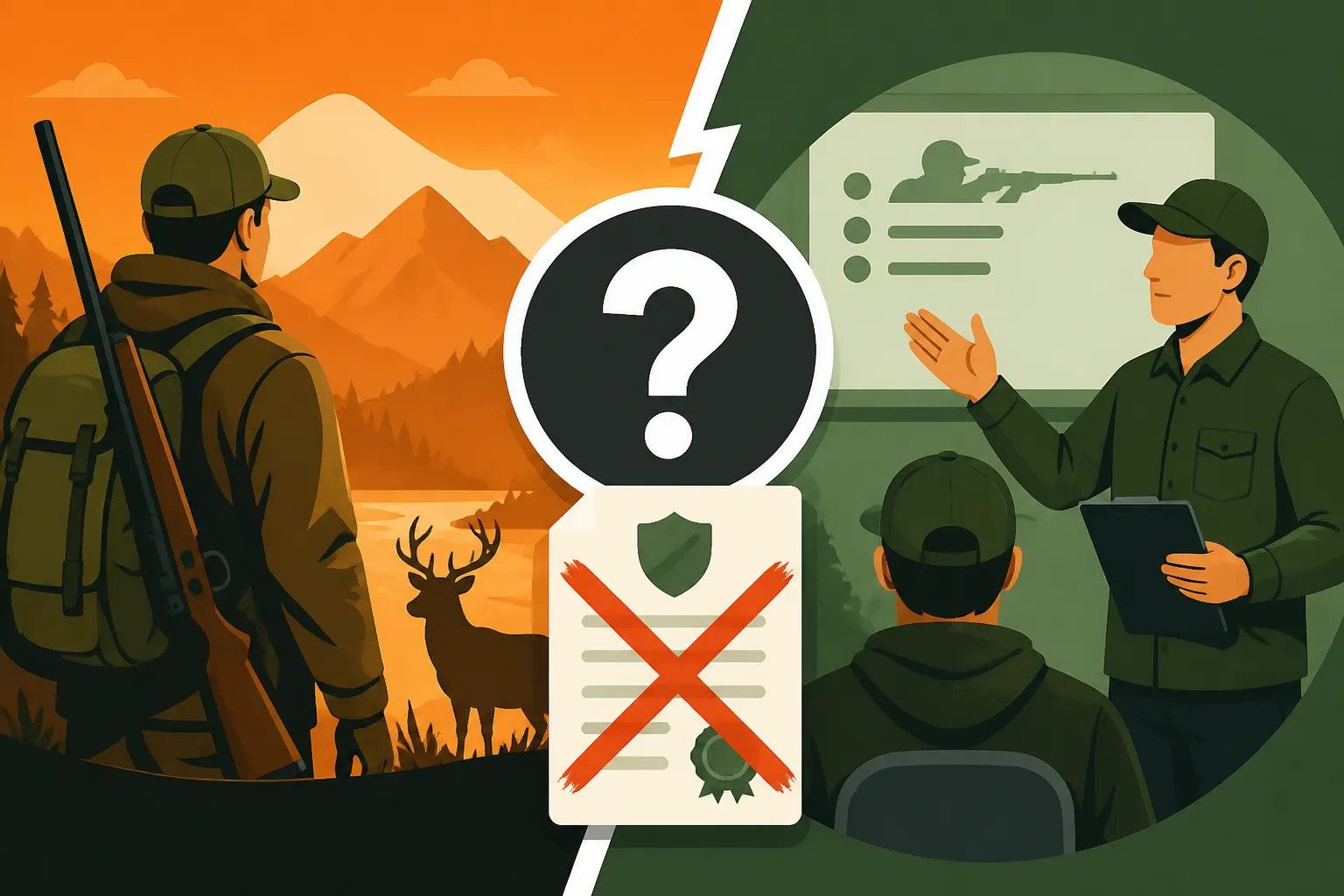
Let's cut right to the chase, so there's no lingering doubt: no, completing a federal firearms course, like the Canadian Firearms Safety Course (CFSC), does not waive the requirement to complete British Columbia's Conservation Outdoor Recreation Education (CORE) program. These are two separate, distinct requirements that must both be met to legally hunt with a firearm in British Columbia.
Why the CFSC Doesn't Replace CORE
The core reason the CFSC doesn't replace CORE comes down to their different mandates. The CFSC is about safe firearm handling and storage, addressing federal requirements for gun ownership. CORE, on the other hand, is about safe, ethical, and legal hunting within British Columbia, covering provincial wildlife management, regulations, and outdoor skills. While there's a small overlap in general safety principles, the vast majority of the CORE curriculum is unique and essential for a hunter.
Imagine wanting to drive a car. You need to pass a driving test (like CFSC) to show you can operate the vehicle safely. But to drive a taxi (like hunting), you'd need additional training on specific routes, regulations, and customer service, which is what CORE provides. Without both, you're only partially prepared for the specific activity of hunting in BC. This distinction is paramount, especially when you delve into the intricacies of specific hunting methods like Calling Moose in British Columbia's Interior or the critical skills needed for Packing Out of British Columbia's Steep Country.
Pathways to Getting Your CORE Certification
So, how do you get your CORE certification? It's a straightforward process, though it requires dedication. The primary path is through the BC Wildlife Federation (BCWF) or one of its certified instructors. You typically have two options:
- In-Person Course: This is the most popular and often recommended method. You attend a structured course led by a certified instructor, usually over a weekend or a series of evenings. This format allows for direct interaction, questions, and hands-on learning, which can be incredibly beneficial, especially for practical components like identifying different species or understanding complex regulations. You'll participate in classroom sessions covering all the material and then complete the written exam and a practical firearms handling test. Many find that the in-person experience solidifies their understanding and prepares them well for real-world scenarios.
- Self-Study: For those who prefer to learn at their own pace or have scheduling conflicts, self-study is an option. You can purchase the CORE manual and study the material independently. Once you feel prepared, you then need to arrange with a certified CORE examiner to take both the written and practical exams. While this offers flexibility, it requires a high degree of self-discipline to ensure you cover all the material thoroughly. It's crucial not to underestimate the breadth of information covered, especially when preparing for the practical firearms handling test, even if you’re already familiar with the basics from your CFSC.
No matter which path you choose, the outcome is the same: once you pass both the written and practical components of the CORE exam, you'll receive your CORE certificate. This certificate is your ticket to applying for your British Columbia hunting licence and, in conjunction with your PAL, empowers you to legally pursue game in our beautiful province. Don't forget that getting a British Columbia FWID is also a necessary step in the licensing process.
Preparing for Your CORE Exam
Getting ready for your CORE exam isn't something to take lightly. It's a significant amount of material, and passing requires a solid understanding of both the theoretical and practical aspects of hunting in British Columbia. Diligence in your preparation will not only help you pass but also make you a more confident and responsible hunter.
Resources for Self-Study
Even if you opt for an in-person course, supplementing your learning with self-study resources can greatly enhance your understanding. The most important resource is the CORE Manual. This is the official textbook for the program, packed with all the information you need to know. Make sure you get the most current edition, as regulations can change. You can usually purchase these manuals directly from the BCWF website or from authorized CORE instructors.
Beyond the manual, consider these additional resources:
- BCWF Website: The British Columbia Wildlife Federation's website is a treasure trove of information. It often has FAQs, course schedules, and sometimes even supplementary materials or quizzes. You can also find information about British Columbia's CORE Exam and FWID directly there.
- Online Practice Quizzes: Many independent websites or forums, as well as some CORE instructors, offer practice quizzes that mimic the format of the written exam. These can be incredibly helpful for identifying areas where your knowledge might be weak and for getting comfortable with the types of questions you'll encounter.
- Hunting Regulations Synopsis: While the CORE manual covers regulations, it's always a good idea to familiarize yourself with the current British Columbia's Two-Year Regulations Synopsis. Knowing how to navigate this document will be a critical skill for every hunting season. Tools like GoHunt can also be invaluable for quickly looking up specific regulations or hunting season dates after you’ve grasped the foundational knowledge from CORE.
- Experienced Hunters: Don't underestimate the value of talking to seasoned hunters. They can offer practical insights, explain concepts that might be confusing, and share real-world scenarios that bring the manual to life.
What to Expect on Exam Day
Exam day can be a bit nerve-wracking, but knowing what to expect can help ease your mind. The CORE exam typically consists of two parts: a written test and a practical firearms handling test.
The written exam is usually multiple-choice and covers all the topics from the CORE manual. You'll be tested on wildlife identification, conservation principles, hunting ethics, provincial regulations, survival skills, and first aid. Pay close attention to specifics, as some questions might test your knowledge of exact bag limits, legal hunting hours (British Columbia Shooting Hours are a common point of confusion), or prohibited activities. Reading each question carefully is paramount.
The practical firearms handling test assesses your ability to safely handle common hunting firearms. Even if you've aced your CFSC, this is where you demonstrate to the CORE examiner that you can apply those safety principles in a hunting context. You'll likely be asked to:
- Identify different firearm types and their actions.
- Demonstrate safe loading and unloading procedures.
- Show how to safely transport and store a firearm.
- Prove you can carry a firearm safely in the field.
- Identify the four primary safety rules (ACTS and PROVE).
The examiner will be looking for consistent application of safety protocols and a clear understanding of your responsibilities. They're not trying to trick you, but rather ensure you are a safe and competent individual to be out in the field. Remember, the goal isn't just to pass, but to internalize this knowledge to ensure safe and responsible hunting for years to come. Once you're certified, using platforms like GoHunt can further assist you in planning your hunts effectively, whether you're looking into British Columbia's Management Units and Regions or trying to understand British Columbia's Limited Entry Hunting Draws.
| Feature | Canadian Firearms Safety Course (CFSC) | Conservation Outdoor Recreation Education (CORE) |
|---|---|---|
| Purpose | Safe handling, storage, and transportation of firearms | Safe, ethical, and legal hunting in British Columbia |
| Mandate | Federal (required for PAL) | Provincial (required for BC hunting license) |
| Core Topics Covered | Firearm types, actions, ammunition, federal laws, safety rules | Wildlife ID, conservation, BC regulations, ethics, survival, first aid, field skills |
| Prerequisite for | Possession and Acquisition Licence (PAL) | British Columbia Resident Hunting Licence |
| Exam Components | Written & practical firearms handling | Written & practical firearms handling |
| Overlap | Basic firearms safety principles (minor) | Minimal, distinct focus |
| Waiver | Does NOT waive CORE | May waive some other provincial hunter ed (check specific province) |
Disclaimer
The information provided in this guide is for general informational purposes only and does not constitute legal advice. Hunting regulations in British Columbia are complex and subject to change. Always consult the official British Columbia Hunting and Trapping Regulations Synopsis and relevant federal firearms regulations for the most current and accurate information before planning or engaging in any hunting activities. It is your responsibility to understand and comply with all applicable laws.