Updating Your FWID Online
Navigating online government systems can feel like trying to track a mature buck through dense timber – confusing, frustrating, and prone to missteps. But keeping your Hunter Number, or FWID (Fish and Wildlife ID), up-to-date in British Columbia is absolutely essential for every hunter. This comprehensive guide will walk you through the process of updating your FWID online, ensuring your contact and personal details are always current with the provincial system, so you never miss a beat or a crucial notification.
Understanding Your FWID and Why It Matters
Let's be honest, acronyms and government systems aren't exactly thrilling topics, but your FWID is the backbone of your hunting life in British Columbia. It’s a unique, lifetime number assigned to you by the provincial government, much like a social insurance number for hunters, and it’s critical for almost every interaction you have with the BC Wildlife Federation, provincial licensing systems, and even some federal regulations. Neglecting it can lead to all sorts of headaches down the road, from missed draw notifications to issues with license purchases.
What is an FWID Anyway?
Simply put, your FWID stands for Fish and Wildlife ID. It's a permanent, nine-digit number that replaced the old paper hunting and fishing license systems in British Columbia. Every resident and non-resident hunter or angler needs one to participate in these activities here. Think of it as your official identity within the provincial wildlife management system. This number is linked to all your hunting history, your British Columbia Hunting Licences and Fees purchases, any Limited Entry Hunting (LEH) applications you’ve submitted, and your mandatory harvest reports. Without an active, correctly registered FWID, you can't buy a hunting license, purchase species tags, or even apply for those coveted LEH draws that so many of us spend hours dreaming about.
Beyond just a number, your FWID acts as a central repository for your personal information. This includes your name, address, date of birth, and contact details. This data allows the Ministry of Forests, Lands, Natural Resource Operations and Rural Development (FLNRORD), and the broader BC Wildlife Federation, to communicate with you about regulations, season changes, draw results, or any other important updates that impact your hunting activities. Imagine getting lucky in the draw for a prime moose tag, only to find out you missed the email because your contact information was outdated. It’s enough to make any hunter groan.
When and Why Would You Need to Update It?
Life happens, right? People move, change phone numbers, get new email addresses, or even legally change their names. Each of these life events directly impacts the accuracy of the information linked to your FWID. Keeping these details current isn't just a suggestion; it's a critical part of being a responsible hunter.
The most common reason for needing an update is a change of address. If you’ve moved from Surrey to Prince George, for instance, your residency status might impact certain general open season opportunities or LEH draw eligibility for specific regions. The province needs to know where you live to ensure you’re adhering to regional regulations. Similarly, a new email address means you need to update it to receive essential communications like draw results, season reminders, or even notifications about the British Columbia's Two-Year Regulations Synopsis updates. If you're hoping for a coveted Stone's sheep tag through the draw system, you definitely want to ensure that acceptance email lands in your active inbox. Many hunters also find themselves updating their phone numbers. While email is often the primary method of communication for official notices, having a current phone number can be crucial for urgent matters, especially if there's an issue with a license purchase or an LEH application. Essentially, any time your primary contact information changes, or any details that establish your identity and residency, you need to initiate an FWID update.
Step-by-Step Guide to Updating Your FWID Online
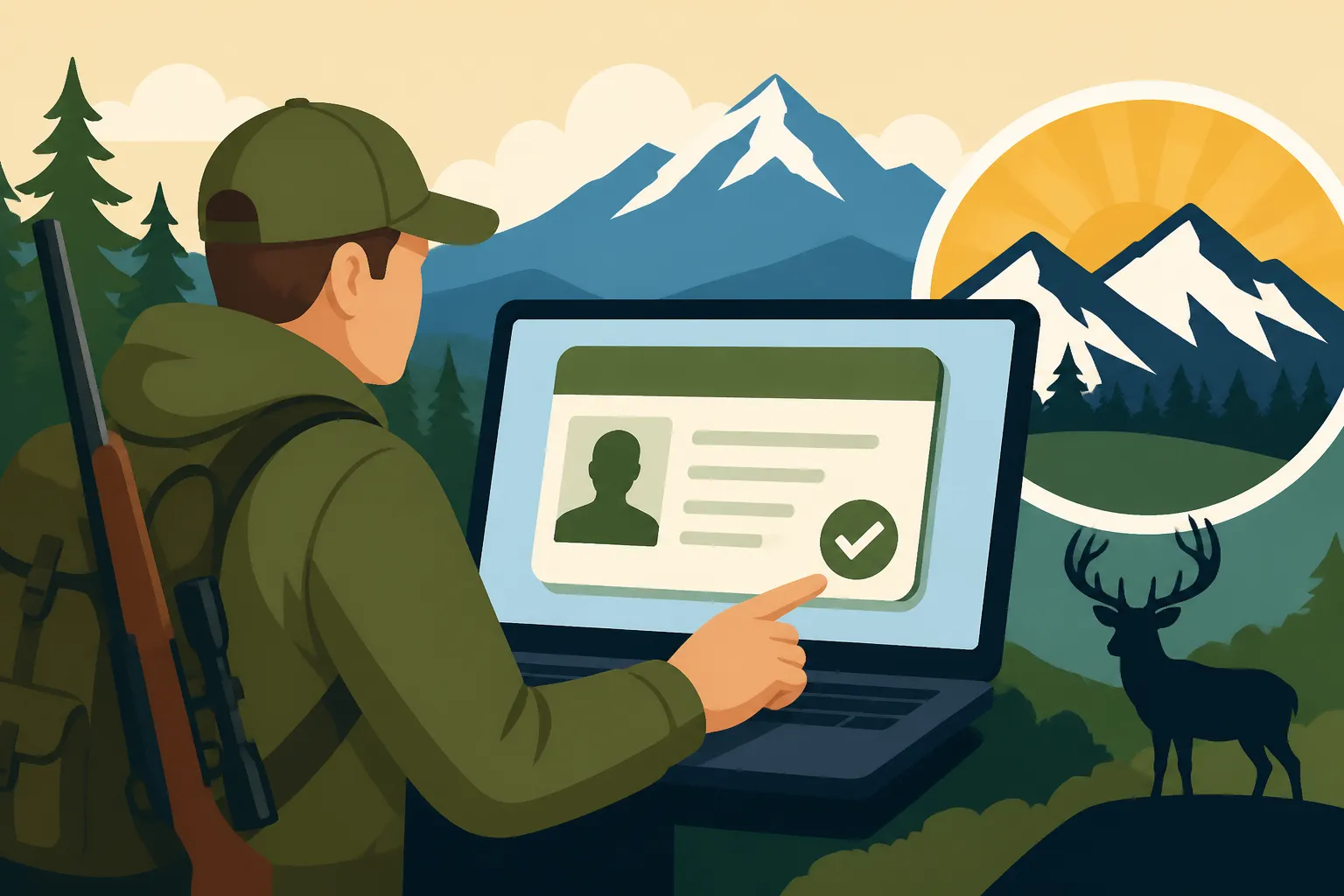
The good news is that updating your FWID online is a relatively straightforward process, designed to be accessible from your home computer or even your mobile device. You won't need to drive to a government office or fill out endless paper forms. The provincial Wildlife Information System (WILD) is where all the magic happens.
Navigating the BC Hunting and Fishing Licensing System
The first step is always getting to the right place online. You’ll want to head over to the official BC Hunting and Fishing Licensing System website. This is the government portal where you manage all aspects of your hunting and fishing licenses, including your FWID. Don't be tempted by third-party sites or search results that look unofficial; always aim for the main government portal to protect your personal information.
Once you’re on the site, you'll need to log in to your account. If you've purchased licenses or applied for LEH draws before, you'll already have an account. Your login typically consists of your FWID and a password you set up. If you're like many of us and can't quite recall your password from one season to the next, don't fret. There's a "Forgot Password" link available. Click on it, and the system will guide you through a process to reset your password, usually by sending a link to the email address associated with your FWID. This is precisely why keeping your email current is so vital! If you're a new hunter or somehow haven't registered an FWID yet, there will be an option to create a new account, which will generate your unique FWID for the first time after you input your personal details. This initial setup is covered in our guide on Getting a British Columbia FWID.
Common Fields to Update and How to Do It
Once you've successfully logged into your account, you'll typically land on a dashboard or homepage that summarizes your current licenses and applications. Look for a section or link titled "My Profile," "Manage Account," or "Update Personal Information." This is where you’ll find all the details associated with your FWID.
Here's a breakdown of the most common fields you'll want to check and how to update them:
- Address: This is often the most critical field. You’ll usually see separate fields for street address, city, province, and postal code. Simply click into each field and type in your new, correct information. If you've moved out of province or even out of the country, this change can affect your residency status and what types of licenses you can purchase, such as specific non-resident or non-resident alien categories. For example, a resident hunter benefits from lower British Columbia Resident Hunting Licence Cost compared to non-residents.
- Phone Number: Update both your home and mobile numbers if they've changed. While it might seem less critical than email, having a current phone number is a good backup for communication, especially if there's an issue with an online purchase.
- Email Address: This is perhaps the most important contact method for the government. Ensure it's an email you check regularly. Many official notifications, including those for British Columbia's Limited Entry Hunting Draws, will come via email.
- Other Personal Details: While less common to change after initial registration, review fields like your date of birth or legal name. If you've had a legal name change, you might need to provide supporting documentation to the Ministry directly, as this often requires more than just an online edit.
After making any changes, it's absolutely crucial to click "Save," "Update," or "Submit" to ensure your changes are registered. Don't just close the window and assume it's done; always confirm the update. The system will usually provide a confirmation message indicating that your profile has been successfully updated.
Troubleshooting Common Online Issues
Even with the best intentions, online systems can sometimes throw a curveball. It’s important to know how to troubleshoot some common issues you might encounter when updating your FWID.
One frequent hiccup is forgetting your password, which we touched on. If the "Forgot Password" link isn't working, or you're not receiving the reset email, first check your spam or junk folder. Sometimes, legitimate emails from government systems can get filtered out. If it's still not there, double-check that you're trying to reset the password for the email address you originally registered with. If that email is no longer active, you'll need to contact the BC Fish and Wildlife Branch for assistance. Their contact information is usually found at the bottom of the licensing website or on the main government portal for hunting and fishing. Another issue might be a system error during the save process. If you receive an error message after clicking "Save," take a screenshot if possible. Try clearing your browser's cache and cookies, then attempt the update again. If the problem persists, it's best to reach out to the technical support line for the BC Hunting and Fishing Licensing System. They can often diagnose and resolve backend issues that you can't fix from your end. Patience is key here; while it can be frustrating, these dedicated teams are there to help you get your profile sorted.
Ensuring Your Hunting Profile Stays Current
Think of your FWID as a living document; it needs regular attention to remain accurate and beneficial for your hunting pursuits. A current FWID is more than just a bureaucratic checkbox; it's a vital link to all your hunting opportunities and responsibilities in British Columbia.
The Importance of Accurate Information for Licenses and Draws
Having accurate, up-to-date information tied to your FWID is paramount for several reasons. Firstly, it ensures that when you purchase any British Columbia Deer and Elk Tags, your details match the official records. Any discrepancy could potentially invalidate your tag or license if you're ever checked by a conservation officer. Imagine having your dream hunt interrupted because your address on file doesn't match your driver's license. It’s a scenario no one wants to face.
Secondly, and perhaps most importantly for many hunters, accurate contact information is crucial for the Limited Entry Hunting (LEH) draws. The system uses the email address associated with your FWID to notify you of draw results. If that email is outdated, you could miss the notification that you've drawn an incredible tag – a heartbreaking thought! While some dedicated hunters use resources like GoHunt to track their draw applications and research odds, the ultimate source of truth and the official communication channel remains the provincial system itself. So, while external tools are fantastic for planning and research, ensuring your FWID is current on the official BC government portal is your personal responsibility. Furthermore, your residency status, as determined by your address, plays a significant role in which draws you are eligible for and whether you pay resident or non-resident fees for species tags like Moose Species Licence Cost. An incorrect address could lead to an incorrect residency declaration, which has serious implications.
What Happens If Your FWID is Outdated?
The consequences of an outdated FWID can range from minor annoyances to significant problems that impact your ability to hunt. At best, you might simply miss out on general communications or updates from the Ministry. You might not receive important news about conservation efforts, rule changes for specific regions, or even public consultations on hunting regulations.
At worst, the ramifications can be much more severe. If your address is incorrect, you could find yourself ineligible for certain resident-only hunting seasons or LEH draws, or even face penalties for misrepresenting your residency. If you happen to draw a coveted LEH tag, but the notification goes to an old, inactive email address, you might miss the deadline to accept or purchase the tag, forfeiting your hard-earned draw points and the opportunity itself. This happened to a friend of mine recently who missed a prime elk draw because his email was 5 years out of date. He was absolutely gutted. Moreover, with compulsory reporting requirements for many species, accurate contact information is vital for the Ministry to follow up if there are any issues with your harvest report. Our guide on Compulsory Reporting Within Thirty Days emphasizes the importance of these submissions, and an outdated FWID can complicate that process. Always remember, your FWID is your primary identifier in the BC hunting world, and keeping it accurate is fundamental to a smooth, compliant, and enjoyable hunting experience.
| FWID Information Field | Importance | How to Update Online | Potential Consequences if Outdated |
|---|---|---|---|
| Full Legal Name | Official identification, matches licenses & tags | "My Profile" -> Edit Name (may require documentation) | Licenses invalid, legal issues |
| Date of Birth | Verifies age, important for youth/senior licenses | "My Profile" -> Edit DOB (rarely changes, usually fixed) | Ineligible for age-specific permits |
| Current Address | Residency verification for licenses, draw eligibility, mail | "My Profile" -> Edit Address fields | Incorrect residency status, missed mail, invalid licenses |
| Email Address | Primary communication for draw results, regulations, general updates | "My Profile" -> Edit Email field | Missed draw notifications, lost updates, inability to reset password |
| Phone Number | Secondary contact, important for urgent follow-ups, password recovery (sometimes) | "My Profile" -> Edit Phone fields | Missed urgent calls, difficulty contacting support |
Keeping your FWID up to date isn't just about avoiding problems; it's about staying connected to the dynamic world of British Columbia hunting. Whether you're planning your next hunt in the Interior or applying for a specific LEH, your up-to-date FWID is the foundation. It ensures you’re always in the loop, legally compliant, and ready to seize every opportunity the wilderness offers, from Hunting British Columbia's September Archery Opener to Calling Moose in British Columbia's Interior. Don't let a simple oversight about your personal details derail your hunting season.
Disclaimer
The information provided in this guide is for general informational purposes only and is subject to change. Hunting regulations, licensing requirements, and online systems in British Columbia are managed by the provincial government and can be updated at any time. Always consult the official British Columbia Hunting and Fishing Synopsis and the Ministry of Forests, Lands, Natural Resource Operations and Rural Development (FLNRORD) website for the most current and accurate information. It is the hunter's responsibility to understand and comply with all applicable laws and regulations.