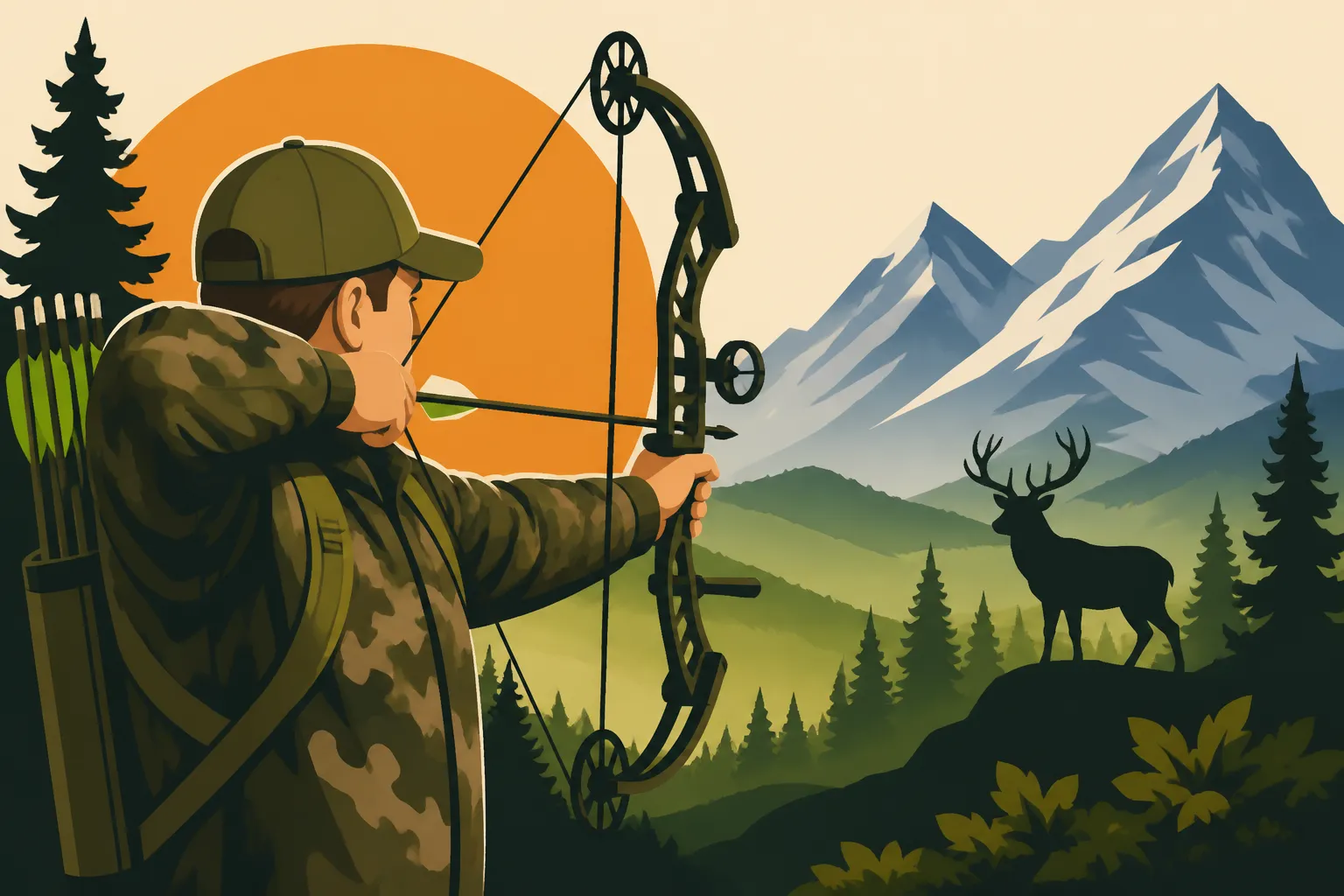
British Columbia Archery Season Dates
It can feel incredibly frustrating trying to pin down the exact dates for British Columbia's archery seasons. The regulations are a labyrinth, often leaving even experienced hunters scratching their heads trying to figure out when they can legally draw back their bow. This guide is here to untangle that complexity, providing you with a clear, comprehensive breakdown of archery season dates across the province, helping you plan your next hunt with confidence.
Understanding British Columbia's Archery Hunting Landscape
British Columbia offers an incredible array of hunting opportunities, and for many, archery hunting stands out as a deeply rewarding challenge. It demands a closer approach, a deeper understanding of animal behaviour, and an intimate connection with the wild spaces we cherish. But before you can even think about the stalk, you've got to understand the calendar.
Why Archery Hunting is Unique in BC
Archery hunting in British Columbia isn't just about using a different weapon; it's about a distinct season framework. Often, archery seasons open earlier than general rifle seasons, giving bowhunters a precious window into the backcountry when animals are less pressured and sometimes in different patterns. This early access, particularly in September, can put you in the woods when the weather is still pleasant, or even during the initial stages of some rutting activities, offering a completely different experience than later rifle hunts. It's a quieter pursuit, one that demands a different skill set, emphasizing stealth, patience, and precise shot placement. The challenge of getting within spitting distance of a wary animal with a bow is a draw for many, and BC's diverse landscapes, from dense coastal rainforests to arid interior grasslands, provide endless backdrops for this traditional form of hunting.
This distinct timeframe also means you're often hunting different animal behaviours. For instance, an early September archery elk hunt might catch bulls still in bachelor groups or just starting to bugle, whereas a late October rifle hunt would be deep into the rut. Similarly, deer might be in summer patterns, still feeding heavily in accessible areas, before the winter snows push them down. Understanding these behavioural shifts in conjunction with the season dates is critical to success.
The General Framework for Archery Seasons
British Columbia's hunting regulations are structured by species, management unit (MU), and region. For archery, the season dates are typically divided into two main categories: specific archery-only seasons and general open seasons where archery gear is permitted alongside firearms. The true gems for bowhunters are those archery-only periods, as they eliminate competition from rifle hunters and often open before the general firearms seasons, providing a more exclusive experience.
The province is carved into nine distinct hunting regions, and within each region, numerous management units exist. The season dates, bag limits, and specific regulations can vary dramatically from one MU to another, even for the same species. This is where the complexity truly sets in, and why a thorough review of the current year's British Columbia Hunting and Trapping Synopsis is absolutely essential. Many hunters find resources like GoHunt incredibly helpful for navigating these intricate regulations, allowing them to visualize open seasons and species opportunities by specific MUs. You'll often find that the earliest archery opportunities are focused on deer and black bears, with elk seasons following closely behind, usually coinciding with early September. For more detailed information on acquiring your hunting credentials, a look at British Columbia's CORE Exam and FWID is a great starting point.
Key Archery Season Dates by Species and Region
Let's dive into the nitty-gritty of what you can expect for archery season dates in British Columbia. Keep in mind that these are general trends, and you absolutely must consult the official BC Hunting and Trapping Synopsis for the most current and precise dates for your chosen Management Unit. However, this overview will give you a solid foundation for planning.
Deer Seasons: Mule Deer and Blacktail
For many bowhunters, deer are the primary target during the early archery seasons. British Columbia is home to healthy populations of both mule deer in the interior and black-tailed deer along the coast and on Vancouver Island. The archery seasons for these species typically kick off in early September.
In the interior, for species like the Mule Deer, you'll often find archery-only seasons opening around September 1st and running for two to three weeks before the general rifle seasons commence. These early hunts can be fantastic for spotting bucks still in velvet or just hardening their antlers, often found in higher elevation summer ranges or moving between feeding and bedding areas in more predictable patterns. For hunters targeting a specific four-point mule deer buck, understanding British Columbia's Four-Point Antler Restriction is vital. Along the coast and on Vancouver Island, where Black-Tailed Deer roam, archery seasons also tend to open around September 1st. These coastal hunts present their own unique challenges, with dense vegetation and often wet weather, but the solitude of an early archery hunt in the rainforest can be incredibly rewarding. Remember that specific MUs will have their own opening and closing dates, so confirming your target MU's exact dates is non-negotiable.
Elk Seasons: Roosevelt and Rocky Mountain
Elk hunting with a bow in British Columbia is an exhilarating experience, especially during the rut. Both Roosevelt Elk on the coast and Rocky Mountain Elk in the Kootenays and Peace regions offer bowhunting opportunities. Archery-only seasons for elk typically begin in early to mid-September, perfectly aligning with the start of the bugling season.
This timing is no accident; it provides bowhunters with an incredible chance to call in big bulls. For Roosevelt Elk on Vancouver Island and the mainland coast, the archery seasons usually run for several weeks in September, allowing ample time to pursue these magnificent animals. In the eastern part of the province, targeting Rocky Mountain Elk, you'll find similar September openings, often extending into late September or early October. These hunts are physically demanding, requiring hunters to cover significant ground and ascend steep terrain, but the reward of a close-range encounter with a bugling bull is unparalleled. It's a hunt that demands commitment, and a good understanding of the specific zones and their respective dates is paramount. More information on these majestic animals can be found in our guide to Elk Hunting in British Columbia.
Bear Seasons: Black Bear Opportunities
Black bears are abundant across British Columbia, and archery hunters have excellent opportunities to pursue them. While rifle hunters have a spring season, bowhunters can often participate in both spring and fall seasons, with archery-only periods sometimes available.
The spring black bear archery season can start as early as April 1st in some southern regions, extending through May and into June, depending on the management unit. This is when bears are emerging from hibernation, often seeking fresh green growth in avalanche chutes or on new logging cutblocks. The fall archery season for black bears typically aligns with the deer and elk seasons, opening in September and continuing well into the fall, often through October or November. These fall hunts can be productive as bears are actively feeding on berries and other mast crops to put on weight for winter. It's crucial to differentiate between sows with cubs and mature boars, which requires careful observation and judging skills. For those interested in the earlier opportunities, our article on Black Bear Hunting British Columbia's Spring provides excellent insights.
Other Species: Goats, Sheep, and Limited Opportunities
While deer, elk, and bears are the mainstays for general archery seasons, there are limited archery opportunities for other species. Mountain goat and sheep hunting, for instance, are almost exclusively draw-only (Limited Entry Hunting or LEH) and often open in mid-August or early September, extending through October. These are highly coveted tags, and while you can use archery equipment, the challenges of terrain and shot distances often lean towards rifle hunting. However, for the dedicated and skilled bowhunter who draws one of these tags, an archery sheep or goat hunt would be an epic adventure.
For other predators like wolves and coyotes, general open seasons often coincide with big game seasons, and using archery equipment is typically allowed. However, these are generally opportunistic harvests rather than dedicated archery pursuits due to the nature of hunting these animals. Always double-check the specific regulations for each species in your chosen MU, as regulations can change.
Here’s a simplified table outlining typical archery season dates for common species in British Columbia. Always verify these dates in the official BC Hunting and Trapping Synopsis for your specific Management Unit before planning your hunt.
| Species | Region | Typical Archery Open Date | Typical Archery Close Date | Notes |
|---|---|---|---|---|
| Mule Deer | Interior (e.g., Kootenays, Okanagan) | September 1st | Mid-September | Archery-only period often precedes general rifle season. Dates vary widely by MU. |
| Black-Tailed Deer | Coast, Vancouver Island | September 1st | Mid-September | Similar early archery window. Dense cover can make bowhunting challenging and rewarding. |
| Roosevelt Elk | Coast, Vancouver Island | Early September | Late September | Aligns with the early stages of the rut, offering calling opportunities. LEH zones may have different dates. |
| Rocky Mountain Elk | Kootenays, Peace Region | Early September | Late September | Peak bugling coincides with these dates. Requires significant effort in mountainous terrain. LEH zones may have different dates. |
| Black Bear | Province-wide | April 1st (Spring) | June 15th (Spring) | Spring archery can be productive on fresh growth. Fall archery often opens Sep 1st, extending into Nov, coinciding with berry/mast crops. |
| Mountain Goat | Province-wide (LEH) | Mid-August | Mid-October | Primarily LEH. Extremely challenging hunts. Verification of specific LEH dates is critical. |
| Bighorn Sheep | Interior (LEH) | Mid-August | Mid-October | Primarily LEH. Highly sought-after tags. Terrain and conditions demand peak physical fitness. |
| Stone's Sheep | Northern BC (LEH) | Mid-August | Mid-October | Primarily LEH. Remote, wilderness hunts requiring extensive planning. |
Navigating the Early Archery Openers
The early archery openers are often the most anticipated times for bowhunters in British Columbia. They offer a unique set of circumstances, challenges, and rewards that differ significantly from later rifle seasons.
The September Archery Advantage
The primary advantage of the September archery opener, whether it's for deer, elk, or bears, is the head start it gives you. You're often in the woods before the general firearms seasons, meaning less hunting pressure from other user groups. Animals may be less wary, still operating on summer patterns, and not yet pushed into thicker cover by human activity. For elk hunters, the early September opener often coincides perfectly with the pre-rut and early rut, when bulls are beginning to vocalize and become more responsive to calls. This can be an absolutely electrifying time to be in the woods, hearing the first bugles echo through the valleys.
Furthermore, the weather in early September is often more agreeable than the cold, wet conditions that can characterize later fall hunting. This can make for more comfortable backcountry trips, though it also means you'll need to be extra diligent about Meat Care in British Columbia's Warm Early Seasons to prevent spoilage. The longer daylight hours also provide extended hunting windows, allowing for more time to scout, stalk, and track. For those planning a specific wilderness hunt, reading up on Hunting British Columbia's September Archery Opener can provide invaluable insights into maximizing this unique window. It's a true privilege to be out there when the leaves are just starting to turn, the air is crisp, and the woods are relatively quiet.
Weather and Terrain Considerations for Early Season Hunts
While September often brings pleasant weather, it's British Columbia, and conditions can change rapidly. Early season hunts can still present a wide range of weather, from warm, sunny days in the interior to cold, driving rain on the coast. In the mountains, you can experience all four seasons in a single day, from morning frost to midday heat to afternoon showers. This means your gear selection needs to be versatile. Lightweight, breathable layers are essential, as is reliable rain gear, even if the forecast looks clear. You'll often be covering significant distances, and staying dry and comfortable is key to endurance and focus.
Terrain also plays a massive role. Whether you're navigating the dense undergrowth and steep slopes of coastal blacktail country or the vast, open hillsides of interior mule deer habitat, physical fitness is paramount. Early season often means animals are still at higher elevations in the mountains, especially larger bucks and bulls, demanding strenuous hikes to access their summer ranges. Expect uneven footing, thick brush, and potentially long pack-outs, especially if you're successful on a larger animal like an elk. Understanding the local topography and how animals use it during this specific time of year is crucial for effective scouting and planning.
Pressures and Strategies for Archery Success
Even in archery-only seasons, you won't necessarily be alone. Other bowhunters will be out there, especially in popular management units. This means understanding and adapting to pressure is part of the game. Early season strategies often involve getting away from roads and known access points. Utilize mapping tools like those from GoHunt to identify remote areas and potential staging grounds. Consider hiking deeper, using alternative access methods like mountain bikes, or targeting areas that are harder to reach.
Successful archery hunting in these conditions often boils down to impeccable scouting, patience, and adapting to animal behaviour. Animals might be patterned around specific food sources or water, making diligent glassing and observation key. Still-hunting through dense timber, or slow, methodical stalks on feeding animals in more open country, can be highly effective. Calling can work wonders, particularly for elk, but also for bears and even some deer species. However, it's vital to know when and how to call effectively, as over-calling or calling at the wrong time can educate animals quickly. Focus on being scent-free, moving quietly, and practicing your shot sequence regularly so you're ready when the opportunity finally arises.
Essential Archery Regulations Beyond Dates
Beyond knowing when to hunt, it's critical to understand how to hunt legally with archery equipment in British Columbia. The regulations govern everything from your bow's specifications to how you handle your harvest. Ignoring these details can lead to severe penalties and compromise the ethical foundation of our sport.
Bow Specific Requirements and Restrictions
British Columbia has clear regulations regarding the type and power of archery equipment allowed for hunting big game. This isn't just about safety; it's about ensuring a humane harvest. For big game, including deer, elk, moose, sheep, goats, and bears, bows must have a minimum draw weight of 40 lbs. Arrows must be at least 24 inches long, measured from the nock groove to the tip of the broadhead, and broadheads must have at least two cutting edges and be at least 7/8 inch wide at the widest point. Expanding broadheads are allowed, provided they meet these minimum cutting dimensions when expanded.
Crossbows have specific rules as well. In British Columbia, crossbows are generally treated similarly to firearms for big game hunting, meaning they are usually restricted to general open seasons rather than archery-only periods, unless explicitly stated otherwise for a particular management unit or species. There are exceptions for hunters with disabilities who may be issued a permit to use a crossbow during archery-only seasons. Always refer to the current synopsis to ensure your equipment is compliant for the species and season you are pursuing. This also applies to our comprehensive guide on British Columbia Legal Firearms and Bows.
Tagging, Reporting, and Compulsory Inspection for Archery Harvests
Once you've successfully harvested an animal with your bow, the regulatory journey isn't over. Proper tagging, reporting, and in some cases, compulsory inspection are critical steps that all hunters, including archers, must follow. Immediately after an animal is harvested, you must attach your species tag to a specified part of the animal, typically an ear or antler, and validate the date. This tag must remain attached until the animal is processed and stored at your residence.
Furthermore, British Columbia has mandatory harvest reporting requirements for most big game species. This information is crucial for wildlife managers to monitor populations and set future regulations. You usually have 30 days from the date of kill to submit your harvest report online. For certain species, such as moose, sheep, and mountain goats, compulsory inspection is also required. This means bringing the head, or specified parts, to a BC wildlife official or designated inspection station within a set timeframe. These regulations are designed to ensure responsible hunting practices and gather vital data for conservation, and failing to adhere to them can result in fines or loss of hunting privileges.
Access and Ethical Considerations for Archery Hunters
Archery hunting often takes you into quieter, more remote areas, but it's important to understand land access rules. Much of British Columbia is Crown land, open to public hunting, but there are also private lands, including private forest lands, where access may be restricted or require permits. Always verify land ownership and access rules for your chosen hunting area. Scouting tools, including online maps, can show you what is Crown land and what might be private. You might also find yourself on logging roads, which can be active. If you're using a resource like GoHunt, it can often help you verify land boundaries and road statuses.
Ethical considerations are paramount for archery hunters. This includes ensuring you are proficient with your bow and broadheads, only taking ethical shots within your comfortable range, and dedicating yourself to recovering any wounded animal. This commitment ensures that we maintain the highest standards of fair chase and respect for the animals we pursue. Being a responsible archer also means being a good steward of the land, packing out all your trash, respecting wildlife closures, and being considerate of other outdoor users. These practices ensure the future of hunting in British Columbia for generations to come.
Planning Your Archery Adventure in British Columbia
Successfully planning an archery hunt in British Columbia involves more than just knowing the season dates; it requires diligent research, thorough preparation, and a commitment to safety and ethics.
Researching Management Units and Applying for LEH
The first step in planning your archery hunt should always be thorough research into specific Management Units (MUs). As mentioned, season dates, species availability, and regulations can vary dramatically from one MU to the next. Use the official British Columbia Hunting and Trapping Synopsis as your primary resource. This document, updated every two years, contains all the legal requirements. Supplement this with online mapping tools that overlay MU boundaries with terrain features, land ownership, and even past harvest data. Websites like GoHunt offer invaluable mapping and research tools that can help you scout a British Columbia Management Unit Online, identify potential areas, and understand historical success rates.
For highly sought-after species like sheep, goats, or specific elk and moose hunts, you'll need to apply for a Limited Entry Hunting (LEH) draw. These draws are typically applied for in the spring, with results released in the early summer. If you plan to bowhunt these species, ensure you understand the LEH application process and deadlines well in advance. Even if you secure an LEH tag, the specific season dates for that LEH zone might differ from general open seasons, so always double-check. Don't forget to account for the British Columbia Hunting Licences and Fees and the cost of British Columbia's Species Licences and Tags when budgeting for your trip.
Gear Preparation for BC's Diverse Terrain
British Columbia's diverse landscapes demand versatile and durable gear, especially for archery hunters who often venture into more remote and rugged areas. Your bow and arrows are just the start. High-quality optics, including binoculars and a spotting scope, are essential for glassing vast terrain, particularly for mule deer and elk. A rangefinder is non-negotiable for accurate shot placement.
Beyond your weapon system, focus on your clothing and footwear. Layering is key due to variable weather. Waterproof and breathable outer layers are critical, especially for coastal hunts or high-country excursions where rain or sudden snow can occur. Durable, broken-in hunting boots that provide ankle support and traction are a must for navigating steep, uneven terrain. Consider a comfortable frame pack capable of handling heavy loads, as packing out an animal, especially a large one like an elk or moose, can be a strenuous multi-day affair. Don't forget essentials like a first-aid kit, navigation tools (GPS, map, compass), a headlamp, and bear spray for Bear Safety While Hunting in British Columbia. Satellite communication devices are highly recommended for remote areas where cell service is non-existent.
Mentorship and Safety for Archery Hunters
For new archery hunters or those new to British Columbia's unique challenges, seeking mentorship can significantly enhance your experience and safety. Learning from experienced hunters can provide invaluable insights into local animal behaviour, effective hunting strategies, and navigating specific terrain. Consider joining a local rod and gun club or connecting with experienced bowhunters in your area.
Safety should always be your top priority. Hunting in British Columbia's backcountry carries inherent risks, from wildlife encounters to unpredictable weather and rugged terrain. Always let someone know your hunting plan, including your intended route, where you'll be camping, and when you expect to return. Carry emergency communication devices and know how to use them. Be prepared for self-rescue in case of injury or unexpected conditions. Practice proper bear safety, carry bear spray, and know how to use it. A well-thought-out emergency plan isn't just a suggestion; it's a necessity when you're deep in BC's wilderness. Remember, responsible hunting is safe hunting, and that begins long before you even leave home.
Disclaimer
The information provided in this guide is for general informational purposes only and is not legal advice. Hunting regulations in British Columbia are complex and subject to change. It is the hunter's sole responsibility to consult and adhere to the most current British Columbia Hunting and Trapping Synopsis and all applicable federal, provincial, and local laws before planning and executing any hunting activity. Failure to do so can result in significant penalties.