British Columbia Youth and Senior Licences
The world of hunting regulations can sometimes feel like a labyrinth, especially when trying to figure out the specific rules and opportunities available for different age groups. For those just starting their journey in the great outdoors or seasoned veterans looking to continue their passion well into their golden years, understanding British Columbia's youth and senior hunting licence system is crucial. This comprehensive guide will walk you through the nuances, clarify eligibility, and help you navigate the process, ensuring that the next generation can safely learn the ropes and our experienced hunters can continue enjoying BC's incredible wilderness.
Navigating the Landscape of British Columbia Hunting Licences
Before diving into the specifics of youth and senior licences, it's essential to grasp the foundational requirements that apply to nearly every hunter in British Columbia. The province has a well-structured system designed to ensure safety, conservation, and ethical hunting practices. Understanding these basic elements sets the stage for appreciating the specialized provisions for younger and older hunters.
Establishing Your FWID and Completing CORE
Every aspiring hunter in British Columbia, regardless of age, must first obtain a Fish & Wildlife ID (FWID). This unique nine-digit number is your permanent identification within the provincial fish and wildlife system. Think of it as your passport to hunting and fishing in BC; without it, you can't purchase licences or tags. Getting an FWID is usually the first step for anyone planning to hunt. You can apply for one online through the BC government's hunting and fishing website, or in person at a Service BC location or independent vendor. The process is straightforward, requiring basic personal information, but it's crucial to ensure accuracy as this number will follow you throughout your hunting career.
Beyond the FWID, demonstrating a fundamental understanding of hunting safety and regulations is paramount. This is achieved through the Conservation and Outdoor Recreation Education (CORE) program. The CORE exam is a comprehensive test covering firearms safety, hunting ethics, species identification, wildlife management principles, and provincial hunting regulations. It's a rite of passage for most BC hunters, ensuring that everyone entering the field possesses a baseline of knowledge critical for responsible hunting. While there are some exemptions, primarily for those who have completed a similar firearms safety course in other Canadian jurisdictions, most new hunters will need to complete an approved CORE course and pass the exam. You can find detailed information on British Columbia's CORE Exam and FWID requirements, and remember, a solid understanding of these principles is key to a safe and enjoyable hunt.
Understanding Resident Versus Non-Resident Status
British Columbia's hunting regulations, including licence fees and specific season opportunities, differentiate significantly between residents, non-residents of Canada, and non-resident aliens. This distinction is vital because it dictates everything from what you pay to how you can hunt. A "resident" of British Columbia is generally defined as someone who has lived in the province for the preceding six months, is a Canadian citizen or permanent resident, and meets certain other criteria. For example, if you've recently moved to BC, you'll need to establish your residency for that full six-month period before you qualify for resident hunting privileges.
Non-residents of Canada are typically Canadian citizens or permanent residents who reside outside of British Columbia. Non-resident aliens are individuals who are neither Canadian citizens nor permanent residents. These distinctions impact everything from the types of licences and tags you can purchase to whether you need to be accompanied by a licensed guide or hold a Permit to Accompany. For instance, non-residents of Canada and non-resident aliens are generally required to hire a licensed British Columbia guide-outfitter for big game hunting or obtain a Permit to Accompany Explained from a resident who will directly supervise them. This layered system aims to manage hunting pressure, support local guiding businesses, and ensure proper oversight for those less familiar with BC's unique landscapes and rules.
The Specifics of British Columbia Youth Hunting Licences
Introducing young people to hunting is a time-honoured tradition and a cornerstone of conservation efforts. British Columbia recognizes the importance of fostering this passion responsibly, offering specific programs and regulations to facilitate youth involvement. These provisions aim to ensure safety, promote ethical practices, and provide meaningful opportunities for junior hunters under appropriate supervision.
Eligibility and the Junior Hunter Program
The province has a structured approach to allowing youth into the hunting fold. Generally, the Minimum Age to Hunt in British Columbia is 10 years old. However, a youth hunter needs to be at least 10 years old to complete the CORE program and obtain their FWID. Once they've successfully passed CORE, they can apply for a junior hunting licence. This licence allows them to hunt small game and birds, and perhaps most importantly, to participate in the Junior Hunter Program for big game. This program is specifically designed for hunters under the age of 18, providing them with the framework to gain practical experience under the direct supervision of an adult mentor.
The Junior Hunter Program is not just about getting a licence; it's about a commitment to education and hands-on learning. It requires careful adherence to rules that prioritize safety above all else. A junior hunter cannot hunt big game on their own. They must be accompanied by an adult, typically over 19 years old, who holds a valid hunting licence for the species being hunted and has held one for at least three years. This mentor acts as the primary responsible party, ensuring the youth's safety, ethical conduct, and understanding of the hunt. This structured mentorship is key to developing responsible, knowledgeable hunters from a young age, preparing them for a lifetime of outdoor pursuits.
The Vital Role of Mentorship and Supervision
Mentorship is not merely an optional extra when it comes to youth hunting in British Columbia; it's an absolute necessity and a legal requirement for big game. Under the Junior Hunter Program, the accompanying adult isn't just a chaperone; they are a direct supervisor who must be within "normal voice contact" of the youth at all times and actively directing the hunt. This means being close enough to immediately intervene if necessary, providing real-time instruction, and ensuring the junior hunter adheres to all regulations, including British Columbia Youth Hunting Rules. The mentor is legally accountable for the youth hunter's actions while in the field. This stringent supervision is designed to instil discipline, reinforce safety practices, and prevent accidents.
Furthermore, the mentor plays a crucial role beyond just safety compliance. They are responsible for teaching critical field skills that aren't easily learned from a book: tracking, stalking, identifying signs, ethical shot placement, and proper field dressing. They also impart the values of conservation, respect for wildlife, and appreciation for the natural world. This direct, hands-on teaching ensures that knowledge is passed down effectively, building confidence and competence in the young hunter. A common scenario might involve a parent taking their child out for their first grouse hunt, teaching them how to safely carry a shotgun, identify different species of birds, and appreciate the challenge and reward of the hunt. For big game, the mentor might glass an open slope alongside their mentee, helping them identify legal animals and patiently guiding them through the setup for a shot. The success of the Junior Hunter Program heavily relies on the dedication and responsibility of these mentors.
Costs and Species Tags for Youth Hunters
When it comes to the financial aspect, British Columbia makes an effort to keep hunting accessible for youth. While they still need to purchase a basic hunting licence, the costs for these junior licences are significantly lower than those for adult residents. For example, a resident youth hunting licence might cost a fraction of what an adult resident pays for their basic licence. This reduced fee encourages parents and guardians to introduce their children to hunting without facing a substantial financial barrier.
In addition to the basic licence, youth hunters participating in the Junior Hunter Program for big game still require species tags, just like adult hunters. These tags, such as for deer or black bear, must be purchased in the youth's name. However, the cost of these species tags for youth is also often reduced. This means a young hunter can pursue a wide range of animals, from deer to moose to black bear, provided they have the appropriate tags and are under strict adult supervision. It’s important to note that while they can purchase tags for big game, some species remain exclusively available through Limited Entry Hunting (LEH) draws, and youth hunters must apply for these draws just like adults. The availability and cost of specific British Columbia Species Licences and Tags for youth are outlined in the annual Hunting and Trapping Synopsis, which is the essential guide to all regulations and fees. Always consult the most current synopsis to ensure you have the correct information for the season.
British Columbia Senior Hunter Licences and Benefits
Just as British Columbia supports new hunters, it also acknowledges the contributions and continued participation of its senior hunters. Many experienced hunters wish to remain active in the field for as long as possible, and the province offers certain benefits and considerations to help make this feasible. These provisions are a nod to their years of experience and their role in upholding hunting traditions and conservation.
Defining "Senior" for Hunting Purposes
In British Columbia, the definition of a "senior" for hunting licence purposes is straightforward: typically, it applies to residents who are 65 years of age or older. Once a hunter reaches this age milestone, they become eligible for specific discounts and considerations on their hunting licences. It's not an automatic process, however; hunters usually need to ensure their date of birth is correctly recorded with their FWID, and the system will then automatically apply the senior rates when they go to purchase their annual licence.
This age qualification is universally applied across the province, meaning whether you live in the Fraser Valley or the remote Omineca region, once you hit 65, you qualify. The rationale behind this age-based benefit is rooted in recognizing a lifetime of contributing to the hunting community, paying into the system, and often, passing down knowledge to younger generations. It’s a way to say thank you and to help keep hunting affordable for those on fixed incomes, ensuring they can continue to enjoy the sport they love. It's a small but significant gesture that helps many experienced individuals remain engaged in outdoor activities that are crucial to their physical and mental well-being.
Unpacking the Reduced Fee Structure
One of the most appreciated benefits for senior hunters in British Columbia is the reduced fee structure for their basic hunting licence. While the exact cost can vary slightly year to year, a resident senior hunting licence is significantly cheaper than a standard British Columbia Resident Hunting Licence Cost. This discount applies specifically to the basic licence that allows you to hunt general open season species. This makes it more affordable for seniors to keep their hunting privileges current, even if they don't hunt every single season.
It's important to understand that while the basic licence is discounted, species tags for big game (like deer, elk, or moose) are generally still purchased at the standard resident rate. So, while you save on the foundational licence, you'll still pay the regular price for the specific tags needed for the animals you plan to pursue. This structure balances support for seniors with the financial mechanisms that fund wildlife conservation efforts through tag sales. Waterfowl stamps and other federal permits would also still apply at their standard rates. This reduced fee for the basic licence is often enough to make a real difference, allowing seniors to allocate more of their budget to other hunt-related expenses like fuel, gear, or a new pair of boots, ensuring they can continue to participate comfortably.
Staying Active and Safe in the Field as a Senior
Hunting in British Columbia can be physically demanding, with rugged terrain, variable weather, and often long distances to cover. For senior hunters, maintaining physical fitness and prioritizing safety becomes even more critical. While age brings wisdom and experience, it can also bring physical limitations that need to be acknowledged and managed. It's important for senior hunters to be realistic about their capabilities and to adjust their hunting style accordingly. This might mean choosing less strenuous hunting areas, such as those with better road access rather than venturing deep into the backcountry, or focusing on Hunting British Columbia's Logging Road Network or easily accessible river bottoms.
Preparation is key. Regular physical activity, even light exercise like walking or stretching, can make a huge difference in endurance and mobility. Carrying lighter gear, investing in comfortable and supportive footwear, and utilizing aids like trekking poles can significantly improve comfort and reduce strain. Furthermore, safety should always be paramount. This includes carrying a well-stocked first-aid kit, knowing your limits, hunting with a partner (especially for remote trips), and having reliable communication devices like a satellite messenger or GPS. Consulting the Emergency Planning in British Columbia's Backcountry guide is a wise move for any hunter, but especially for seniors who might face unique challenges. Understanding and adhering to British Columbia Blaze Orange and Safety Rules is also vital for visibility and preventing accidents in the field. Ultimately, senior hunters can continue to enjoy the outdoors safely and effectively by adapting their approach and prioritizing their well-being.
Practicalities of Acquiring and Managing Your Licence
Getting your hunting licence and tags in British Columbia is a fairly streamlined process thanks to online systems, but knowing the ins and outs can save you a lot of hassle. Whether you're a youth, senior, or regular resident hunter, understanding how to apply, renew, and navigate the regulations is crucial for a smooth season.
Step-by-Step Application Process
For most British Columbia hunters, the application process for licences and tags is primarily conducted online through the BC government's hunting and fishing licensing website. This portal is linked to your unique FWID, making it relatively easy to manage all your hunting and fishing needs in one place. The first step, as mentioned, is to secure your FWID and ensure your CORE certification is registered. Once that's done, you can log in, select the current licensing year, and proceed to purchase your basic hunting licence. The system automatically detects your age and residency status, applying any eligible youth or senior discounts.
After purchasing your basic licence, you can then add specific species tags, such as deer, black bear, or bird licences, as needed. The website is intuitive, guiding you through the available options based on your licence type. Payment is typically made via credit card, and once processed, you can print your licences and tags at home. While the online system is the most popular and convenient method, some independent vendors and Service BC locations still offer in-person purchasing options. This can be helpful if you have questions or prefer a face-to-face transaction. Before heading out, always double-check that all your licences and tags are correctly printed, signed, and carried with you in the field.
Renewal Periods and Staying Current
British Columbia hunting licences are issued annually and typically expire on March 31st of the following year. This means that regardless of when you purchase your licence within the hunting season, it will expire at the end of March. This consistent expiry date simplifies renewals; most hunters know that by spring, it's time to check for the new regulations synopsis and renew their licences. For example, a licence purchased in September 2023 would expire on March 31, 2024. A new licence would be required for the April 1, 2024, season onwards. You can find specific details on When British Columbia Licences Expire on the government's website.
It's also crucial to stay current with any updates to your personal information linked to your FWID, such as a change of address or contact details. You can easily update this information online by logging into your account. Regularly reviewing and Updating Your FWID Online ensures that you receive important communications from the province regarding regulation changes, LEH draw results, or other critical updates. Setting a reminder for yourself each spring to review the new Hunting and Trapping Synopsis and renew your licence is a good habit to prevent any last-minute scramble or, worse, heading out hunting with an expired licence.
Leveraging Tools for Regulation Navigation
Understanding British Columbia's hunting regulations can be complex, with numerous zones, species-specific rules, and season dates that vary by management unit. The official Hunting and Trapping Synopsis, updated every two years, is the ultimate authority, but its sheer volume can be daunting. Thankfully, there are tools available to help hunters, especially youth learning the ropes or seniors who appreciate a clearer interface, navigate these complexities. Websites like GoHunt offer user-friendly mapping tools and regulation summaries that can simplify the process of identifying open seasons and legal hunting areas. These platforms often overlay season dates and regulations directly onto maps, making it much easier to visualize where and when you can hunt specific species.
While GoHunt and similar applications are excellent supplemental resources for planning and understanding, always remember that the official BC Hunting and Trapping Synopsis and the government's online licensing system are the definitive sources for regulations and purchasing. Use these third-party tools as a guide to help interpret the official documents and plan your trips. For instance, you might use GoHunt to quickly scout a potential area and see what species are open, then cross-reference that information with the official synopsis to ensure you're fully compliant. This combination of official resources and helpful digital tools makes understanding a British Columbia MU map and navigating the nuanced rules much more accessible for all hunters.
The Broader Impact: Fostering Hunter Retention and Recruitment
The provisions for youth and senior hunters in British Columbia are not just about individual convenience; they are integral to the long-term health and sustainability of hunting as a conservation tool and a cultural tradition. By supporting both ends of the age spectrum, the province invests in the future of its wildlife and wilderness.
Passing Down the Tradition: Why These Programs Matter
Hunting is much more than just a recreational activity; it's a profound connection to the land, a source of sustenance, and a critical component of wildlife management and conservation funding. When youth are encouraged and enabled to participate, they become the next generation of stewards for British Columbia's natural resources. The Junior Hunter Program, with its emphasis on mentorship and direct supervision, ensures that these vital skills, ethics, and values are passed down from experienced hunters to eager newcomers. This intergenerational transfer of knowledge is irreplaceable. Without it, the traditions risk fading, and the understanding of wildlife and habitat management that comes from direct engagement could be lost.
Moreover, these programs help counter the trend of declining hunter numbers observed in some regions. By making hunting accessible and educational for youth, British Columbia ensures a continuous pipeline of individuals who will buy licences and tags, thus contributing financially to conservation efforts through the Habitat Conservation Surcharge. They also become advocates for wildlife, understanding firsthand the importance of healthy ecosystems. Similarly, allowing seniors to continue hunting affordably means their vast experience remains in the field, guiding new hunters and advocating for responsible practices. This cyclical nature of learning and participation is vital for the future of British Columbia hunting.
Addressing Challenges and Ensuring Future Access
While youth and senior licence programs are laudable, they don't exist without challenges. For youth, ensuring a sufficient pool of willing and qualified mentors is crucial. Not every young person has an immediate family member who hunts, so community initiatives and local rod and gun clubs play a vital role in connecting aspiring junior hunters with experienced individuals. The complexity of modern regulations can also be a barrier for new hunters, even with digital tools. Streamlining information and providing clearer educational pathways are ongoing efforts.
For seniors, challenges often revolve around access to suitable hunting areas that accommodate varying physical abilities. As backcountry access becomes more restricted in some areas or requires more strenuous effort, finding accessible spots that still offer quality hunting experiences becomes important. Maintaining vehicle access on British Columbia's Forest Service Road Network is critical for many, including seniors. Additionally, supporting programs that offer adaptable hunting opportunities, such as blinds or specialized transport, could further enhance participation for older hunters. Addressing these practical challenges ensures that the spirit of these programs translates into real-world opportunities for everyone.
Community and the Evolution of Hunting Culture
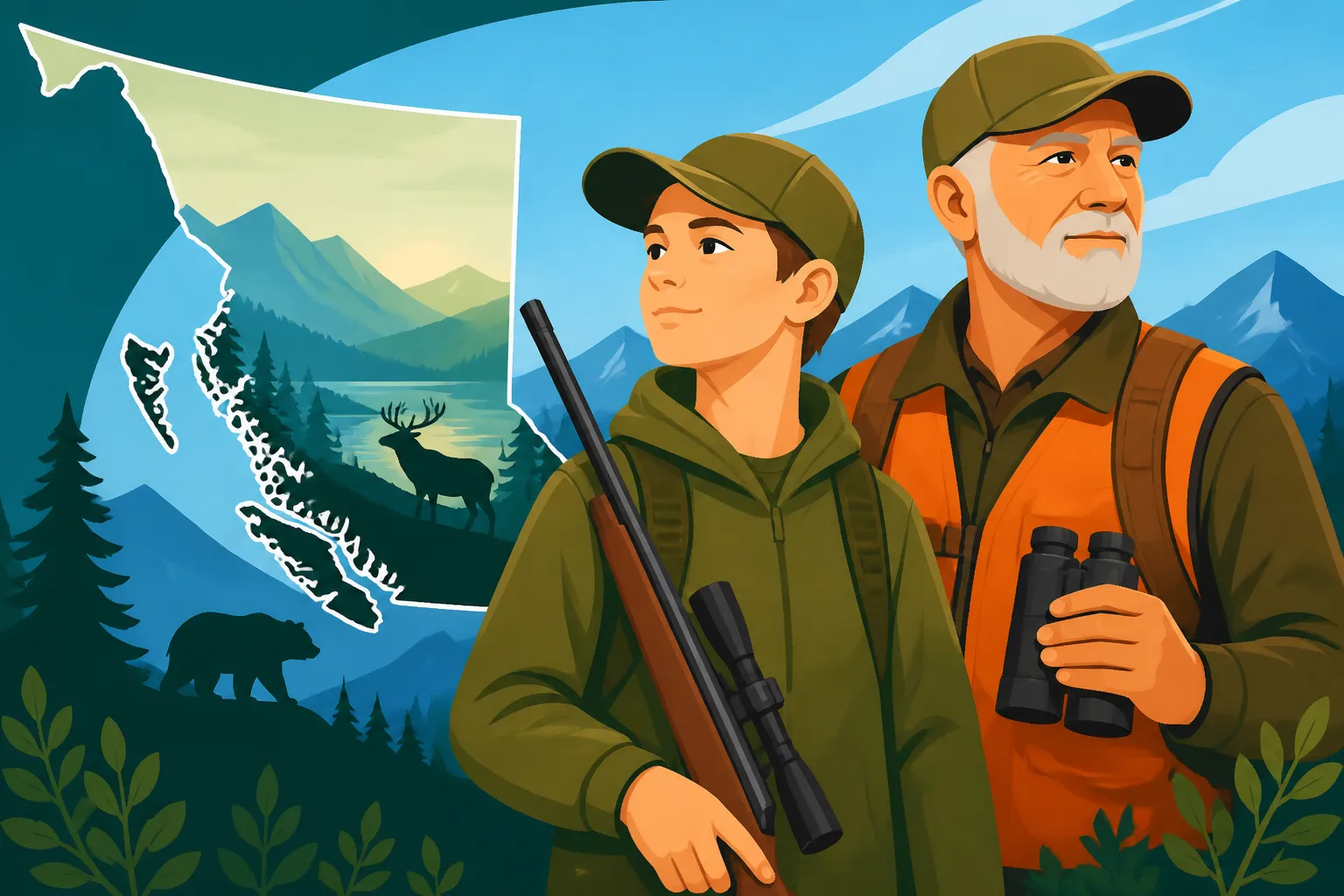
The collective participation of youth and senior hunters strengthens the overall hunting community in British Columbia. It fosters a sense of shared purpose and connection across generations. Picture a grandfather and his grandchild hunting together – the wisdom of experience blending with youthful enthusiasm, creating memories that span decades. This shared experience reinforces the values of patience, respect for nature, and self-reliance that are so central to hunting.
As hunting culture evolves, these demographic-specific programs also serve as important touchstones. They remind us that hunting is not just for one specific type of person but is an activity that can be adapted and enjoyed throughout a lifetime. By embracing and supporting hunters at all stages of life, British Columbia maintains a vibrant, engaged, and responsible hunting community. This commitment to inclusivity ensures that the benefits of hunting – from conservation funding to healthy recreation and cultural heritage – continue to enrich the province for generations to come.
Disclaimer
The information provided in this guide is for general informational purposes only and does not constitute legal advice. Hunting regulations in British Columbia are subject to change. Always consult the most current British Columbia Hunting and Trapping Synopsis, available on the BC government website, and refer to official provincial legislation before planning or undertaking any hunting activities. It is the hunter's responsibility to know and obey all applicable laws and regulations.