Drop Camps and Whether They Are Legal
One of the most appealing aspects of hunting in a wild place like British Columbia is the thought of escaping deep into the backcountry, far from roads and people. Many hunters dream of the self-reliance and raw adventure that a "drop camp" offers, but the legality of such ventures for non-residents in BC can be a confusing tangle of regulations. This guide is here to untangle that confusion, explain British Columbia's rules regarding remote camp hunts, and show you how you can still achieve that deep backcountry experience legally and safely.
Understanding "Drop Camps" in the Context of British Columbia Hunting
The term "drop camp" conjures images of being flown or packed into a remote location, left with your gear and supplies, and then picked up days or weeks later. It's an attractive proposition for those seeking solitude and a truly unassisted hunting experience. However, the legal definition and practical application of this concept in British Columbia, particularly for non-resident hunters, are often misunderstood.
What is a Traditional Drop Camp?
A traditional drop camp, as most hunters envision it, involves a transportation service taking a hunter (or a group of hunters) and their equipment to a remote area and leaving them there to hunt independently. The service provider then returns at a pre-arranged time to retrieve the hunters and their game. This method emphasizes self-sufficiency, requiring hunters to be fully responsible for their navigation, shelter, food, safety, and game care during the entire duration of their hunt. It's about being dropped off, fending for yourself, and proving your mettle in the wilderness.
In other jurisdictions, such services are often provided by air charter companies or horse packers who are licensed simply for transportation, not for guiding. The allure is that it's typically more affordable than a fully guided hunt, while still granting access to remote, unpressured areas. Hunters take on all the risks and rewards of a truly unassisted expedition, making their own decisions about where to hunt, how to stalk, and how to survive.
Why Hunters are Drawn to Drop Camps
The appeal of a drop camp is undeniable for a certain type of hunter. It speaks to a deep desire for raw adventure, self-reliance, and a genuine immersion in the wilderness. For many, the challenge of being solely responsible for their success and survival in a remote environment is the ultimate test of their hunting skills and bushcraft. It's often seen as a way to experience vast, untouched landscapes without the higher cost and structured itinerary of a fully guided trip.
Hunters drawn to drop camps are typically experienced individuals who value solitude and the quiet satisfaction of a self-earned harvest. They often have extensive backcountry experience, are comfortable with navigation, first aid, field dressing, and packing heavy loads over challenging terrain. The idea of getting away from road systems and crowded areas, and into country where game animals are less pressured, is a powerful motivator. This type of hunt offers a unique connection to the land and a profound sense of accomplishment.
The Legal Landscape: British Columbia's Stance on Drop Camps
Understanding British Columbia's hunting regulations is paramount, especially when it comes to non-resident hunters and their access to the province's vast wilderness. The rules regarding "drop camps" for non-residents are quite specific and often differ significantly from what hunters might experience in other regions.
Non-Resident Guiding Requirements in British Columbia
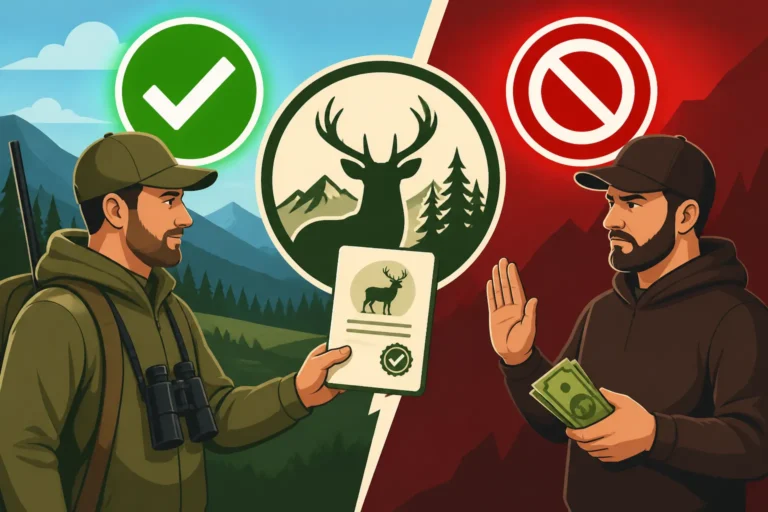
Here's the critical point: British Columbia law stipulates that non-residents must be accompanied by a licensed guide outfitter or by a resident hunter under a valid Permit to Accompany. This isn't a suggestion; it's a hard and fast rule designed to manage wildlife, ensure ethical hunting practices, and protect the province's valuable guiding industry. You cannot simply purchase a non-resident hunting license and head into the BC bush on your own, or be dropped off by a transport service without a guide or host present.
This fundamental requirement applies to all big game and some small game hunting. The licensed guide or resident host acts as the "responsible party" for the non-resident hunter during their entire hunt. They are not just there for transportation or advice; they are legally required to be actively involved in the hunting activity and physically present with the non-resident. This distinction is crucial when considering any form of remote hunting camp. If you're coming from out of province, it's vital to fully grasp the Rules for Non-Residents Hunting British Columbia before you even start planning.
The Specifics: What is Permitted and What Isn't?
Given British Columbia's strict guiding requirements for non-residents, the traditional "drop camp" model – where a non-resident hunter is simply left in the wilderness by a transport service and retrieved later – is generally not legal. The guide or resident host cannot just drop you off and pick you up; they must be with you for the duration of the hunt. This means sleeping in the same camp, hunting in the same general area, and being available to physically accompany the non-resident hunter at all times.
This regulation exists to ensure accountability and to prevent situations where non-residents might inadvertently violate hunting laws or face emergency situations without immediate support from someone knowledgeable about local conditions and regulations. The guide's presence is a legal necessity. So, if you’re a non-resident, a service that offers to just fly you in, leave you, and then collect you later, without a guide or resident host present, is operating outside of BC's regulations.
However, for residents of British Columbia, the situation is different. BC residents are absolutely permitted to set up their own drop camps, flying or packing into remote areas for unassisted hunts, provided they adhere to all other hunting regulations, obtain proper licenses and tags, and respect land access rules. This distinction often causes confusion for non-residents who hear about remote camping opportunities in the province.
Consequences of Non-Compliance
The penalties for violating British Columbia's hunting regulations, especially those pertaining to non-resident guiding requirements, are severe. For the non-resident hunter, illegal hunting can result in substantial fines, forfeiture of seized firearms and equipment, loss of hunting privileges (potentially for life, not just in BC), and criminal charges. Imagine travelling all that way, spending a significant amount of money, only to have your hunt cut short and face serious legal repercussions because you misunderstood or ignored the rules.
For any unlicensed individual or entity providing "drop camp" services to non-residents without proper guiding credentials, the consequences are even more dire. They could face hefty fines, property forfeiture, and even imprisonment for guiding without a license. Licensed guide outfitters who violate the terms of their license by not properly accompanying non-residents also face severe penalties, including revocation of their guide outfitter certificate and potential loss of their guiding territory. It's a risk simply not worth taking for anyone involved. Always ensure that any remote hunting experience you book aligns perfectly with the legal framework, or you could find yourself in a very difficult situation.
Practical Alternatives to Traditional Drop Camps for Non-Residents
While the traditional "drop camp" for non-residents isn't typically legal in British Columbia, that doesn't mean you can't experience an incredible, remote, and challenging hunt. Many outfitters have adapted their offerings to comply with regulations while still providing the deep backcountry adventure hunters crave.
"Semi-Guided" Hunts and Their Legality
A "semi-guided" hunt is often the closest legal alternative to a traditional drop camp for non-residents in British Columbia. In a semi-guided scenario, the outfitter still provides a licensed guide, but the level of direct assistance during the actual hunt itself is typically less intensive than a fully guided hunt. The guide might set up and maintain the camp, provide meals, help with game retrieval, and offer advice on hunting areas, but the hunter is expected to do more of the stalking, glassing, and decision-making independently.
The critical legal difference is that the guide is still present and available. They aren't just dropping you off and leaving. They are typically based in the same camp, or a nearby camp, and are actively supervising or accompanying the non-resident hunter, even if that means giving them space to hunt on their own within a reasonable distance. For example, a guide might drop you off at a specific ridge line in the morning and pick you up at night, or perhaps you're hunting different sides of a valley but still in regular communication and within reasonable proximity. This allows for a greater sense of independence while still fulfilling the legal requirement for a guide's presence. Understanding What a Semi-Guided Hunt Means Here is key to setting proper expectations.
Resident Host with a Permit to Accompany
Another perfectly legal and often more affordable way for a non-resident to experience a remote hunt in British Columbia is to be hosted by a resident hunter under a Permit to Accompany. This permit allows a qualified BC resident to host a non-resident hunter without the services of a licensed guide outfitter. The resident host must be a Canadian resident, at least 19 years old, hold a valid BC hunting licence, and have hunted in British Columbia for at least three of the past five years.
The key here, much like with a guided hunt, is that the resident host must actively accompany the non-resident hunter. They cannot simply drop off their non-resident friend and leave them to hunt alone. The host is responsible for ensuring the non-resident complies with all hunting regulations and must be physically present with them during all hunting activities. This setup can certainly facilitate a remote camp experience, where the resident and non-resident travel into the backcountry, set up a camp, and hunt together. It’s a fantastic way to access BC’s wilderness with a trusted local. To learn more about this option, check out Hunting British Columbia With a Resident Friend.
Finding Reputable Outfitters Offering Remote Experiences
If you're a non-resident looking for a remote hunting experience that complies with British Columbia's regulations, your best bet is to connect with reputable licensed guide outfitters who specialize in backcountry or spike camp hunts. These outfitters are well-versed in the legal requirements and can offer experiences that feel like a drop camp but always include the necessary guide presence.
Platforms like BookYourHunt or GoHunt can be excellent resources for finding outfitters who offer these types of remote packages. You can filter by species, region, and hunt style, looking specifically for "backcountry," "spike camp," "fly-in," or "horseback" hunts. These terms often indicate a hunt designed to get you deep into the wilderness, far from roads, providing that sense of solitude you're looking for, while still adhering to the required guide presence. When researching potential outfitters, don't hesitate to ask very specific questions about how they structure their remote camps, the guide-to-hunter ratio, and the proximity of the guide during hunting hours. This due diligence is crucial for Choosing the Right British Columbia Outfitter and ensuring a legal and enjoyable experience.
Planning a Legal Remote Camp Hunt in British Columbia
Successfully planning a legal remote camp hunt in British Columbia requires meticulous attention to detail, adherence to regulations, and clear communication with your chosen outfitter or resident host. It's about combining the spirit of self-reliance with the practicalities of operating within the law.
Researching Outfitters and Understanding Contracts
Once you've decided on the type of remote hunt you're after—whether it's a semi-guided backcountry trip with an outfitter or a resident-hosted adventure—thorough research is your next step. Don't just look at glossy brochures; delve into the specifics of what each outfitter or host truly provides. For outfitters, scrutinize their contracts and ask about every detail of their remote camp offerings. How many hunters per guide in a remote setting? What is the guide's role in daily hunting activities? Will the guide be in the same tent, or is there a separate camp for them nearby? These are crucial Questions to Ask Before Booking to ensure there are no misunderstandings about the guide's presence and involvement.
If you're going with a resident host, make sure both of you fully understand the responsibilities associated with the Permit to Accompany. The resident is legally liable, so clear communication about expectations, costs, and the hunting plan is essential. Always get everything in writing where possible, even if it's an agreement with a friend, to avoid any disputes or confusion down the line.
Essential Gear for Remote BC Hunts
Even with a guide or host present, remote British Columbia hunts demand a high degree of self-sufficiency from the hunter. You'll be far from immediate assistance, and the weather and terrain can be unforgiving. Your gear selection is critical. Think about multi-layer clothing systems that can handle extreme temperature swings and sudden downpours, durable and broken-in hiking boots suitable for steep and rugged terrain, and a reliable backpack capable of carrying heavy loads.
Beyond personal gear, consider group essentials. Navigation tools like a GPS and paper maps are vital, even if your guide has them. A comprehensive first-aid kit, emergency shelter, fire-starting supplies, and reliable water purification methods are non-negotiable. Perhaps most importantly, robust communication devices are a must. Cell service quickly disappears once you leave the main roads, so a satellite messenger or satellite phone is essential for emergency contact. For more on this, look into Satellite Communication on a Remote Hunt. Being prepared physically and with the right equipment will not only make your hunt safer but also more enjoyable.
Understanding the Logistics: Access, Retrieval, and Emergency Plans
The logistics of a remote hunt are far more complex than a roadside hunt. How will you get into camp? Many remote camps in British Columbia are accessed via bush plane (float plane or wheeled), helicopter, horseback, or jet boat. Each method has its own challenges and weight restrictions. Discuss these details thoroughly with your outfitter or host. Will the plane drop you right at camp, or will there be a significant hike in? If using horses, how much gear can you bring? Information on methods like Jet Boat Access on British Columbia Rivers or Horseback Hunting British Columbia's Backcountry can give you an idea of what to expect.
Next, consider game retrieval. If you harvest an animal deep in the backcountry, what's the plan for packing it out? This is where your guide's or host's experience, and their resources (like extra horses or a more robust pack frame), become invaluable. You need a clear understanding of how meat will be cared for and transported back to civilization.
Finally, and perhaps most importantly, establish a clear emergency plan. What happens if someone gets injured, or there's a medical emergency? What if the weather prevents your scheduled pick-up? Who is the emergency contact? How will communication be established? Having a well-defined Emergency Planning in British Columbia's Backcountry protocol in place provides peace of mind and is a critical component of any responsible remote hunting trip.
| Feature | Traditional "Drop Camp" (Non-Resident) | "Semi-Guided" Camp (Non-Resident) | Resident-Hosted Camp (Non-Resident) |
|---|---|---|---|
| Legality in BC | Generally Illegal | Legal (with licensed guide present) | Legal (with qualified resident host present) |
| Guide Presence | None after drop-off | Guide present in/near camp, provides support | Resident host present, actively involved |
| Independence | Maximum | High degree, but with guide backup | High degree, but with host participation |
| Responsibility | Hunter fully responsible | Shared with guide | Shared with resident host |
| Access | Transportation service only | Outfitter arranges transport & guide | Resident host arranges transport & guides |
| Cost | Lower (if legal) | Moderate to high | Variable, often lower than guided |
| Typical User | Experienced, self-reliant hunter | Seeks remote experience with some support | Hunting with a trusted BC resident friend |
Disclaimer
This article is for general informational purposes only and does not constitute professional advice. Laws, prices and regulations vary by location and change over time. Consult a qualified professional for guidance on your specific situation.