Accessible Hunts for Hunters With Disabilities
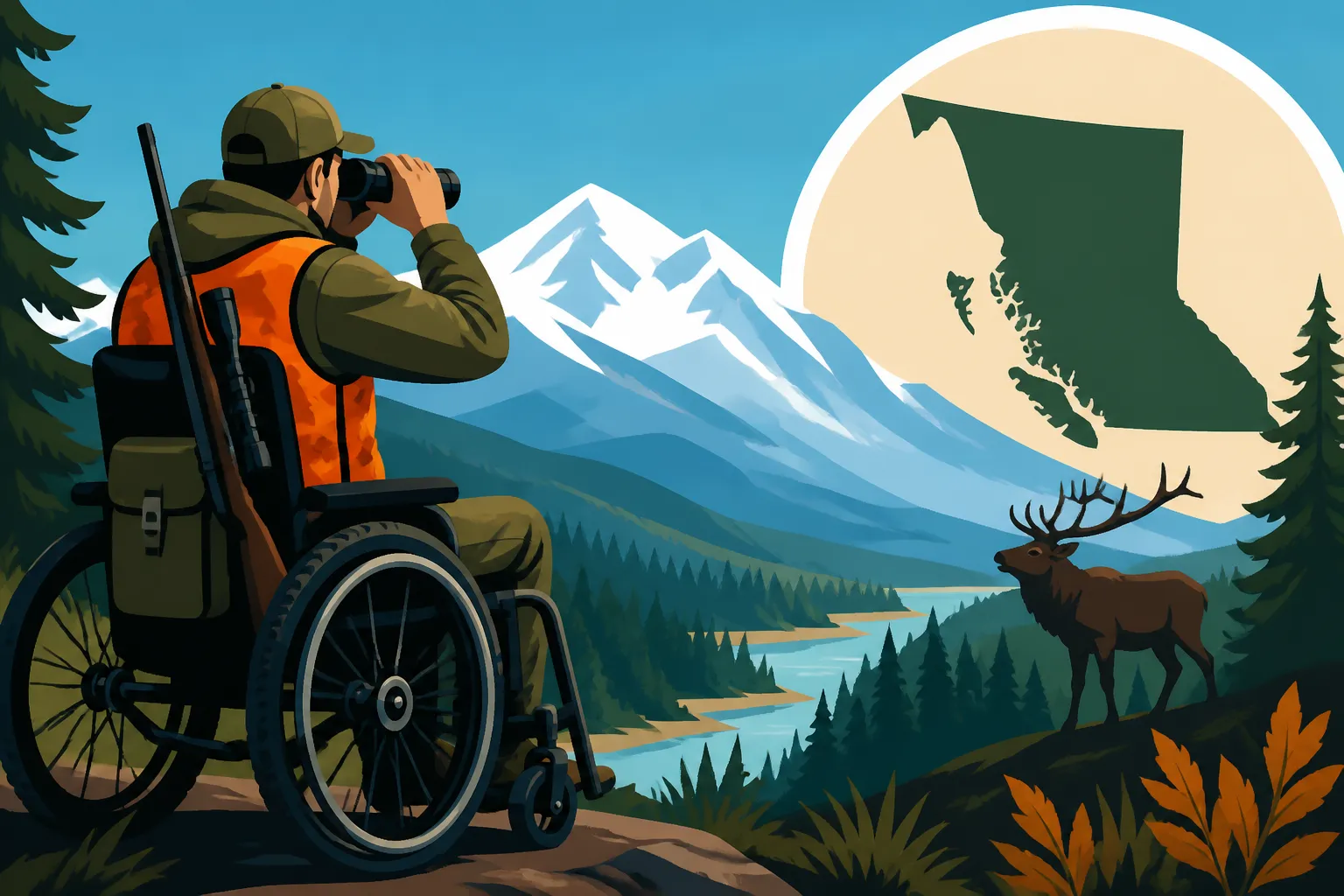
Hunting in British Columbia is an experience like no other, but for hunters living with disabilities, the dream of pursuing game in our rugged and beautiful landscapes can often feel out of reach. The challenges are real, from navigating steep terrain and dense forests to finding appropriate transportation and suitable hunting blinds. This guide aims to shed light on the options, resources, and strategies available to make British Columbia's incredible hunting opportunities more accessible, ensuring that the passion for the outdoors can be enjoyed by everyone.
Understanding the Landscape: Challenges and Opportunities in BC
British Columbia's diverse terrain is both its greatest allure and its most significant hurdle for accessible hunting. From the dense rainforests of the coast to the steep mountains of the Interior and the vast, often roadless North, the physical demands of traditional hunting can be immense. However, with growing awareness, technological advancements, and dedicated support, new doors are opening.
The Realities of British Columbia's Rugged Terrain
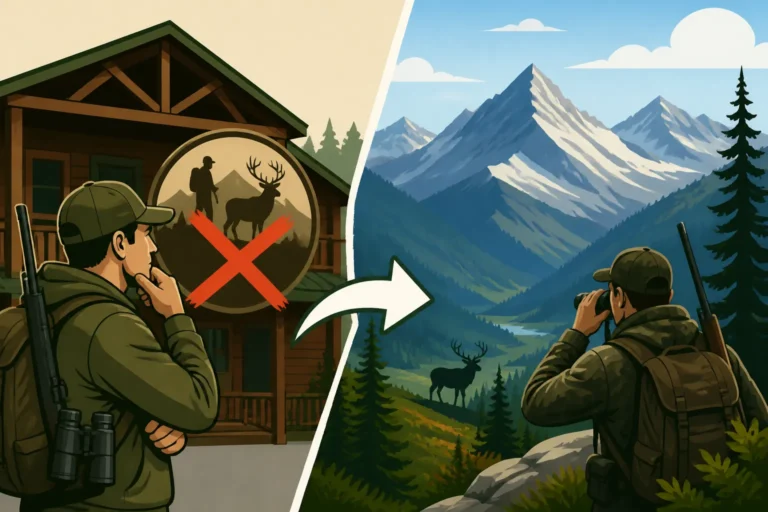
When you picture hunting in British Columbia, you likely imagine vast wilderness, towering peaks, and remote valleys. While breathtaking, this also means uneven ground, thick underbrush, steep inclines, and deep snow in higher elevations or later seasons. For hunters with mobility challenges, this presents obvious difficulties. A typical spot-and-stalk mule deer hunt in the Okanagan breaks, for instance, might involve miles of hiking over rocky slopes and through sagebrush. Similarly, chasing a blacktail buck through Hunting a Second-Growth Timber Block on Vancouver Island can mean scrambling over logs and navigating slick, wet ground. The sheer physical effort required can be a significant barrier, leading to frustration and the feeling that a true wilderness hunt is impossible. It’s a reality that often dampens spirits before the hunt even begins.
How Technology and Awareness Are Opening Doors
Despite the inherent difficulties, the hunting community and industry are slowly but surely evolving. Advancements in adaptive equipment are making a huge difference. Think about specialized, all-terrain wheelchairs, electric side-by-sides designed for off-road travel, or even custom shooting rests that provide stability for those with limited upper body strength. These tools, while an investment, can dramatically expand a hunter's reach. Beyond gear, there's a growing understanding among outfitters and fellow hunters that accessibility isn't just about ramps; it's about thoughtful planning, flexible approaches, and a willingness to adapt the hunt to the individual. Organizations and individuals are working to create more inclusive experiences, moving beyond a one-size-fits-all approach to hunting.
Navigating Regulations and Permits for Accessible Hunting
Understanding the specific rules and regulations is paramount for any hunter in British Columbia, and it takes on even greater importance when seeking accessible hunting opportunities. While British Columbia doesn't have a broad, all-encompassing "disabled hunter" license that grants blanket exceptions, there are specific permits and considerations that can make a hunt feasible.
British Columbia's Specific Permits and Rules
Unlike some jurisdictions that offer a general "disabled hunter" designation with certain privileges, British Columbia operates on a more case-by-case basis when it comes to accommodations. The primary avenue for specific assistance is often through a British Columbia Disabled Hunter Permits. These permits, which require a physician's certificate, can allow for certain deviations from standard hunting regulations, such as the use of a vehicle on roads typically restricted to foot traffic or specific assistance with retrieving game. It’s crucial to understand that these aren't automatic; they are assessed based on individual need and specific circumstances. The application process requires thorough documentation and clear communication with the provincial authorities. Always consult the most current British Columbia Hunting and Trapping Synopsis, as regulations can change, and any application must align with the current legal framework.
Understanding Vehicle Access and Restrictions
Vehicle access is often a critical component of accessible hunting, especially in British Columbia where many prime hunting areas are accessed via extensive British Columbia's Forest Service Road Network. However, many of these roads, particularly those leading into sensitive wildlife habitat or active logging operations, are seasonally or permanently deactivated, gated, or subject to specific restrictions on motorized vehicle use. Without a special permit, adhering to these rules is mandatory.
A disabled hunter permit, if granted, might allow for the use of a vehicle on roads that are otherwise closed to general public motor vehicle traffic for hunting purposes. This can be a game-changer, enabling access to areas that would otherwise be completely inaccessible. For example, being able to drive down a deactivated logging road to a productive clearcut edge for deer or a marshy area for moose can dramatically open up possibilities. However, even with a permit, responsible use is paramount. You're still expected to minimize disturbance, adhere to safety protocols, and respect the land.
Finding and Preparing for Accessible Hunting Experiences
Once you understand the regulatory landscape, the next step is finding the right opportunities and preparing for them. This involves research, communication, and often, collaborating with others who have experience in accessible hunting.
Researching Accessible Areas and Species
The first step in planning an accessible hunt is diligent research. Not every management unit (MU) or every species will lend itself equally well to an accessible hunt. For instance, chasing mountain goats in British Columbia's alpine country, a notoriously physically demanding endeavor, might be extremely challenging, even with adaptations. Conversely, hunting for black bear in a coastal estuary in May or hunting moose on a cutblock edge might present more viable options, especially if vehicle access is permitted or a boat can be utilized.
Online resources can be invaluable. Websites like GoHunt offer detailed mapping tools and information that can help you scout potential areas from home, identifying flatter terrain, areas with existing road networks (even if deactivated), or proximity to water access points. Look for MUs that are known for good populations of a target species and also have less extreme topography. Don't be afraid to reach out to local rod and gun clubs or online hunting forums; fellow hunters often have firsthand knowledge of accessible spots or can share experiences from their own accessible hunts. They might know about a specific Hunting a British Columbia River Estuary that can be accessed by boat or a particular Hunting an Interior Douglas Fir Bench with easier terrain.
Specialized Equipment and Adaptations
Successful accessible hunting often hinges on the right equipment. This goes beyond your rifle or bow and extends to mobility aids, specialized shooting setups, and even communication devices.
| Equipment Category | Examples & Purpose |
|---|---|
| Mobility Aids | All-terrain wheelchairs (manual or electric) for navigating uneven ground; tracked chairs for snow or mud; modified ATVs/UTVs with hand controls; ramps for vehicle access. These aim to expand your range beyond paved roads or short distances. |
| Shooting Adaptations | Specialized shooting rests and tripods that provide stable support from various positions (seated, prone, from a vehicle); adaptive triggers for those with limited hand dexterity; mouth-controlled triggers (for extreme cases). Focus on stability and precision. |
| Vehicle Adaptations | Hand controls for vehicles; lift systems for wheelchairs into trucks or SUVs; portable track systems for tires to gain traction in soft ground. Essential for maximizing legal vehicle access. |
| Communication/Safety | Satellite messengers or phones for remote areas where cell service is non-existent (e.g., Satellite Communication on a Remote Hunt); GPS units for navigation; signaling devices. Critical for safety and coordination, especially when hunting with an assistant. |
| Comfort/Endurance | Specialized seating for extended periods; insulated clothing that is easy to put on/take off; accessible blinds or ground shelters that accommodate mobility devices. Maintaining comfort is key to endurance. |
Investing in or adapting gear can be a significant undertaking, but it’s an investment in your hunting future. Many of these items are custom-made or require professional installation, so research and planning are crucial. Consider renting certain items for a trial run before committing to a purchase.
Working with Outfitters and Support Systems
For many hunters with disabilities, the expertise and resources of a professional outfitter or a dedicated hunting partner are not just helpful—they are absolutely essential. They can bridge gaps in access, equipment, and knowledge that would otherwise be insurmountable.
The Role of a British Columbia Outfitter
British Columbia guide outfitters are often the key to unlocking truly unique and accessible hunting experiences, especially for non-residents, who require a Why Non-Residents Need a Guide in British Columbia. But even for residents, a reputable outfitter can be an invaluable asset. They often operate within specific British Columbia's Guide Outfitter Territories, meaning they have intimate knowledge of the terrain, game movements, and access points within their designated area.
When looking for an outfitter, it's vital to be upfront about your specific needs and limitations. Ask direct questions:
- Have they guided hunters with similar disabilities before?
- What adaptive equipment do they have or can they source?
- What kind of terrain can they access with a client using a wheelchair or other mobility aid?
- Do they have accessible camps or lodges?
- What is their plan for game recovery and packing out in challenging terrain?
Websites like BookYourHunt can be a good starting point for finding outfitters, but always follow up with direct conversations and ask for references. A good outfitter will be transparent about what they can and cannot accommodate. They might specialize in Booking a British Columbia Bear Hunt from a boat on the coast, or have specific vehicles for Horseback Hunting British Columbia's Backcountry that can be adapted for limited mobility. The goal is to find an outfitter who sees your disability as a challenge to overcome, not a roadblock. Don't be afraid to call multiple outfits to find the right fit; finding someone with experience and a willingness to tailor the hunt is crucial.
The Power of a Hunting Partner or Permit to Accompany
While an outfitter provides professional services, often the most profound hunting experiences are shared with friends and family. For hunters with disabilities, a reliable hunting partner isn't just company; they are a critical support system. They can assist with navigation, carrying gear, tracking game, and providing physical assistance when needed. Clear communication about roles, expectations, and safety is essential.
British Columbia also has a specific mechanism for residents to assist non-resident hunters: the British Columbia's Permit to Accompany. This permit allows an eligible BC resident to accompany and assist a non-resident hunter, effectively acting as a guide, though they cannot charge for their services. For a non-resident hunter with a disability, arranging for a trusted resident friend or family member to obtain a Permit to Accompany can open up many more opportunities. The resident must be a British Columbia resident for at least two years, hold an appropriate hunting licence, and complete the application process. This arrangement requires significant planning and trust, but it can create deeply personal and memorable hunts, offering a level of support and understanding that is hard to replicate. Whether it's a friend or a family member, having that dedicated support system is truly invaluable.
Planning for Success: Logistics and Mindset
Planning an accessible hunt requires meticulous attention to detail and a robust mental approach. It's about being prepared for every eventuality and maintaining a positive, adaptable attitude.
Pre-Hunt Preparation and Contingency Planning
Every hunt requires planning, but an accessible hunt often demands an even greater level of detail. Think about every step of the journey, from getting to the hunting area to packing out your game.
- Medical Considerations: Ensure all medical supplies, medications, and emergency contacts are readily available and shared with your hunting party or guide. Have a clear emergency plan, especially in remote areas where Emergency Planning in British Columbia's Backcountry is essential.
- Logistics: Confirm vehicle access routes, potential obstacles, and alternative plans. What if a road is unexpectedly washed out? What if a piece of adaptive equipment fails? Having backups or contingency plans for transportation, gear, and even communication is vital.
- Physical and Mental Conditioning: While physical limitations are inherent, maintaining the best possible physical condition within your abilities is always beneficial. Equally important is mental fortitude. Hunting can be challenging, and accessible hunting adds another layer of complexity. Patience, adaptability, and a strong positive mindset will be your greatest assets.
- Realistic Expectations: Go into the hunt with realistic expectations about success rates and the overall experience. The goal should be to enjoy the outdoors, participate in the hunt, and create lasting memories, regardless of whether you punch a tag.
Embracing the Journey: More Than Just the Harvest
Ultimately, accessible hunting in British Columbia, like all hunting, is about more than just the harvest. It's about connecting with nature, pushing personal boundaries, and sharing experiences with others. The challenges might be greater, and the planning more intricate, but the rewards—the crisp mountain air, the quiet anticipation, the camaraderie—are just as profound. By leveraging available resources, understanding the regulations, and partnering with supportive individuals or outfitters, the vast and wild beauty of British Columbia can indeed become your hunting ground. The journey itself, overcoming obstacles and immersing yourself in the wilderness, is often the greatest trophy of all.
Disclaimer
This article is for general informational purposes only and does not constitute professional advice. Laws, prices and regulations vary by location and change over time. Consult a qualified professional for guidance on your specific situation.