Red Flags in an Outfitter’s Website
It’s an exciting time when you're dreaming up your next hunting adventure, especially if it involves the vast and wild landscapes of British Columbia. You spend hours poring over stunning photos, imagining yourself in the mountains or along a coastal estuary. But let's be real, the internet is a double-edged sword when it comes to booking these trips. While it opens up a world of possibilities, it also makes it easier for less-than-reputable operations to put on a good show. This guide is here to help you cut through the marketing fluff and spot the red flags on an outfitter's website, ensuring your hard-earned money and precious vacation time lead to a memorable experience, not a frustrating disappointment.
The Lure of the Perfect Hunt: Why Scrutiny Matters
We’ve all been there: scrolling through gorgeous photos of massive bulls or rams, picturing ourselves in that exact moment. The romance of the hunt is powerful, and it's something many outfitters capitalize on. But British Columbia hunting isn't just a casual weekend trip; it's often a significant financial investment, a year or more in planning, and a deep emotional commitment. That makes choosing the right outfitter absolutely critical.
Emotional Investment and High Stakes
Think about it: you're not just buying a product off a shelf. You're investing in an experience, a dream, often a once-in-a-lifetime opportunity for a species like Stone's sheep or a big British Columbia bull moose. The stakes are incredibly high. The thought of arriving at camp only to find a disorganized operation, unqualified guides, or even worse, a completely fraudulent setup, is enough to make any hunter's stomach churn. We understand that feeling of vulnerability, wanting to trust but needing to verify. It's why doing your homework upfront, especially on an outfitter's website, is so vital. This isn't just about saving money; it's about protecting your hunting dreams.
The Digital Facade: What Websites Can Hide
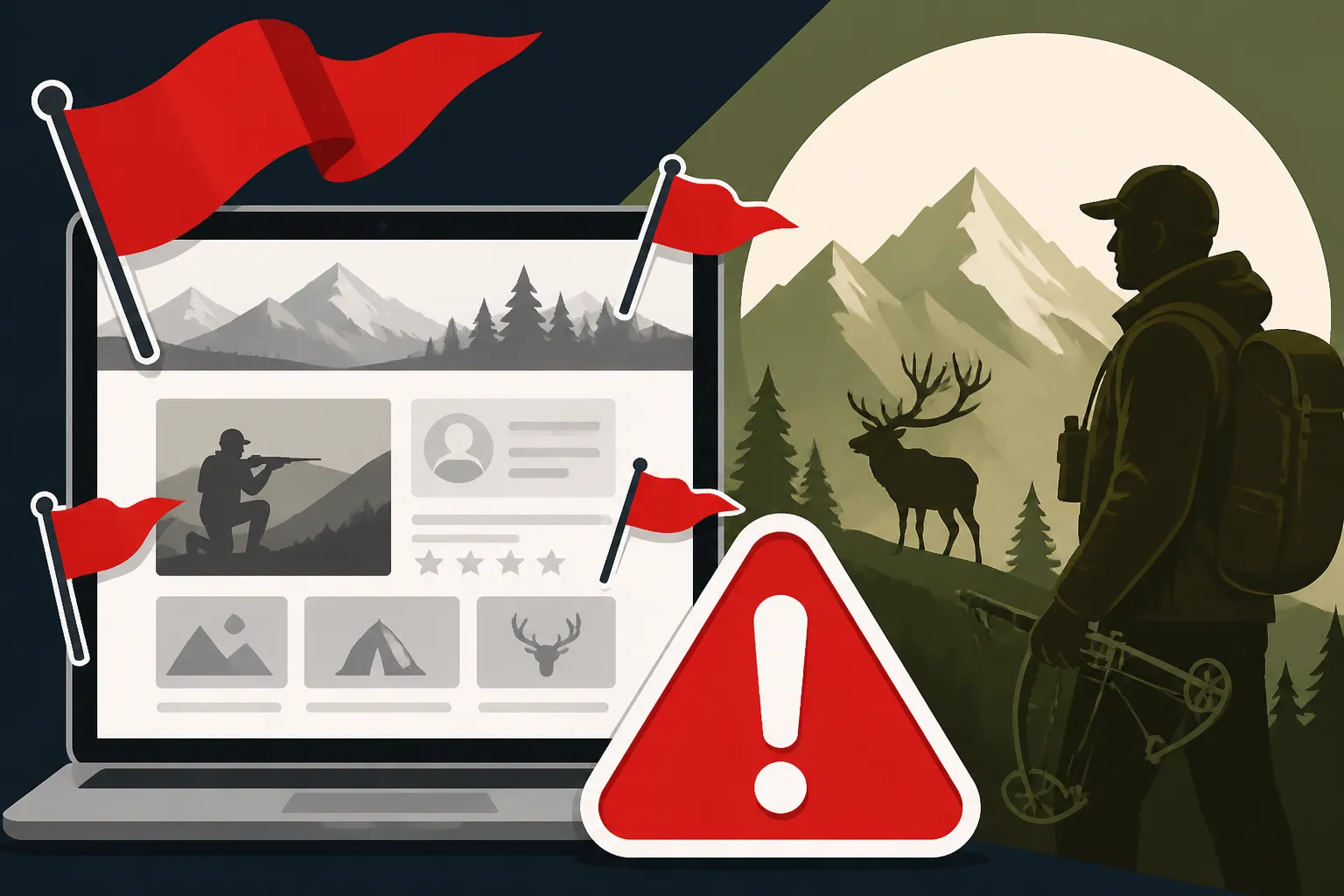
In today's digital age, anyone can set up a slick-looking website. Professional templates are readily available, and stock photography can make even the shadiest operation appear legitimate. A beautiful website with high-resolution images of majestic Mule Deer Across British Columbia's Interior or Moose in British Columbia's Interior and North can create an illusion of grandeur and professionalism that might not reflect reality. It’s important to remember that a visually appealing site doesn't automatically equate to a well-run, ethical guiding business. They can use generic images that don't even depict British Columbia, or show animals that aren't actually in their territory. The internet makes it far too easy for someone to project an image that's far from the truth, so learning to look past the pretty pictures is your first line of defence.
Obvious Red Flags: What to Spot Immediately
Some red flags are pretty blatant once you know what to look for. These are the big, flashing warning signs that should make you pause and dig much deeper, or simply walk away.
Vague or Missing Information
One of the biggest indicators of a potentially problematic outfitter is a website that's just too vague. A professional, legitimate outfitter will provide clear, concise details about their operations. This includes specific hunting areas, species offered, season dates, hunt durations, and what's included in the price. If you find yourself repeatedly asking basic questions that should be readily available on their site, that's a red flag. For example, if they talk about "elk hunting" but don't specify if it's for Roosevelt and Rocky Mountain Elk in British Columbia or even which region of BC, that's a problem.
Information You Should Always Find vs. Common Red Flag Omissions
| Category | What You Should See | Common Red Flag Omissions |
|---|---|---|
| Species & Tags | Specific species offered (e.g., "Rocky Mountain Elk"), bag limits, antler restrictions (e.g., "6-point or greater"). | Generic "big game hunts," no mention of specific regulations like British Columbia's Four-Point Antler Restriction. |
| Season Dates | Exact season opening and closing dates for each species. | "Fall hunts available," "prime dates in October." |
| Location | Management Units (MUs) or at least the specific region (e.g., "Kootenay Region"). | "Remote BC wilderness," "our vast territory." |
| Inclusions | Clear list: food, lodging, guides, field prep, transport. | "All-inclusive package," no itemized list. |
| Exclusions | Clear list: licences, tags, tax, flights, gratuities, meat processing, trophy care. | No mention of exclusions, implies everything is covered. |
| Contact Info | Phone number, email, physical address. | Only a generic contact form, no direct contact. |
When an outfitter doesn't provide this basic, essential information, it makes you wonder what else they're not telling you. It could indicate disorganization, a lack of experience, or even a deliberate attempt to be evasive. Any reputable guide knows that hunters need these specifics to make informed decisions and plan effectively. They should also be able to explain things like British Columbia's Compulsory Reporting Rules or specific tag requirements clearly.
Unrealistic Success Rates and Guaranteed Harvests
This is a classic. If an outfitter claims a "100% success rate" or "guarantees a harvest," run, don't walk. Hunting is, by its very nature, unpredictable. Weather, animal movement, hunter skill, and sheer luck all play huge roles. No ethical outfitter can truthfully guarantee a kill, especially for challenging species in vast areas like British Columbia. They can promise effort, good equipment, knowledgeable guides, and access to prime territory, but never a kill.
When you see such a claim, it tells you one of two things: either they are outright lying to attract clients, or they are operating in such a way that it borders on unethical (e.g., hunting fenced areas, which is not permitted in BC, or baiting tactics that might be illegal or frowned upon for certain species). Look instead for transparency regarding past success rates—often expressed as a percentage of opportunities or animals harvested, not a 100% guarantee. A good outfitter will tell you about the challenges, the work involved, and the thrill of the chase, even if it doesn't always end with an animal on the ground. Be particularly wary if these claims are made for highly sought-after species like British Columbia's Wild Sheep and Where They Live or large Rocky Mountain Elk in British Columbia.
Pressure Tactics and "Limited Time" Offers
Another red flag is aggressive sales tactics. If an outfitter's website or their communication immediately pressures you to book with "limited spots remaining" or "exclusive, never-to-be-repeated offers," be cautious. While popular dates do book up quickly, especially for prime season British Columbia Big Game Season Dates, reputable outfitters understand that hunters need time to research, ask questions, and make a significant decision.
High-pressure sales often indicate that the outfitter is struggling to fill spots, perhaps due to a poor reputation, or they are trying to rush you into a commitment before you can properly vet them. They might try to create a false sense of urgency, urging you to put down a deposit before you've even had a chance to confirm their licensing or talk to references. A genuine opportunity will still be there after you've done your due diligence. Take your time, ask the questions, and don't let anyone push you into a decision you might regret. Platforms like BookYourHunt often show availability, but legitimate urgency is different from manufactured pressure.
Subtle Red Flags: Reading Between the Lines
Beyond the obvious, there are more subtle clues on an outfitter's website that can hint at potential problems. These require a bit more digging and critical thinking.
Generic Photos and Outdated Content
Pay close attention to the visual elements. Are the photos on the website truly representative of British Columbia hunting? Or do they look like generic stock images? Sometimes, you might even spot animals or landscapes that are clearly not from BC at all. Look for photos featuring actual clients, guides, and recognizable British Columbia terrain. If all the pictures are perfectly staged trophy shots that look like they came from a magazine, without any context of the actual hunt or environment, that's a yellow flag.
Similarly, check the freshness of the content. Does the website have a blog or news section? If so, when was it last updated? If the "latest news" is from three years ago, or they're still talking about past British Columbia Rule Changes This Cycle as if they just happened, it suggests a lack of attention to detail, a stagnant business, or an outfitter who isn't actively engaged with their online presence. An out-of-date site might also indicate that their operations themselves are not current or well-maintained. Look for recent hunting reports, updated photos, and current information on seasons and tags like British Columbia's Two-Year Regulations Synopsis.
Lack of Professional Affiliations or Licensing Details
In British Columbia, guiding is a regulated industry. Every legitimate outfitter will be licensed and should proudly display their affiliations. The primary association for ethical, professional guides here is the Guide Outfitters Association of British Columbia (GOABC). If an outfitter's website makes no mention of being a member of the GOABC, or doesn't provide any information about their specific guiding license or territory certificate, that's a significant red flag.
These affiliations and licenses aren't just for show; they signify that the outfitter adheres to certain standards of ethics, safety, and business practice. They are accountable. Furthermore, non-residents hunting big game in British Columbia are generally required to hunt with a licensed guide or under a British Columbia's Permit to Accompany. If the outfitter doesn't explain this critical detail or even mention why non-residents need a guide, it's a major oversight. Look for clear statements about their license number, their adherence to provincial regulations, and their commitment to sustainable hunting practices. A professional guide will also understand local nuances, such as British Columbia's Four-Point Antler Restriction or how to deal with specific wildlife concerns like Bear Safety While Hunting in British Columbia.
Poor Communication and Unprofessional Responses
This isn't strictly a "website" red flag, but how an outfitter communicates via their website (e.g., through contact forms) and subsequent emails or phone calls can be very telling. If you send an inquiry and it takes weeks to get a response, or the response is short, unhelpful, or even rude, consider it a serious warning.
A reputable outfitter will be prompt, professional, and thorough in their communication. They should be eager to answer your questions, provide additional details, and build a relationship with you. Evasive answers, conflicting information, grammatical errors, or an unwillingness to get on the phone are all signs that the operation might be disorganized, unprofessional, or attempting to hide something. Your initial interactions are a preview of what your entire hunt experience might be like. If they can't manage simple communication during the booking phase, imagine the challenges once you're in a remote camp.
Financial and Booking Red Flags
Money matters are often where true colours show. Be extremely vigilant when it comes to pricing, payment methods, and cancellation policies.
Unclear Pricing Structures and Hidden Fees
You know how it goes: you see an attractive price, but then a dozen "additional fees" pop up. A transparent outfitter will provide a clear, itemized breakdown of what their What a British Columbia Guided Hunt Costs includes and, just as importantly, what it doesn't include. Red flags appear when the pricing is vague, or you have to dig deep to find mention of significant additional costs.
Are species licenses and tags included? What about the British Columbia Resident Hunting Licence Cost for residents, or What Non-Residents Pay for a British Columbia Licence for non-residents? Is there a habitat conservation surcharge? What about taxes, meat processing, trophy preparation, or transportation from the nearest airport to the camp? What about gratuities for guides and camp staff? If these aren't clearly laid out, you could be hit with a hefty bill you weren't expecting. Always ask for a detailed quote that outlines every single potential cost you might incur from the moment you leave home until your trophy (and meat) arrives back. This is especially crucial if you're looking at specific premium hunts like British Columbia's Wild Sheep and Where They Live.
Demanding Full Payment Upfront or Unusual Payment Methods
While most outfitters require a deposit to secure your booking, demanding full payment upfront, especially a year or more in advance, without any staggered payment plan, is a major red flag. Ethical outfitters typically require a deposit (often 25-50%) and then the remaining balance closer to the hunt date. This structure protects both parties and ensures the outfitter is still motivated to provide a quality experience right up until your arrival.
Additionally, be wary of unusual payment requests. If an outfitter only accepts wire transfers, cash, or insists on payment methods that offer no buyer protection, that's a huge warning sign. Credit card payments, or payments through established booking platforms like BookYourHunt, offer a layer of security and recourse if something goes wrong. If an outfitter is unwilling to accept standard, traceable payment methods, they might be trying to avoid accountability. Protect your financial investment by ensuring your payments are made through secure, transparent channels.
Vague or Non-Existent Cancellation Policies
Life happens. Sometimes plans change, and you might need to cancel or reschedule a hunt. A professional outfitter will have a clear, written cancellation and refund policy readily available on their website or in their booking contract. This policy should detail deposit refundability, deadlines for cancellation, and options for rescheduling or transferring your hunt.
If there's no mention of a cancellation policy, or if it's extremely vague (e.g., "deposits are non-refundable" with no further explanation or flexibility), that's a red flag. It shows a lack of transparency and a potential unwillingness to work with clients if unforeseen circumstances arise. You should understand exactly When Deposits Are Due and Whether They Refund and what your options are before you commit. A good outfitter will understand that sometimes things beyond your control happen, and while they might not offer full refunds for late cancellations, they should at least have a clear policy for how they handle such situations, perhaps offering credit for a future hunt or allowing you to find a replacement hunter.
Ultimately, booking a British Columbia hunting trip is a big decision, and you deserve peace of mind that you're dealing with a legitimate and professional operation. By learning to identify these red flags, both obvious and subtle, you can significantly reduce your risk of a negative experience. Do your homework, ask the tough questions, and don't be afraid to walk away if something doesn't feel right. After all, the wild lands of BC hold incredible adventures, and you want to ensure your chosen outfitter helps you experience them to the fullest. You can also research outfitters through resources like the Guide Outfitters Association of British Columbia, and look for their registration details. Tools like GoHunt or other reputable hunting forums can sometimes offer real-world reviews, but always cross-reference. Happy hunting!
Disclaimer
This article is for general informational purposes only and does not constitute professional advice. Laws, prices and regulations vary by location and change over time. Consult a qualified professional for guidance on your specific situation.