Whether a Guide Can Work Outside Its Territory
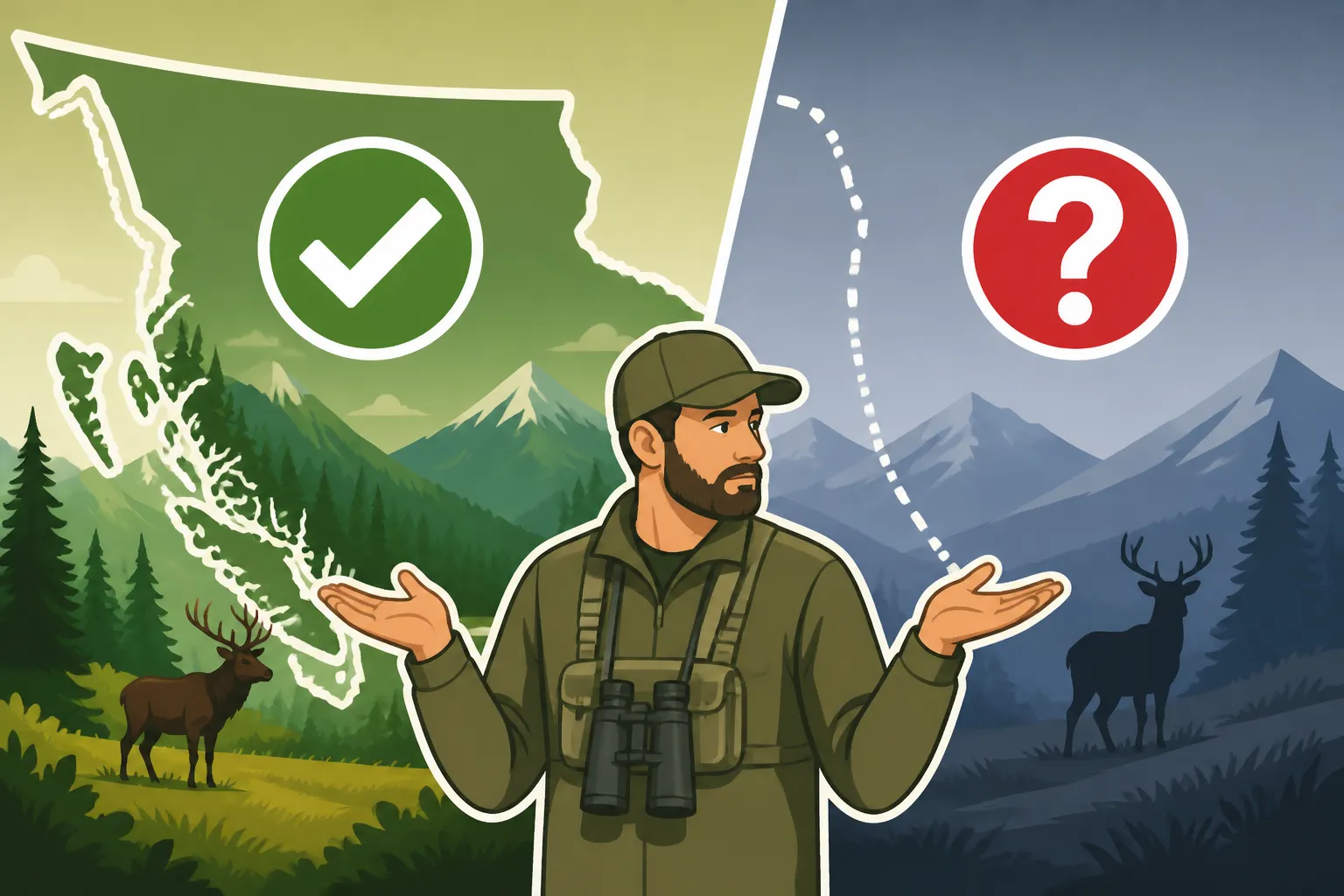
One of the most common questions, and often a source of confusion for hunters looking to explore the incredible wilderness of British Columbia with a professional, revolves around the boundaries a guide can operate within. It's not uncommon to hear stories or misunderstandings about guides taking clients wherever the game might be, but the reality is much more structured and legally defined. This guide is here to untangle that knot, explaining precisely whether a licensed British Columbia guide can work outside their assigned territory, and what that means for your hunting adventure.
Understanding British Columbia's Guide Outfitter Territories
British Columbia's hunting landscape is unique, not just in its vastness and diverse species, but also in how it manages its guiding industry. Unlike some other jurisdictions, guiding in BC is tightly regulated, with a system built around "Guide Outfitter Territories." This system is in place for very good reasons, primarily to ensure sustainable wildlife management, maintain high standards for professional guiding, and provide a clear framework for both outfitters and hunters.
The Fundamental Rule: Territory Bound by Law
At its core, the rule is simple and unwavering: a licensed British Columbia guide outfitter cannot legally work outside of their specifically assigned guiding territory when providing services to a non-resident hunter. Each outfitter holds a Certificate of Approved Guiding Territory, which is essentially their legal permit to operate within a designated geographic area. This certificate outlines the precise boundaries where they are authorized to guide, and often specifies the species they are permitted to hunt within that area.
Think of it like a property deed for guiding services. Just as you can't build a cabin on your neighbour's land without permission, a guide cannot take a paying client outside the boundaries defined by their certificate. This isn't just a suggestion; it's a fundamental pillar of how guiding is regulated in British Columbia. The province has invested heavily in creating and maintaining these boundaries, and they are enforced rigorously. British Columbia's Guide Outfitter Licensing Rules are very clear on this.
The purpose of these territories is multifaceted. They are crucial for wildlife conservation, allowing for localized management of game populations and hunting pressure. They also ensure that outfitters have an economic stake in managing their areas responsibly, fostering a long-term commitment to the health of the ecosystem and the quality of the hunting experience. For a deep dive into the specifics, you can always consult official resources to see What a Guiding Territory Certificate Is.
Why These Boundaries Matter for Hunters
For you, the hunter, these strict boundaries have significant implications. First and foremost, they dictate where you can legally hunt with your chosen outfitter. If you've booked a moose hunt, for example, and the outfitter's territory is known for big moose, you can rest assured that your hunting efforts will be concentrated within those productive lands. Conversely, if you're hoping to combine a coastal black bear hunt with an interior moose hunt, you might need two separate outfitters unless one particular outfitter holds multiple, non-contiguous territories, which is rare.
Secondly, understanding these boundaries protects you legally. If a guide were to illegally operate outside their territory with you as a client, both you and the guide would be in serious violation of provincial hunting regulations. The penalties for such an infraction can be severe, ranging from hefty fines and confiscation of your harvested animal to potential bans from hunting in British Columbia in the future. It’s simply not worth the risk, and reputable outfitters would never put themselves or their clients in such a precarious position.
This system also ensures a level of accountability. By operating within defined territories, outfitters are directly responsible for the management, access, and overall hunting experience within their designated area. This incentivizes them to invest in scouting, maintaining camps, and fostering healthy game populations, as their long-term success is tied directly to the quality of hunting within their territory. It's a system designed to protect the resource and ensure a quality experience.
Exceptions and Nuances to the Rule
While the fundamental rule that a guide cannot operate outside their territory is absolute for guiding services, there are important nuances and distinctions that can sometimes cause confusion. It's vital to understand these to avoid misinterpretations that could lead to trouble.
The Permit to Accompany: A Resident's Role
This is perhaps the biggest area of misunderstanding. A "Permit to Accompany" allows a non-resident hunter to hunt with a British Columbia resident, without the need for a licensed guide. Crucially, this resident hunter is not acting as a professional guide, nor are they receiving payment for guiding services. They are simply hosting and accompanying a non-resident friend or family member.
Under this permit, the resident can accompany the non-resident anywhere they themselves are legally allowed to hunt as a resident, which is essentially most Crown land in British Columbia outside of specific closures or LEH (Limited Entry Hunting) zones they might not have drawn. This means a non-resident, accompanied by a resident with a valid Permit to Accompany, can hunt in areas that are not within any guide outfitter's territory. However, a licensed guide outfitter cannot simply apply for a Permit to Accompany and then take a paying client outside of their territory; that would be a clear circumvention of the law and is strictly forbidden. The system is designed for genuine resident-hosted hunts.
The Permit to Accompany Explained clarifies this in detail, outlining the strict conditions and requirements. It's a fantastic option for non-residents who have a resident friend or family member able and willing to host them, but it’s not a loophole for outfitters. Understand that What a Permit to Accompany Allows is very specific and does not include a commercial guiding arrangement. If you're a non-resident considering this option, ensure your host understands their responsibilities and the rules they must adhere to.
Shared Boundaries and Cooperative Agreements
While a guide cannot take a client into another outfitter's territory or an un-territoried area to guide, there can be some minor complexities at territory edges or through cooperative agreements. For example, two adjacent guide outfitters might have an understanding or an access agreement that allows one to cross a corner of the other's territory to reach a specific hunting area within their own certificated territory. This is not about guiding in the other territory, but about lawful transit or specific, legally recognized access arrangements. These situations are usually well-documented and require specific provincial approval.
Similarly, a large guiding operation might hold multiple, contiguous territories, or even several smaller, non-contiguous territories across different regions of the province. In such cases, the outfitter is legally authorized to guide in each of those designated territories, but they are still confined by the boundaries of each individual certificate. They are not "working outside their territory" in this scenario, but rather operating within the sum of their legally acquired territories. This is how some operations can offer diverse hunts, perhaps a moose hunt in the Interior and then a Black Bear Hunting British Columbia's Spring in a coastal territory under the same outfitter.
It's important not to confuse these legitimate, legally recognized arrangements with a guide simply deciding to go wherever they please. The core principle remains: if a guide outfitter is taking a paying, non-resident client hunting, that hunt must occur within the geographic boundaries of a territory for which that guide outfitter holds a valid certificate for the species being hunted. Any deviation from this is a violation.
Practical Implications for Booking Your Hunt
Understanding the territory system isn't just about legal compliance; it's a critical part of planning a successful and transparent hunting trip in British Columbia. Knowing these rules empowers you to make informed decisions and ensures your adventure is everything you hoped for.
Vetting an Outfitter and Asking the Right Questions
When you're ready to book your dream hunt, the territory system should be at the forefront of your mind. Always verify that the outfitter you're considering holds the correct territory certificate for the species you intend to hunt and for the specific area they are advertising. Reputable outfitters will be transparent about their territories, often displaying maps or clearly stating their permitted hunting areas. You can often find this information on platforms like BookYourHunt or GoHunt, where outfitters list their available hunts and often detail their specific territories. However, always cross-reference with official provincial resources or the Guide Outfitters Association of British Columbia (GOABC) if you have any doubts.
Here are some key questions to ask potential outfitters:
- "Can you show me a map of your specific guiding territory for the species I'm interested in?"
- "Are there any specific regulations or nuances within your territory that I should be aware of?"
- "How does your territory alignment affect my ability to hunt other species, like additional tags or a combo hunt?"
- "What management unit(s) does your territory cover?" (This links directly to British Columbia's Management Units and Regions and helps you understand the specific area.)
Asking these questions not only confirms their legal standing but also shows you're an informed client, which fosters a better relationship. It's part of How to Vet a British Columbia Outfitter effectively.
Consequences of Operating Outside a Territory
It's worth reiterating the serious repercussions of a guide operating outside their designated territory. For the guide, this can mean immediate suspension or permanent revocation of their guiding licence, significant financial penalties, and a damaged reputation that can end their business. The industry is self-regulated to a degree through organizations like the GOABC, which works to uphold ethical standards and legal compliance. If you suspect an outfitter is operating illegally, there are avenues for Filing a Complaint About a British Columbia Guide.
For you, the hunter, the consequences are equally severe. Any animal harvested during an illegal hunt would be confiscated, and you would face fines and potential prohibition from hunting in British Columbia in the future. Imagine spending thousands on a hunt, successfully harvesting an animal, only to have it seized and face legal action because the guide was operating unlawfully. It's a devastating outcome that can be entirely avoided by doing your due diligence upfront. Always ensure your hunt is legitimate to avoid a nightmare scenario.
Why This System Protects You
Ultimately, British Columbia's guide outfitter territory system is designed for your benefit as much as it is for wildlife conservation. It establishes clear lines of responsibility, ensuring that your outfitter is operating legally and ethically. This structure helps prevent over-harvesting in specific areas, ensuring sustainable game populations for years to come. It also provides a clear framework for service delivery, meaning when you pay What a British Columbia Guided Hunt Costs, you're getting a service that is legally recognized and regulated.
The territory system encourages outfitters to be experts in their specific regions. An outfitter who knows their territory intimately, from the best moose bedding areas to the prime elk feeding grounds, will provide a superior and safer hunting experience. This specialized knowledge is invaluable, and it’s a direct benefit of the territorial model. When you are looking at Booking a British Columbia Hunt Years Ahead, knowing the outfitter has a secure and established territory for the species you seek is a huge peace of mind.
It's a system built on accountability and sustainability, crucial for an activity as impactful as big game hunting. Embrace it, understand it, and let it guide you to an incredible and ethical hunting adventure in British Columbia.
Disclaimer
This article is for general informational purposes only and does not constitute professional advice. Laws, prices and regulations vary by location and change over time. Consult a qualified professional for guidance on your specific situation.