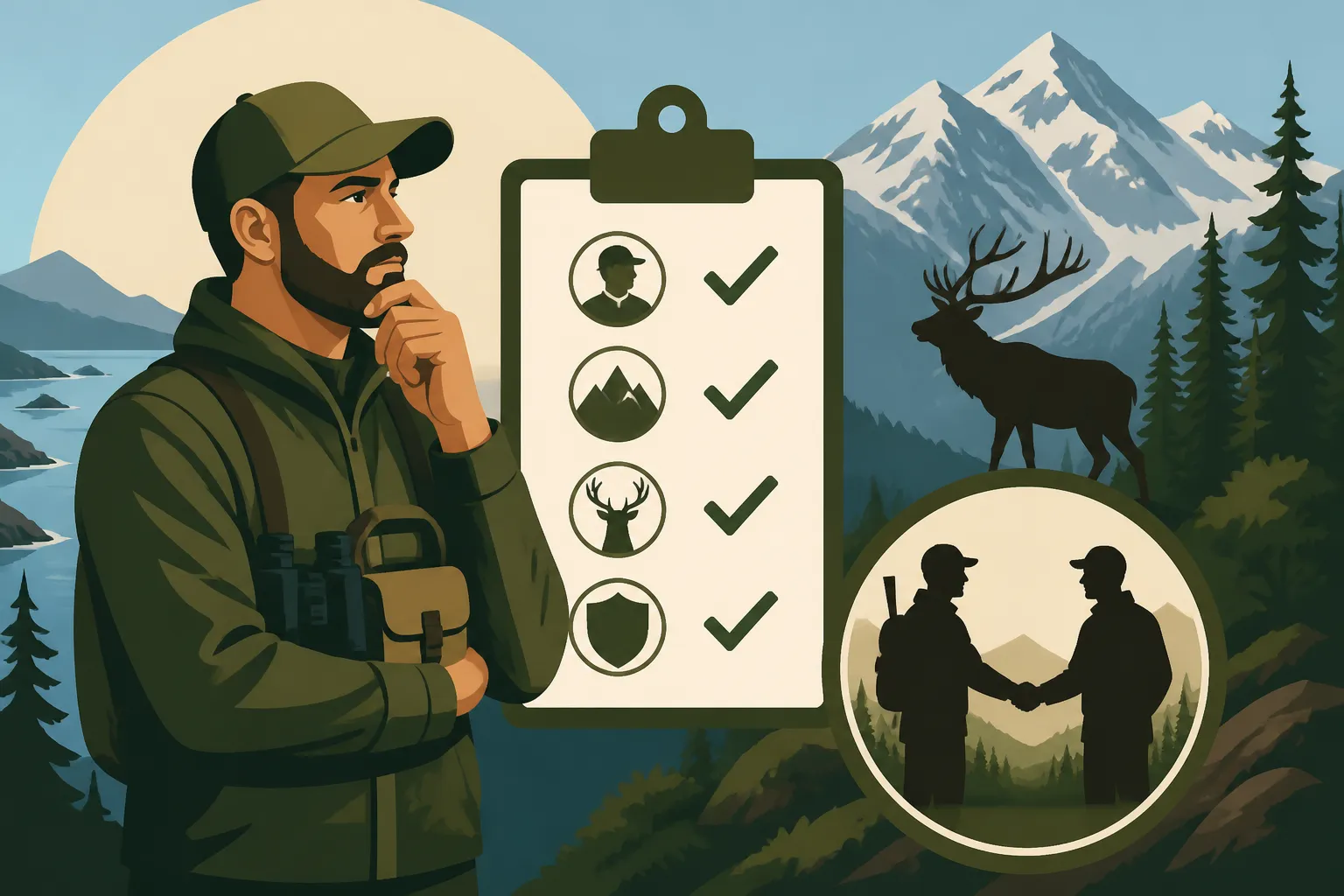
How to Vet a British Columbia Outfitter
Choosing the right hunting outfitter in British Columbia can feel like trying to navigate a dense fog on a new logging road – there are so many paths, and it's tough to know which one leads to success and a good experience. Many hunters, especially those new to BC or travelling from afar, worry about investing significant time and money into a trip that doesn't live up to expectations, or worse, ends up being a bad fit. This comprehensive guide is here to cut through that fog, offering you a clear, step-by-step process to thoroughly vet any British Columbia outfitter, ensuring your hunting adventure is everything you dreamed of and more.
Understanding the Landscape of British Columbia Outfitters
Before you even start looking at specific outfitters, it’s crucial to understand the unique environment of guided hunting in British Columbia. It’s not just about finding someone who knows how to track a moose; it’s about navigating regulations, understanding different types of territories, and appreciating the local nuances that make BC hunting so special, and sometimes, a little complex.
The Role of a Guide Outfitter in BC
In British Columbia, guide outfitters play a very specific and legally defined role, especially for non-resident hunters. They are licensed professionals who operate within designated guide outfitter territories, which are often vast tracts of Crown land. These territories are exclusive to the outfitter for specific big game species, meaning only that outfitter can guide non-residents for those animals within that area. This system is designed to manage wildlife populations and ensure fair chase opportunities.
Outfitters aren't just guides; they are typically business owners responsible for all aspects of your hunt, from providing safe and comfortable accommodations, arranging transportation into remote areas, supplying quality equipment, and ensuring compliance with all provincial hunting regulations. They often employ assistant guides, cooks, and wranglers, creating a team that works to deliver a memorable experience. It’s a significant operation, and understanding this structure helps you appreciate the value and complexity of their services. If you're looking for more insight, check out Hunting Guides and Outfitters in British Columbia.
Resident vs. Non-Resident Requirements
This is a big one, and it's where many non-residents first encounter the BC hunting system's unique aspects. If you're not a resident of British Columbia or Canada, you are generally required to hire a licensed guide outfitter or obtain a Permit to Accompany to hunt big game. This rule is in place to manage hunting pressure, conserve wildlife, and ensure that non-residents are hunting ethically and safely, often in areas they are unfamiliar with.
The Permit to Accompany allows a non-resident to hunt with a close family member who is a resident of British Columbia and possesses the necessary licenses. However, it's not a free-for-all; there are strict guidelines on who qualifies as a close family member and what responsibilities the resident must uphold. For many, especially those without direct family ties in BC, hiring an outfitter remains the most straightforward and often necessary path to hunting the province's incredible big game. If this is new to you, a read through Why Non-Residents Need a Guide in British Columbia and British Columbia's Permit to Accompany would be extremely helpful.
Types of Guided Hunts Available
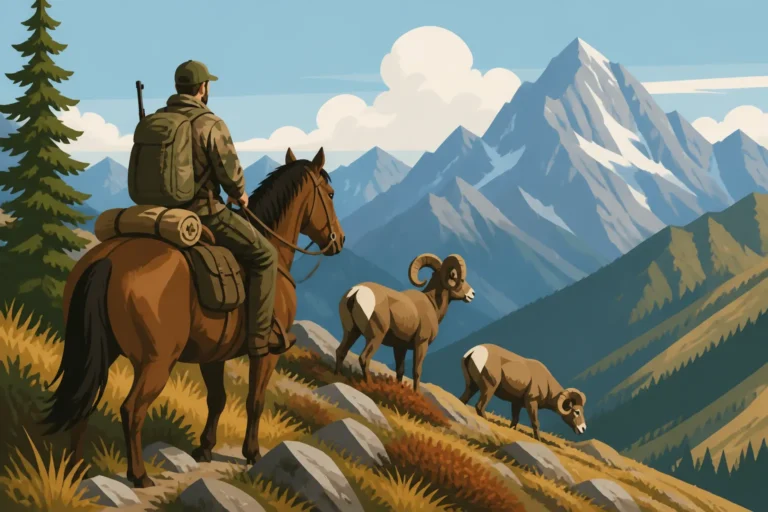
British Columbia offers an astonishing diversity of terrain and species, leading to a wide array of guided hunt styles. You might find outfitters specializing in horseback hunts deep into the Northern Rockies for sheep, while others focus on boat-based bear hunts along the rugged coastlines. Some excel at calling moose in the vast interior, while others have perfected spot-and-stalk tactics for mule deer in the high country.
Common options include traditional horseback pack-in hunts, fly-in trips to remote alpine camps, jet boat access along major rivers, or truck-based hunts utilizing extensive logging road networks. Each type of hunt comes with its own set of challenges, logistics, and physical demands. When you're thinking about an outfitter, consider what kind of experience you're truly looking for and if their specialties align with your aspirations. Are you ready for a multi-day hike into sheep country, or is a comfortable lodge with daily excursions more your speed?
Initial Research and Due Diligence
Once you understand the basics, it’s time to roll up your sleeves and start digging into potential outfitters. This isn't a quick decision; it's a significant investment of both time and money, and thorough research upfront will save you headaches down the road.
Starting Your Search Online
The internet is your first and often best resource. Most reputable outfitters will have a professional website showcasing their operations, available hunts, photos of past successes, and testimonials. Look for sites that are well-maintained and provide clear, detailed information about their hunting areas, target species, and services. Pay attention to the types of photos they display – do they look authentic? Do the hunters look happy and the animals appear ethically harvested?
Beyond individual websites, platforms like BookYourHunt can be excellent aggregation sites to discover numerous outfitters, compare offerings, and read initial reviews. Similarly, resources like GoHunt often have forums or articles where hunters discuss their experiences and recommend outfitters. Don't just skim these; dive deep into the details, looking for consistency in information and overall presentation. This initial online reconnaissance will help you create a shortlist of outfitters that seem to align with your hunting goals.
The Importance of References
Any reputable outfitter should be eager to provide you with a list of past clients, ideally from the last one to three years. This isn't just a formality; it's your chance to hear directly from hunters who have experienced the outfitter's operation firsthand. When contacting references, don't be shy about asking specific questions. What was the guide like? How was the food and accommodations? Were there any unexpected costs? Did they feel safe and well-prepared?
Crucially, try to get references for the specific type of hunt you're interested in, and ideally, for the same species. A fantastic elk outfitter might not be the best choice for a mountain goat hunt, even if they offer both. Listen carefully to their answers, and pay attention to any hesitations or evasiveness. A good outfitter will have a track record of satisfied clients who are more than willing to share their positive experiences.
Checking Licenses and Affiliations
This step is non-negotiable. Every legitimate guide outfitter in British Columbia must be licensed by the provincial government. You can often verify an outfitter's license through the provincial government's hunting regulations website or by contacting the relevant government ministry directly. Don't just take their word for it; confirm their status. An unlicensed outfitter is not only illegal but also a massive red flag for potential issues with safety, ethics, and legal compliance.
Many reputable outfitters are also members of professional organizations, such as the Guide Outfitters Association of British Columbia (GOABC). Membership in such associations often implies adherence to a code of conduct and industry standards, though it doesn't replace your own due diligence. These organizations can also sometimes provide resources or mediate disputes if issues arise. Ensuring all necessary paperwork, including their guide territory certificate, is in order is a critical component of vetting, as explored further in Checking a British Columbia Guide Licence.
What to Ask Potential Outfitters
Once you have a shortlist, it's time to start direct communication. This is where you move beyond website marketing and get down to the brass tacks of your potential hunt. Prepare a list of questions and don't be afraid to ask for clarity on anything that seems vague.
Questions About Hunt Logistics and Experience
This category covers the practical details of your trip. You need to know exactly what to expect from arrival to departure. Start by asking about the specific hunting area, its size, and how it's typically accessed – whether by foot, horseback, ATV, boat, or plane. Inquire about the typical hunting methods used: will it be spot-and-stalk, still-hunting, calling, or a combination? Understand the physical demands of the hunt; be honest about your own fitness level and ensure it matches the challenges.
Ask about the guide-to-hunter ratio. Will you have a dedicated one-on-one guide, or will it be a shared experience? What kind of accommodations can you expect – a comfortable lodge, spike camps, wall tents, or a rustic cabin? Don't forget to discuss food and amenities. It's also vital to clarify who will be your specific guide. Sometimes, you book with the owner, but an assistant guide takes you out. Knowing this upfront can help manage expectations. For a comprehensive list of inquiries, refer to Questions to Ask Before Booking.
Clarifying Costs, Inclusions, and Exclusions
This is where many misunderstandings can arise, so be meticulous. Get a clear breakdown of the total cost, including the base hunt price, species fees, license costs, and any mandatory government surcharges. What's included in that price? Is transportation to and from the nearest major airport covered? What about meat processing, caping, or basic trophy preparation? Are there additional costs for extra days in the field, or for harvesting an additional animal?
Crucially, understand what is not included. This often covers things like airfare to British Columbia, accommodation before or after the hunt, gratuities for guides and staff, taxidermy, meat shipping, or personal gear. Be aware that some outfitters may charge for lost or damaged equipment. It’s also wise to inquire about any potential fuel surcharges or unexpected fees. Being transparent about costs upfront will prevent any surprises when the final bill comes due, something you can explore further with What a British Columbia Guided Hunt Costs.
Understanding Success Rates and Expectations
Every hunter wants to be successful, but "success" can mean different things to different people and in different hunting scenarios. Ask directly about the outfitter's historical success rates for the species and hunt type you're interested in. However, don't just take a number at face value. Inquire about how they define "success" (e.g., opportunity, harvest, or specific trophy size). A high opportunity rate is great, but it doesn't guarantee a harvest.
More importantly, discuss realistic expectations. What are the typical weather conditions during your hunt period? How many days might you spend without seeing your target animal? What happens if you don't fill your tag? Some outfitters offer a reduced rebooking rate, others do not. Be wary of any outfitter who "guarantees" an animal; ethical hunting involves many variables beyond anyone's control. A good outfitter will be honest and transparent about the challenges and realities of hunting their area. This aligns well with the advice in What Success Rates Actually Mean.
Evaluating the Outfitter's Reputation and Practices
Beyond direct communication, it's crucial to look at an outfitter's broader reputation and how they conduct their business. This gives you a more holistic view of their operation and ethics.
Reading Reviews and Testimonials Critically
Online reviews can be a treasure trove of information, but they require a critical eye. Look for patterns in reviews – are multiple people mentioning the same guide by name for positive or negative reasons? Are there consistent complaints about safety, animal treatment, or unexpected costs? Platforms like BookYourHunt and GoHunt, as mentioned earlier, are great places for aggregated reviews, but also scour forums and social media.
Be wary of overwhelmingly positive reviews that sound generic or lack specific details, as these can sometimes be fabricated. Conversely, a single negative review shouldn't necessarily disqualify an outfitter, especially if it seems to be an isolated incident or a highly emotional response. Pay more attention to well-reasoned, detailed feedback, both positive and negative, to form a balanced picture. Diving into Reading Outfitter Reviews Honestly can provide more guidance on this.
Insurance, Safety, and Emergency Protocols
Your safety should always be a top priority. Inquire about the outfitter's insurance coverage. Do they carry liability insurance? What happens in case of an accident or injury in the field? What are their safety protocols for firearms, ATVs, horses, or boats? These questions are particularly important given the remote and challenging terrain often encountered in British Columbia.
Beyond preventative measures, ask about their emergency plan. What happens if someone gets seriously injured in a remote area? How do they communicate from the backcountry (e.g., satellite phone, InReach)? What is the nearest medical facility, and how would they get you there? A well-prepared outfitter will have clear, practiced emergency procedures and reliable communication tools. This level of detail is critical for peace of mind, especially when considering Emergency Planning in British Columbia's Backcountry.
Ethical Hunting Practices and Game Care
A good outfitter doesn't just get you an animal; they ensure the hunt is conducted ethically and that the game is respected and cared for. Discuss their approach to fair chase. Are they advocating for responsible hunting methods? What are their rules regarding shot placement and tracking wounded animals? Do they follow all bag limits and antler restrictions rigorously, like British Columbia's British Columbia's Four-Point Antler Restriction for some species?
Equally important is game care. How quickly do they field dress and cool meat, especially in warmer early seasons? What are their procedures for packing out meat, capes, and horns? This is particularly relevant for species like moose or elk harvested deep in the backcountry. A professional outfitter will have clear processes for preserving the meat and trophy, recognizing that this is a critical part of the hunting experience and the animal's legacy. You want to ensure your guide adheres to the highest standards, as discussed in Rules on Wasting Game Meat.
Final Steps Before Booking Your British Columbia Hunt
You've done your research, asked your questions, and feel good about an outfitter. Now it's time to seal the deal and make sure you're fully prepared for the adventure ahead.
Reviewing Contracts and Payment Terms
Before you send any money, carefully review the outfitter's contract. Does it clearly outline the hunt dates, species, included services, and total cost? Are there clauses about cancellations, refunds, or rescheduling due to unforeseen circumstances like severe weather, wildfires, or travel restrictions? Understand their deposit policy and payment schedule. Many outfitters require a non-refundable deposit to secure your booking, with the balance due closer to the hunt date.
If anything in the contract is unclear, ask for clarification in writing. Don't assume anything. This document is your legal agreement, and understanding every detail protects both you and the outfitter. It's also wise to inquire about any "trophy fees" or additional charges for larger animals, if applicable, to ensure there are no surprises post-harvest. This diligence ties into understanding aspects like British Columbia Licence Refund Rules or Getting a Refund When a Guide Cancels.
Preparing for Your Specific Hunt
Once you're booked, the outfitter should provide you with a comprehensive gear list and any specific instructions for physical preparation. Don't take these lightly. British Columbia's terrain can be demanding, and weather conditions can change rapidly, especially in the mountains. Ensure you have appropriate clothing layers, rain gear, sturdy hiking boots, and any specialized equipment recommended. Start a fitness regimen well in advance if needed, particularly for physically demanding mountain hunts.
Discuss firearm or bow requirements and any specific ammunition recommendations. If you're traveling from outside Canada, familiarize yourself with the regulations for importing firearms. Good preparation on your part is crucial for a successful and enjoyable hunt, and your outfitter can provide invaluable guidance. Consider What to Bring on a British Columbia Guided Hunt or Fitness for a British Columbia Sheep Hunt might advise.
Trusting Your Gut Feeling
After all the research, questions, and reference checks, sometimes it comes down to intuition. Did the outfitter respond promptly and professionally? Did they seem genuinely enthusiastic about helping you achieve your hunting goals, or did they come across as purely transactional? Do you feel a sense of trust and rapport? A hunting trip, especially a multi-day backcountry adventure, is a significant personal experience. You'll be spending a lot of time with your guide and their team, often in challenging conditions.
If something feels off, even if you can't quite put your finger on it, it might be a sign to look elsewhere. There are many excellent, ethical outfitters in British Columbia, and finding one you feel truly comfortable with is paramount for a positive experience. Ultimately, a successful hunt isn't just about the trophy; it's about the entire adventure, the camaraderie, and the memories you create. This often includes considerations such as Tipping a British Columbia Guide and the overall camp etiquette.
| Aspect of Vetting | Key Questions to Ask | Red Flags |
|---|---|---|
| Legitimacy & Experience | Are you currently licensed by the BC government? Can I verify this? Are you a member of GOABC or other professional associations? How long have you been operating in this territory? How many guides do you employ, and what is their experience level? | No clear license information, evasiveness when asked to verify, no established online presence, claims of "off-grid" or "private" operations that bypass BC regulations, reluctance to provide a guide's name or experience. |
| Hunt Logistics | What hunting methods are typically used for this species in this area? What are the physical demands? What type of accommodations, food, and amenities are provided? What is the guide-to-hunter ratio? What is the plan if weather impacts the hunt? | Vague answers about daily operations, unwillingness to discuss specific terrain or hunting style, promises of luxury accommodations for a deep backcountry hunt, unclear expectations for physical fitness, no contingency plan for adverse weather conditions. |
| Costs & Inclusions | What is the total cost, including all fees (species, license, government surcharges, taxes)? What exactly is included in the base price (e.g., transportation, trophy care, meals)? What is specifically not included (e.g., flights, tips, extra animals, taxidermy)? What are your cancellation and refund policies? | Hidden fees mentioned only after a deposit, reluctance to provide an itemized cost breakdown, generic contract terms, "guaranteed" harvest fees, very restrictive or no-refund policies for unavoidable cancellations, inability to detail what is not included. |
| Success & Expectations | What are your typical success rates for this specific hunt? How do you define "success"? What are realistic expectations for trophy size and opportunities? What happens if I don't fill my tag? | Guarantees of a kill, inflated or unrealistic success rates, no explanation of how "success" is measured, downplaying the challenges of the hunt, pressuring you to book quickly due to "limited opportunities," no clear policy for unsuccessful hunts. |
| References & Reviews | Can you provide a list of recent references (past 1-3 years) for hunts similar to mine? Where can I read independent reviews of your operation? | Refusal to provide references, only offering references from many years ago, only providing testimonials directly on their website without external verification, negative patterns across multiple online reviews (e.g., safety, ethics, hidden costs). |
| Safety & Ethics | What are your safety protocols for the field, camp, and transportation? What is your emergency plan, and what communication devices do you carry? How do you ensure ethical hunting and proper game care (field dressing, cooling, pack-out)? | No clear answers on emergency procedures or communication, vague statements about "common sense" safety, reluctance to discuss ethical hunting practices, lack of attention to prompt and proper game care, encouraging unethical practices (e.g., shooting from roads where illegal, pushing bag limits). |
Disclaimer
This article is for general informational purposes only and does not constitute professional advice. Laws, prices and regulations vary by location and change over time. Consult a qualified professional for guidance on your specific situation.