What a British Columbia Guided Hunt Costs
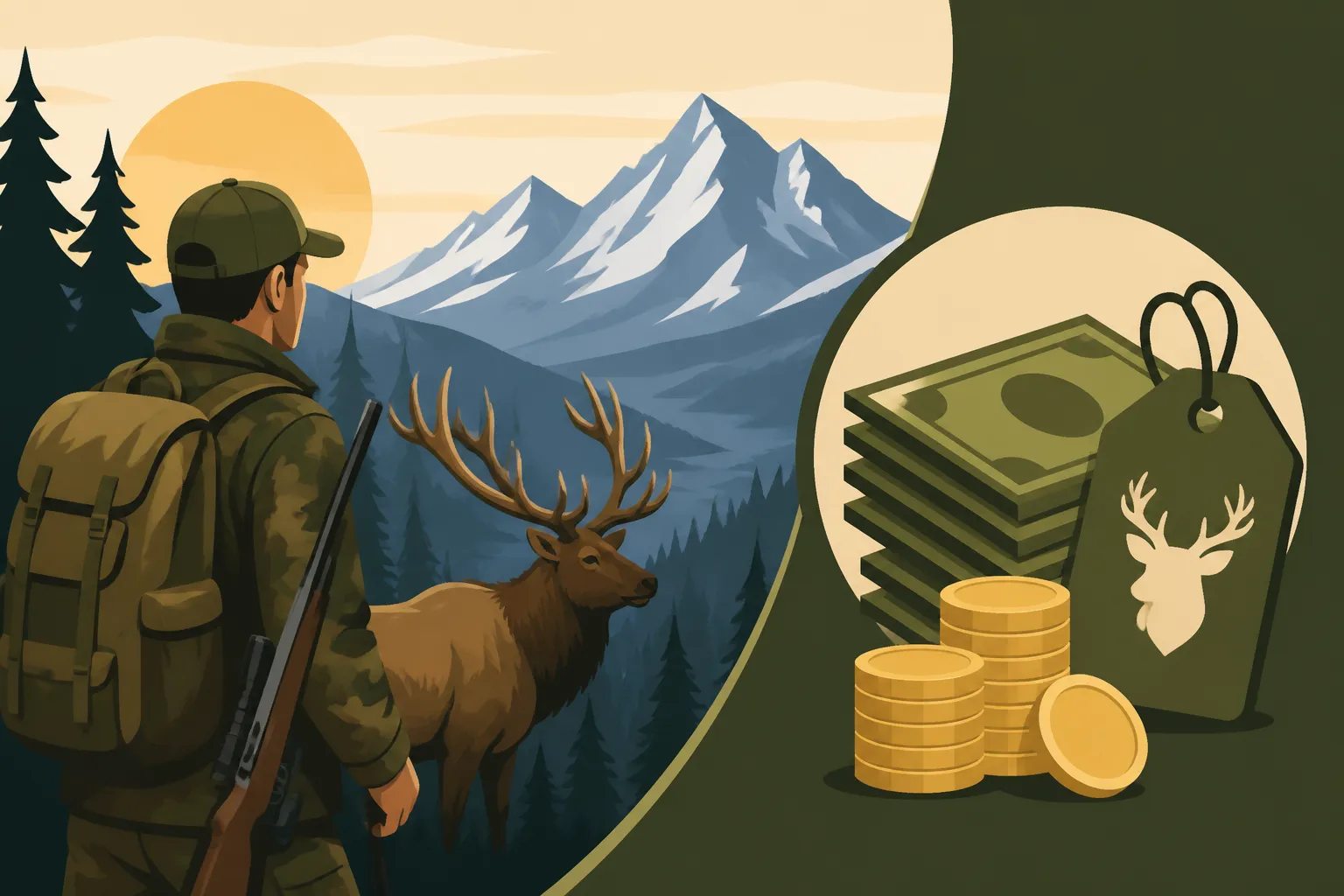
Thinking about a guided hunt in British Columbia can bring up a lot of excitement, but let's be honest, the first question that often pops into your head is, "How much is this actually going to cost me?" It's a completely valid concern, because these aren't your everyday purchases. We've all heard stories about wildly expensive hunts, and it can be hard to sift through the online chatter to understand what a realistic budget looks like. This guide is here to demystify the financial side of booking a British Columbia guided hunt, helping you understand the variables, breakdown the costs, and ultimately plan for an unforgettable experience without breaking the bank unexpectedly.
Understanding the Landscape of British Columbia Guided Hunt Costs
When you start dreaming about hunting in British Columbia, whether it’s for a massive moose in the northern bush or a giant Stone’s sheep in the mountains, you're immediately entering a realm where costs can vary wildly. It's not like buying a gallon of milk; there's no fixed price. Instead, you're investing in an experience, a logistical marvel, and the expertise of seasoned professionals. This often leads to a bit of sticker shock for newcomers, but once you understand what goes into those numbers, it starts to make a lot more sense.
Why Guided Hunts in BC Have a Specific Price Tag
British Columbia is a truly special place for hunting, offering unparalleled wilderness and diverse big game opportunities. However, accessing and successfully hunting these areas, especially for non-residents, requires significant infrastructure and knowledge. Guide outfitters in BC are not just people who know the woods; they are professionals running complex operations. They maintain extensive territories, often in remote locations, which means roads, camps, equipment like horses, jet boats, or even aircraft. They employ experienced guides, cooks, and wranglers, all while navigating strict regulations. All of this comes with substantial overhead. Furthermore, the limited availability of certain tags and the high demand for specific species, especially those found in few other places, naturally drives prices up. You're not just paying for a guide's time; you're paying for their decades of accumulated knowledge, their specialized gear, and their ability to operate safely and effectively in some of the most challenging terrain on the planet.
The Fundamental Factors Driving Cost
Several core elements will dictate the ultimate price tag of your guided hunt. First and foremost is the species you’re pursuing. A Dall's sheep hunt, for instance, typically commands a much higher price than a black bear hunt. Secondly, the duration of the hunt plays a huge role; a 10-day mountain hunt will naturally cost more than a 5-day lodge-based hunt. Thirdly, the method of access is a major cost driver. Is it a drive-in camp? A horseback pack trip? A jet boat ride up a remote river? Or a fly-in hunt deep into the backcountry? Each step up in remoteness and logistical complexity adds to the cost. Finally, the level of service you expect, from basic spike camps to luxurious lodge accommodations with gourmet meals, will also influence the price. Understanding these foundational elements is the first step in aligning your hunting aspirations with your budget.
Initial Sticker Shock Versus Long-Term Value
It’s easy to look at a five-figure price tag for a dream hunt and immediately think it's out of reach or overpriced. However, it's crucial to shift your perspective from just the initial dollar amount to the immense value proposition. Consider what you are getting: expert guidance in unfamiliar, often rugged terrain; the use of specialized equipment; comfortable (or at least functional) camp facilities; prepared meals; the logistics of game retrieval and meat care; and, most importantly, a significantly increased chance of success and a safer, more enjoyable experience. For many hunters, especially non-residents who need to hire a guide or have a resident accompany them under a Permit to Accompany Explained, the investment isn't just about bagging an animal; it's about the adventure itself, the memories made, and the incredible learning experience that comes from hunting with a seasoned professional in one of the world's premier wilderness destinations. When you compare this to the time, effort, and potential for failure when going it alone in unfamiliar territory, the value starts to shine through.
Breaking Down the Core Components of Your Investment
Navigating the financial agreement with a guide outfitter can feel like deciphering a complex contract, because, well, it is. There are standard components that almost every guided hunt includes, but the specifics and timing of these payments can vary. Understanding each part is essential to avoid surprises and ensure you're budgeting accurately for your British Columbia adventure.
Deposit Structures and Payment Schedules
Almost every guided hunt begins with a deposit. This is a standard industry practice that serves a few key purposes: it secures your spot on the outfitter's calendar, covers initial planning and administrative costs, and demonstrates your commitment to the booking. Deposits are typically a percentage of the total hunt cost, often ranging from 25% to 50%. It's common for outfitters to require this deposit well in advance, sometimes a year or more, especially for highly sought-after species or prime hunting dates. Subsequent payments are then usually spaced out, with the final balance often due 60 to 90 days before the hunt commences. Always, and I mean always, read the outfitter's cancellation and refund policy carefully. Life happens, and knowing what your options are if you need to reschedule or cancel is crucial. Many outfitters have strict policies regarding non-refundable deposits, especially as the hunt date approaches.
Daily Rates and Package Deals
Some outfitters, particularly for shorter or less logistically intensive hunts, might quote a daily rate. This would cover the guide's time, camp amenities, and meals on a per-day basis. However, for most big game hunts in British Columbia, you'll encounter a package deal. These packages are often all-inclusive for the hunting portion of your trip, covering the guide, camp, food, field transportation, and initial caping/quartering of your animal for a set number of hunting days. The advantage of a package is that it provides a clear, upfront cost, making it easier to budget. The package price typically factors in all the variables we discussed earlier – species, duration, and access method. For example, a 7-day black bear hunt via truck and ATV from a comfortable base camp might be one package, while a 14-day fly-in Stone's sheep hunt from a spike camp would be an entirely different, much higher-priced package. When comparing packages, remember to look beyond just the dollar amount and focus on what's explicitly included to ensure you're comparing apples to apples.
Trophy Fees, Kill Fees, and Success Incentives
This is where some confusion and unexpected costs can creep in if you're not careful. Many outfitters, especially for certain high-value species, employ a trophy fee structure. This means the base hunt price gets you to the animal, but a separate, substantial fee is paid only if you successfully harvest the animal. These trophy fees can be thousands of dollars for premium species. The logic behind this is that it incentivizes the guide to work tirelessly to ensure your success, and it reflects the intrinsic value of successfully harvesting a trophy animal. However, not all hunts have trophy fees; some are straight package deals regardless of success.
It's also important to clarify if there's any distinction between a "trophy fee" and a "kill fee." Sometimes a kill fee might be a smaller amount applied to any animal harvested, regardless of size, while a trophy fee implies a focus on specific criteria (e.g., antler size, horn curl). Some outfitters even offer success bonuses to guides, which, while not directly paid by you as a separate line item, are built into the overall pricing model. Always confirm the exact nature of these fees with your outfitter before booking. Understanding these elements is paramount for accurate budgeting and preventing any surprises when you're celebrating your successful harvest.
The Species Variable: How Your Quarry Dictates the Price
Without a doubt, the species you choose to hunt is the single biggest determinant of your guided hunt cost in British Columbia. Different animals demand different levels of logistical effort, specialized guiding skills, and time commitment, all of which directly translate into the price tag.
Premium Mountain Hunts: Sheep and Goats
If you're dreaming of hunting British Columbia's majestic wild sheep—Dall's, Stone's, or California Bighorn—or the elusive mountain goat, prepare for the highest price bracket. These hunts are truly the pinnacle of mountain hunting and are among the most expensive guided hunts in North America, and for good reason. Why the Sheep Tag Costs the Most is a related read that helps clarify some of the inherent value. They are incredibly physically demanding, often requiring long days of strenuous hiking in rugged, high-alpine terrain, frequently in remote areas only accessible by horseback or bush plane. The success rates, while often good with reputable outfitters, are never guaranteed due to the nature of the terrain and the animals themselves. These hunts typically last 10-14 days, sometimes longer, and involve extensive scouting, multiple spike camps, and specialized equipment. The sheer logistics, the specialized guides, and the low quotas for these magnificent animals drive the costs into the premium range. You’re paying for an incredible challenge and the chance to pursue one of the world's most iconic big game animals in its pristine wilderness.
Big Game Favorites: Moose, Elk, and Caribou
Hunts for moose, elk, and caribou represent the next tier in pricing. While still a significant investment, they are generally more accessible than mountain sheep or goat hunts. Moose hunts in British Columbia's vast interior and northern regions are incredibly popular. They can range from calling hunts in the rut, utilizing vehicles and ATVs, to more remote fly-in or jet boat accessible trips. Calling Moose in British Columbia's Interior can give you a good idea of the methods. Elk hunts, whether for Rocky Mountain Elk in the Kootenays or Roosevelt Elk on the Coast, also vary, with bugling season hunts during the rut being particularly sought after. While caribou hunts are becoming less common due to conservation concerns in many areas, where they are still open, they offer a unique experience. These hunts typically run 7-10 days and involve significant effort in large territories. The cost is influenced by the mode of transport to camp (road, ATV, boat, or small plane), the type of accommodations (lodge, wall tent camp), and the overall difficulty of the terrain.
Accessible Adventures: Deer and Bear Hunts
For many hunters looking for a more entry-level guided experience in British Columbia, or those simply keen to hunt a specific species, deer and bear hunts offer excellent value. British Columbia is renowned for its incredible black bear population, with various colour phases, and boasts healthy populations of mule deer and black-tailed deer. Black Bear Hunting British Columbia's Spring outlines one of the most popular options. These hunts are often shorter, typically 5-7 days, and can be conducted from more accessible base camps, reducing logistical costs. Spring black bear hunts, for example, often involve glassing logging roads or coastal estuaries, making them less physically demanding and thus generally less expensive than a sheep hunt. Deer hunts can also range from spot-and-stalk in the interior grasslands for mule deer to still-hunting dense coastal timber for blacktails. While still a significant investment, these hunts provide a fantastic opportunity to experience British Columbia's hunting culture and pursue quality animals without the peak price tag of the mountain giants.
Specialized Hunts: Predators and Birds
Beyond the main big game species, British Columbia also offers guided opportunities for predators like cougar, wolf, and coyote, as well as various game birds. Cougar hunting, often done with hounds, is a unique and exciting experience, and while it requires specialized dogs and knowledge, it typically falls into a mid-range price point. Wolf hunts can be combined with other species or pursued individually, often by calling or baiting, offering a distinctive challenge. For wing shooters, British Columbia has excellent waterfowl and upland bird hunting, particularly in areas like the Fraser Delta for geese and ducks, or across the interior for grouse and pheasants. Waterfowl and Upland Hunting in British Columbia provides more detail on these experiences. Guided bird hunts are generally priced lower than big game hunts, often on a daily rate, and can be a fantastic way to extend a trip or introduce new hunters to the field. These specialized options provide a diverse array of hunting opportunities, each with its own cost structure, appealing to different interests and budgets.
Beyond the Basic Hunt: Additional Costs and Considerations
It’s a common pitfall to only budget for the outfitter's package price, only to find yourself facing a cascade of additional expenses. A truly comprehensive budget for your British Columbia guided hunt needs to account for costs beyond the outfitter's invoice. Thinking these through beforehand will save you from unwelcome surprises and ensure a smoother trip.
Licenses, Tags, and Government Fees
Before you even step foot in a British Columbia hunting camp, you'll need to secure your proper documentation. This includes your basic British Columbia hunting license, which is mandatory for all hunters. On top of that, you'll need specific species tags for each animal you intend to hunt. These tags have individual costs. For non-residents, these fees are often significantly higher than for residents. There's also usually a Habitat Conservation Trust Foundation surcharge that supports wildlife and habitat initiatives, and if you're hunting migratory birds, a federal permit is required. Always check the current British Columbia hunting regulations synopsis for the exact fees and requirements, as they can change. Your outfitter can often advise on these costs and help you navigate the process of purchasing them, but generally, these are separate expenses you'll need to pay directly to the provincial government or authorized vendors. Remember, these fees are non-negotiable and essential for legal hunting. British Columbia Hunting Licences and Fees is a crucial resource for this aspect.
Travel, Logistics, and Accommodation Before/After
Getting to and from your hunt location is a significant, often overlooked, cost. This includes your flights to British Columbia, any connecting flights to smaller regional airports, and ground transportation to the outfitter's staging area or primary camp. Depending on the remoteness of your hunt, you might also need charter flights or specialized shuttles, which can add substantially to the bill. Don't forget accommodation and meals for any nights spent in hotels before or after your hunt, especially if you have early morning flights or late arrivals. Factor in taxi fares, rental car costs, and any necessary supplies or gear purchases you make once you arrive in British Columbia. For hunters coming from afar, the sheer cost and complexity of travel can rival a significant portion of the hunt package itself, so budget realistically for these logistical legs of your journey.
Taxidermy, Meat Processing, and Shipping Your Trophy Home
The hunt itself is only part of the journey; what happens to your hard-won trophy and meat after the kill is another set of expenses. If you harvest an animal, you'll need to decide on taxidermy. This can range from a basic European mount to a full shoulder mount or even a life-size mount, with costs varying wildly based on the animal and the complexity. Many outfitters will have relationships with local taxidermists and can arrange for the initial care and transport of your cape and horns. Similarly, processing your game meat into usable cuts and packaging it for transport is an additional service. Some outfitters include basic field quartering, but professional butchering services will be extra. Finally, getting your meat, cape, and horns home can be a substantial cost, especially for international hunters. This might involve specialized coolers, airline cargo fees, or freight forwarding services. CITES permits are required for certain species, like sheep or goats, for international export. These post-hunt services are absolutely critical but rarely included in the base package price.
Gratuities: Tipping Your Guide and Camp Staff
While not a mandatory fee, gratuities for your guide and the camp staff (cooks, wranglers, camp assistants) are a customary and expected part of a guided hunting experience in British Columbia, just as they are in many service industries. These individuals work incredibly hard, often for long hours in challenging conditions, to ensure your hunt is successful, safe, and enjoyable. Tipping is a way to express your appreciation for their effort, expertise, and dedication. Standard tipping percentages typically range from 10% to 20% of the hunt's value, with the lion's share going to your primary guide, and a smaller portion distributed among the rest of the camp staff. However, always base your tip on the quality of the service and your overall experience. It's advisable to factor this into your budget right from the start, as it can be a significant amount, especially on higher-priced hunts. A good guide can make or break your trip, and acknowledging their hard work is a time-honoured tradition in the hunting community.
Finding Value: Budgeting for Your British Columbia Adventure
Budgeting for a British Columbia guided hunt isn't just about saving money; it's about smart spending to maximize your experience and ensure you're getting the best value for your investment. With so many variables, a strategic approach can make a significant difference.
Researching and Comparing Outfitters Effectively
This is perhaps the most critical step in finding value. Don't just pick the first outfitter you find online. Invest time in thorough research. Look at multiple outfitters that operate in the regions you're interested in and offer hunts for your target species. Pay close attention to what each package explicitly includes and excludes. Don't be shy about asking for detailed itineraries, references from past clients, and specific information on success rates and trophy quality. Online platforms like BookYourHunt can be excellent resources for comparing different outfitters, reading reviews, and understanding available packages. Similarly, GoHunt often provides valuable insights into hunting areas and strategies that can inform your choices. Look for outfitters with a proven track record, good communication, and transparent pricing. Sometimes a slightly higher upfront price from a reputable outfitter can offer better value in the long run through a higher success rate, better experience, or superior logistics.
The Importance of a Detailed Contract
Once you've narrowed down your choices, insist on a clear, written contract that outlines every aspect of your hunt. This contract should detail the hunt dates, duration, species, specific services included (e.g., guide, camp, food, field transportation, initial game care), deposit requirements, payment schedule, cancellation policy, and any applicable trophy or kill fees. A detailed contract protects both you and the outfitter. It eliminates ambiguity and ensures that everyone is on the same page regarding expectations and financial obligations. If something isn't explicitly mentioned, ask for clarification and get it in writing. A reputable outfitter will always provide a comprehensive contract and be willing to answer all your questions thoroughly.
Timing Your Hunt for Potential Savings
While prime hunting dates (like the rut for moose or elk, or specific early season archery openers) often command premium prices, you might find opportunities for savings by being flexible with your timing. Some outfitters offer slightly reduced rates for "shoulder season" hunts, which might be just outside the peak periods but still offer excellent hunting. For example, a late fall bear hunt might be less expensive than a prime spring hunt. Similarly, if an outfitter has a last-minute cancellation, they might offer a discounted rate to fill the spot, though these opportunities are rare for high-demand hunts. If your schedule allows for flexibility, inquire about off-peak or cancellation deals, but understand that flexibility often comes with trade-offs in weather conditions or animal behaviour. When British Columbia Outfitters Book Up is a useful guide for understanding booking patterns.
Considering Combination Hunts
For hunters with a desire to pursue multiple species and a larger budget, a combination hunt can offer excellent value compared to booking two separate hunts. Many British Columbia outfitters specialize in combo hunts, especially for species that inhabit similar areas or have overlapping seasons, such as moose and black bear, or mule deer and elk. By combining two species into one trip, you often save on travel costs and potentially on daily rates, as the outfitter can amortize their operational costs across a longer, multi-species booking. Discuss these options with outfitters, as they often have specific packages designed for combination hunts. Not only can this be more economical, but it also maximizes your time in the field, offering a richer and more diverse hunting experience.
| Hunt Type / Cost Factor | Lower Cost End (Example) | Higher Cost End (Example) | Key Influencers |
|---|---|---|---|
| Species | Black Bear, Deer | Stone's Sheep, Mountain Goat | Rarity, Logistics, Demand, Difficulty |
| Duration | 5-7 Days | 10-14+ Days | Time in field, Guide hours |
| Access Method | Truck/ATV from Lodge | Fly-in, Horseback Pack-in | Remoteness, Fuel, Equipment |
| Accommodation | Spike Camp, Wall Tent | Lodge, Cabin | Comfort, Amenities, Staff |
| Trophy Fees | Often Included | Significant for Premium Species | Value of Animal, Incentive |
| Guide Ratio | 1:1 or 2:1 (often) | 1:1 (standard for sheep/goat) | Personalized attention |
| Season | Shoulder Seasons | Peak Rut/Prime Dates | Animal behaviour, Hunter demand |
The Non-Resident Factor: Permit to Accompany vs. Full Guide Service
For non-residents looking to hunt big game in British Columbia, the rules regarding guiding are a critical factor that directly impacts costs. British Columbia has specific regulations designed to manage hunting pressure and ensure safety, particularly for those unfamiliar with the province's vast wilderness. Understanding these rules is not just about compliance, but about making informed financial decisions.
Understanding British Columbia's Guiding Requirements
The primary rule for non-residents of Canada wishing to hunt big game in British Columbia is that they must be accompanied by a licensed British Columbia guide outfitter or a resident of British Columbia who holds a valid "Permit to Accompany." This regulation is in place for several reasons, including safety in remote wilderness areas, adherence to complex hunting regulations, and effective game management. This means that a non-resident hunter cannot simply purchase a license and tags and head out into the British Columbia bush on their own for big game. This requirement fundamentally shapes the cost structure for non-residents, as it mandates either the hiring of a professional service or the collaboration with a resident. Rules for Non-Residents Hunting British Columbia offers an expanded explanation.
The Permit to Accompany: A Cost-Saving Alternative
For many non-resident hunters who have friends or family living in British Columbia, the Permit to Accompany offers a compelling and often significantly more affordable alternative to booking a full guided hunt. A British Columbia resident can apply for this permit, allowing them to accompany a non-resident for big game hunting. The resident must meet certain criteria and be prepared to take full responsibility for the hunt, including ensuring the non-resident adheres to all regulations, practices ethical hunting, and maintains safety. This option effectively replaces the need for a professional outfitter, greatly reducing the direct costs associated with guiding fees. However, it's crucial to remember that the resident taking on this role bears significant responsibility, and it's not a decision to be taken lightly. The non-resident still needs to purchase all their required licenses and tags, and the logistics (camp, gear, transportation) would fall to the resident and non-resident team. What a Permit to Accompany Allows is a vital resource if you're considering this option, detailing the responsibilities involved.
When a Full Guided Hunt is Your Only Option
While the Permit to Accompany can be a great option for some, there are many scenarios where a full guided hunt is either the only practical choice or simply the preferred one. If you don't have a resident friend or family member who is willing, able, and qualified to obtain a Permit to Accompany and effectively guide you, then hiring a licensed British Columbia guide outfitter becomes mandatory for non-residents wanting to hunt big game. Furthermore, for highly specialized hunts, such as those for mountain sheep or goats, or for access to truly remote, exclusive territories, outfitters often have established infrastructure, expertise, and permits that are simply unavailable to the average resident. The success rates on these challenging hunts are often significantly higher with a professional guide who lives and breathes that specific terrain. While it's a larger financial commitment, a full guided hunt offers unparalleled access, expert knowledge, logistical support, and often a higher chance of success for those seeking a truly once-in-a-lifetime experience in British Columbia's vast wilderness.
Preparing for Your Financial Commitment
Embarking on a British Columbia guided hunt is a significant financial undertaking for most people, and careful preparation is key to making it a smooth process. Beyond just saving the money, it's about understanding how to manage that investment and protect yourself against unforeseen circumstances.
Funding Your Dream Hunt: Payment Options
Most guide outfitters will accept various forms of payment, typically bank transfers, certified cheques, or major credit cards. Be aware that some outfitters might charge an additional processing fee for credit card payments, so always inquire about their preferred method. For larger sums, especially for deposits, a wire transfer is often the most secure and efficient method. If you're considering a hunt that's a few years away, setting up a dedicated savings plan is an excellent approach. You might even find that some outfitters offer extended payment plans, allowing you to spread out the cost over a longer period, although this is less common for hunts booked closer to the date. Whatever method you choose, ensure all transactions are clearly documented, and you receive prompt receipts for every payment made. Knowing your British Columbia Guide Outfitter Licensing Rules can also add confidence in your chosen outfitter.
The Value of Hunt Insurance
This is a step that many hunters unfortunately overlook, to their detriment. Given the substantial financial investment in a guided hunt, especially in a place like British Columbia where remote access and challenging weather are common, purchasing hunt cancellation and travel insurance is a wise decision. What happens if you get sick, have a family emergency, or an unforeseen travel disruption prevents you from making your hunt? Without insurance, you could lose your entire investment, including non-refundable deposits and final payments. Hunt insurance can cover a range of scenarios, including:
- Trip Cancellation: If you have to cancel for covered reasons (illness, injury, job loss, etc.).
- Trip Interruption: If you have to leave your hunt early.
- Medical Emergencies: Covering emergency medical evacuation or treatment in remote areas.
- Lost/Damaged Gear: Compensation for lost luggage or damaged hunting equipment.
- Weather Delays: Covering additional costs incurred due to weather-related travel delays.
While an added expense, the peace of mind and financial protection that hunt insurance provides can be invaluable. Research policies carefully to understand what is and isn't covered, and consider purchasing a policy that specifically caters to adventure travel and hunting.
Setting Realistic Expectations for Your Investment
Finally, it's essential to set realistic expectations for what your financial investment will deliver. A guided hunt in British Columbia is an incredible adventure, but it's not a guarantee of a trophy animal, nor is it necessarily a luxury vacation. You're paying for the experience, the expertise, the opportunity, and the significant logistical effort involved in pursuing wild animals in their natural habitat. Success rates, while often excellent with reputable outfitters, can vary year to year due to weather, animal movements, and other unpredictable factors. Be prepared for potential challenges, discomfort, and the inherent uncertainties of hunting. Understand that even on a high-priced hunt, you might not harvest an animal, but you will still have gained an invaluable experience, learned a tremendous amount, and seen some of the most stunning wilderness on Earth. Focusing on the overall adventure, the lessons learned, and the memories created, rather than solely on the outcome of a kill, will ensure you feel the full value of your British Columbia guided hunt investment.
Disclaimer
This article is for general informational purposes only and does not constitute professional advice. Laws, prices and regulations vary by location and change over time. Consult a qualified professional for guidance on your specific situation.