Finding Fuel and Supplies Up North
Heading north into British Columbia's vast wilderness for a hunt often means leaving behind the convenience of city amenities. One of the biggest stressors hunters face is the gnawing worry of running low on fuel, water, or vital supplies hundreds of kilometers from the nearest store, especially when planning for a remote trip. This guide will walk you through the realities of stocking up and finding what you need when you're deep in Northern BC, helping you plan ahead so you can focus on the hunt, not the next gas station.
The Vastness of Northern British Columbia and Its Supply Challenges
Northern British Columbia isn't just "big" — it's truly immense, a sprawling mosaic of mountains, forests, and remote plateaus where towns are few and far between. This incredible wildness is precisely what draws hunters in search of untouched country and big game, but it also presents a unique set of logistical challenges, particularly when it comes to keeping your vehicles fueled and your camp stocked. The distances between service points can be staggering, easily hundreds of kilometers, and a miscalculation can quickly turn an exciting adventure into a precarious situation.
Understanding the Geographic Reality
Imagine driving for hours, sometimes an entire day, without passing a single gas station, grocery store, or even a cell signal. That's the reality of much of Northern British Columbia. Regions like the Omineca, Skeena, and Peace River Country stretch across vast tracts of land, with communities often clustered around major highways or specific resource industries. Once you venture off these main routes onto forest service roads, you're truly on your own. For instance, if you're planning on Hunting the Muskwa-Kechika Wilderness, or exploring areas around Hunting Around Dease Lake and Cassiar or Hunting the Country Around Atlin, you're operating in some of the most remote parts of the province. Fuel stops that are open 24/7 are a rarity; many small-town pumps operate on limited hours, and some might even be card-lock only, meaning you need a specific commercial account. This sparse infrastructure is part of the appeal for the intrepid hunter, but it absolutely demands a level of planning that casual road trips don't require.
Why Pre-Planning is Non-Negotiable
Failing to plan for fuel and supplies up north isn't just an inconvenience; it can be dangerous. Running out of gas in an isolated area could leave you stranded for days, especially on less-traveled forest service roads. Beyond fuel, think about what happens if you run out of potable water, key food items, or a critical piece of gear. Emergency Planning in British Columbia's Backcountry is essential, and a major part of that is ensuring self-sufficiency. You can't rely on popping into a convenience store for a forgotten item. Every piece of your equipment, from your rifle to your sleeping bag, has a purpose, and so too does every item on your supply list. A well-thought-out plan includes not just where you'll get supplies, but also how much extra you'll carry as a buffer against the unexpected. This includes spare tires, repair kits, and a sufficient reserve of fuel and water to cover more than your estimated needs.
Key Hubs for Fuel and Groceries on Your Northern Route
When you're heading deep into Northern BC, knowing where to find fuel and groceries is paramount. Think of these communities as your staging grounds or essential resupply points. While the larger cities offer a full array of services, even smaller towns often have enough to get you by, provided you know what to expect and plan accordingly.
Major Arteries and Their Service Points
Your primary routes through Northern British Columbia will likely be Highway 97 (the Alaska Highway), Highway 16 (Yellowhead Highway), and possibly Highway 37 (Stewart-Cassiar Highway). These highways connect some of the larger northern communities, which serve as crucial hubs for hunters. For example, heading towards Hunting British Columbia's Northern Rockies or Hunting British Columbia's Peace Region Farmland and Bush might take you through Fort St. John or Dawson Creek, both of which offer multiple gas stations, large grocery stores, hardware stores, and even sporting goods outlets. Prince George, often considered the capital of the north, is another major centre with everything you could possibly need, from specialized hunting gear to vehicle repairs. Along Highway 16, towns like Terrace and Smithers provide similar, though slightly smaller, service offerings for those venturing into the Skeena region. It's wise to fill up every time you see a major service centre, even if your tank isn't empty, because the next reliable stop might be hundreds of kilometers away.
Smaller Communities and Limited Offerings
Venture off the main highways, or even between major hubs on those highways, and you'll encounter smaller communities. Places like Tumbler Ridge, Chetwynd, or even Stewart at the end of Highway 37, are vital for hunters accessing nearby areas but offer a more limited range of services. You might find one or two gas stations, possibly with limited operating hours or older pumps. The local grocery store might be a small general store with fewer fresh options and higher prices. Hardware and gear stores are often non-existent, carrying only very basic items. If you're planning a trip into areas like Hunting British Columbia's Omineca Moose Country, for instance, you'll be relying on communities like Mackenzie or Fort St. James, which are smaller but still essential. It's critical to research these specific towns before you go, checking their operating hours (especially on weekends and holidays) and what specific services they provide. Always call ahead if you have particular needs or if you're arriving late.
Fuel Types and Availability
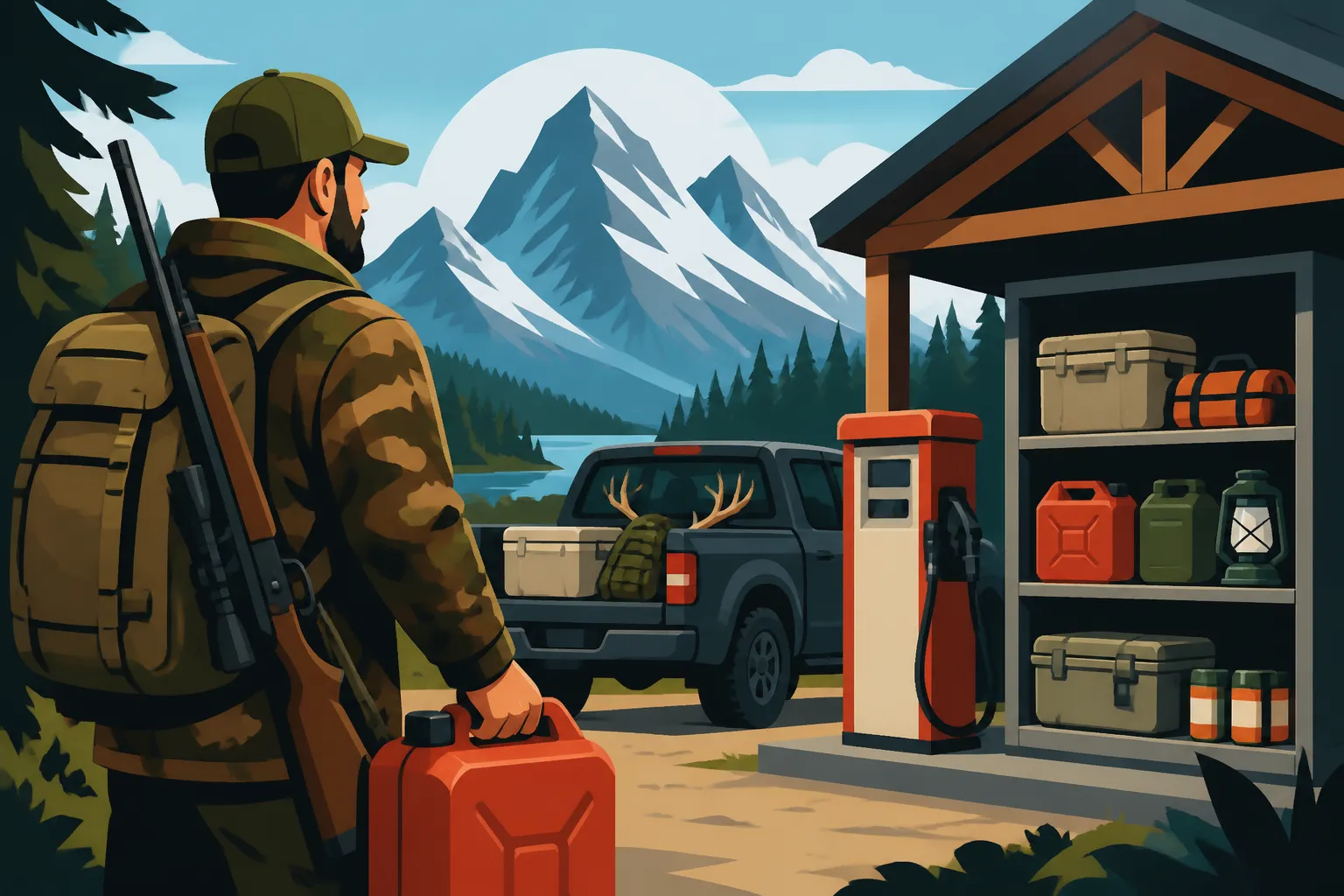
One often-overlooked detail is the specific type of fuel available. While regular unleaded gasoline is almost universally available where there's a pump, premium gasoline or diesel can sometimes be harder to find in the smallest communities. If your hunting rig runs on diesel, make sure to mark out every potential diesel stop on your map. Some very remote stations might even run out of certain fuel types during busy seasons or due to supply chain issues. Carrying an extra jerry can of fuel is not just a good idea; it's often a necessity for peace of mind, especially if you're traveling long distances on rough forest service roads where fuel consumption can increase significantly. For those driving older vehicles or with specialized fuel needs, confirming availability before you embark is a critical step in your trip planning.
| Community Size Category | Typical Fuel Availability | Grocery/Food Options | Gear/Hardware Stores | Notes for Hunters |
|---|---|---|---|---|
| Major City (e.g., Prince George, Fort St. John) | All types (regular, premium, diesel) multiple stations | Full-size supermarkets, specialty stores, restaurants | Multiple options, sporting goods, big box stores | Stock up on everything. Last chance for specialized gear. |
| Large Town (e.g., Terrace, Williams Lake) | Most types, fewer stations; diesel usually available | Mid-size grocery stores, some local restaurants | Basic hardware, possibly small outdoor shop | Good for primary resupply. Check hours for specific needs. |
| Small Town (e.g., Chetwynd, Dease Lake) | Regular, sometimes diesel; limited stations, limited hours | General store, convenience store, very limited fresh food | Very basic hardware, often combined with general store | Essential stops but expect higher prices, limited selection. Call ahead. |
| Remote Outpost/Gas Bar | Regular only, single pump, card-lock possible | Convenience snacks, drinks | Almost none | Emergency fuel only. Don't rely on for full resupply. |
Beyond Fuel: Other Essential Supplies for a Northern BC Hunt
While fuel is often the most pressing concern, a successful and safe hunting trip in Northern British Columbia requires a comprehensive approach to all your supplies. Beyond just the gas tank, you need to think about your pantry, your repair kit, and your ability to communicate and handle emergencies in truly remote environments. The mantra here is "prepare for the worst, hope for the best," and that means having robust reserves of everything you might need.
Groceries and Camp Food
The availability of food, especially fresh produce and specialty items, drops off dramatically the further north and more remote you get. In larger towns, you'll find typical supermarkets, but in smaller communities, you'll likely be limited to a general store with a basic selection of canned goods, dried foods, and perhaps some frozen items. Fresh meat, vegetables, and dairy might be scarce, expensive, or simply not available. This means you need to plan your menus carefully and aim to buy most of your non-perishable food items before you even leave home. Consider vacuum-sealing meals or utilizing dehydrated options to reduce weight and spoilage. Always pack extra emergency rations like energy bars, nuts, or dehydrated meals – enough to sustain you for several extra days in case you get stuck due to weather, road closures, or vehicle trouble. Meat Care in British Columbia's Warm Early Seasons can also dictate what fresh foods you can bring and how long they'll last without proper refrigeration in camp.
Gear and Hardware
Beyond the usual hunting essentials like your rifle, ammunition, and optics, consider the unforeseen. A broken axe handle, a torn tarp, or a malfunctioning headlamp can severely impact your comfort and safety. Hardware stores in northern communities are often small, independent operations that stock core necessities but won't have specialized hunting or outdoor gear. Don't expect to find specific rifle parts, high-end optics, or niche camping equipment in a small town. This means bringing a comprehensive repair kit from home, including items like duct tape, zip ties, a multi-tool, spare batteries for all electronics, and basic vehicle fluids. Think about what could break or wear out and how you would fix it in the field. Having a solid vehicle repair kit, especially for tire issues, is absolutely non-negotiable when traversing remote British Columbia logging roads.
Communication and Safety Supplies
When cell service disappears—which it will, extensively, across Northern BC—your ability to communicate and ensure your safety becomes solely reliant on dedicated devices. While you can fill up on physical supplies in town, a critical "supply" you can't buy at the last minute is robust communication and safety gear. This includes a satellite messenger or a satellite phone, fully charged and tested before you leave. These devices are your lifeline in an emergency. Beyond communication, a comprehensive first-aid kit tailored for backcountry use, bear spray (and knowledge on Bear Safety While Hunting in British Columbia), and navigation tools like a GPS unit (with downloaded maps) and a good old-fashioned compass and physical map are crucial. Even with digital tools like onX Hunt, having physical backups that don't rely on battery power is smart. You might find basic first-aid items at a pharmacy in a larger town, but specialized medical supplies for injuries typical of a backcountry hunt will not be readily available.
Strategic Planning and Tools for Your Supply Run
Getting your supplies organized for a Northern BC hunt is more than just making a list; it’s about strategic planning. It’s about leveraging every available tool to minimize risk and maximize your time in the field. From mapping out every single turn to understanding the nuances of small-town commerce, a thoughtful approach will save you headaches and potentially keep you out of trouble.
Mapping Your Route and Supply Stops
Before you even load your truck, spend significant time with your maps, both digital and physical. Identify your hunting areas, like those you might find detailed in Reading a British Columbia MU Map, and then plot your driving route. Next, layer on potential supply points. Look at the towns along your route and research what services they offer. This is where tools like onX Hunt and GoHunt become invaluable. While they are known for hunting-specific data, many of these platforms also allow you to mark waypoints for gas stations, general stores, or even recreation sites where you might camp to break up a long drive. Look for user-submitted information on fuel availability or services in smaller towns, as this can offer real-time insights that static maps might miss. Always identify primary and secondary supply stops, so if one is unexpectedly closed or out of stock, you have a backup plan. Don't just rely on GPS; have paper maps and know how to use them, especially when you lose satellite signal.
Timing Your Stops
The rhythm of life in Northern British Columbia's smaller communities can be very different from urban centers. Store hours are often shorter, especially on weekends and statutory holidays. Many small businesses close on Sundays, or even have reduced hours throughout the week. A gas station that's open until 10 PM in a major city might close at 6 PM in a tiny northern hamlet. This means you need to factor these limited hours into your travel itinerary. If you're driving long distances, aim to arrive at your key resupply points well before closing time. Don't assume a place will be open because Google says it is – especially in remote areas, information online can be outdated. It's often a good practice to make a quick phone call to verify hours if your arrival is critical. Hitting a town on a long weekend or a provincial holiday can mean everything is shut down, leaving you scrambling. Plan your travel days to coincide with open business hours in the towns you'll depend on for critical refills.
Emergency Reserves
Even the most meticulous planning can't account for every variable in the British Columbia wilderness. Mechanical breakdowns, unexpected road closures (common on active logging roads, or due to weather), or getting turned around in unfamiliar territory can all extend your trip and deplete your reserves. This is why having emergency reserves of fuel, water, and non-perishable food is absolutely non-negotiable. For fuel, consider carrying at least two 20-litre jerry cans, especially if you're venturing deep off pavement. For water, ensure you have enough for drinking and basic hygiene for several extra days, or reliable purification methods. A small, self-contained "survival kit" with fire-starting tools, a space blanket, extra warm layers, and a basic repair kit for your vehicle should always be in your truck. Think about your vehicle's capabilities for Driving a Deactivated Logging Road or other challenging terrain, and pack accordingly. These reserves aren't just about convenience; they're about ensuring your safety and self-reliance when you are truly off the grid and far from any immediate help.
Disclaimer
This article is for general informational purposes only and does not constitute professional advice. Laws, prices and regulations vary by location and change over time. Consult a qualified professional for guidance on your specific situation.