Where First Nations Territory Affects Access
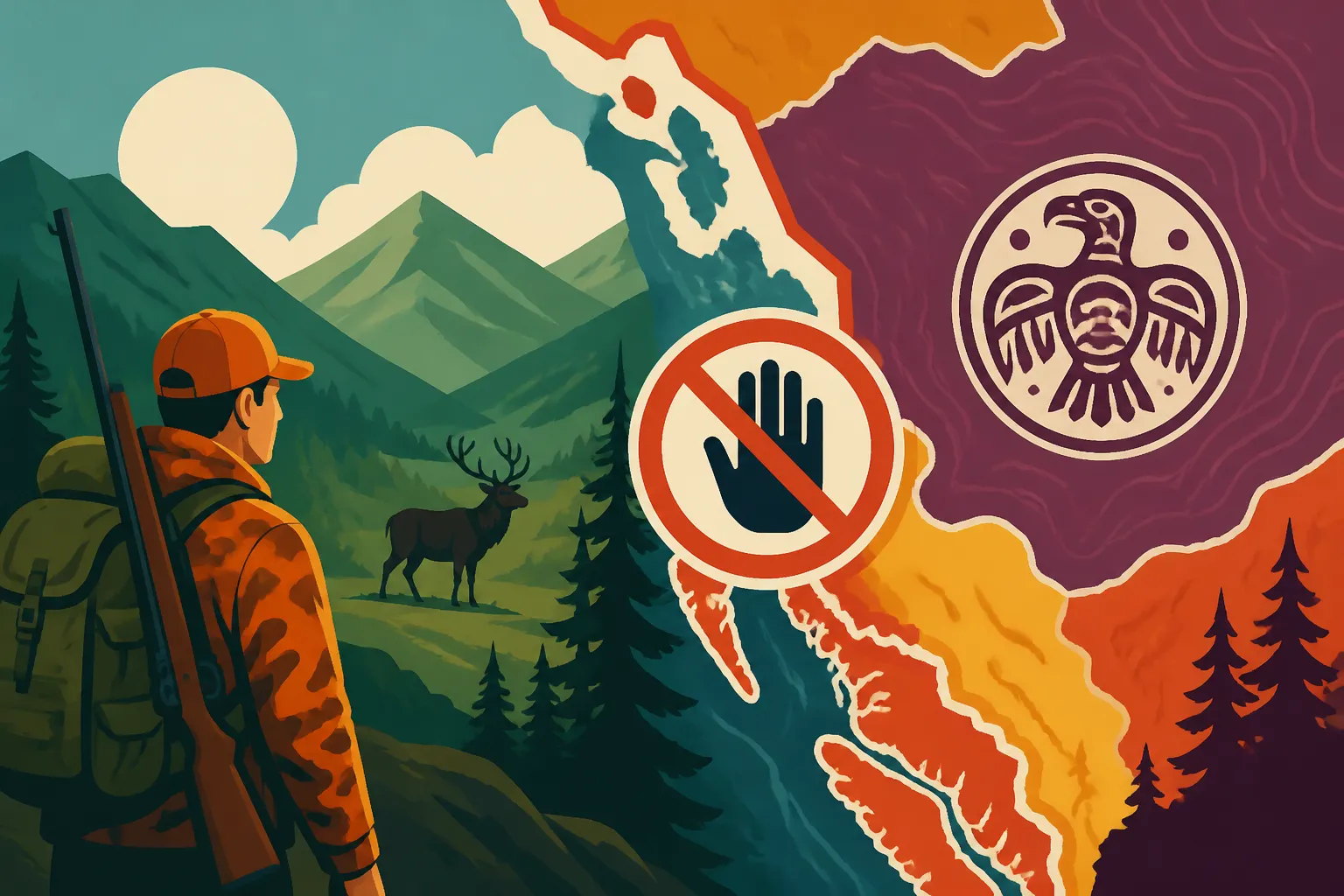
It's incredibly frustrating, isn't it? You spend hours poring over maps, trying to plan your next hunting trip in British Columbia, and then you hit a wall of uncertainty: "What about First Nations territory? Can I hunt there? Who do I even ask?" This isn't just a minor detail; it's a huge piece of the puzzle that often feels opaque and confusing for many hunters, leading to anxiety about inadvertently trespassing or disrespecting Indigenous rights. This guide aims to demystify some of that complexity, helping you understand where First Nations territory affects hunting access and how to navigate these areas with respect and confidence.
The Layered Landscape of British Columbia
British Columbia is a truly vast and magnificent place, but it’s also a land with a deep history and a complex patchwork of land designations. Unlike some jurisdictions where land ownership is a simple binary of public or private, BC includes a crucial third, and often overlapping, layer: First Nations territories. Ignoring this layer isn't just legally risky; it's a profound oversight that prevents us from understanding the true nature of the land we wish to hunt.
Understanding Traditional Territories Versus Reserves
When we talk about First Nations land, it's vital to distinguish between "traditional territories" and "Indian Reserves." This isn't just semantics; it carries significant implications for a hunter.
Traditional territories are the ancestral and unceded lands where Indigenous peoples have lived, hunted, fished, and gathered since time immemorial. The vast majority of British Columbia falls within one or more traditional territories. These are not lands "owned" by the Crown in the same way, but lands over which First Nations assert inherent Aboriginal title and rights. For a hunter, this means that even if a particular area appears as "Crown land" on a general map, it is almost certainly within a traditional territory, and understanding the Nation associated with that territory is a critical step in responsible hunting. While public access on Crown land within traditional territories is generally assumed for activities like hunting, this access is subject to the exercise of Aboriginal rights and title, which are protected by the Canadian Constitution. This is where the waters can get a little murky for many of us, as the exact boundaries and implications are constantly evolving through legal processes and reconciliation efforts.
Indian Reserves, on the other hand, are parcels of land set aside for the exclusive use and benefit of specific First Nations by the federal government under the Indian Act. These are generally much smaller, clearly delineated areas. Think of them like private land – they are not public land, and hunting on a reserve without explicit permission from the Band Council or relevant authority is a clear act of trespass. You wouldn't hunt on a farmer's field without asking, and the same principle, even more so, applies to Indian Reserves. Respecting these boundaries is non-negotiable, and they are usually clearly marked on detailed mapping tools.
Treaties and Modern Agreements
British Columbia has a unique history regarding treaties. For many years, large parts of the province operated without signed treaties, leading to the concept of "unceded" traditional territories. However, this is gradually changing with modern treaty processes. When a modern treaty is signed, it often includes provisions for land settlement (known as Treaty Settlement Lands) and defined hunting, fishing, and trapping rights for the First Nation involved.
These Treaty Settlement Lands are now owned outright by the First Nation, similar to fee-simple private land, and access for non-members, including hunters, is entirely at the discretion of the First Nation. You absolutely need permission to hunt on these lands. The details of these agreements are usually complex, outlining specific rights and responsibilities for both the First Nation and non-Indigenous users. Keeping an eye on these developments, particularly in areas you frequent, is part of being an informed hunter. When you're Scouting a British Columbia Management Unit Online, it's important to cross-reference with information from the specific First Nation or official government sources to understand if modern treaty lands are present.
Navigating Access and Permissions
So, with this complex tapestry of traditional territories, reserves, and treaty lands, how does a hunter practically figure out where they can go? It requires diligence, respect, and a willingness to do your homework.
Utilizing Mapping Tools for Clarity
The first step in responsible access is always robust map-reading. While a general paper map might show "Crown land," more advanced digital mapping tools can provide a clearer picture. Applications like onX Hunt are becoming increasingly popular for their ability to display property boundaries, including, in some cases, Indian Reserves and potentially Treaty Settlement Lands. They won't always label traditional territories directly (because they often cover vast, overlapping areas), but they are invaluable for identifying specific, legally designated First Nations lands where explicit permission is required. Similarly, when using resources like GoHunt to plan your trip, be sure to supplement that information with detailed land status maps.
You'll need to develop a keen eye for detail. Look for any areas marked as "Indian Reserve," "First Nation Land," or similar designations. If you identify such a parcel within your planned hunting area, your immediate next step is to research the specific First Nation associated with it. Don't assume anything. If a logging road runs through a reserve, that doesn't automatically mean you have permission to drive or hunt there. Understanding British Columbia Trespass and Private Land Law is crucial here, as these areas are treated with the same, if not greater, sanctity as any private property.
Respecting Protocols for Engagement
When you identify that your hunting plans might intersect with a First Nation's specific land (like a Reserve or Treaty Settlement Land), or even if you just want to hunt within their broader traditional territory, engaging respectfully is paramount. This isn't about getting a "special permit" for Crown land; it's about acknowledging inherent rights and building relationships.
- Identify the Nation: Research which First Nation or Nations hold traditional territory or specific land titles in your intended hunting area. The First Peoples' Map of B.C. is an excellent resource for identifying traditional territories and the Nations associated with them.
- Seek Contact Information: Look for their official website. Most First Nations have websites with contact information for their Band Office or Lands Department.
- Make Inquiries: If you believe you need explicit permission for an area (e.g., a Reserve or Treaty Settlement Land), initiate contact well in advance. Explain who you are, what you intend to do (e.g., specific hunting activity, dates, location), and politely ask about their access policies for non-members. Be prepared for the answer to be "no," or to be asked to pay a fee, or for there to be no formal process for external hunters.
- Understand "Rules for First Nations Hunting Rights": Remember that First Nations have their own constitutionally protected hunting and fishing rights within their traditional territories, which are distinct from provincial regulations. This means they may be hunting year-round, or using different methods, in ways that are perfectly legal for them. Your provincial licence and tag apply to you, but their rights are paramount within their territories.
Legal Versus Ethical Considerations
It's easy to focus solely on what's "legal" according to provincial regulations, but when it comes to First Nations territories, there's a profound ethical dimension that goes beyond the letter of the law. While you might be legally entitled to hunt on certain Crown land within a traditional territory, ignoring the Indigenous presence or failing to consider their perspective isn't being a responsible hunter.
Ethical considerations mean recognizing the deep cultural and spiritual connection Indigenous peoples have to their lands, waters, and resources. It means understanding that hunting, fishing, and gathering are not just recreational activities for them, but fundamental expressions of their identity, culture, and sustenance. Your actions as an outsider can have an impact on their rights and traditions. Being respectful also means understanding local concerns; for example, if there’s a public access road that runs through a village or near residential areas, use common sense and respect posted signs, just as you would in any community. This level of respect helps foster positive relationships, which ultimately benefits everyone who loves the land.
Why Respect and Knowledge Are Paramount
Hunting in British Columbia offers incredible opportunities, but it also carries a significant responsibility. Understanding and respecting First Nations territory and rights isn't just about avoiding legal trouble; it's about being a truly ethical and informed outdoors person.
The Importance of Relationship Building
While individual hunters may not be directly negotiating treaties, every respectful interaction builds a bridge. When you make an effort to understand the local First Nation's perspective, acknowledge their history, and seek appropriate permissions, you're contributing to reconciliation. This isn't always about a direct conversation with a Band Council; it can also be about educating yourself, being mindful of culturally significant sites, and supporting initiatives that promote Indigenous land stewardship. For instance, some First Nations manage access to certain areas within their traditional territories, even if those are technically Crown land, to protect culturally sensitive sites or wildlife. Adhering to these local guidelines, even if not provincially mandated, shows immense respect.
Think of it this way: when you are navigating British Columbia's Forest Service Road Network, you understand that some roads lead to private property, and you wouldn't just drive onto someone's farm. The principle here is similar, but with a deeper historical and cultural context.
Understanding Indigenous Perspectives on Land
For many Indigenous cultures, the land is not merely a resource to be extracted or a place for recreation; it is the source of life, identity, and spirituality. The concept of "ownership" can be very different, often revolving around stewardship and the responsibility to care for the land for future generations. This perspective is sometimes at odds with Western notions of resource extraction or unrestricted public access.
When you're out Hunting British Columbia's Alpine in September, for example, imagine the generations of Indigenous people who have hunted those same mountains, long before colonial borders were drawn. Their knowledge of the land, its wildlife, and its cycles is profound. While you might not directly interact with them on every hunt, carrying this understanding with you helps you approach the land with greater humility and appreciation. It also influences how you view topics like conservation, game management, and the overall health of the ecosystem.
Legal Implications of Disregarding Rights
Ignoring First Nations rights and designations can have serious legal consequences. As previously mentioned, trespassing on Indian Reserves or Treaty Settlement Lands without permission is illegal and can lead to fines, charges, and the loss of hunting privileges. Beyond specific land parcels, courts have consistently affirmed Aboriginal title and rights across British Columbia's landscape. While the precise implications for everyday hunting on Crown land within traditional territories are still being defined through ongoing legal processes, disrespecting these inherent rights can complicate matters and undermine the spirit of reconciliation.
It's crucial for hunters to stay informed, particularly about any new treaty agreements or land use plans that might emerge in areas they frequent. Ignorance is rarely a valid defence, and as hunters, we are expected to know the laws and regulations of the land we operate on.
Here's a quick comparison of different land designations and their general implications for hunters:
| Land Designation | Description | Typical Hunter Access (Non-Indigenous) | Key Considerations |
|---|---|---|---|
| Crown Land (Unceded Traditional Territory) | Land legally managed by the provincial or federal government, but within the traditional, unceded territory of a First Nation. | Generally open for public hunting according to provincial regulations, but subject to Aboriginal rights and title. | Research the specific First Nation(s). Be aware of any local protocols or closures they may have for cultural or conservation reasons, even if not provincially legislated. Respect inherent Aboriginal rights. |
| Indian Reserve (IR) | Federal land parcels set aside for the exclusive use and benefit of a specific First Nation. | No hunting access without explicit permission from the Band Council or designated authority. Treat as private land. | These are not public lands. Permission is mandatory. Trespassing is illegal. Clearly identified on detailed maps. |
| Treaty Settlement Land | Land parcels transferred to a First Nation under a modern treaty agreement. They now own this land outright. | No hunting access without explicit permission from the First Nation. Treat as private land. | Specific rules are outlined in the treaty. Access is at the First Nation's discretion. These lands may appear differently on maps as their status changes from Crown to private First Nation ownership. |
| Private Land (Non-Indigenous) | Land owned by individuals or corporations (e.g., ranches, private timber holdings). | No hunting access without explicit permission from the landowner. | Permission is always required. Posted "No Trespassing" signs should be strictly adhered to. Applies to large timber holdings as well, such as those that might offer Private Forest Land Access in British Columbia. |
Navigating British Columbia as a hunter means understanding and respecting this intricate land tenure system. It's a journey of continuous learning, but one that enriches your experience and strengthens the fabric of our shared outdoor heritage. Always do your homework, lead with respect, and remember that we are guests on these lands, whether Crown or Indigenous, and our actions reflect on all hunters.
Disclaimer
This article is for general informational purposes only and does not constitute professional advice. Laws, prices and regulations vary by location and change over time. Consult a qualified professional for guidance on your specific situation.