Hunting British Columbia’s Thompson Grasslands
Hunting British Columbia's vast and often challenging Thompson Grasslands can feel like stepping into a different world compared to the dense coastal forests or rugged northern mountains. Many hunters find themselves scratching their heads, wondering how to navigate the sprawling open ranges, private land parcels, and the unique behaviours of game in this distinct environment. This comprehensive guide is designed to cut through that confusion, offering practical strategies and detailed insights to help you successfully plan and execute a hunt in this iconic British Columbia landscape.
The Unique Landscape of British Columbia's Thompson Grasslands
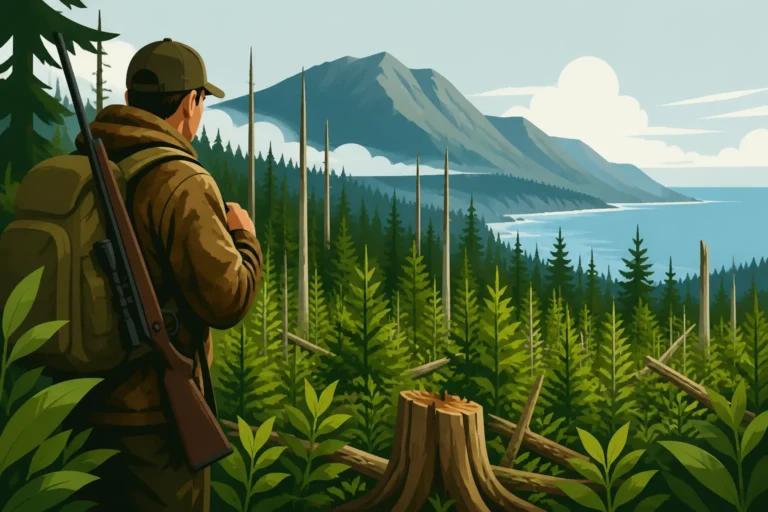
The Thompson Grasslands are an incredible tapestry of sagebrush flats, rolling hills, deep coulees, and scattered Ponderosa pine and Douglas fir stands. It's a land sculpted by ancient glaciers and modern ranching, creating a distinct ecosystem that supports robust wildlife populations, particularly mule deer. Understanding this unique environment is the first step to unlocking its hunting potential. It's not just "open country"; it's a mosaic of habitats, each with its own draws and challenges.
Geology and Vegetation
The underlying geology of the Thompson region largely consists of volcanic and sedimentary rocks, which have weathered over millennia to form the characteristic rolling terrain and fertile valley bottoms. What truly defines the landscape, however, is the vegetation. You'll encounter expansive sagebrush flats, often punctuated by rabbitbrush and various grasses. These areas are vital forage and cover for many species. As you move up in elevation or into cooler, moister draws, the vegetation transitions to stands of Ponderosa pine, recognized by their distinctive orange bark and long needles, and eventually Douglas fir. These timber pockets provide crucial thermal cover and shelter during harsh weather, acting as islands in an ocean of grass and sage.
The varied plant life directly influences game patterns. For instance, in early season, deer might be spread out, grazing on lush grasses in the flats, but as the heat intensifies, they'll often retreat to the cooler, shaded timbered draws or north-facing slopes. Later in the season, when snow begins to fall at higher elevations, these grasslands often become crucial winter range, attracting deer from surrounding areas. Understanding this dynamic interplay between geology, vegetation, and seasonal changes is key to predicting where animals will be at any given time.
Climate and Seasonal Variations
The Thompson Grasslands experience a more arid climate than many other parts of British Columbia, characterized by hot, dry summers and cold, relatively dry winters. This creates distinct challenges and opportunities for hunters. Early fall hunts can mean scorching temperatures during the day, making heat management for both hunters and harvested game a critical concern. You'll need to think about hydration, lighter clothing, and how quickly you can get meat cooled down if you're successful. Keeping Meat Cool in an Early Season is a critical skill here.
As autumn progresses into late fall, the weather can turn dramatically. Warm, sunny days can quickly give way to freezing temperatures and even significant snowfall, especially in November. These weather shifts often trigger migration patterns and can concentrate game. However, they also demand different gear – layers, good insulated boots, and a solid understanding of how weather fronts affect animal movement. The wind, too, is a constant companion in these open landscapes, making scent control and long-range shooting considerations paramount. It's not uncommon to experience calm mornings followed by fierce winds that can make glassing incredibly difficult.
Target Species and Their Habits
While the Thompson Grasslands are renowned for their mule deer, these diverse ecosystems also support other game animals. Knowing what you're hunting and understanding their specific habits in this unique environment is crucial for success. You wouldn't hunt a whitetail in a dense river bottom the same way you'd stalk a mule deer across a sagebrush flat, right?
Mule Deer in the Grasslands
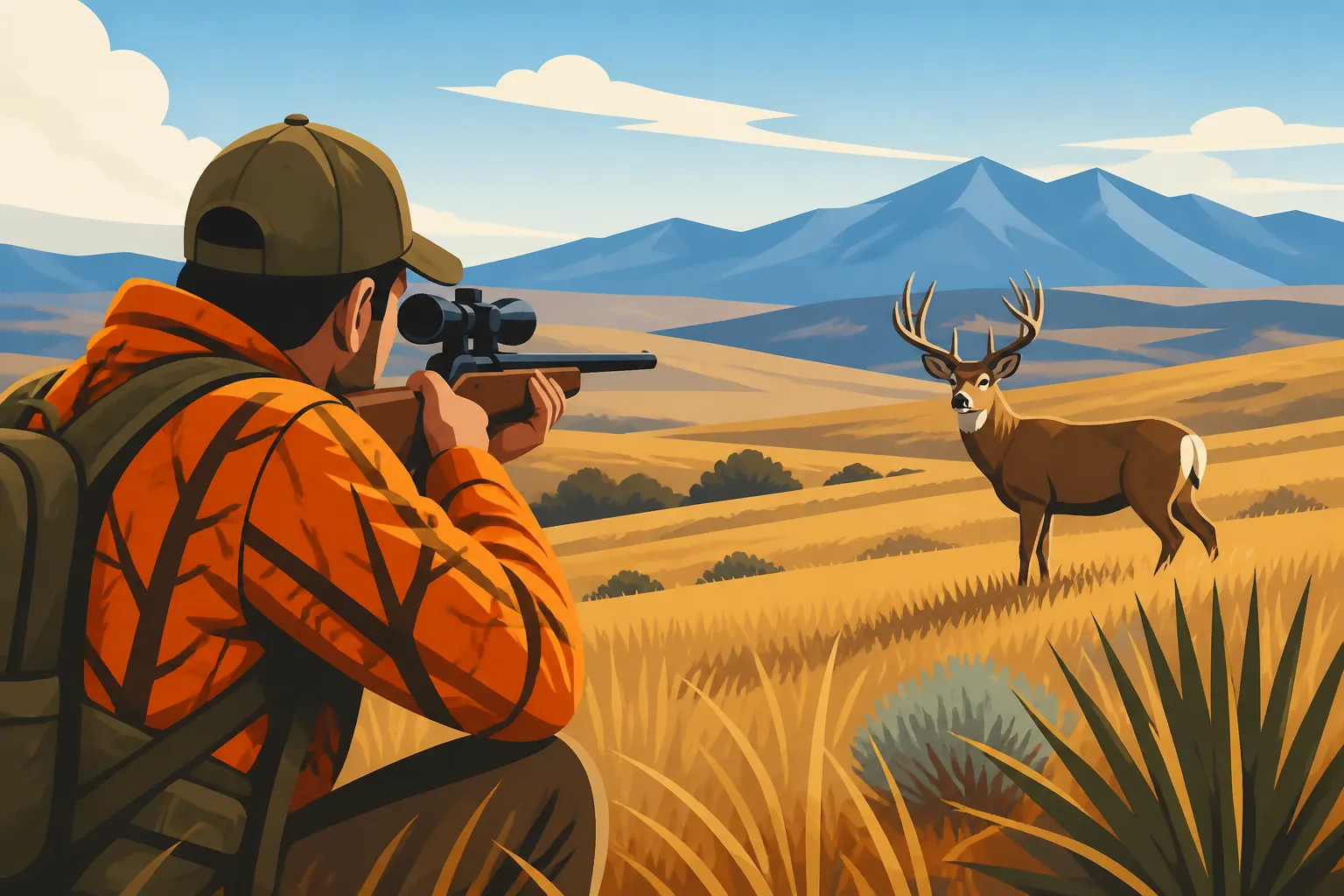
Mule deer are undeniably the kings of the Thompson Grasslands, thriving in the mix of open foraging areas and protective draws. Unlike their mountain-dwelling cousins, these grassland mule deer often use the terrain itself for cover, disappearing into seemingly shallow depressions or behind sparse sagebrush. They become incredibly adept at using even minor topographical features to their advantage. During the early archery seasons, bucks might still be in summer bachelor groups, often found on cooler, higher benches or in secluded timber pockets within the grasslands. As the rut approaches in late October and November, their behaviour shifts dramatically. Bucks become more active, covering vast distances in search of does, making glassing expansive areas particularly effective. When British Columbia's Mule Deer Rut Peaks is a great time to be in these grasslands.
When glassing, look for them feeding in the early mornings and late evenings on the various grasses and forbs, moving towards cover in the middle of the day. They'll often bed on north-facing slopes to escape the sun, or tuck themselves into the bottom of coulees, making them incredibly difficult to spot until they stand up. Pay close attention to subtle movements, a flicker of an ear, or the glint of an antler in the sun. This is where quality optics really shine.
Other Game Opportunities
While mule deer steal the show, the Thompson Grasslands offer other exciting hunting opportunities. White-tailed deer are becoming more prevalent, especially in agricultural areas and riparian zones along river bottoms. They prefer denser cover than mule deer, often sticking to willow thickets, riverine timber, and brushy fence lines. Hunting whitetails here usually involves still-hunting through their preferred cover or setting up stands overlooking pinch points. The grassland edges, where they meet denser timber, can be prime whitetail habitat.
Predators like coyotes are abundant throughout the grasslands, offering year-round hunting opportunities. Calling coyotes can be incredibly effective in this open country, especially in the early mornings or late evenings. Their presence is a constant, and calling them in provides an exciting challenge. In some of the more timbered transitions, you might also find black bears, though they tend to be less common in the open sagebrush proper. Upland birds like blue grouse and ruffed grouse can also be found in the timbered draws and riparian areas, adding another dimension to a fall hunt. Hunting Coyotes on British Columbia Grassland can be an exciting bonus.
Accessing Thompson Grasslands Hunting Areas
Access is often the biggest hurdle for hunters in the Thompson Grasslands. Unlike vast tracts of continuous Crown land found in northern British Columbia, this region features a complex checkerboard of private ranch land, Indian Reserve lands, and Crown land. Navigating this mosaic requires diligent research, respect for private property, and a proactive approach to securing access. Don't assume anything; verify everything.
Navigating Private vs. Crown Land
The Thompson Grasslands are historically ranching country, meaning many of the best-looking draws and valley bottoms are on private land. This can be incredibly frustrating when you're glassing a promising hillside only to realize it's all fenced off. It's absolutely crucial to know exactly where you are and whose land you're on at all times. This is where mapping applications become indispensable. Tools like onX Hunt or similar GPS mapping apps that clearly delineate private and Crown land boundaries are not just helpful; they're essential. They can prevent accidental trespass, which not only carries legal penalties but also tarnishes the reputation of all hunters.
Before you even leave home, spend considerable time poring over maps, identifying accessible Crown land blocks, and noting any potential access points. Be aware that what looks like a public road on a map might turn out to be a private driveway or a road that crosses private land without public access. Always carry physical maps as a backup, especially in areas with no cell service, which is common in the more remote parts of the grasslands. You can also contact local FrontCounter BC offices for information on specific areas. Reading a British Columbia MU map and understanding the regional boundaries is a vital skill.
Forest Service Roads and Rancher Relations
British Columbia's extensive network of Forest Service Roads (FSRs) also extends into the timbered sections bordering the grasslands, providing access to higher elevation Crown land. However, many FSRs in this region traverse or dead-end on private land, particularly working ranches. It's imperative to respect all gates, signage, and private property. Never assume a gate is open simply because it's not locked. Always err on the side of caution. If a gate is closed, assume it's for a reason.
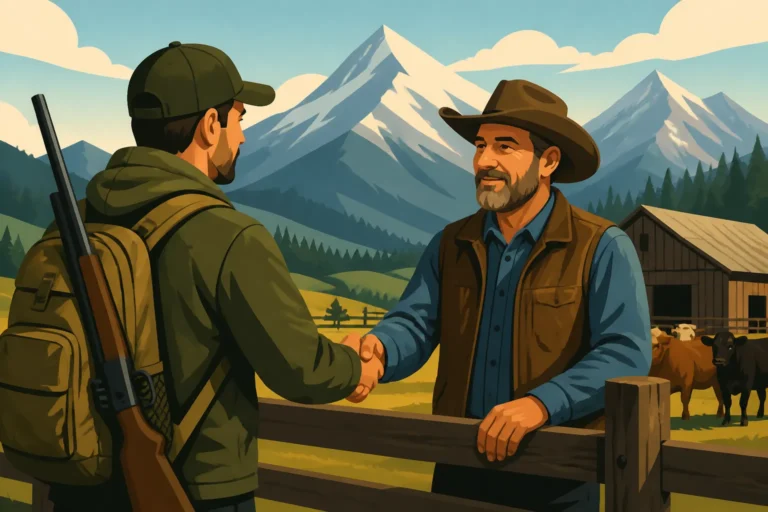
Developing good relationships with local ranchers is a golden rule here. Sometimes, simply knocking on a door and politely asking for permission to cross their land, explaining your intentions, can open up a world of opportunity. Be prepared for a "no," but also be surprised by a "yes." If granted access, be an exemplary guest: leave gates as you found them (open or closed), drive slowly, avoid disturbing livestock, pack out all your trash, and certainly don't leave any bullet casings or trash. A simple "thank you" or a small gesture of appreciation (like helping with a fence post or offering to check a remote water trough) can go a long way in fostering positive relations and potentially securing future access. Remember, ranchers are often tired of dealing with irresponsible hunters; be the one who changes their perception. Asking a British Columbia Rancher for Access is a skill worth cultivating.
| Access Type | Characteristics | Hunter Responsibility |
|---|---|---|
| Crown Land (Accessible) | Public land, often accessed via FSRs or established trails. | Follow all regulations, leave no trace, be aware of others. |
| Crown Land (Landlocked) | Public land surrounded by private property. | Requires permission to cross private land to access. |
| Private Ranch Land | Actively managed property, livestock present. | Strictly requires explicit permission from landowner. Respect property and livestock. |
| Indian Reserve Lands | First Nations land, unique governance. | Access typically requires permission from Band Council or specific permit. |
| Deactivated FSRs | Roads that are closed to vehicles, often gated. | Legal to walk/bike, but vehicles prohibited. Gate means no vehicle passage. |
Effective Hunting Strategies for the Thompson Grasslands
Hunting the Thompson Grasslands requires a different set of skills and strategies than hunting in dense timber or rugged mountains. The open nature of the terrain means stealth and long-range observation are paramount. You can't just crash through the bush and expect to jump a buck. It's about patience, optics, and smart movements.
Glassing for Success
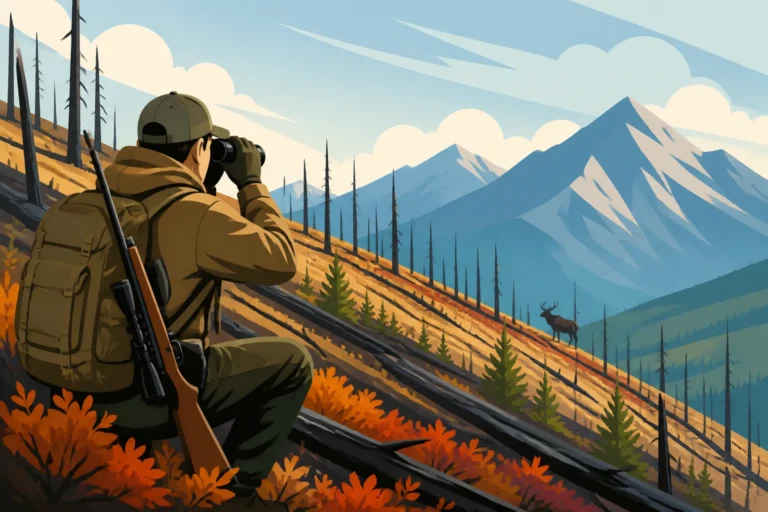
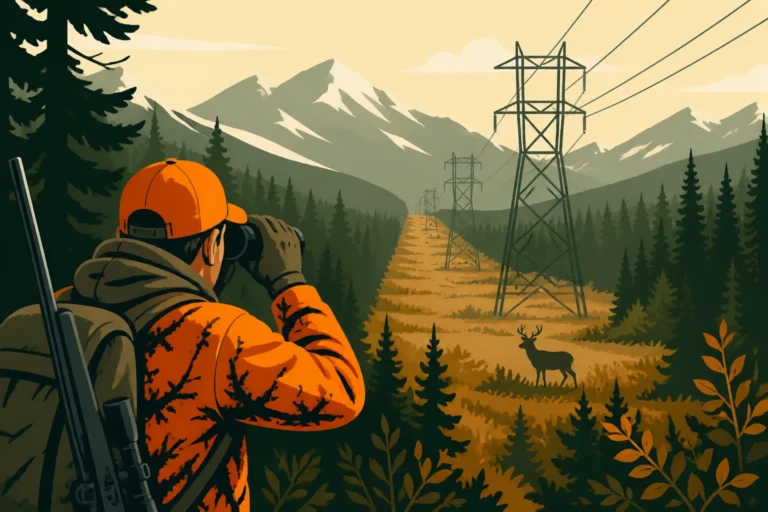
In the Thompson Grasslands, your binoculars and spotting scope are arguably more important than your rifle. This is glassing country, pure and simple. You need to find a vantage point – a ridge, a high knoll, or a bench – that allows you to scan vast areas. Spend hours, not minutes, meticulously picking apart the landscape. Focus on shaded areas, the bottoms of coulees, the edges of timber pockets, and any breaks in the terrain where a deer might bed. Look for shapes, colours, or movements that seem out of place. A horizontal line against vertical sagebrush, a patch of grey that's just a little too uniform, or the subtle twitch of an ear are often the first clues. Glassing an Interior Hillside for Mule Deer is the name of the game here.
Use a tripod for your binoculars and spotting scope; it makes a huge difference in reducing fatigue and steadying your view, allowing you to pick up on those tiny details. Scan in grids, systematically covering every inch of ground. Don't just look for an entire deer; look for parts of a deer – an antler tip, a shadow, a leg. It's surprising how well a mule deer can blend into a sagebrush flat, even when it seems like there's nowhere to hide. Patience is rewarded here; the more time you spend behind glass, the higher your chances of spotting game before it spots you.
Stalking and Approaching Game
Once you've spotted your target, the real challenge begins: the stalk. Because of the open nature of the grasslands, approaching within shooting range without being detected can be incredibly difficult. This is where a detailed understanding of the terrain, wind, and animal behavior comes into play. Plan your approach meticulously, using every dip, rise, and patch of cover to your advantage. Crawl if you have to, or use slow, deliberate movements. Always keep the wind in your face or quartering. The sharp nose of a mule deer will pick up your scent long before its eyes do.
Pay close attention to the sun's position – don't let your shadow alert the animal. If the animal moves, adjust your stalk accordingly. Sometimes, the best strategy is to sit and wait, letting the deer move into a more favourable position or closer to you. Be prepared for long shots; practice shooting from various positions (prone, kneeling, using your pack as a rest) and at longer distances before your hunt. It's a different game than shooting at 50 yards in dense forest. Stalking a Bedded Buck in Open Timber covers some critical concepts applicable to the grassland edges as well.
Key Considerations for Bowhunters
Bowhunting in the Thompson Grasslands presents a unique blend of challenge and reward. The open terrain means getting within typical bowhunting range (often 40 yards or less) is incredibly difficult. This demands even more precision in glassing and stalking. Bowhunters must become masters of concealment and patience. Decoys can sometimes be effective, especially during the rut when bucks are less cautious, but they require careful setup and understanding of the wind.
Water sources, especially in dry years, can be natural ambush points in the early season. Setting up a ground blind near a secluded waterhole or a well-used game trail can be an effective tactic. During the rut, rattling and calling can draw bucks in, but again, the open ground means they'll often spot you if you're not perfectly concealed. For bowhunters, the preparation, physical fitness for long stalks, and intimate knowledge of the area are amplified. Bowhunting British Columbia's September Seasons provides excellent general advice for archers that applies here.
Planning Your Thompson Grasslands Hunt
A successful hunt in the Thompson Grasslands isn't just about what you do in the field; it's heavily dependent on thorough planning and preparation. From understanding the regulations to having the right gear, every detail matters in this challenging environment.
Regulations and Seasons
Before you even dream of spotting a trophy buck, you need to understand the specifics of British Columbia's hunting regulations, especially for the Thompson region. The province is divided into Management Units (MUs), and regulations, season dates, and bag limits can vary significantly from one MU to the next, sometimes even within a short driving distance. You'll need to know whether you're in a General Open Season (GOS) area or a Limited Entry Hunting (LEH) zone, and what the specific antler restrictions are (e.g., four-point antler restrictions for mule deer in many areas).
Always consult the most current British Columbia Hunting and Trapping Synopsis well in advance of your hunt. This document is your bible. Pay close attention to season dates for mule deer, white-tailed deer, and any other species you plan to pursue. Use tools like the provincial online mapping system or apps like onX Hunt to cross-reference MU boundaries with the regulations. Applying for LEH draws (if applicable for your desired species/zone) also has strict deadlines, so plan ahead. British Columbia's Management Units and Regions and British Columbia Big Game Season Dates are crucial resources to review.
Essential Gear and Equipment
Given the open terrain and variable weather of the Thompson Grasslands, your gear choices are critical.
- Optics: As mentioned, high-quality binoculars (10×42 or 10×50), a spotting scope (15-60x or 20-60x), and a sturdy tripod are non-negotiable.
- Mapping & Navigation: A reliable GPS unit with detailed topo maps, or a mapping app like onX Hunt on your smartphone/tablet, is essential for identifying property lines and navigating. Always have a physical map and compass as backup.
- Footwear: Comfortable, broken-in hiking boots with good ankle support are a must for covering many miles over uneven terrain. Consider gaiters to keep sagebrush seeds and dirt out.
- Clothing: Layering is key. Start with moisture-wicking base layers, add insulating mid-layers, and finish with a quiet, breathable, and weather-resistant outer shell. Blaze orange requirements apply during certain seasons for safety.
- Water & Food: Carry ample water, especially in early season. A good hydration pack is recommended. Non-perishable, high-energy snacks are perfect for long days.
- First Aid & Safety: A comprehensive first-aid kit, bear spray (even if bears are less common in open country, they are present), a headlamp, fire starter, and emergency shelter are vital. A satellite messenger (e.g., inReach, Zoleo) is highly recommended for areas without cell service. Emergency Planning in British Columbia's Backcountry is something every hunter needs to consider.
- Firearms/Archery Equipment: Ensure your weapon is sighted in and you're proficient with it at various ranges, including longer distances. Bring enough ammunition or arrows.
- Game Care: Field dressing kit, game bags, and knowledge of how to quickly cool and pack out meat are essential. The Thompson can get warm, so prompt meat care is crucial.
Physical Conditioning
Hunting the Thompson Grasslands often involves covering significant distances on foot, sometimes over steep, broken terrain, carrying heavy packs. Don't underestimate the physical demands. Many hunters envision an easy truck hunt, but the best spots often require miles of walking beyond the nearest road. Carrying a heavy pack with meat out of a deep coulee is no joke. Prioritize physical conditioning in the months leading up to your hunt. Focus on cardiovascular endurance, leg strength, and core stability. Long hikes with a weighted pack are excellent training. Being in good shape not only increases your chances of success but also significantly improves your safety and enjoyment of the hunt.
Respecting the Land and Its Inhabitants
Hunting in British Columbia's Thompson Grasslands is a privilege that comes with a significant responsibility to respect the land, its wildlife, and its human residents. Our actions, or inactions, reflect on the entire hunting community. Leave it better than you found it.
Ethical Hunting Practices
Adhering to ethical hunting practices is non-negotiable. This means knowing and following all regulations, making ethical shot choices, and ensuring a quick, humane kill. Take only clean shots at animals within your effective range. If you wound an animal, do everything in your power to track and recover it. Wasting game meat is not only illegal but deeply unethical. The effort you put into recovering an animal, even if it's difficult, speaks volumes about your character as a hunter.
It also means respecting the animals themselves. Avoid unnecessary stress or harassment. Our role as hunters is to be stewards of the land and its wildlife, not simply harvesters.
Minimizing Impact and Leave No Trace
The principles of "Leave No Trace" are particularly important in the accessible and often-used Thompson Grasslands. Pack out all your garbage, including spent shell casings, food wrappers, and anything else you brought in. Avoid driving off-road or creating new trails that can damage sensitive ecosystems. Respect closed roads and areas, and understand that even driving on some open FSRs requires responsible conduct, especially around other users.
When camping, use established sites or practice dispersed camping responsibly, ensuring your impact is minimal. Fires are a major concern in the dry grasslands; always check current fire restrictions and, if fires are permitted, ensure they are completely extinguished before you leave. The goal is that no one should know you were there, except for your tire tracks on a main road and perhaps a blood trail leading to a successfully harvested animal.
Coexisting with Ranching and Agriculture
The Thompson Grasslands are working landscapes. You'll encounter active ranching operations, cattle grazing, and potentially agricultural fields. Understand that your presence, while legal on Crown land, can impact these operations. Give livestock a wide berth, and never harass them. If you see cattle, simply move away quietly. Report any concerns about livestock to the rancher or relevant authorities, not by taking matters into your own hands.
Remember, ranchers are often critical allies for hunter access. Building trust and demonstrating respect for their livelihood can lead to long-term positive relationships and ensure continued access for future generations of hunters. If in doubt, remember that a friendly wave and respectful demeanor go a long way.
Disclaimer
This article is for general informational purposes only and does not constitute professional advice. Laws, prices and regulations vary by location and change over time. Consult a qualified professional for guidance on your specific situation.