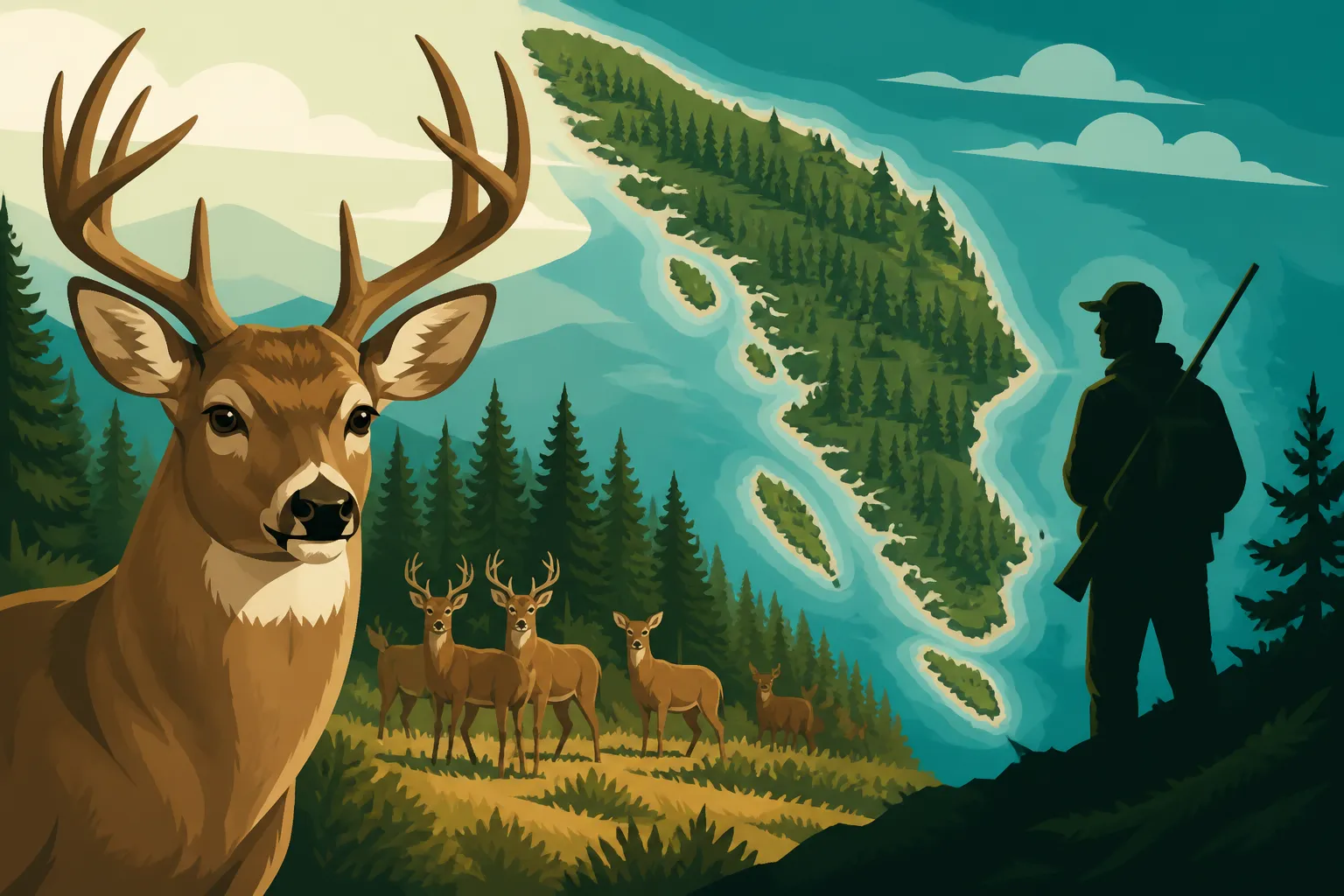
Why Haida Gwaii Holds So Many Deer
If you've ever heard whispers about deer hunting on Haida Gwaii, the first thing that probably comes to mind is an almost unbelievable abundance of black-tailed deer. It's not just a rumour; for many hunters, the sheer number of deer on these remote islands off British Columbia's coast feels almost too good to be true. But what exactly makes this isolated archipelago such a deer haven? This comprehensive guide will explore the unique ecological, historical, and environmental factors that have turned Haida Gwaii into a thriving, deer-rich landscape.
The Unintended Legacy: How Sitka Blacktails Colonized Haida Gwaii
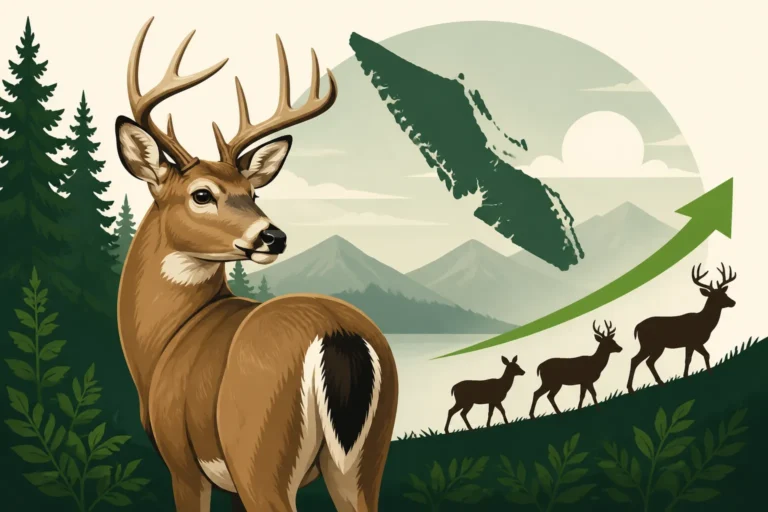
The story of Haida Gwaii's prolific deer population isn't one of natural evolution in isolation; it's a tale deeply rooted in human action and the resilience of a species. Unlike the native black-tailed deer found on Vancouver Island or the mainland coast, the deer of Haida Gwaii are primarily Sitka black-tailed deer, a subspecies originally introduced to the islands.
Early History and Purpose of Introduction
The introduction of Sitka black-tailed deer to Haida Gwaii, then known as the Queen Charlotte Islands, was not an accidental event. It happened in the early 1900s, driven by a desire to provide a reliable food source for the burgeoning communities and logging camps on the islands. Hunters and settlers brought deer over from various coastal mainland locations, primarily from what is now known as coastal British Columbia. These were not the larger Rocky Mountain elk or moose, but the smaller, hardy blacktail, well-suited to the rugged coastal terrain. The thinking was practical: a sustainable, accessible protein source in a remote environment where other game might be scarce or difficult to secure. The initial releases were relatively small, but the conditions they encountered were nothing short of ideal for their proliferation.
When we talk about coastal blacktail versus Sitka blacktail, it's important to understand that while they are both subspecies of black-tailed deer, the Sitka deer adapted particularly well to the unique island environment. The lack of significant natural predators and an abundance of forage meant that even a small founding population could expand rapidly.
Rapid Population Growth and Ecological Impact
Once established, the Sitka black-tailed deer population exploded. With no large predators to keep their numbers in check, and an endless buffet of vegetation, their reproductive rates soared. Does often had twins, and fawns had high survival rates. This unchecked growth led to a dramatic transformation of the island's ecosystem. What was once a dense, multi-layered forest floor with a rich diversity of plants began to change. Deer browsed heavily on preferred species, leading to a noticeable browse line in many areas, where all palatable vegetation below a certain height was consumed.
This phenomenon isn't just an interesting ecological observation; it profoundly impacts the forest structure, affecting everything from understory plants to tree regeneration. Over time, species less palatable to deer, or those that could grow quickly past the browse line, gained an advantage. This altered vegetation directly impacted other species that relied on the original plant communities, from insects to birds. The sheer density of deer became a defining characteristic of Haida Gwaii, a unique situation in the broader context of Black-Tailed Deer Hunting in British Columbia.
A Bountiful Ecosystem: Habitat and Food Resources
Beyond the initial introduction, the geographical and ecological characteristics of Haida Gwaii have played an equally crucial role in sustaining such a high deer population. These islands offer a near-perfect storm of resources for black-tailed deer.
The Lush Coastal Environment
Haida Gwaii is characterized by a humid, temperate rainforest climate. This means consistent rainfall and mild temperatures, rarely dipping to extreme lows or climbing to scorching highs. This environment fosters incredibly lush and diverse vegetation year-round. While heavy rainfall can sometimes make Hunting British Columbia's Coastal Rain a challenge for hunters, it's a boon for deer. The mild, moist conditions contribute to a long growing season, ensuring that new shoots, berries, and fungi are available for much of the year.
The islands are a mosaic of old-growth forests, second-growth timber, and clearcuts, particularly near old logging operations. Each of these habitat types, from the dark, mossy old growth to the sun-drenched, regenerating clearcuts, provides different yet essential resources for deer. Old growth offers shelter from heavy rains and wind, while younger, disturbed areas provide a smorgasbord of palatable browse. This variety ensures that deer have diverse options for food and cover, adapting to the changing seasons and weather patterns.
Abundant Forage and Lack of Competition
The forest understory on Haida Gwaii is a veritable grocery store for deer. Species like salal, huckleberry, ferns, and various mosses are incredibly abundant and highly nutritious. Without other large ungulates like moose or elk, which compete for similar forage on the mainland, the deer have had exclusive access to these resources. This lack of interspecies competition means less pressure on the food supply, allowing a greater number of deer to thrive on the same amount of land.
The relatively mild winters further contribute to this advantage. Unlike many interior regions of British Columbia where deer face harsh conditions and limited food during deep snow, Haida Gwaii winters are much milder. This significantly reduces winter mortality, a major limiting factor for deer populations elsewhere. Deer expend less energy simply surviving, which means more energy for reproduction and growth. It's a key reason why deer here, though a similar What a Coastal Blacktail Weighs to their mainland cousins, tend to be incredibly robust.
Mild Winters and Minimal Snowpack
One of the most critical factors influencing deer populations is winter severity. In many parts of British Columbia, deep snow, prolonged cold snaps, and ice crusts can decimate deer herds. Haida Gwaii, however, benefits from a moderating oceanic climate. While storms can be intense, persistent deep snow is rare, especially in coastal lowlands where deer spend much of their time.
The minimal snowpack means deer can access forage throughout the winter months, browsing on evergreens and any new growth that emerges. They don't face the same energy demands as deer in, say, the Cariboo or Kootenays, where they might struggle to find food under feet of snow. This ease of winter survival is a massive advantage, ensuring a higher overwinter survival rate for fawns and adults alike, contributing directly to the high population density observed across the islands. For those looking to research specific hunting opportunities or management units, resources like GoHunt often highlight these environmental differences that influence game populations.
Predator Dynamics: A Key Imbalance
While habitat and introduction are crucial, the true secret to Haida Gwaii's deer explosion lies in the unique predator landscape – or rather, the lack thereof. The absence of traditional large deer predators creates an almost unparalleled situation for ungulate survival.
The Absence of Major Deer Predators
The most significant factor contributing to the deer explosion on Haida Gwaii is the historical absence of large, effective predators of deer. Unlike the mainland, where wolves, cougars, and even British Columbia's black bears regularly prey on deer, these apex predators were not naturally present on Haida Gwaii when the Sitka blacktails were introduced. This created an ecological vacuum.
With no natural checks on their numbers, deer could reproduce without significant fear of predation. While black bears are present on Haida Gwaii, their impact on healthy adult deer populations is generally less severe than that of wolves or cougars. Bears may take fawns or weakened adults, but they typically don't regulate deer populations in the same way that specialized deer predators do. This critical imbalance allowed deer numbers to swell, filling every available niche. Understanding this unique dynamic is key when Scouting a British Columbia Management Unit Online for these islands.
The Role of Wolves and Bears on the Mainland vs. Haida Gwaii
To truly appreciate the Haida Gwaii situation, it helps to contrast it with mainland British Columbia. On the mainland, Wolf Packs on British Columbia's Coast and cougars exert significant pressure on deer populations. Wolves, particularly, are highly efficient predators, often targeting deer in packs and contributing to natural population regulation. Cougars are solitary hunters, but they are also incredibly effective at taking down deer. This natural predator-prey relationship helps to keep deer numbers in balance with their environment, preventing overgrazing and ensuring healthier herds.
On Haida Gwaii, without these primary predators, the deer population essentially became an uncontrolled experiment. There was nothing to thin the herds when food became scarce, or to cull the weak and old, which could lead to resource competition during leaner times. This has led to some of the highest deer densities in North America, a stark contrast to many mainland regions where hunters must work hard to find Mule Deer Across British Columbia's Interior or White-Tailed Deer in British Columbia's Valleys.
Here's a quick comparison of factors:
| Factor | Mainland British Columbia | Haida Gwaii (Sitka Blacktail) |
|---|---|---|
| Primary Deer Predators | Wolves, Cougars, Bears | Primarily Bears (less effective at population control), Eagles, Lynx |
| Winter Severity | Varies widely, can be harsh with deep snow and cold | Generally mild, minimal persistent deep snow |
| Forage Competition | Significant (Elk, Moose, other deer species) | Minimal (deer are the dominant large herbivore) |
| Introduced Species | Various, but Sitka Blacktail are native subspecies in some areas | Sitka Blacktail deer introduced and thrived |
| Habitat Diversity | Vast and varied, from coastal rainforests to interior grasslands | Temperate rainforest, dense second-growth, clearcuts |
| Population Density | Moderate to high, influenced by localized factors and predation | Extremely high, often leading to overbrowsing in specific areas |
Hunter Access and Management Challenges
The abundance of deer on Haida Gwaii naturally makes it an attractive destination for hunters. However, the unique geography and the need for careful ecological management present their own set of considerations for anyone looking to hunt these islands.
Unique Hunting Regulations and Pressures
Given the high deer population, hunting regulations on Haida Gwaii often reflect a management strategy aimed at controlling numbers. Bag limits for deer can be quite generous compared to other regions of British Columbia, and seasons might be longer or offer more opportunities. This is a direct response to the ecological impact of such a dense deer population. The province, often in consultation with local communities and stakeholders, aims to use hunting as a primary tool to help mitigate overbrowsing and its effects on the ecosystem.
Hunters need to be acutely aware of these specific regulations, which can differ significantly from those on the mainland. It's not just about understanding British Columbia's Species Licences and Tags; it’s about delving into the nuances of the specific Management Units that comprise Haida Gwaii. Always check the current British Columbia's Two-Year Regulations Synopsis for the most up-to-date information for Region 6 (Skeena) and the specific MUs on the islands. Access to accurate and current information is paramount, and many hunters find online resources, including detailed mapping from services like GoHunt, invaluable for planning a trip to such a unique region.
Balancing Conservation with Deer Numbers
The overwhelming success of the Sitka black-tailed deer on Haida Gwaii presents a fascinating, yet complex, conservation challenge. While hunters appreciate the abundance, the ecological community grapples with the long-term effects of an unnaturally high deer population on native plant species, forest regeneration, and the habitat of other wildlife. Managing deer numbers is not just about providing hunting opportunities; it's about ecosystem health.
Efforts to balance these factors include monitoring vegetation health, assessing deer population trends, and adjusting hunting regulations as needed. For hunters, this means an opportunity to contribute directly to conservation efforts by participating in a management strategy that aims to bring the ecosystem back into a more natural balance. This might involve longer seasons, higher bag limits, or targeted hunts in specific areas where deer impact is most severe. Regardless of your hunting method, whether you're interested in Bowhunting British Columbia's September Seasons or Rifle Hunting British Columbia's General Open Seasons, Haida Gwaii offers a unique experience, allowing you to witness firsthand the power of an ecosystem shaped by a single, dominant species. It's a testament to the dynamic nature of wildlife management and the profound impact of even seemingly minor human interventions.
Disclaimer
This article is for general informational purposes only and does not constitute professional advice. Laws, prices and regulations vary by location and change over time. Consult a qualified professional for guidance on your specific situation.