Blacktail Numbers on Vancouver Island
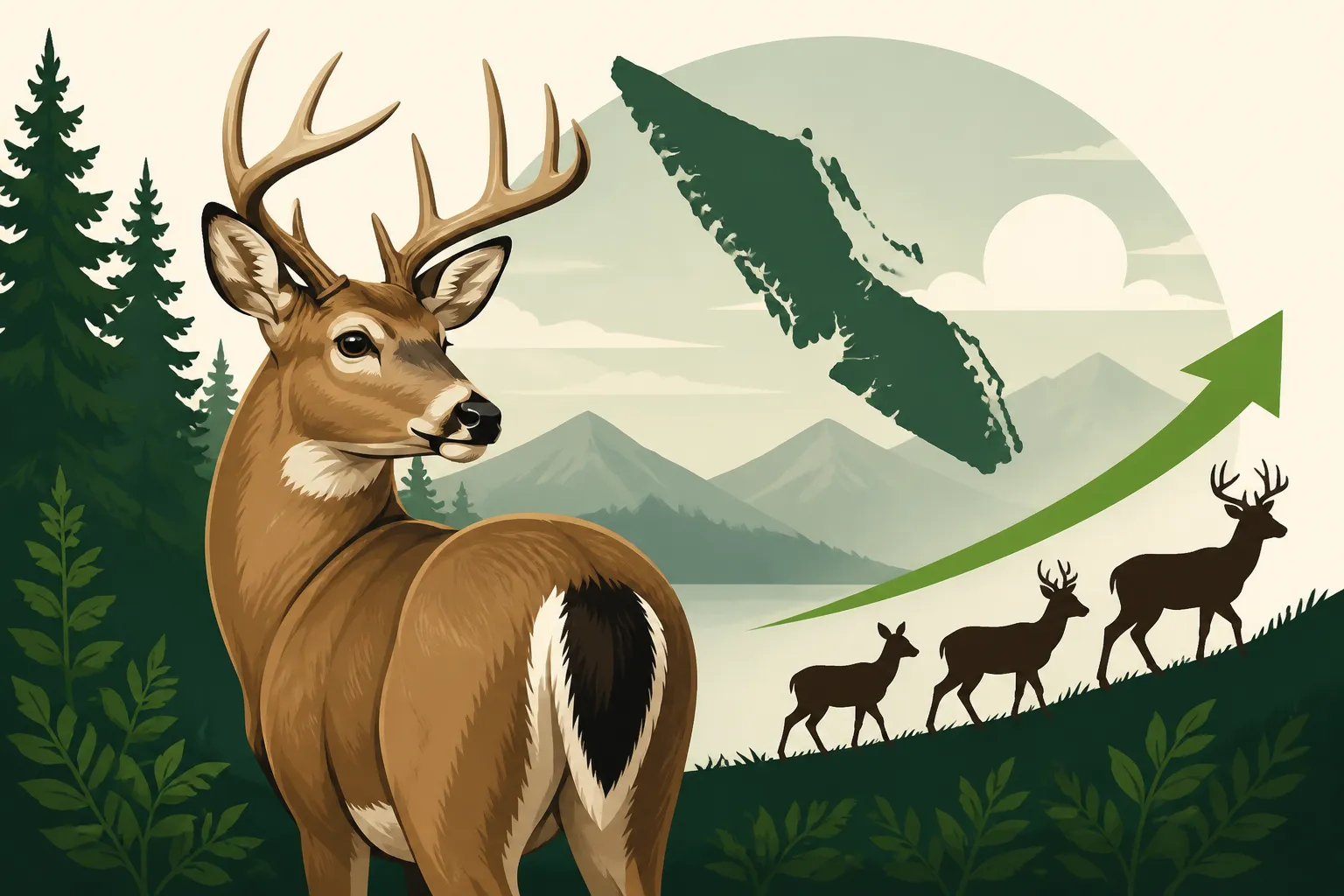
For many hunters, the quest to understand the health and distribution of blacktail deer on Vancouver Island is a perennial challenge. It’s not just about finding a buck; it’s about grasping the bigger picture of what's happening with these elusive creatures, from their preferred habitats to the pressures they face. This comprehensive guide will dive deep into the current understanding of blacktail numbers across Vancouver Island, helping you navigate the complexities of their population dynamics, the factors influencing them, and how you, as a hunter, fit into their future.
Understanding the Blacktail Deer Population on Vancouver Island
Let's be real, you hear all sorts of anecdotal evidence around the campfire or in the local gear shop about blacktail deer numbers on Vancouver Island. Some folks swear they're seeing more than ever, while others lament a perceived decline. It's a complex picture, and it's heavily influenced by a myriad of environmental factors, human activity, and natural cycles that are constantly at play. Understanding the underlying trends is key to being a responsible and successful hunter here.
Historical Trends and Current Estimates
Historically, Vancouver Island has been renowned for its robust blacktail deer populations. These coastal deer, often a sub-species of the larger black-tailed deer, thrive in the unique temperate rainforest environment of the island. For generations, they've been a staple for local hunters. However, like many wildlife populations, their numbers have seen their ups and downs over time. Factors such as severe winters, logging practices, and changing predation pressures have all left their mark.
While getting precise, real-time population numbers for any wild animal is incredibly difficult, wildlife biologists and managers use various methods, including harvest data, aerial surveys, and field observations, to make informed estimates. What we know is that blacktail deer remain widely distributed across the island, though their density can vary significantly from one management unit to another. It's not a static number, but rather a constantly fluctuating estimate that requires ongoing monitoring.
Many keen hunters will tell you that while the numbers might not be what they were in the "good old days" in some areas, other regions are seeing healthy, stable populations. It really boils down to understanding the specific areas you're hunting and doing your homework, which often means looking beyond broad statements to localized data if you can find it. Tools like GoHunt can sometimes aggregate information that helps paint a clearer picture of regional trends.
Factors Influencing Blacktail Numbers
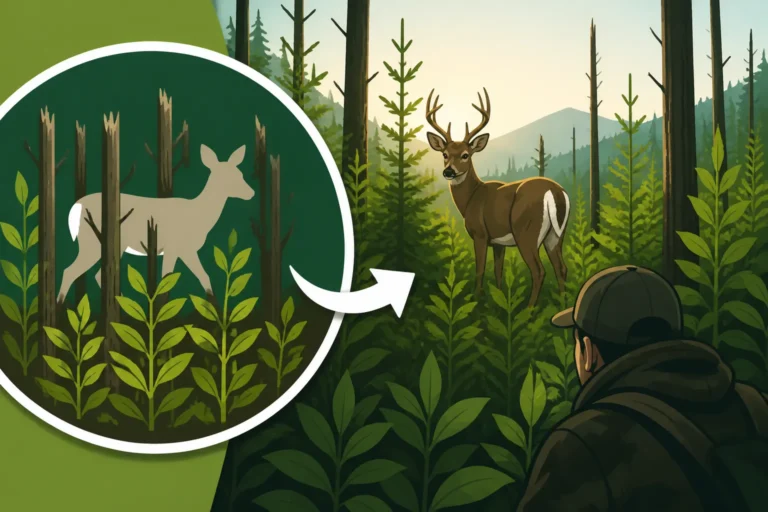
So, what exactly drives these fluctuations in blacktail numbers? It's never just one thing, but a delicate balance of ecological forces. Habitat is, without a doubt, the most critical factor. Blacktail deer rely heavily on the diverse cover and forage provided by Vancouver Island's forests, especially areas of regenerating clearcuts and mature timber. The way logging practices have evolved, the age of specific cutblocks, and the prevalence of old growth edges all play a role in how deer utilize the landscape. You can learn more about how deer use various types of habitat by reading about how blacktail use second growth.
Weather patterns are another huge player. Harsh, prolonged winters with deep snow can significantly impact fawn survival rates and the overall health of the herd. Conversely, mild winters can lead to higher survival and better recruitment into the breeding population. Disease, though less frequently observed than in some other deer species, can also impact localized populations.
Predation is a natural and often significant factor on Vancouver Island. Cougars and wolves are apex predators here, and their populations naturally influence deer numbers. Understanding this dynamic is crucial, as a healthy predator population usually indicates a healthy ecosystem, even if it means fewer deer in specific areas at certain times. It's a tough pill for some hunters to swallow, but it's the reality of a functioning wilderness.
Regional Variations Across the Island
Vancouver Island isn't a monolithic block when it comes to blacktail habitat; it's a mosaic of different ecosystems, elevations, and land use patterns. This means that blacktail numbers and densities can vary dramatically from the rain-drenched coastal lowlands to the more rugged, higher elevations. For instance, populations in the relatively accessible southern regions, closer to urban centres, might face different pressures than those in the more remote northern reaches.
Areas with a history of intensive logging, particularly those with a good mix of early seral (young, regenerating) habitat and sufficient thermal cover, tend to support higher blacktail densities. These clearcut edges and growing forests provide abundant forage that deer absolutely feast on. On the other hand, vast tracts of mature, dense forest, while offering excellent cover, might have less available forage on the forest floor, leading to lower deer densities.
Hunters often discuss the nuances of specific areas. Some swear by the productive second-growth forests around Campbell River, while others prefer the remote wilderness farther north for a different kind of challenge. Understanding these nuances often comes from years of boots-on-the-ground experience and cross-referencing with data sources. Checking into specific Vancouver Island Management Units and Access can give you a better idea of what to expect in different parts of the island.
Here's a simplified look at how some factors might influence blacktail numbers across the island:
| Factor | Coastal Lowlands (e.g., Eastern VI) | Mid-Island (e.g., Central VI) | Remote North (e.g., Northern VI) |
|---|---|---|---|
| Habitat Type | Mixed forests, regen. clearcuts, some urban interface | Extensive second-growth, some old growth, higher elevations | Vast old growth, remote clearcuts, muskeg, alpine |
| Logging Impact | Moderate to High | High | Moderate to High |
| Winter Severity | Moderate | Moderate to High | High |
| Predation | Moderate (cougar, wolf) | High (cougar, wolf) | High (cougar, wolf) |
| Human Pressure | High | Moderate to High | Low to Moderate |
| Deer Density | Moderate to High | Variable, often good | Variable, can be excellent in pockets |
Challenges and Conservation Efforts for Vancouver Island Blacktail
Hunting on Vancouver Island isn't just about the thrill of the chase; it's also about being intimately connected to the health of the ecosystem. Blacktail deer, despite their resilience, face ongoing challenges. Being aware of these issues and understanding the conservation efforts underway helps us all contribute to their long-term sustainability. It’s part of our responsibility as ethical hunters.
Habitat Loss and Fragmentation
Perhaps the most significant challenge facing blacktail deer on Vancouver Island is the continuous alteration of their habitat. While logging has historically created beneficial early seral habitat, the type and scale of logging, combined with urban expansion, can lead to habitat fragmentation. This means deer habitat isn't a continuous stretch of forest but broken into smaller, isolated patches. This makes it harder for deer to move between different areas for seasonal foraging, cover, and breeding. You can read more about what logging does to deer winter range.
As human populations grow on the island, more natural areas are converted for residential, commercial, or agricultural use. This direct loss of habitat reduces the overall carrying capacity of the land for deer. Even seemingly small developments can add up, pushing deer into smaller, more confined areas where they may face increased competition or stress. It's a constant balancing act between human needs and wildlife needs, and it's something every hunter on the island has witnessed firsthand.
Conservation efforts often involve working with forestry companies to encourage practices that consider wildlife needs, such as leaving riparian buffers, managing cutblock sizes, and promoting a diverse age class of forest stands. Land trusts and conservation groups also play a vital role in acquiring and protecting critical habitat areas, ensuring that some wild spaces remain intact for future generations of blacktail.
Predation and Disease Pressures
As mentioned earlier, cougars and wolves are natural predators of blacktail deer. In a healthy ecosystem, this predation helps to keep deer populations robust by culling weaker animals and preventing overpopulation, which could lead to habitat degradation. However, if deer numbers are already low due to other factors (like a harsh winter or habitat loss), increased predation pressure can be felt more acutely by hunters. It’s not necessarily a bad thing in the grand scheme of things, but it can certainly make hunting more challenging in certain years or locations.
Disease outbreaks can also pose a threat, though thankfully, Vancouver Island blacktail haven't seen the widespread, devastating diseases that some other deer populations across North America have experienced. Nevertheless, ongoing monitoring for diseases, including Chronic Wasting Disease (CWD), is crucial. Hunters play an important role here by reporting any unusually acting or sick animals they encounter, which helps wildlife officials track and manage potential health issues within the herd.
Managing predation is a delicate balance. It's not about eradication, but about understanding the dynamic relationship between predator and prey. For example, understanding how wolf packs move through an area, or where cougars frequently hunt, can inform management decisions and help hunters better understand deer behaviour. The natural ebb and flow of these populations is a powerful force that shapes the resilience of the blacktail.
Management Strategies and Hunter's Role
The Province of British Columbia employs various management strategies to ensure the sustainability of blacktail deer populations. These include setting specific hunting seasons, bag limits, and antler restrictions. For example, the well-known British Columbia's Four-Point Antler Restriction in many areas is designed to protect younger bucks and allow them to reach maturity, promoting a healthier age structure within the herd. These regulations are not arbitrary; they are based on scientific data and conservation goals.
Hunters are absolutely integral to these conservation efforts. By purchasing hunting licences and tags, hunters contribute financially to wildlife management through fees and surcharges, which directly fund research, habitat projects, and enforcement. Furthermore, hunters provide invaluable data through mandatory harvest reports, which give wildlife managers crucial insights into population trends, success rates, and the health of the harvested animals. This data is vital for making informed decisions about future seasons and bag limits.
Beyond direct reporting, hunters are often the "eyes and ears" on the ground. Their observations of deer numbers, habitat conditions, and predator sign contribute to a broader understanding of the ecosystem. Engaging with local rod and gun clubs and participating in conservation initiatives are excellent ways for hunters to further contribute to the long-term health of Vancouver Island's blacktail deer. It's about being more than just a harvester; it's about being a steward.
How Hunter Success Relates to Blacktail Numbers
Let's face it, for many of us, the actual number of blacktail on Vancouver Island directly translates to our chances of success in the field. But it's not always a simple equation. High numbers don't automatically mean an easy hunt, and conversely, a slightly lower population in a well-managed area can still offer fantastic opportunities for a prepared hunter. It’s about leveraging available knowledge and adapting your approach.
Navigating Regulations and Opportunities
Understanding the current blacktail numbers directly impacts how wildlife managers set regulations, which in turn dictates your hunting opportunities. If populations are stable or increasing in certain areas, you might see more liberal bag limits or longer seasons. Conversely, if numbers are struggling in a specific management unit, regulations might become more restrictive to allow the herd to recover. Knowing when British Columbia's Blacktail Season Runs and where those opportunities exist is crucial.
It's imperative to meticulously review the annual hunting regulations synopsis, as rules can change. What worked last year might not apply this year. Pay close attention to specific management units and their associated regulations for blacktail. Some areas might have general open seasons for antlered deer, while others might be more restrictive, allowing only spikers or specific antler point counts. This variability means a "one-size-fits-all" approach to hunting the island simply won't work.
Many successful hunters spend considerable time studying maps and regulations. They pinpoint areas with favourable habitat and reasonable access, cross-referencing this with current season dates and bag limits. This proactive approach allows them to maximize their opportunities and ensure they are hunting legally and ethically.
Utilizing Scouting and Technology
In a dynamic landscape like Vancouver Island, relying solely on historical knowledge isn't always enough. Current blacktail numbers, their distribution, and movement patterns are constantly shifting due to weather, habitat changes, and hunting pressure. This is where diligent scouting and modern technology become invaluable. It’s not just about looking for deer; it’s about understanding their present behaviour.
Many hunters swear by using digital mapping tools, even before they set foot in the woods. Platforms like GoHunt allow you to overlay various layers, such as topographical maps, satellite imagery, and even some land ownership data. This can help identify potential travel corridors, bedding areas, and feeding zones. You can mark waypoints, track your movements, and even drop pins on fresh sign, building a comprehensive picture of an area. This pre-season research is especially useful for targeting specific areas where blacktail tend to concentrate. For example, knowing how to interpret Reading Blacktail Sign in Wet Ground can give you a significant advantage in these coastal environments.
Actual boots-on-the-ground scouting, however, remains king. This involves observing recent sign like rubs, scrapes, tracks, and droppings. Paying attention to what blacktail are currently eating, where they're bedding during different weather conditions, and how they react to human presence will give you real-time insights that no map can fully provide. The more you immerse yourself in their world, the better your chances of success, even if overall numbers aren't at peak levels.
Ethical Hunting Practices and Data Contribution
Ultimately, ethical hunting practices are deeply intertwined with the long-term health of blacktail numbers. This means adhering to all regulations, ensuring clean and quick kills, and taking responsibility for your harvested animal. It also means making an honest effort to identify your target and avoid mistaken identity, especially in areas with antler restrictions. Being a respectful and conscientious hunter ensures that the resource remains healthy for everyone.
Every hunter who successfully harvests a blacktail deer contributes vital data by completing their compulsory harvest reports. These reports, often detailing the date, location, sex, and age of the animal, are aggregated by wildlife agencies. This information helps them monitor population trends, assess the effectiveness of management strategies, and make informed decisions for future seasons. While it might seem like a small step, it's a critical part of the larger conservation puzzle.
When you're out there, whether you're stalking a bedded buck in open timber or Still-Hunting Second Growth for Blacktail, remember that your actions have an impact. By hunting responsibly, respecting the land, and contributing to the knowledge base, you're not just pursuing a passion; you're actively participating in the conservation of Vancouver Island's magnificent blacktail deer. It's about being part of the solution, ensuring these animals continue to thrive for generations to come.
Disclaimer
This article is for general informational purposes only and does not constitute professional advice. Laws, prices and regulations vary by location and change over time. Consult a qualified professional for guidance on your specific situation.