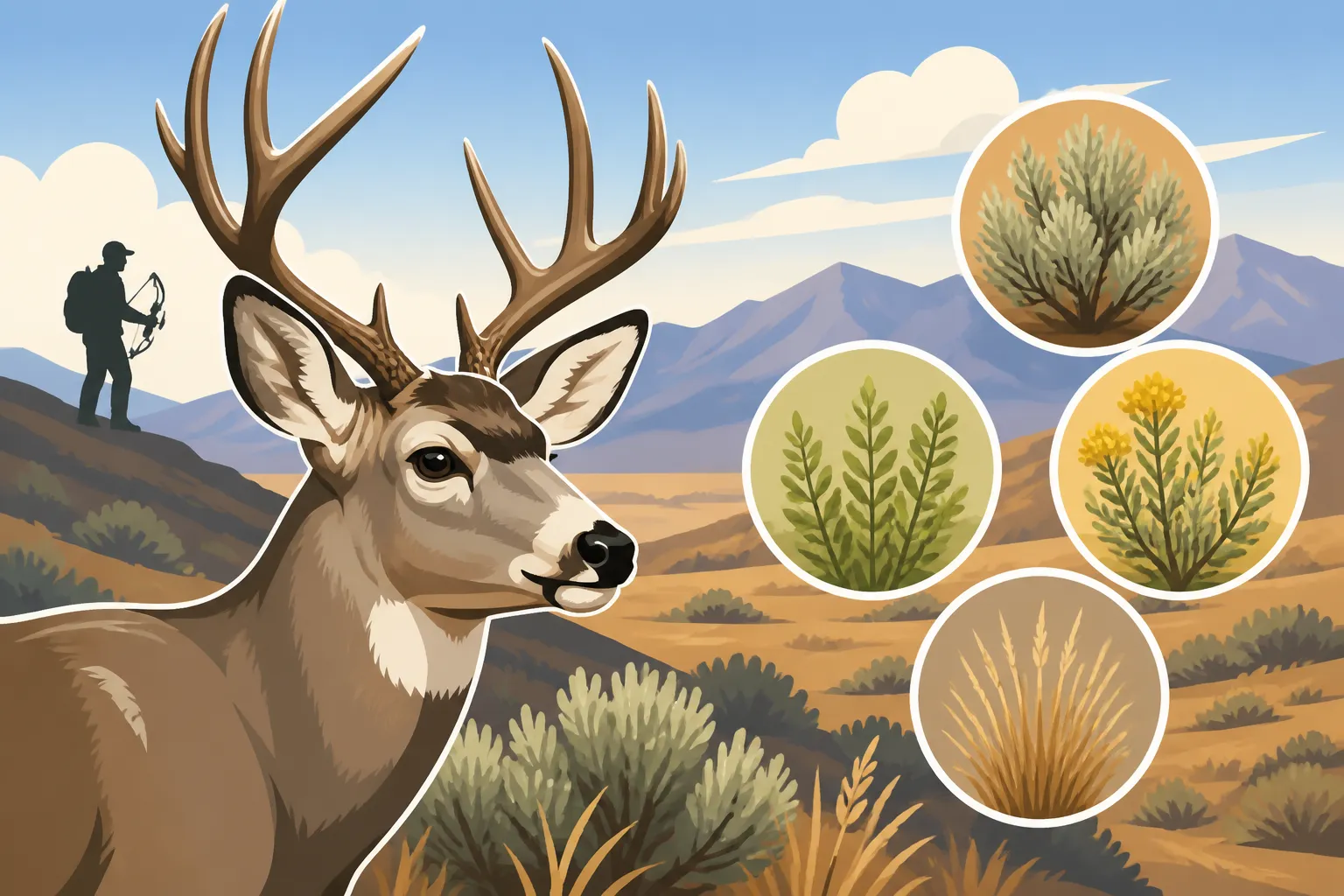
What Mule Deer Eat in the Dry Interior
One of the most frustrating things as a hunter in British Columbia's vast dry interior is staring out at what seems like endless sagebrush and sparse timber, wondering where on earth the mule deer are hiding and what they're even eating out there. It feels like a guessing game sometimes, but understanding their diet is truly the master key to unlocking their movements and patterns. This guide will walk you through the seasonal menu of mule deer in our dry interior, helping you decipher what keeps these magnificent animals thriving and, more importantly, how to use that knowledge to your advantage in the field.
The Foundation of the Mule Deer Diet in British Columbia's Dry Interior
Mule deer in British Columbia's dry interior are fascinating creatures when it comes to their diet. They're primarily browsers, meaning they prefer to nibble on leaves, twigs, and shrubs rather than graze on grasses like cattle or some other deer species. However, their menu is far from static; it’s a dynamic buffet that shifts with the seasons, the weather, and the specific flora available in their chosen patches of habitat. If you know what they're supposed to be eating, you can start to predict where they'll be.
Browsing – The Main Course Year-Round
For mule deer in the dry interior, woody browse forms the backbone of their diet. This isn't just filler; these plants provide essential nutrients and, crucially, moisture when other sources are scarce. Think of native shrubs and small trees as their staple foods. In the spring and summer, they’ll eagerly strip tender new growth from these plants, which is packed with protein and easy to digest. As seasons change, they might focus on different parts or species.
Some of the most critical browse species include bitterbrush, which is an absolute favourite and often indicates prime mule deer country. Serviceberry, sagebrush, and various types of willow found along drainages are also incredibly important. You’ll often find deer working these areas meticulously, leaving behind tell-tale clipped twigs and scattered leaves. Learning to identify these key browse species and understanding their palatability throughout the year is a huge step in scouting effectively. Many hunters use GoHunt to overlay habitat data with their own observations, creating a more complete picture of where these crucial browse areas are located.
Forbs – Seasonal Delicacies and Nutrient Boosters
While browse is their bread and butter, forbs are the mule deer's gourmet treats. These are broad-leaved herbaceous plants – essentially, wildflowers and other non-woody plants – that pop up during the warmer months. They're often incredibly high in protein and moisture, making them vital for antler growth in bucks, milk production in does, and the rapid development of fawns. When the spring rains hit and the landscape greens up, mule deer will gorge on these plants.
Common forbs in the dry interior include various clovers, vetches, asters, and many other leafy plants that might seem insignificant to us. They provide a quick, nutrient-dense burst of energy that helps deer recover from the lean winter months and build reserves for the coming challenges. Spotting areas with an abundance of these forbs can be a dead giveaway for prime feeding grounds, especially in the early seasons. These aren’t always found in dense patches, but often mixed in amongst the grass and browse, making the mule deer work a little harder to pick them out.
Grasses – More Than Just Filler
It’s true that mule deer aren't grazers in the same way an elk or a cow is, but that doesn't mean grass is completely off the menu. In fact, specific types of grasses, especially new, tender growth in spring, are consumed. The protein content of young grass can be surprisingly high, and it provides essential fibre. As grasses mature and dry out, their nutritional value drops significantly, and they become less appealing to mule deer.
During periods of abundant green-up, you might see mule deer daintily nipping the tops of fresh grass shoots. In some circumstances, particularly when other preferred forage is scarce, they will eat more grass out of necessity. This often occurs during very dry summers or harsh winters when woody browse becomes tougher to find or digest. Knowing which grasses are prevalent in certain areas and understanding their palatability can give you another layer of insight into where deer might be feeding, even if it's not their first choice. It’s all about context and what the land offers at that specific moment.
Seasonal Shifts in Foraging Habits
The dry interior of British Columbia experiences dramatic seasonal changes, and with them, the mule deer's diet undergoes a remarkable transformation. A successful hunter knows that a buck found on a south-facing slope in September might be miles away and eating entirely different things by November. Understanding these shifts is paramount to locating deer throughout the hunting season.
Spring Green-up and Nutrient Recovery
When the snow begins to melt and the first hints of green emerge in the dry interior, mule deer enter a critical phase of nutrient recovery. After enduring a long, lean winter on tough, low-quality browse, their bodies are craving protein and readily digestible energy. This is when the tender shoots of new grasses and, more importantly, the emerging forbs become incredibly valuable. These fresh growths are packed with vital nutrients and moisture, helping does recover from gestation and prepare for fawning, and allowing bucks to begin the arduous process of antler growth.
You'll find deer focusing on south-facing slopes and lower elevations where the snow recedes first and the sun can warm the earth, stimulating early growth. Aspens, willows, and other deciduous shrubs sprout fresh, succulent leaves that are highly palatable. These areas become hotbeds of activity as deer graze and browse, replenishing their depleted reserves. It’s a feast after famine, and their movements are largely dictated by where this "green gold" is appearing. When scouting in spring or looking at historical data, a tool like GoHunt can help identify these prime green-up areas.
Summer's Bounty and Energy Storage
As spring transitions into the long, hot days of summer, the menu for mule deer expands dramatically. The landscape bursts with a diverse array of forbs, leafy shrubs, and, critically, berries. This period is all about energy storage. Does need high-quality feed to produce milk for their fawns, ensuring rapid growth and robustness before winter. Bucks are in the intense phase of antler development, requiring massive amounts of protein and minerals.
Summer's bounty includes juicy saskatoon berries, huckleberries (in areas where they grow), and a plethora of broadleaf plants. Deer will often frequent riparian zones and higher elevations where temperatures are cooler and vegetation remains lusher for longer. They'll also seek out shaded areas near dense cover, alternating between feeding heavily in the mornings and evenings, and bedding down during the heat of the day. Hunters looking to understand mule deer behaviour in the dry interior should pay close attention to summer food sources, as these dictate where deer will build the mass that sustains them through fall and winter. What Mule Deer Eat in the Dry Interior is largely determined by the previous summer's success.
Fall Fattening for Winter Survival
As the days shorten and the first frosts touch the high country, mule deer shift their focus dramatically towards fall fattening. This period, often aligning with early hunting seasons, is critical for building up fat reserves that will see them through the approaching winter. Their diet becomes richer in carbohydrates, moving away from some of the tender forbs of summer towards more woody browse, late-season berries, and any available mast crops.
Key browse species like bitterbrush become incredibly important again, but deer will also strip leaves from aspen, willow, and other deciduous shrubs before they drop. If available, certain plants produce seed pods that are high in energy. The goal for every mule deer is to pack on as much weight as possible. Understanding this drive to fatten up is crucial for hunters. Deer will often concentrate in areas with diverse, high-energy forage, spending long hours feeding. This intense feeding often leads to predictable patterns, which can be identified by scouting for historical signs or using detailed maps.
Winter's Lean Months and Survival Browse
Winter in British Columbia's dry interior is a harsh reality for mule deer. Deep snow, freezing temperatures, and extremely limited food sources force deer to migrate to lower elevations and south-facing slopes, often their traditional Why Mule Deer Move to Winter Range. Their diet becomes drastically restricted, primarily consisting of tough, low-quality woody browse. Energy conservation becomes the top priority, and every calorie counts.
During these lean months, mule deer will rely on evergreen browse such as Douglas fir needles, ponderosa pine, and juniper, along with the bark and twigs of deciduous shrubs. These foods are difficult to digest and provide minimal energy, but they are often the only things available. Deer will conserve energy by reducing movement, often bedding down for long periods. You might see them 'cratering' through snow to get at buried forage or stripping bark from young trees. It's a true test of survival, and the quality of their winter range and the availability of these specific, hardy browse species can determine whether a deer makes it to spring.
Habitat and Food Availability – Reading the Landscape
The dry interior of British Columbia is a mosaic of different habitats, each with its own unique buffet of food options for mule deer. Understanding how these distinct landscapes influence their diet and presence is like having an X-ray vision into deer country. The type of terrain often tells you exactly what mule deer are likely eating, and therefore, where they might be found.
Open Timber and Forest Edges
In the dry interior, open timber stands, particularly those dominated by ponderosa pine or Douglas fir, and their edges, offer a unique feeding environment. These areas often have enough light penetration to allow for a diverse understory of shrubs and forbs, while also providing crucial cover from both predators and harsh weather. Deer will move through these timbered areas, browsing on the tender new growth of various shrubs like serviceberry, wild roses, and saskatoons.
The transition zones, or edges, between these open forests and clearings or grasslands are particularly productive. Here, deer can feed on a mix of browse and forbs, easily slipping back into the timber for security. These edges create diverse microclimates that promote a wider variety of forage. Hunters frequently find success Glassing an Interior Hillside for Mule Deer along these interfaces, as deer use the cover for bedding and then step out to feed. Old burns within these timbered areas can also be highly attractive, as fresh new growth often flourishes after a fire. Understanding hunting a British Columbia burn can definitely improve your odds here.
Sagebrush and Grassland Biomes
Perhaps the most iconic habitat for mule deer in the dry interior are the vast sagebrush and grassland biomes, particularly in areas like the Okanagan or Thompson regions. These environments, with their characteristic dry, open expanses, may seem barren at first glance, but they are teeming with specialized plants that are vital to mule deer. Bitterbrush, as mentioned earlier, is a cornerstone of this diet, providing high-quality browse, especially as other greens dry out.
Sagebrush itself, while not always a primary food source, is consumed, particularly certain subspecies and in winter when other options are scarce. Interspersed within the sagebrush and grasslands are numerous forbs that thrive in these arid conditions, offering seasonal bursts of nutrition. Deer in these areas have evolved to utilize the scattered, hardy vegetation, often moving vast distances between feeding patches, bedding in thickets of sagebrush, or small draws. Hunting a Sagebrush Flat for Mule Deer requires a keen eye for these subtle food sources. This environment also presents challenges with limited water, which often dictates deer movement to available sources.
Riparian Zones and Water Sources
Even in the driest parts of British Columbia's interior, water is life, and riparian zones – the lush areas along creeks, rivers, and sometimes even seasonal drainages – are absolute magnets for mule deer. These areas typically boast a much richer and more diverse vegetation profile than the surrounding arid landscape, thanks to consistent moisture. Willows, aspens, dogwood, and a variety of succulent forbs thrive here, offering prime browsing opportunities.
Deer will often utilize these riparian corridors as travel routes, as well as critical feeding grounds, especially during hot summer months when the availability of fresh, green forage elsewhere diminishes. These zones provide not only food but also vital water and denser cover, making them excellent places to find deer seeking refuge and sustenance. Even if you're primarily focused on Hunting a British Columbia Lakeshore for Moose, understanding the draw of these lush, wet areas for all big game is invaluable.
Applying Dietary Knowledge to Your Hunt
Understanding what mule deer eat isn't just academic; it's a fundamental part of becoming a more successful and ethical hunter. Once you grasp the connection between food sources, habitat, and seasonality, you start seeing the landscape through a deer's eyes, dramatically improving your ability to locate and pursue them.
Scouting for Food Sources
Effective scouting in the dry interior isn't just about looking for tracks or rubs; it’s primarily about identifying and evaluating food sources. Before you even set foot in your chosen hunting area, you can leverage digital mapping tools like GoHunt to identify potential feeding grounds. Look for areas with high concentrations of bitterbrush, serviceberry, or recent burns that are known to sprout new, palatable forage. In areas where you can't use digital maps, reading topographic maps for south-facing slopes, riparian areas, and open timber edges can give you a starting point.
When you're actually in the field, look for physical evidence of feeding. Clipped browse, disturbed forbs, and fresh droppings in proximity to these plants are all strong indicators of recent deer activity. Pay attention to how the diet changes throughout the season – what was hot in September might be completely ignored by Hunting British Columbia's October Rifle Opener. Scouting year-round, if possible, can give you an incredible advantage, allowing you to observe how deer use different parts of their range based on food availability. Remember, a deer's stomach is its compass.
Understanding Movement Patterns
Mule deer movements are intrinsically linked to their dietary needs. They are constantly navigating between feeding areas, bedding sites, and water sources. By understanding what they eat and where those foods are located, you can begin to predict their daily and seasonal patterns. For example, if you've identified a prime bitterbrush patch, you can then look for dense timber or a north-facing slope nearby where they might be bedding down. Their travel corridors between these two points will often show signs of use.
Seasonal migrations, such as deer moving to Why Mule Deer Move to Winter Range, are almost entirely driven by the search for accessible, high-energy food. During the fall rut, bucks might travel more extensively, but they'll still generally be found in areas where does are concentrated, and those does will be where the best available food is. By mapping out potential food sources, you're essentially creating a roadmap of where mule deer are likely to be, and more importantly, where they have to be. This predictive capability is what separates the consistently successful hunters from those who are just hoping to stumble upon a deer.
Seasonal Hunting Strategies
Tailoring your hunting strategy to the seasonal diet of mule deer is perhaps the most actionable takeaway from understanding their food preferences. In the early archery seasons in September, for instance, you might focus on higher elevations and lush subalpine basins where forbs and berries are still plentiful, or on south-facing slopes with early-season browse. Check out Hunting British Columbia's Alpine in September for more on this. As the season progresses into fall, and deer begin to focus on fattening up, you’ll want to shift your attention to lower elevation bitterbrush stands, open timber edges, and perhaps even agricultural interfaces if hunting rules allow.
Table: Seasonal Mule Deer Diet & Hunter Strategy in BC's Dry Interior
| Season | Primary Food Sources | Key Locations to Scout | Hunter Strategy |
|---|---|---|---|
| Spring | New grasses, tender forbs, fresh browse (aspen, willow) | South-facing slopes, low-elevation green-ups, riparian zones | Early season scouting for summer range, identifying recovery areas |
| Summer | Lush forbs, broadleaf shrubs, berries (saskatoon, huckleberry) | Riparian corridors, higher elevations, shaded timber fringes | Scouting summer ranges, identifying water sources and travel corridors |
| Fall | Woody browse (bitterbrush, serviceberry), late forbs, mast | Mid-elevation bitterbrush stands, forest edges, natural clearings | Focus on active feeding areas, travel routes between food and cover |
| Winter | Tough woody browse (fir, pine, juniper), bark, residual stems | Lower elevation winter ranges, south-facing slopes with minimal snow | Understanding migration patterns, glassing winter ranges from afar |
Later in the season, particularly when snow begins to fall, deer will be driven down to their winter ranges, concentrating them in specific areas where hardy browse is available. This is when understanding hunting a British Columbia burn or Hunting an Interior Douglas Fir Bench really pays off. Your hunting tactics, from still-hunting to setting up observation points, should be directly informed by the current food availability and how deer are using the landscape to access it. Whether you're planning your next hunt or just trying to understand the natural world better, consulting resources, perhaps even the detailed maps on GoHunt, and paying attention to their diet is a game-changer.
Disclaimer
This article is for general informational purposes only and does not constitute professional advice. Laws, prices and regulations vary by location and change over time. Consult a qualified professional for guidance on your specific situation.