Horse and Backcountry Access in British Columbia
Horse packing in British Columbia enables hunters to transport camp gear and supplies into remote backcountry terrain beyond deactivated roads.
Find ground you can hunt.
National forest, BLM, and state land — WMAs, walk-in programs, unit boundaries, access rules, and how to get permission on private ground.
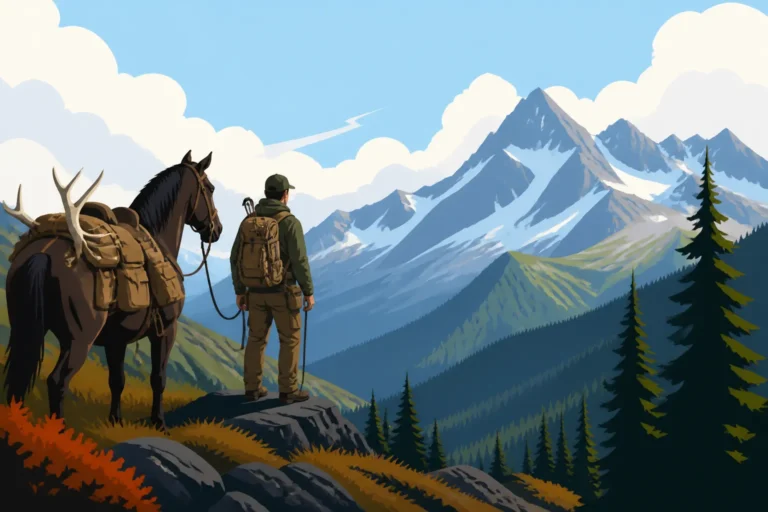
Horse packing in British Columbia enables hunters to transport camp gear and supplies into remote backcountry terrain beyond deactivated roads.
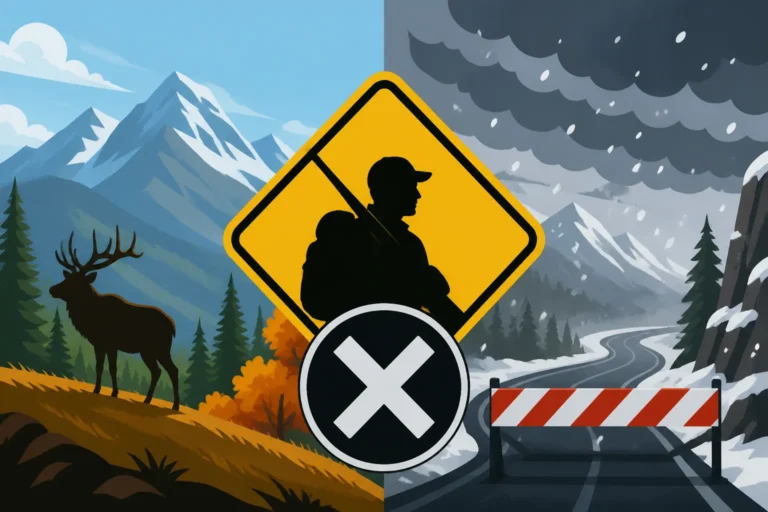
British Columbia road closures and weather conditions impact hunting access through logging gates, deactivated routes, and seasonal storms.
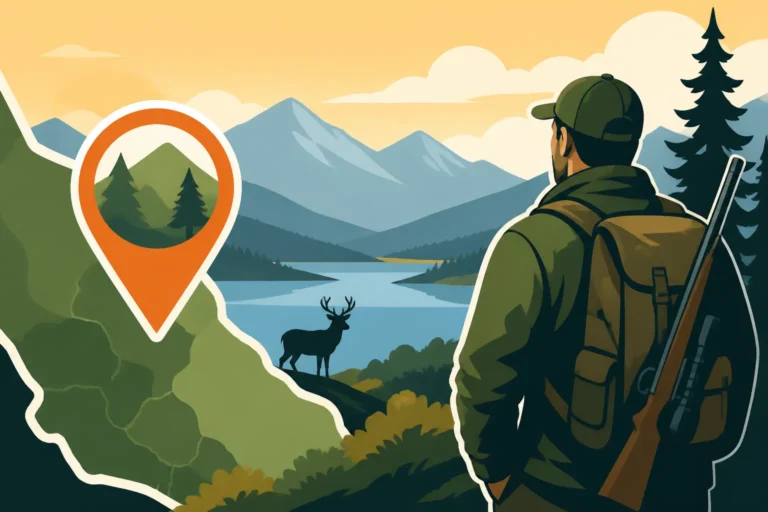
Williams Lake hunting access involves navigating public Crown land, private ranch boundaries, active logging roads, and changing weather conditions.
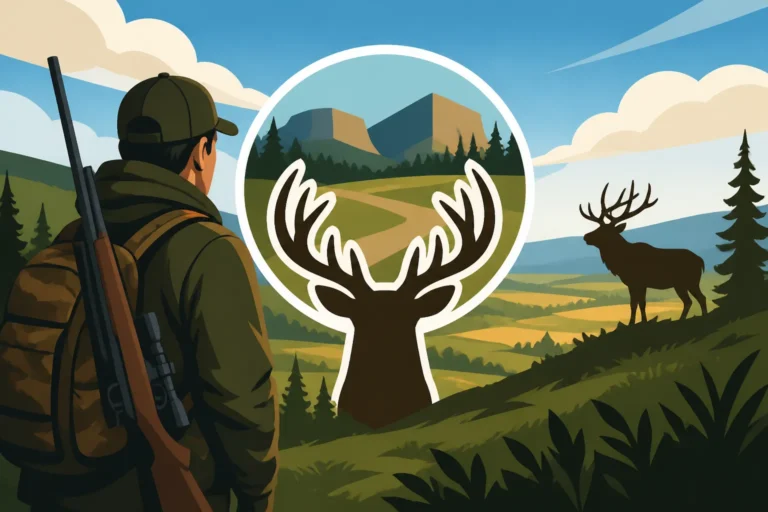
Hunting access near Fort St John involves British Columbia Crown land, Management Units in Region 7, and Forest Service Roads.
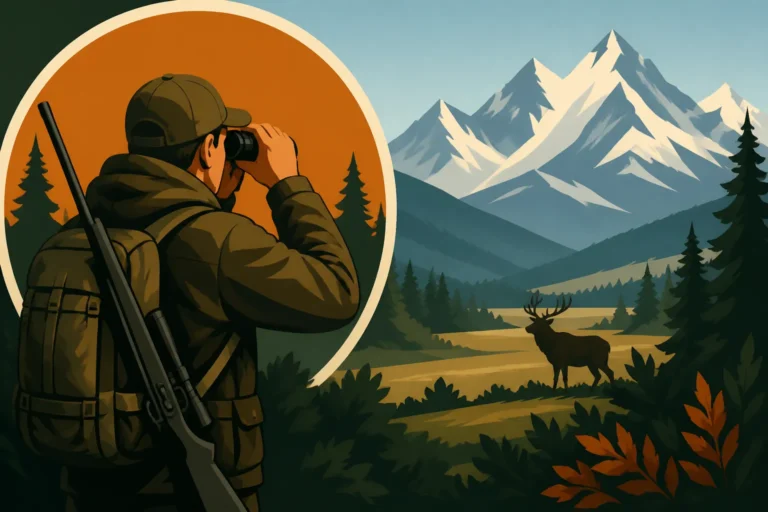
Hunting access rules near Cranbrook, British Columbia, explain private land, timber holdings, and Crown land boundaries.
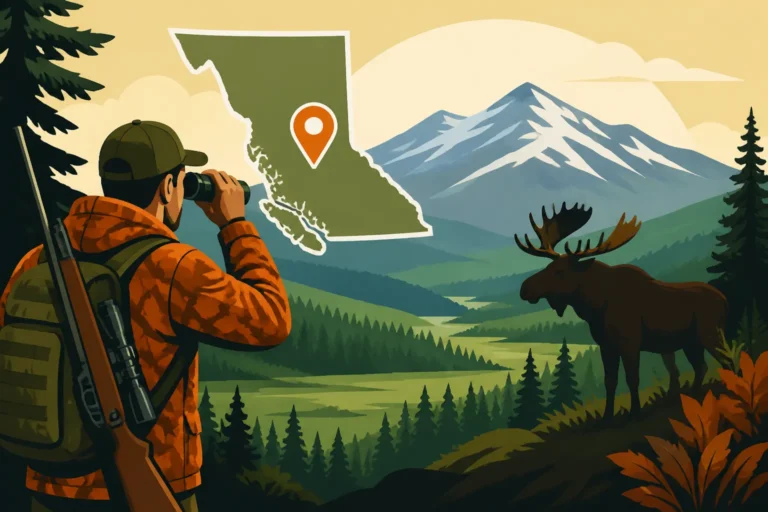
British Columbia hunting access near Prince George involves navigating vast forests, river systems, and regional management unit regulations.
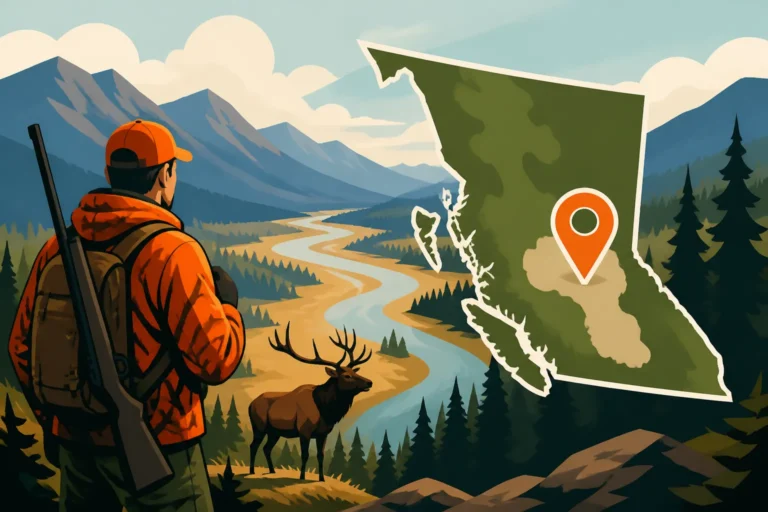
British Columbia hunting access near Kamloops explained, detailing Region 3 management units, local wildlife habitats, and property boundaries.
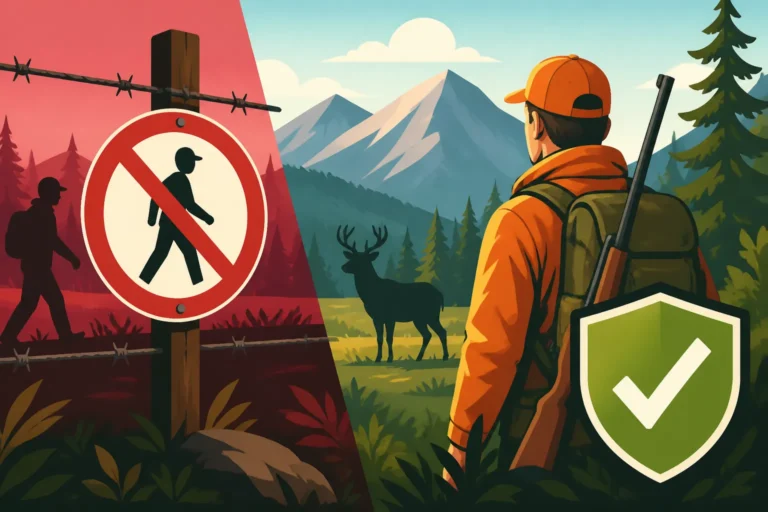
British Columbia trespass and private land rules explain how hunters can legally navigate public Crown land and private property.
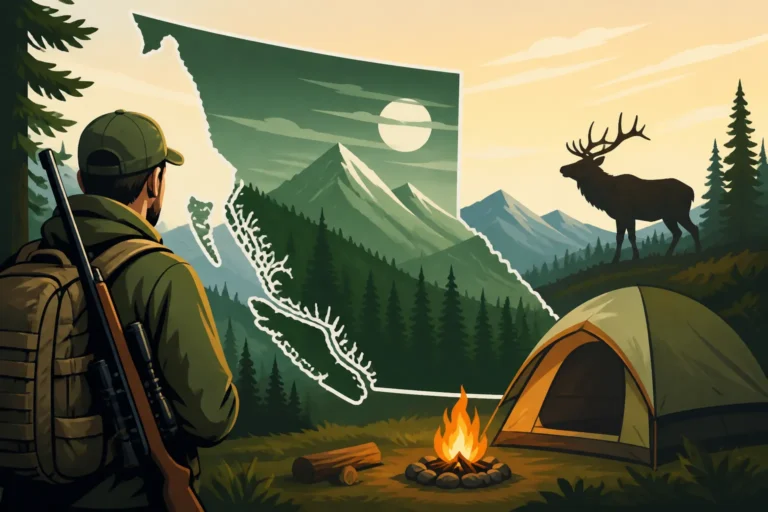
British Columbia Crown Land camping rules allow hunters to pitch temporary wilderness tents for up to fourteen consecutive days.
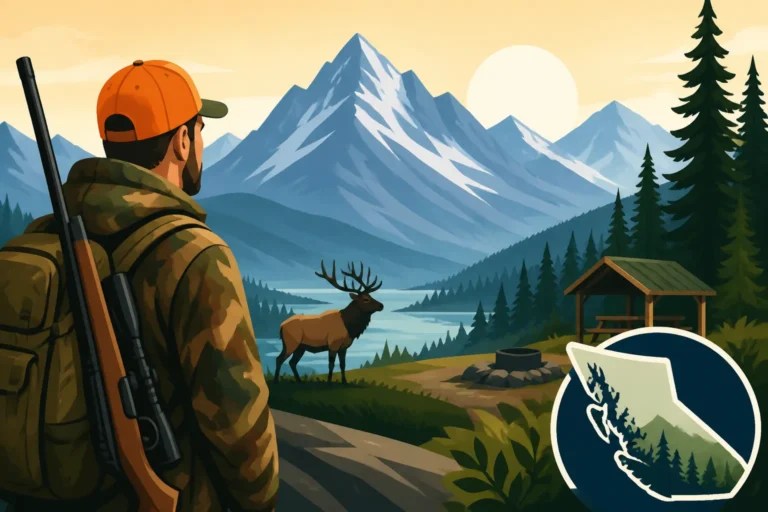
British Columbia recreation sites managed by RSTBC offer hunters basic campsites with pit toilets and fire rings near wilderness.