Reporting a Poacher in British Columbia
There’s nothing quite as gut-wrenching as discovering evidence of poaching or, worse, witnessing it firsthand while you're out enjoying British Columbia's incredible wild spaces. It feels like a punch to the gut, a betrayal of the land, the wildlife, and every ethical hunter who respects our shared resources. This guide is here to walk you through exactly how to report a poacher in British Columbia, ensuring your information is effective and helps our dedicated conservation officers bring these offenders to justice.
Understanding What Constitutes Poaching in British Columbia
When we talk about poaching, it's not just some abstract idea; it encompasses a whole range of illegal activities that undermine conservation efforts and steal from all of us. It’s a serious issue, and understanding what qualifies as poaching is the first step in being an effective steward of our wildlife. Many folks might think of it as simply shooting an animal out of season, but it goes far beyond that.
Illegal Take and Methods
One of the most common forms of poaching is the illegal take of wildlife. This can mean hunting an animal outside of its designated season, like taking a deer in March when the season closed in December, or exceeding bag limits, such as shooting a second moose when your tag is only good for one. It also includes taking species that are protected or for which there is no open season, such as grizzly bears which have been off-limits to hunting for years in BC. Then there are the illegal methods of hunting, which can be particularly egregious. Think about someone using a spotlight at night to blind deer, or shooting from a paved road. These methods give an unfair advantage and strip the animals of any sporting chance, often leading to animals being wounded and lost, or taken in a way that’s simply not humane or ethical. Knowing the specific rules for British Columbia's Legal Firearms and Bows can help you recognize when someone is using an illegal weapon or method.
Wasting Game and Habitat Damage
Beyond the actual act of taking an animal illegally, poaching also includes things like the intentional waste of game meat. When a poacher kills an animal purely for its antlers or hide, leaving the valuable meat to spoil, it’s not only a grave disrespect to the animal but a violation of provincial law. Ethical hunters understand the immense value of every animal harvested, striving to utilize as much as possible, as detailed in discussions around Rules on Wasting Game Meat. Poaching can also extend to activities that severely damage wildlife habitat, such as illegal road building into sensitive areas, or destroying crucial winter ranges for deer or elk to gain an advantage. These actions have long-term negative impacts on entire ecosystems, affecting all wildlife, not just the target species. It’s a violation of the trust placed in us to preserve these spaces for future generations.
Permit and Licence Violations
Another significant category of poaching involves violations related to permits and licences. This includes hunting without a valid British Columbia hunting licence and species tags, which is essentially stealing from the resource and the funds generated for conservation. It could also involve hunting in a Limited Entry Hunting (LEH) zone without a valid authorization, or using someone else's tag. Imagine waiting years to draw a coveted LEH sheep tag, only for someone to illegally harvest a ram because they simply don't care about the rules or the system designed to fairly distribute opportunities and protect populations. Furthermore, failing to adhere to British Columbia's Compulsory Reporting Rules for certain species can obscure harvest data, making it harder for wildlife managers to make informed decisions about herd health and future seasons. These rules are in place to ensure fair chase, sustainable harvests, and proper management, and flouting them is a direct act of poaching. Many responsible hunters use resources like GoHunt to thoroughly understand these complex regulations before heading into the field, which helps them avoid accidental infractions and sets them apart from those who intentionally break the rules.
The RAPP Line: Your Primary Tool for Reporting Poachers
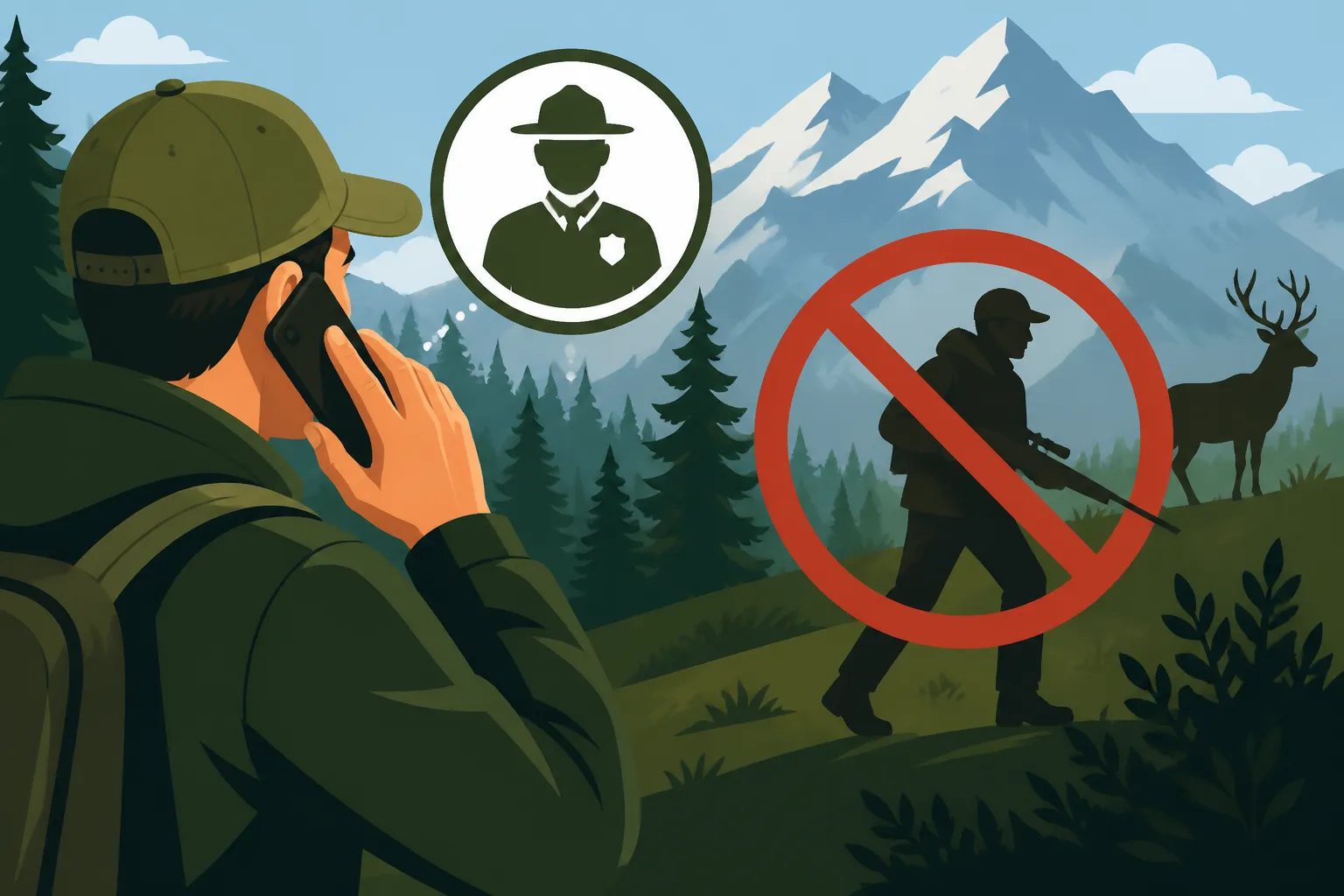
When you encounter poaching or environmental violations in British Columbia, the single most important tool at your disposal is the Report All Poachers and Polluters (RAPP) line. This is a dedicated, 24/7 hotline and online service managed by the BC Conservation Officer Service (COS), designed specifically for the public to report incidents. It’s a vital link between concerned citizens and the boots on the ground who enforce our wildlife laws.
How the RAPP Line Works
The RAPP line is incredibly straightforward but incredibly effective. When you call 1-877-952-RAPP (7277) or submit an online report, you'll be connected directly to a dispatch center that triages your information. They are trained to extract the critical details needed for an investigation. It’s important to remember that this isn't a general inquiry line; it's specifically for reporting violations. Your call is confidential, and you do not have to provide your name, though providing contact information can be helpful if officers need clarification. The same goes for the online form – it’s a secure way to submit detailed information, especially useful if you have photos or videos to attach. For more information, you can explore resources that cover The Report All Poachers and Polluters Line in detail, which can help demystify the process and encourage more reporting.
Confidentiality and Follow-Up
One of the biggest concerns people have when reporting a poacher is their own safety and anonymity. Rest assured, the RAPP line operates with strict confidentiality. You are not required to give your name or contact information, though doing so allows Conservation Officers to follow up if they need more details. This confidentiality is crucial because it removes a significant barrier for people who might be hesitant to report due to fear of reprisal. Once you submit a report, the information is sent to the appropriate Conservation Officer in the region where the incident occurred. While the COS cannot provide ongoing updates on every investigation due to privacy and operational security, they take every credible report seriously. It's not uncommon for an investigation to take time, sometimes weeks or even months, especially if it involves surveillance or complex evidence gathering. Your initial report often serves as the crucial first piece of a larger puzzle.
Gathering Evidence and What to Document
Being an effective witness means knowing what information is valuable and how to collect it safely and responsibly. The more specific and detailed you can be, the higher the chances of a successful investigation and, ultimately, a conviction. This isn't about confronting individuals or putting yourself at risk, but rather about keen observation and careful documentation.
Essential Information for Your Report
When you encounter what you suspect is a poaching incident, your immediate goal should be to gather as much factual information as possible without jeopardizing your safety. Think of yourself as a detective, focusing on the who, what, where, when, and how. Details about the individuals involved are incredibly helpful: number of people, gender, approximate age, clothing, and any distinguishing features. Vehicles are often key; note the license plate number (this is paramount!), make, model, color, and any unique identifiers like dents, stickers, or roof racks. If you can see the animal involved, describe it: species, sex, approximate size, and where it was taken or where its carcass is located. Pay close attention to the specific location—GPS coordinates, road names, nearby landmarks, and even the management unit number (you can often find these using mapping tools like GoHunt). Even small details, like the type of terrain or the direction of travel, can be instrumental in an investigation.
Documenting Safely and Effectively
Your safety is paramount. Never put yourself in harm's way to gather evidence. If you feel unsafe, retreat to a secure location before making a report. However, if circumstances allow and it is safe to do so, discreetly taking photos or videos with your phone can provide invaluable evidence. This visual documentation can corroborate your description, show the exact location, and even capture illegal activities in progress. Remember to make a mental note, or even jot down, the date and exact time of the incident. If you have a dashcam in your vehicle, check if it captured any relevant footage. Once you're safe, write down everything you remember as soon as possible. Details tend to fade quickly, so a fresh account is always best. This meticulous approach to documentation differentiates a vague tip from actionable intelligence that a Conservation Officer can pursue. For those interested in understanding the boundaries and regulations around land use, insights into British Columbia Trespass and Private Land Law can further clarify what might constitute illegal access by poachers.
To help you organize your thoughts, here’s a quick checklist of information to gather:
| Category | Key Information to Gather | Priority |
|---|---|---|
| Individuals | Number, gender, age, clothing, hair colour, unique features | High |
| Vehicles | License plate (CRITICAL!), make, model, colour, year, dents, stickers, roof rack, tire tracks | CRITICAL |
| Location | GPS coordinates, nearest road, landmark, Management Unit, area description (e.g., "junction of FSR 43 and Hwy 97") | High |
| Time | Date, exact time of incident, duration of observation | High |
| Violation Type | Species, number of animals, method of take, what was done with carcass, type of pollution | High |
| Evidence | Photos, videos (if safe), spent casings, tracks, description of sounds (e.g., specific shots fired) | Medium |
| Your Contact | Name, phone, email (optional, for follow-up) | Low |
What Happens After You Report a Poacher
Once you’ve made that call or submitted your online report to the RAPP line, it's natural to wonder what happens next. The process isn't always immediate or visibly obvious, but rest assured, your report initiates a series of actions within the BC Conservation Officer Service. It's a complex system, and understanding its mechanisms can help manage expectations.
The Investigative Process
When a report comes in, it's assessed for urgency and actionable information. Reports that include crucial details like a license plate or a clear description of a current event will often be prioritized. A local Conservation Officer (CO) or team of COs will then be assigned to investigate. This can involve anything from immediate patrol of the reported area, contacting the registered owner of a vehicle, or conducting interviews. Investigations can be incredibly time-consuming, requiring extensive tracking, surveillance, and evidence collection. Sometimes, a single report might lead to a much larger investigation, revealing a network of individuals involved in multiple violations. For example, a report about illegal shooting near a road might uncover a group consistently violating British Columbia Shooting Hours or ignoring bag limits. It’s not always a quick resolution, and the COs are often juggling numerous cases across vast geographical areas.
Potential Outcomes and Penalties
If sufficient evidence is gathered and an offender is identified, there are several potential outcomes. For minor infractions, a warning might be issued. However, for most poaching incidents, charges will be laid under the Wildlife Act or other relevant provincial and federal statutes. These charges can result in significant fines, seizure of equipment (including vehicles and firearms), mandatory forfeiture of the harvested animal, and even jail time for severe offenses. Convictions also often lead to a prohibition from hunting for a specified period, which is a major deterrent for legitimate hunters who might be tempted to cut corners. The penalties for a hunting violation can be steep, reflecting the serious nature of these crimes. It's a testament to the dedication of the Conservation Officer Service that they work diligently to ensure these consequences are meted out. Every report, no matter how small it seems, contributes to the overall enforcement effort and helps protect BC’s precious wildlife. Knowing the vastness of the province, understanding how British Columbia's Management Units and Regions are divided helps Conservation Officers effectively respond to these localized reports.
Disclaimer
The information provided in this guide is for general informational purposes only and does not constitute legal advice. Hunting regulations and laws in British Columbia are complex and subject to change. Always consult the official British Columbia Hunting and Trapping Synopsis and relevant provincial statutes for the most current and accurate information. If you suspect an illegal activity, report it to the RAPP line. Do not attempt to intervene or confront individuals you suspect of poaching. Your safety is always the top priority.