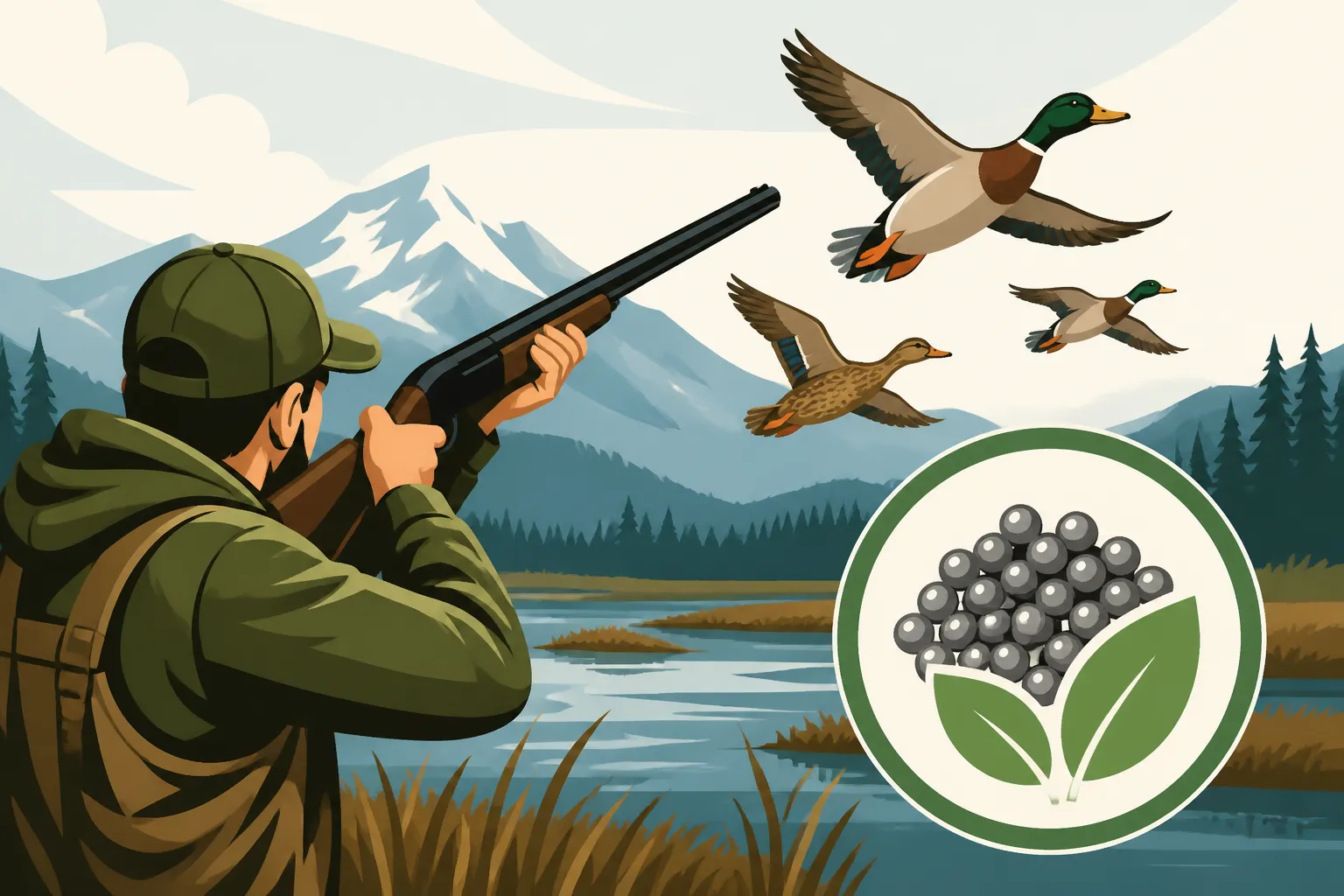
Non-Toxic Shot Requirements for Waterfowl
For many waterfowl hunters in British Columbia, the switch to non-toxic shot has been a source of genuine frustration and confusion. It’s not just about finding the right shells; it's about understanding where and when these rules apply, the financial hit to your wallet, and how different shot types perform in the field. This guide aims to cut through that confusion, giving you a clear, practical understanding of British Columbia’s non-toxic shot requirements for waterfowl, so you can focus on the hunt itself, not legal anxieties.
Why Non-Toxic Shot? Understanding the Environmental Mandate
The requirement for non-toxic shot for waterfowl and certain other migratory game bird hunting isn't a new or arbitrary rule; it's a critical environmental protection measure implemented decades ago. Hunters often feel targeted by such regulations, but the intent behind this change is genuinely rooted in conservation science, aiming to protect not just the birds we pursue, but also the broader ecosystem.
The Problem with Lead Shot in Wetlands
For generations, lead has been the go-to material for shotgun pellets due to its density, affordability, and consistent ballistic properties. However, lead is also a highly toxic heavy metal. When lead shot is fired over wetlands, marshes, lakes, and estuaries, it can accumulate in the sediment and water. Waterfowl, particularly dabbling ducks, geese, and swans, feed by sifting through these muddy bottoms, and they can inadvertently ingest these spent lead pellets. Once ingested, the lead grinds down in their gizzards, releasing toxins into their system. This leads to lead poisoning, causing paralysis, emaciation, and eventually death. It's a slow, painful process that can affect individual birds and, over time, entire populations. The scale of this issue became undeniably clear through extensive research, demonstrating the need for a change.
Protecting the Entire Ecosystem
The problem doesn't stop with waterfowl directly ingesting lead. The food chain is interconnected, and lead poisoning can ripple through the ecosystem. Scavengers like eagles, hawks, and even grizzly bears can consume waterfowl or other game birds that have lead pellets embedded in their flesh from previous hunts, or that have died from lead poisoning. This secondary poisoning is a serious concern, affecting apex predators and other wildlife that rely on these birds as a food source. British Columbia’s diverse ecosystems, from the vast interior marshes to the rich coastal estuaries, are home to an incredible array of wildlife, making this protection even more vital. The federal government, along with provincial bodies, recognized that safeguarding these delicate environments and the creatures within them required a proactive approach, which is why the move to non-toxic shot became mandatory in waterfowl hunting.
The Transition and Hunter Adaptation
For many hunters, especially those who've been at it for decades, switching from lead was a significant adjustment. Lead shot has a different weight, density, and ballistic profile than most non-toxic alternatives, meaning shotguns often patterned differently, and hunters had to adjust their leads and expectations. There were also concerns about cost, availability, and barrel damage from harder shot materials like steel. The transition wasn't always smooth, and some of those frustrations persist today. However, advancements in non-toxic ammunition technology have come a long way, offering better performance and more options than when the rules first came into effect. Today, adapting to non-toxic shot is simply a part of responsible waterfowl hunting, ensuring the sport remains sustainable for future generations.
The Specifics: Where and When Non-Toxic Shot is Required in British Columbia
Understanding why non-toxic shot is required is one thing, but knowing the precise geographical and species-specific mandates in British Columbia is another challenge entirely. The rules can feel a bit like a patchwork quilt, with federal regulations overlapping with provincial ones, and special local considerations. It’s enough to make any hunter scratch their head.
Federal Regulations for Migratory Game Birds
The core of non-toxic shot requirements stems from federal regulations that apply across Canada under the Migratory Birds Convention Act. This act governs the hunting of migratory game birds, which includes all species of ducks, geese, swans, coots, and snipe. Simply put, if you’re hunting any of these species, anywhere in British Columbia (or Canada), you must use non-toxic shot. This federal mandate is pretty clear-cut and covers the vast majority of waterfowl hunting scenarios.
It's crucial to remember that this rule applies irrespective of whether you are hunting on Crown land, private property, or a specific designated area. The species is the key trigger. So, whether you're trying to decoy ducks on a coastal estuary or field hunting snow geese in the Fraser Delta, your shotgun must be loaded with non-toxic ammunition. Additionally, don't forget that hunting migratory game birds federally requires you to possess a valid Migratory Game Bird Permit and the accompanying Canadian Wildlife Habitat Conservation Stamp. These permits are separate from your provincial hunting licence and tags, and both contribute directly to habitat conservation efforts.
Beyond Waterfowl: Other Species and Areas
While waterfowl are the primary focus, it’s also important to be aware of other situations where non-toxic shot might be required. In some specific Wildlife Management Areas (WMAs) or other provincially designated sensitive habitats, the use of non-toxic shot might be extended to include all hunting, not just for migratory birds. This is less common but certainly worth checking in British Columbia's Two-Year Regulations Synopsis or using tools like GoHunt to scope out specific management units. These localized rules are typically put in place to protect wildlife from lead exposure in concentrated feeding or nesting areas, or where particular species of concern might scavenge.
For instance, in certain pheasant release programs or specific upland game bird hunts, especially those on managed lands, there might be stipulations. Always double-check the local regulations for the specific management unit you plan to hunt. The best practice is to assume non-toxic shot is required whenever you are hunting near water or in any area that could be considered sensitive habitat, even if you’re targeting upland species. It's better to be safe and compliant than to risk a fine or, worse, harm to wildlife.
Penalties for Non-Compliance
The enforcement of non-toxic shot regulations is taken seriously. Carrying or using lead shot while hunting migratory game birds is a federal offense, and penalties can be steep, ranging from significant fines to seizure of firearms and hunting privileges. Conservation officers are well-versed in identifying lead shot, so attempting to skirt the rules is a high-risk gamble with serious consequences. It's a frustrating thought, especially when you've invested so much time and money into a hunt, but the rules are there for a reason. Compliance is non-negotiable for ethical and legal hunting in British Columbia.
Types of Non-Toxic Shot: Options and Considerations
When the switch from lead was mandated, many hunters were left wondering what alternatives even existed. The good news is that the market has evolved significantly, offering several non-toxic options, each with its own set of characteristics, advantages, and drawbacks. Understanding these can help you make informed choices for your British Columbia waterfowl hunts.
Steel Shot: The Workhorse of Non-Toxic Ammunition
Steel shot is by far the most common and widely available non-toxic option. It's a significantly harder and lighter material than lead, which dictates its performance.
-
Pros:
- Cost-Effective: Generally the most affordable non-toxic choice, making it accessible for high-volume shooting like waterfowl hunting.
- Availability: You’ll find steel shot at almost any sporting goods store, often in a wide range of gauges and shot sizes.
- Environmental Impact: It’s non-toxic and doesn't pose the same environmental risks as lead.
-
Cons:
- Density and Weight: Being lighter than lead, steel shot carries less kinetic energy and slows down faster. This means you typically need to go up two shot sizes to achieve similar pellet counts and energy to lead (e.g., #2 steel for #4 lead).
- Patterning: Steel tends to pattern tighter than lead due to its hardness and inability to deform. This can be a blessing or a curse, requiring careful choke selection.
- Choke Restrictions: Its hardness means you cannot use traditional full or extra-full lead-specific chokes with steel shot, as it can damage the barrel or choke. Modified or improved cylinder chokes are generally recommended for steel. Modern shotguns are typically rated for steel, but older models might require special care or dedicated steel-rated chokes.
- Range: Effective range is often considered slightly less than lead for similar shot sizes, requiring hunters to adjust their shot distances.
Steel shot, despite its quirks, is a reliable and popular choice for hunting ducks of the Fraser Delta or interior waterfowl and where they stage, and many hunters have learned to become very proficient with it.
Bismuth Shot: A Niche, Higher-Performing Alternative
Bismuth offers a compromise between the performance of lead and the non-toxic nature of steel.
-
Pros:
- Density: Bismuth is denser than steel, meaning you can use smaller shot sizes to achieve similar energy and penetration to lead. This also results in a better pellet count for a given shell weight.
- Softness: It's softer than steel, making it safer for older shotguns or those with fixed chokes that might not handle steel well. It also deforms slightly, leading to more consistent patterns without being overly tight.
- Performance: Hunters often report better knockdown power and effective range compared to steel, especially on larger birds or at longer distances.
-
Cons:
- Cost: Bismuth is significantly more expensive than steel shot, which can be a deterrent for many hunters, especially those shooting a lot of shells.
- Availability: While improving, bismuth can still be harder to find than steel, sometimes requiring special orders.
Bismuth is a fantastic option for hunters looking for a performance boost over steel without the extreme cost of tungsten, and it's particularly favoured by those hunting classic shotguns or specific bird types where maximum ethical range is desired.
Tungsten-Based Alloys (e.g., TSS): The Premium Performance Option
Tungsten Super Shot (TSS) and other tungsten-based alloys represent the pinnacle of non-toxic shot performance, but they come at a significant price.
-
Pros:
- Extreme Density: Tungsten is exceptionally dense—much denser than lead, bismuth, or steel. This allows for incredibly small shot sizes (e.g., #7 or #9) that carry massive energy, rivaling or exceeding larger lead pellets.
- Extended Range: Due to its density and energy retention, tungsten shot can provide significantly extended effective ranges, allowing for cleaner kills at distances previously considered difficult.
- Pellet Count: Smaller shot sizes mean a much higher pellet count per shell, leading to denser patterns and more hits on target.
-
Cons:
- Very High Cost: This is the primary drawback. Tungsten shot is often several times more expensive than steel or even bismuth, making it prohibitive for many waterfowl hunters unless they're targeting specific birds or have deep pockets.
- Availability: It's often a specialized product, not always readily available on local shelves.
Tungsten alloys are often reserved for specialized hunts, like high-flying geese or situations where ethical, long-range performance is paramount. Companies like Federal, Kent, and Winchester all offer various non-toxic options, and looking for brands that explicitly state their non-toxic offerings is a good start. For those looking for the absolute best performance, perhaps for that once-in-a-lifetime hunt in a remote British Columbia estuary, tungsten might be the answer.
Non-Toxic Shot Comparison Table
| Shot Type | Density (g/cm³) | Hardness | Cost (per box) | Choke Compatibility | Performance Notes | Best For |
|---|---|---|---|---|---|---|
| Lead | 11.3 | Medium | Low | All (traditional) | High energy, good patterns (toxic, generally illegal) | (Historical reference) |
| Steel | 7.8 | High | Low-Medium | Modified/IC (steel-safe) | Lighter, faster, tighter patterns; needs larger shot | General waterfowl, high volume shooting |
| Bismuth | 9.6 | Medium | Medium-High | All (modern/older) | Denser than steel, softer; good balance of cost/perf | All waterfowl, sensitive shotguns, improved range |
| Tungsten | 18.0 (TSS) | Very High | Very High | Modified/IC (steel-safe) | Extreme density, small shot, long range, high energy | Long-range geese, specialized hunts |
Note: This table provides general comparisons. Specific product performance and pricing can vary.
Navigating the Transition and Practical Advice for Hunters
Making the leap to non-toxic shot or simply refining your approach can feel like a steep learning curve. The field performance differences, combined with cost and availability, often lead to some understandable frustration. However, with a bit of preparation and practice, you can adapt effectively and continue to enjoy success in British Columbia’s stunning waterfowl habitat.
Patterning Your Shotgun with Non-Toxic Loads
This is, hands down, the single most important step you can take. Your trusty old shotgun, which patterns perfectly with lead #4s, might behave completely differently with steel #2s or bismuth #3s. Because non-toxic shot materials have different densities, weights, and hardness, they will exit your barrel and fly in unique ways.
- What to do: Get to a patterning board! Shoot various non-toxic loads and different choke combinations at common hunting distances (e.g., 25, 35, 45 yards).
- Look for: Consistency in pattern density, even distribution, and a clear "kill zone" size. You might find that a modified choke with steel gives you the pattern density you previously got from a full choke with lead. Some hunters are surprised to find that a more open choke, like an improved cylinder, actually provides a more effective pattern with harder steel shot, especially within typical decoying ranges.
- Experiment: Don't just stick to one brand or size. Try a few different manufacturers and shot sizes (e.g., #2 and #3 steel, #3 and #4 bismuth). Every shotgun is a law unto itself, and what works for your buddy might not work for you. GoHunt often provides insights into what various hunters are using, but personal testing is key.
This practice will build your confidence and ensure you know exactly what your setup is capable of, which is crucial for ethical, clean kills.
Choke Tube Considerations and Safe Shooting
As mentioned, steel shot's hardness is a significant factor. Traditional lead-specific full or extra-full chokes were designed for softer lead that could compress as it passed through the tight constriction. Forcing hard steel through these can damage your barrel or choke, especially in older shotguns.
- Modern Shotguns: Most modern shotguns are rated for steel shot, often indicated on the barrel. You can usually use up to a modified choke without issue. Some specialized chokes are designed specifically for steel, offering tighter patterns safely.
- Older Shotguns: If you have an older shotgun, especially one with fixed chokes, consult a gunsmith. They can advise whether your barrel can safely handle steel shot or if you should stick to softer non-toxic alternatives like bismuth. Bismuth is often a great choice for vintage firearms.
- Pattern Over Constriction: Remember, a tighter choke doesn't always mean a better pattern with non-toxic shot. Often, a more open choke like improved cylinder or light modified will give you a wider, more even pattern that's highly effective within typical waterfowl ranges. For very long shots, specially designed long-range steel chokes can be effective, but always verify their safety ratings.
Adjusting Your Shooting Style
Non-toxic shot, particularly steel, often has higher velocities than lead, but a lighter payload. This can affect how you lead a bird.
- Lead Adjustment: Many hunters find they need to adjust their lead, often slightly less, due to the faster initial velocity of steel. However, steel also loses energy and speed more quickly than lead, so knowing your effective range becomes even more important.
- Focus on Fundamentals: Ultimately, good shooting fundamentals—smooth swing, proper lead, follow-through—remain paramount. Non-toxic shot simply emphasizes the need for practice and knowing your equipment. If you’re hunting British Columbia's coastal rain, visibility and bird speed can already be challenging, so having confidence in your shot is critical.
Cost Implications and Availability Challenges
Let's be real: non-toxic shot, especially bismuth and tungsten, is more expensive than lead. This is a common and valid frustration for hunters.
- Budgeting: Factor the higher cost of ammunition into your hunting budget. Buying in bulk or during sales can help offset some of the expense.
- Availability: While steel shot is generally readily available, some specialized bismuth or tungsten loads might be harder to find, especially in smaller rural communities or at the peak of hunting season. Plan ahead! Check with your local sporting goods store or online retailers well before the season starts. Sites like GoHunt might also offer community forums where hunters share tips on finding specific loads.
- Ethical Trade-Off: While the cost stings, remember that this is the price of ethical and sustainable hunting. The investment in non-toxic shot directly contributes to the health of the wildlife and habitats we cherish.
By taking these practical steps, you'll be well-prepared to hit the marsh or estuary with confidence, knowing you're not only compliant with the law but also making a positive contribution to British Columbia's wild places.
Disclaimer
The information provided in this guide is for general informational purposes only and does not constitute legal advice. Hunting regulations in British Columbia and Canada are subject to change. It is the responsibility of every hunter to consult the most current British Columbia Hunting and Trapping Regulations Synopsis and federal migratory bird regulations before hunting. Failure to do so may result in fines or penalties.