Hunting an Old Growth Edge
Venturing into British Columbia’s vast wilderness can sometimes feel overwhelming, especially when you’re trying to pinpoint where the game animals truly thrive. Many hunters get frustrated walking through dense timber or open clearcuts, wondering if they’re even in the right place. But there's a particular kind of terrain, the "old growth edge," that consistently draws deer and elk, offering both cover and sustenance. This guide will walk you through understanding, locating, and effectively hunting these incredibly productive transition zones.
Understanding Old Growth Edges and Their Appeal
Hunting British Columbia often means navigating a mosaic of diverse habitats, from high alpine to dense coastal rainforests. Among these, the edge where mature, old-growth forest meets younger growth, or even clearings, stands out as a consistently productive area for many big game species. It's a prime example of edge habitat, which is known for its high biodiversity and game animal concentrations.
What Defines an Old Growth Edge?
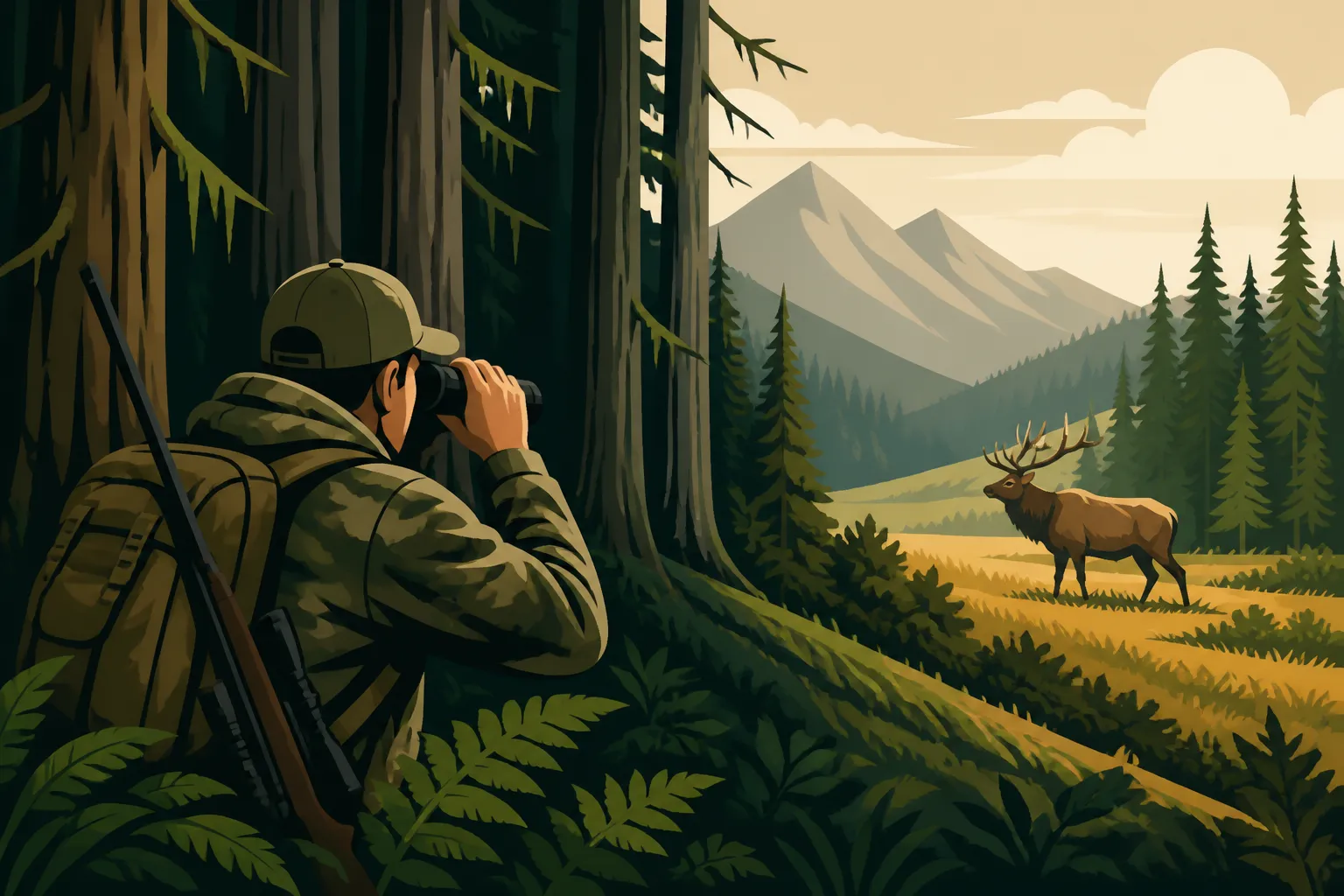
An old growth forest, by definition, is characterized by its large, ancient trees, often centuries old, with a complex, multi-layered canopy. Think towering Douglas firs, massive cedars, and ancient hemlocks that create a deep, shaded understory. When this majestic, often cathedral-like forest meets a younger, regenerating cutblock, a natural meadow, a wetland, or even a logging road, you've found an old growth edge. These edges aren't uniform; they can be abrupt, where a clearcut butts right up against old timber, or more gradual, featuring a series of smaller trees slowly giving way to giants.
The appeal of these zones lies in the sharp contrast they present. The old growth provides incredible thermal cover, especially during harsh weather or the heat of the day. The enormous trees and dense canopy offer protection from heavy rain, snow, and strong winds, acting as a natural shelter. Furthermore, the undisturbed nature of these deep woods often means less human disturbance, providing safe bedding and escape cover for wary animals. The ground beneath these ancient trees is often relatively clear, making for quiet travel for both animals and hunters, though the fallen debris can be substantial.
Why Deer and Elk Gravitate to These Zones?
Deer, whether it's the elusive coastal blacktail or the robust interior mule deer, and our magnificent elk populations, are drawn to these old growth edges for very clear, practical reasons: food, cover, and security. It's a buffet and a fortress all rolled into one. The younger growth adjacent to the old timber often boasts a wider variety and higher density of palatable browse. Think of the sun-drenched clearcuts or openings with their abundance of fireweed, huckleberries, young deciduous shoots, and various grasses. These areas are nutritional powerhouses, particularly in the spring and fall.
However, these feeding grounds lack significant cover. That's where the old growth steps in. Animals can feed actively in the open, benefiting from the rich forage, and then quickly retreat into the shadows of the old growth for bedding, rumination, and protection. This transition zone allows them to minimize their exposure to predators, including humans, while maximizing their feeding efficiency. During the rut, these edges can be particularly active, as bucks and bulls will scent-check and cruise these transition areas looking for receptive females who are feeding in the more open, adjacent areas. It's a strategic location for any hunter hoping to intercept these animals as they move between different habitat types. For a deeper dive into specific deer species, you might find information on hunting Black-Tailed Deer in British Columbia or Mule Deer Hunting in British Columbia very useful.
Scouting and Locating Productive Edges
Finding those honey holes along old growth edges isn't just about stumbling upon them; it requires diligent scouting, both from afar and on the ground. Understanding the lay of the land, what to look for, and how game animals utilize these unique habitats is paramount to success. It's a methodical process that combines technology with boots-on-the-ground effort.
Identifying Prime Edge Habitat
Your scouting begins long before you ever step foot in the woods. Satellite imagery and topographical maps are your best friends here. Online mapping tools, including specialized hunting apps like GoHunt, allow you to scan vast areas from the comfort of your home. Look for distinct lines where dark green (indicating dense, mature timber) meets lighter green (younger regeneration, open clearings, or meadows) or even grey (rockslides, open slopes). Pay particular attention to areas where these edges are adjacent to south-facing slopes, as these often receive more sun and grow more browse, making them especially attractive in cooler seasons. Also, consider water sources; edges near creeks, bogs, or small ponds often see increased animal activity.
Once you've identified potential spots on the map, it's time for boots on the ground, but even then, your strategy should be intentional. Before the season, take walks through these areas, paying attention to the terrain. Does the old growth transition smoothly, or are there benches, draws, or small fingers of timber extending into the younger growth? These topographical features can funnel animal movement, creating natural corridors. Look for natural clearings or small openings within the old growth itself, as these can be unexpected feeding areas or bedding sites. Remember that accessing these areas might involve navigating British Columbia's logging road network, so be sure to check road conditions and access restrictions beforehand.
Reading Sign on the Edge
Once you’re in the field, it’s all about becoming a detective and interpreting the subtle clues animals leave behind. On an old growth edge, you’ll be looking for signs that indicate recent and consistent use. Tracks are often the most obvious. Look for fresh deer or elk tracks moving back and forth between the dense timber and the more open feeding areas. The size and depth of the tracks can give you an idea of the animal's size and how recently it passed through. Soft, damp earth in the transition zone, especially after a rain, can be a goldmine for revealing tracks. This is particularly true if you are Hunting in British Columbia's Coastal Rain where the ground can be constantly wet.
Beyond tracks, look for rub lines on small trees or saplings, particularly during the rut. Bucks and bulls will rub their antlers on these, leaving behind shredded bark and scent. The height and diameter of the rubs can indicate the size of the animal. Scrapes, where bucks paw away leaves and urinate, are also critical indicators of active use. In the old growth, look for worn trails or game paths that animals use for regular travel. These often follow the path of least resistance or provide the most cover. Along the younger growth, examine browse lines – branches and leaves that have been nipped off by feeding animals. This tells you what they're eating and how frequently they're feeding in that specific area. Droppings can also offer clues about diet and recent presence. The fresher the sign, the more likely you are to encounter animals in that spot. You'll want to hone your skills in Reading Blacktail Sign in Wet Ground if you're targeting those coastal deer.
| Sign Type | What to Look For | Indicates | Ideal Location on Edge |
|---|---|---|---|
| Tracks | Fresh hoof prints in soft earth or mud; size, direction. | Recent movement, animal size, travel patterns. | Transition zones, muddy trails, near water. |
| Rubs | Scraped bark on trees/saplings; height, diameter. | Buck/bull presence, rut activity, travel routes. | Within old growth, along the immediate edge. |
| Scrapes | Bare earth pawed clean, often with urine smell. | Rut activity, dominant buck/bull communication. | Under low-hanging branches, along game trails. |
| Browse | Clipped twigs, stripped leaves; species preference. | Feeding activity, preferred forage, recent presence. | Younger growth side of the edge, clearings. |
| Droppings | Pellets or scat; freshness, consistency, location. | Recent presence, dietary habits, animal type. | Feeding areas, bedding areas, travel routes. |
| Game Trails | Worn paths through vegetation; distinctness, width. | Regular travel routes, escape routes. | Leading into/out of old growth, along the edge. |
| Bedding Areas | Flattened grass/snow, often under thick cover. | Resting spots, security areas, often near food. | Dense pockets within old growth, thickets on the edge. |
Effective Hunting Strategies for Old Growth Edges
Hunting old growth edges demands a blend of patience, stealth, and an understanding of animal behavior. It’s not just about being in the right place, but about knowing how to move, when to move, and how to position yourself for success. The interplay of dense cover and open feeding zones creates unique challenges and opportunities.
Still-Hunting and Stalking Techniques
Still-hunting is perhaps one of the most effective methods along an old growth edge, particularly when you’re dealing with wary animals like Black-Tailed Deer Hunting in British Columbia. This technique involves moving incredibly slowly, taking only a few steps, then stopping to observe and listen for extended periods—sometimes 5 to 10 minutes or even longer. The idea is to blend into the environment and allow the forest to "reset" around you. Animals that might have detected your movement initially will often calm down, thinking you've passed or are no longer a threat, potentially revealing themselves.
When still-hunting, pay meticulous attention to the wind. Always hunt into the wind or with a crosswind to keep your scent from reaching the animals. The old growth itself can create swirling thermals and unpredictable wind patterns, so be extra vigilant. Move deliberately, placing each footfall carefully to avoid snapping twigs or rustling leaves. Use the varied terrain—fallen logs, large trees, small rises—to break up your silhouette. Your eyes should be constantly scanning, not just for the whole animal, but for parts of an animal: an ear flick, a horizontal line of a back, the dark patch of an eye. Take advantage of the shadows and light play; old growth can be very dark, making spotting difficult, but also making it easier for you to remain undetected. Spot-and-Stalk Mule Deer in British Columbia can be a highly rewarding method if executed with precision in these environments.
Setting Up Ambush Points
While still-hunting is active, setting up an ambush point is a more passive, yet equally effective, strategy, especially if you've done your scouting homework. Ambush hunting involves identifying specific locations where game is likely to travel or feed, and then waiting patiently for them to appear. Along an old growth edge, these spots are often natural pinch points or travel corridors. Look for game trails that funnel animals from their bedding areas in the dense timber to their feeding grounds in the adjacent openings. These might be narrow strips of cover, small draws, or even a specific opening in the canopy that funnels daylight to the forest floor, promoting browse.
When choosing an ambush site, consider your vantage point, wind direction, and cover. A small rise, the base of a large tree, or a natural blind made from fallen timber can offer an excellent setup. Aim to position yourself downwind of where you expect the animals to emerge. Early morning and late evening are prime times, as animals are often most active during these low-light periods, moving between feeding and bedding. If you’re hunting during colder weather, look for south-facing slopes along the edge that catch the sun, as animals will often seek these areas for warmth. Remember that patience is your greatest asset here. You might sit for hours without seeing anything, but that one brief window of opportunity can make all the entire hunt.
Leveraging Weather and Time of Day
The weather and time of day significantly influence animal movement and, consequently, your hunting success on an old growth edge. Overcast days, light rain, or even a bit of fog can be your best friend. These conditions muffle sound, mask human scent, and often encourage animals to move more freely throughout the day. When it’s raining, deer and elk often seek the thermal protection of the dense old growth but might still browse along the very immediate edge or in small, sheltered openings. This is a fantastic time for still-hunting, as your movements are naturally quieter. Heavy rain, however, can push animals deeper into the thickest cover, making them harder to find.
Conversely, clear, sunny days, especially after a storm, can see an increase in feeding activity along the open side of the edge as animals make up for lost time. However, on bright days, deer and elk will often retreat into the shaded old growth earlier in the morning and emerge later in the evening to feed, utilizing the cover to avoid detection. During these times, focus your efforts on the first and last hours of daylight, when animals are most active at the edge. Also, pay attention to thermal drafts. In the mornings, air currents typically flow downhill, while in the evenings, they flow uphill. This knowledge allows you to position yourself to keep your scent from blowing towards the likely animal locations. Understanding how these factors interact can dramatically improve your chances of success, whether you're hunting British Columbia's Alpine in September or a coastal timber block.
Gear Considerations for Old Growth Edge Hunting
Success on an old growth edge in British Columbia isn't just about strategy and skill; it's also heavily reliant on having the right gear. The environment can be demanding, characterized by dense undergrowth, unpredictable weather, and often steep, broken terrain. Your equipment needs to be rugged, reliable, and chosen to enhance stealth and comfort.
Essential Apparel and Footwear
When hunting old growth edges, quiet, durable, and weather-appropriate clothing is paramount. Layers are always key in British Columbia, as conditions can change rapidly. Start with a moisture-wicking base layer, add an insulating mid-layer (fleece or synthetic down), and top it off with a quiet, waterproof, and windproof outer shell. Materials like brushed fleece or softshell fabrics are excellent choices because they don’t rustle loudly against brush. Avoid noisy fabrics like stiff nylon or crinkly rain gear. Camouflage patterns should match the dense, varied greens and browns of the forest, breaking up your silhouette effectively.
Footwear is arguably the most critical component. You'll be traversing uneven ground, climbing over blowdowns, and likely dealing with mud, wet leaves, and potentially slippery rocks. A pair of sturdy, waterproof boots with excellent ankle support and aggressive traction is non-negotiable. Look for boots designed for mountain hunting or heavy-duty backpacking, as they offer the necessary durability and protection. Brands like Kenetrek or Crispi are popular for their robust construction and comfort in challenging terrain. Ensure your boots are well broken-in before your hunt to prevent blisters. Consider waterproof gaiters to keep debris and moisture out of your boots, especially when pushing through thick undergrowth or crossing wet areas. If you're tackling truly steep sections, make sure your Boots for Steep British Columbia Country are up to the task.
Optics and Navigation Tools
In the dappled light and dense cover of an old growth edge, good optics are indispensable for spotting game that might be partially obscured. A pair of high-quality binoculars, 8x or 10x magnification, will allow you to scan for subtle movements, a flicker of an ear, or an antler tine. Look for binoculars with excellent low-light performance, as much of your hunting will occur during dawn and dusk, or in the deep shadows of the old growth. A rangefinder is also crucial for accurately judging distances, especially in dense timber where judging yardage can be tricky.
For navigation, a reliable GPS unit or a smartphone with a robust hunting app is essential. Applications like GoHunt or OnX Hunt provide detailed topographic maps, satellite imagery, and the ability to mark waypoints, track your path, and identify property boundaries. These tools are invaluable for pinpointing those prime old growth edges you scouted, navigating through dense forest, and safely returning to your vehicle or camp. Always carry a physical map and compass as a backup, and know how to use them, especially when you are Scouting a British Columbia Management Unit that is unfamiliar. Given the limited cell service in many remote areas, a satellite communication device like a Garmin inReach or Zoleo can be a literal lifesaver for Emergency Planning in British Columbia's Backcountry. These devices allow you to send and receive texts, access weather forecasts, and, most importantly, send an SOS signal in an emergency, ensuring you’re always connected even when far off the grid.
Disclaimer
Hunting is a challenging and rewarding activity that carries inherent risks. The information provided in this guide is for informational purposes only and is not a substitute for professional advice, local regulations, or proper safety training. Always consult the most current British Columbia Hunting and Trapping Regulations Synopsis, obtain the necessary licenses and tags, and practice ethical hunting principles. Ensure you have the skills, fitness, and equipment appropriate for the terrain and conditions you will encounter. Safety should always be your number one priority.