Hunting Cougar Behind Hounds
Hunting cougars in British Columbia is one of the most physically demanding and mentally challenging pursuits a hunter can undertake. These apex predators are incredibly elusive, masters of stealth, and navigating their dense, often rugged habitat can push even seasoned outdoorsmen to their limits. This comprehensive guide will walk you through the intricacies of hunting cougar behind hounds, offering insights into their behavior, the specialized techniques involved, essential gear, and the vital regulatory and ethical considerations unique to British Columbia.
The Elusive Hunter: Understanding British Columbia Cougars
Before you even think about hitting the trail, it's absolutely crucial to understand the animal you're pursuing. Cougars, or mountain lions as they're also known, are fascinating creatures, and respecting their cunning and strength is the first step toward a successful hunt.
The Secretive Nature of Cougars
Cougars are solitary animals, known for their incredible stealth and nocturnal habits. They are ambush predators, often stalking their prey for long distances before launching a swift attack. This makes them incredibly difficult to locate through traditional spot-and-stalk methods, especially in the thick forests and rugged terrain that defines much of British Columbia. Their natural caution means they avoid human contact whenever possible, making them more like ghosts in the wilderness. Learning about the British Columbia Cougar Population helps you appreciate the healthy numbers we have in certain regions, but it doesn't make them any easier to find. Their keen senses of smell and hearing, combined with their ability to move silently through dense undergrowth, are why so many hunters turn to the specialized approach of hunting with hounds. They leave subtle signs, like scrapes, scat, and tracks, but these require an experienced eye and often the nose of a well-trained dog to interpret effectively.
Prime Cougar Habitat in British Columbia
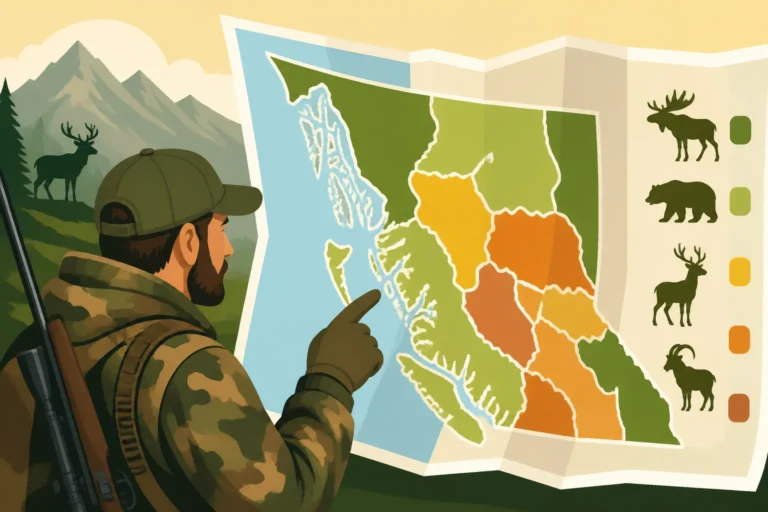
British Columbia offers diverse habitats, and cougars are incredibly adaptable, thriving from the coastlines to the interior mountains. They prefer areas with dense cover for stalking and denning, often near rocky outcrops, mature forests, and riparian zones. Key to their survival is a healthy prey base, primarily deer—both black-tailed deer on the coast and mule deer in the interior—as well as elk and even smaller mammals. This means that if you're looking for cougars, you should be looking for healthy populations of their primary food sources. Areas with steep, broken terrain, abundant escape cover, and a mix of old-growth and second-growth forests tend to hold the highest densities. It's no secret that Where Cougars Are Most Common often aligns with robust deer herds. For instance, it's widely recognized that Why Vancouver Island Has So Many Cougars is directly linked to its massive black-tailed deer population. Using detailed mapping tools like those offered by GoHunt can give you a significant advantage in identifying these prime habitats, overlaying satellite imagery with topography to pinpoint potential cougar strongholds.
The Heart of the Chase: Hunting Cougars with Hounds
Hunting cougars with hounds is a time-honored tradition and a highly specialized method. It's less about the "hunt" in the traditional sense of tracking and more about the "chase" and the dogs doing what they do best.
Training and Working with Scent Hounds
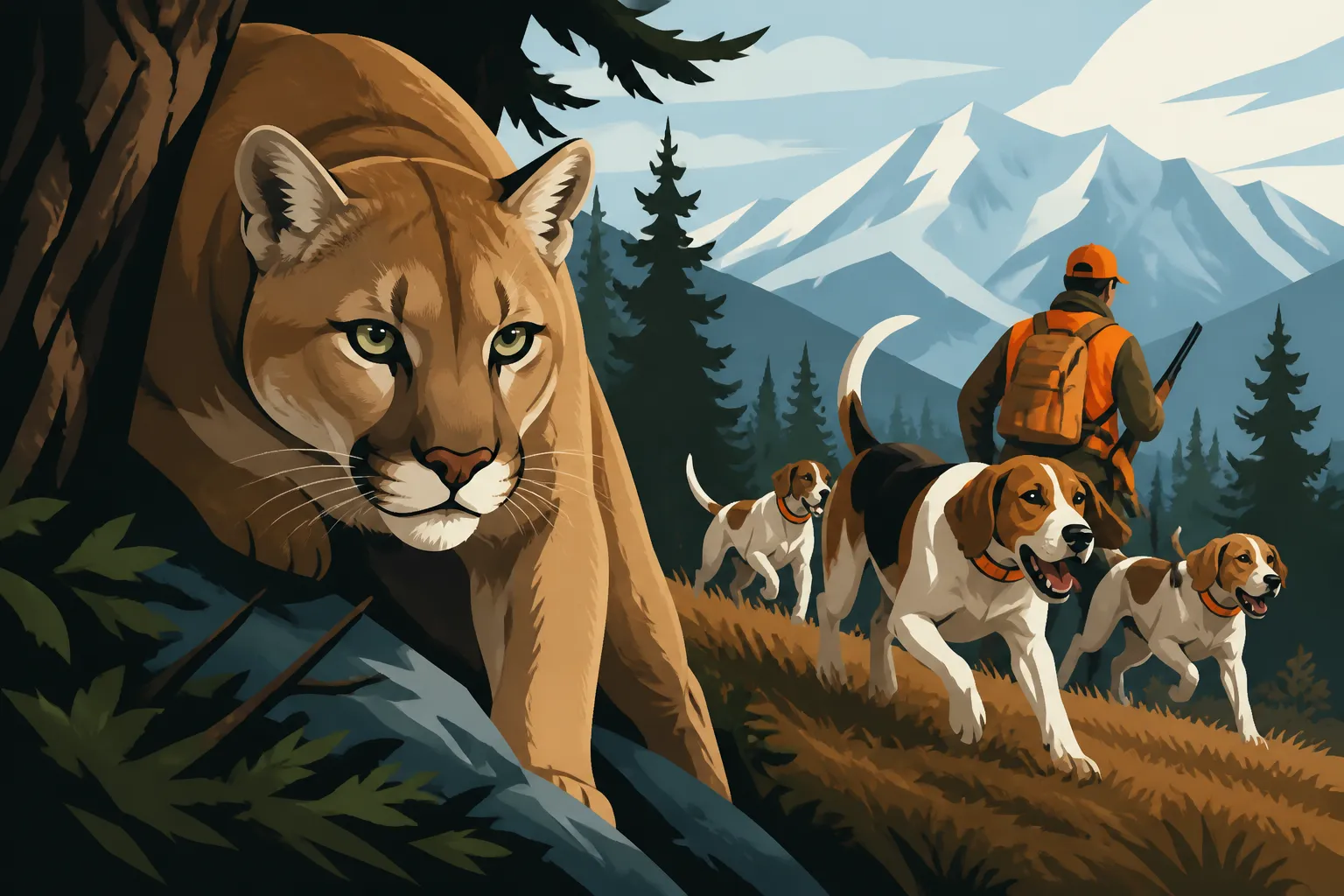
The success of a hound hunt hinges entirely on the quality and training of the dogs. These aren't just any dogs; they are typically Plott Hounds, Walkers, Blueticks, or mixes, bred for their incredible scenting ability, endurance, and courage. Training begins early, focusing on scent discrimination, obedience, and developing a strong "treeing" instinct. A good pack will work cohesively, communicating through distinct barks and howls as they pick up a track, follow the cougar, and eventually corner it, often up a tree. The hounds' ability to follow a cold trail, sometimes hours after a cougar has passed, is remarkable. They must be able to navigate difficult terrain, avoid distractions, and maintain focus on the cougar's scent. For the hunter, understanding the vocalizations of the pack is critical – a sharp "chop" might indicate a fresh track, while a steady "bay" could mean the cougar is treed. This form of hunting is a partnership, with the hunter relying completely on the dogs' specialized skills. It's a true test of canine athleticism and instinct.
Tracking and Treeing a Cougar
The process usually starts by looking for fresh cougar tracks, often found on logging roads, snow-covered trails, or near known deer wintering areas. Once a fresh track is located, the hounds are unleashed. The dogs pick up the scent and the chase begins. This can be a sprint or a marathon, sometimes lasting hours and covering many kilometers over incredibly challenging terrain. Hunters must be prepared to follow, often running, climbing, and pushing through thick brush. GPS collars on the hounds are indispensable, allowing hunters to monitor their dogs' location and progress, especially when the dogs are out of earshot. As the hounds close in, their baying often changes in intensity, signaling they've "treed" or "bayed" the cougar. The cougar, seeking an escape, will usually climb a tree, where it feels safe from the dogs. This is where the hunter finally catches up, often tired but exhilarated by the chase. It's important to approach the treed animal calmly, assess the situation, and decide on an ethical shot. This method, while controversial to some, is highly effective for locating an otherwise invisible animal and allows for careful assessment of the animal before harvest.
Equipping for the Pursuit: Gear and Safety
Hunting cougars behind hounds is physically demanding, so your gear needs to be up to the task. Being ill-prepared can quickly turn a thrilling chase into a dangerous situation in British Columbia's rugged wilderness.
Clothing, Footwear, and Navigation
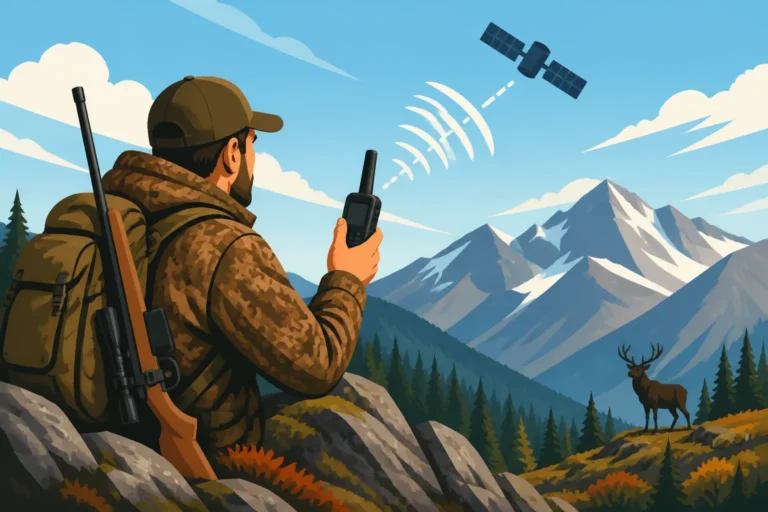
You'll be moving constantly, often through dense brush, over uneven ground, and in potentially adverse weather conditions. Layered clothing is paramount. Start with a moisture-wicking base layer, add insulating layers like fleece, and top it off with a durable, waterproof and windproof outer shell. Given the terrain, you'll be thankful for sturdy, waterproof, and comfortable hiking boots with excellent ankle support and aggressive traction. British Columbia's terrain can be incredibly steep and rocky, so boots are not an area to compromise. Gloves and a warm hat are also essential. Beyond clothing, navigation is critical. A reliable GPS device, especially one that integrates with detailed mapping applications like GoHunt, is non-negotiable for tracking both your position and that of your hounds. A satellite communication device is also highly recommended, as cell service is often non-existent in the remote areas where cougars roam. For safety, always pack a first-aid kit, emergency fire starter, extra food, and water. Considering the changeable nature of mountain weather, familiarizing yourself with Weather Windows in British Columbia's Mountains can be crucial for planning.
Firearms and Safety Considerations
For cougar hunting, a reliable rifle or shotgun is typically used. Given that you'll be shooting at a treed animal, often from a relatively close distance, accuracy and humane dispatch are key. Many hunters opt for cartridges in the .223 Remington to .30-06 Springfield range. The focus is on a controllable rifle that allows for precise shot placement. Legal Rifle Calibres for Big Game in British Columbia are varied, but generally, anything from a .243 Winchester upwards is suitable for cougars.
| Calibre (Example) | Common Bullet Weight (grains) | Pros | Cons |
|---|---|---|---|
| .223 Remington | 55-77 | Low recoil, good accuracy | Limited knockdown power, shot placement critical |
| .243 Winchester | 80-100 | Moderate recoil, flat trajectory | Can be light for larger cougars |
| 6.5 Creedmoor | 120-147 | Excellent accuracy, moderate recoil | Less common among traditional hound hunters |
| .30-30 Winchester | 150-170 | Classic lever-action, good for brush | Limited range, slower velocity |
| .308 Winchester | 150-180 | Versatile, proven, readily available | Recoil might be higher for some |
| .30-06 Springfield | 150-180 | Powerful, versatile, widely available | Higher recoil |
Safety is paramount during a hound hunt. Always ensure your firearm is unloaded until you're ready to take a shot, and maintain muzzle control at all times, especially when navigating dense terrain with hounds and fellow hunters. Be absolutely certain of your target and what's beyond it. When a cougar is treed, adrenaline runs high, but careful shot placement is crucial for a quick, humane kill. Also, be mindful of the hounds; they will be highly excited, and you must ensure they are clear of any potential shot path. It's also wise to carry a sidearm or bear spray, not for the cougar you're hunting, but for unexpected encounters with other wildlife, especially in areas where you might encounter larger predators like grizzlies, making Emergency Planning in British Columbia's Backcountry a must.
Hunting Responsibly: Regulations and Ethics in BC
Hunting cougars in British Columbia is a privilege that comes with significant responsibilities, both legal and ethical. Adhering to regulations and practicing fair chase principles is essential for conservation and maintaining the sport's integrity.
Fair Chase and Conservation
Ethical hunting dictates fair chase, which means giving the animal a reasonable chance of escape. While hounds are used to locate cougars, the pursuit and subsequent harvest must still align with these principles. Hunters often assess the treed cougar for age and size, ensuring they are taking a mature animal or one that aligns with their hunting goals and tag restrictions. The goal is not just to kill an animal, but to make a responsible harvest that contributes to sustainable wildlife management. Many hunters choose to only harvest males to help maintain population stability. Conservation is also about proper meat care; even though cougar meat isn't as widely consumed as deer or moose, it is edible and should be cared for properly, with no meat wasted. Understanding the British Columbia's Compulsory Reporting Rules is crucial after a successful hunt, ensuring wildlife managers have accurate data on harvest numbers to inform future regulations.
British Columbia Specific Regulations
British Columbia has specific rules governing the hunting of cougars. First and foremost, you must possess a valid British Columbia Hunting Licences and Fees, along with the appropriate cougar species licence. It's important to consult the current British Columbia Hunting Regulations Synopsis, available through the BC government website or various outdoor retailers, as rules can change. This synopsis will detail the British Columbia Cougar Season Dates for various management units, bag limits (usually one cougar per year), and any specific restrictions on hunting methods.
Specifically, the rules on Rules on Hunting With Dogs are very clear: dogs can be used to hunt cougars, but there are often restrictions on which species can be hunted with dogs and in what manner. For instance, in some areas, only specific dog breeds may be allowed, or there may be restrictions on using more than a certain number of dogs. It is your responsibility to know these rules inside and out for the specific Management Unit you plan to hunt. Always check the regulations for the current year, as they can update frequently. For non-residents, remember that you are typically required to hunt with a licensed guide or under a Permit to Accompany, further emphasizing the importance of understanding all provincial rules.
Disclaimer
Please remember that hunting regulations, seasons, and licensing requirements in British Columbia can change. Always consult the most current British Columbia Hunting Regulations Synopsis and official government sources before planning any hunting trip. This guide is for informational purposes only and does not substitute for legal advice or official regulations.