Getting a Moose Out on a British Columbia River
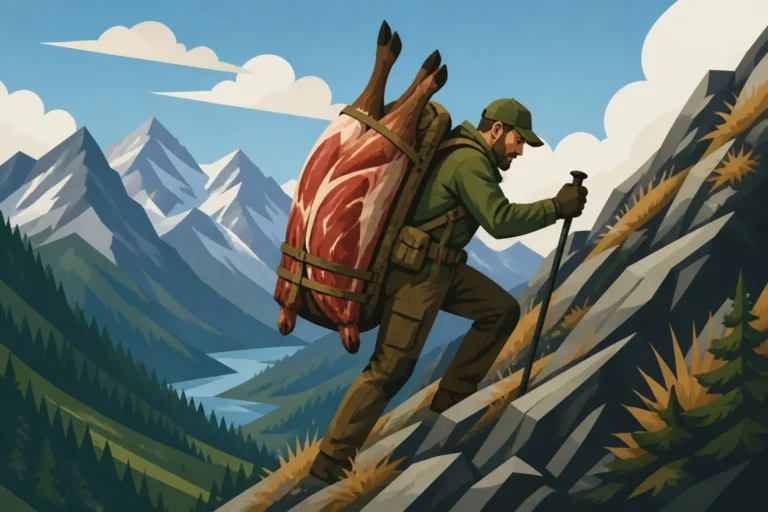
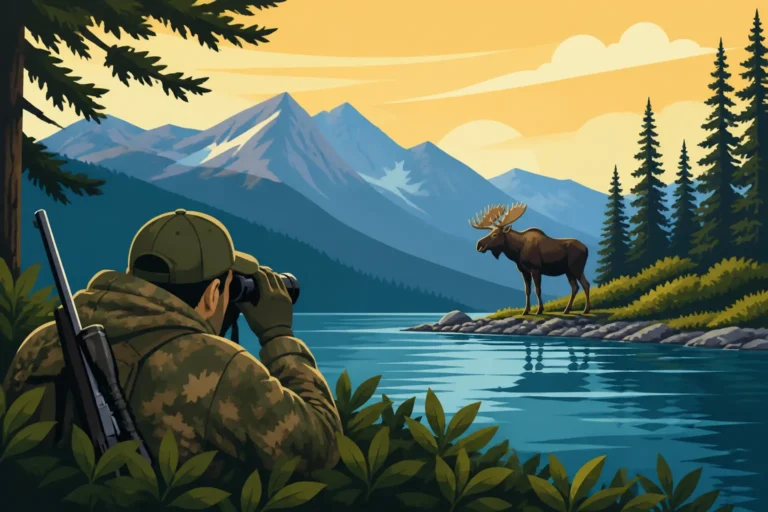
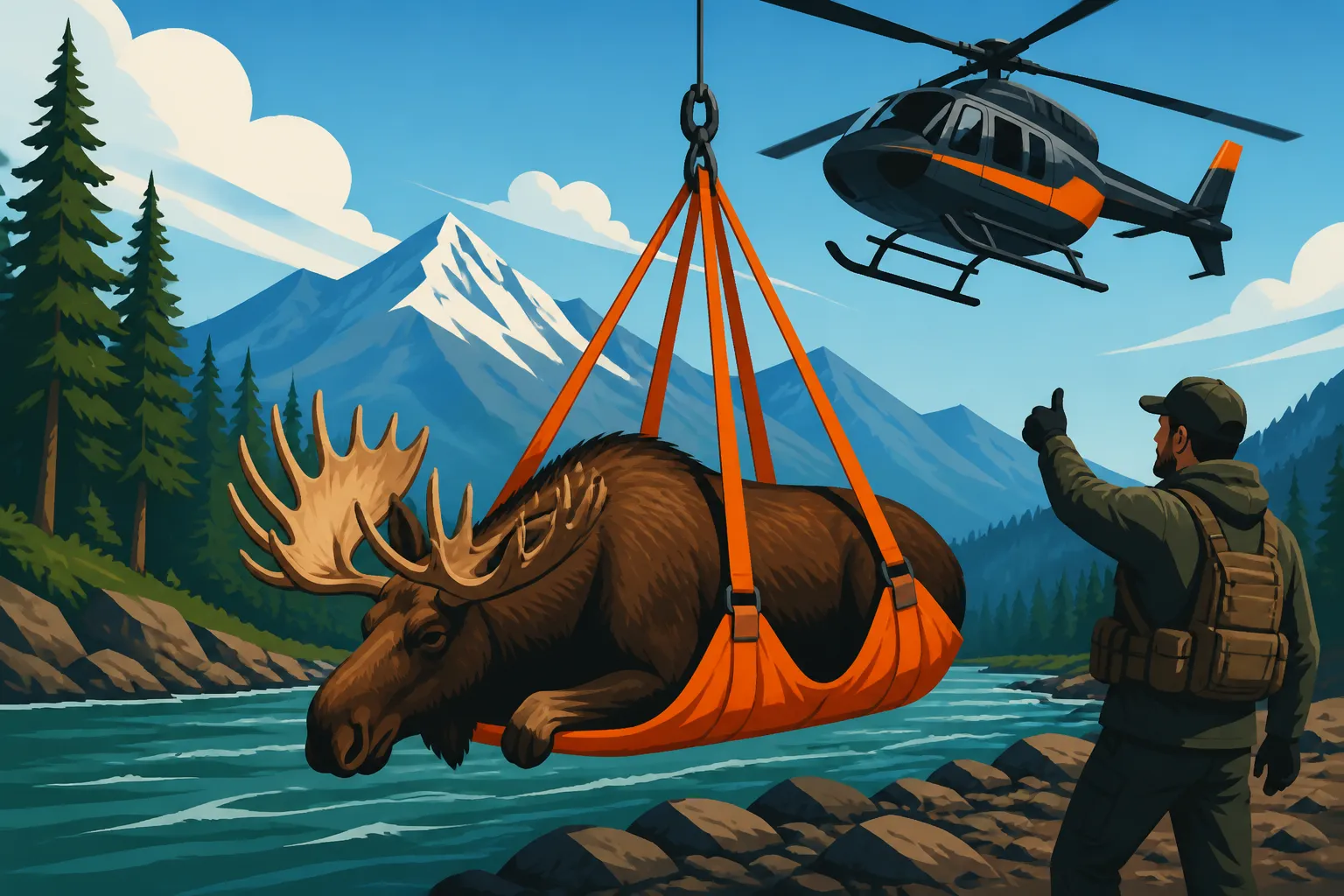
You’ve finally done it. After days, maybe weeks, of searching and patient hunting, a massive bull moose is on the ground. The adrenaline is still coursing, a mix of elation and profound relief. But then reality sets in, a heavy, sinking feeling: this isn't a whitetail. This is a British Columbia moose, a creature of immense size, often taken in incredibly remote and rugged terrain, and now, it’s lying still, typically near the very river that brought you there. Getting that much meat, hide, and antlers out of the wilderness and back to civilization is a daunting, back-breaking challenge. This guide will walk you through the essential steps and considerations for successfully extracting a moose from a British Columbia river, ensuring your hard-earned trophy and valuable meat make it home safely.
Understanding the Unique Challenge of River Recovery
Bringing down a moose in British Columbia is one thing; getting it back to your truck or home is an entirely different beast, especially when a river is your primary access route. The sheer scale of the animal combined with the unforgiving nature of riverine environments presents a unique set of logistical and physical hurdles that can quickly turn a dream hunt into a nightmare if not properly planned.
Moose Size and Weight Realities
Let’s be brutally honest: a mature bull moose in British Columbia can weigh anywhere from 900 to 1,500 pounds, sometimes even more. Even after field dressing, you’re looking at several hundred pounds of meat, bone, and hide. This isn't something you're dragging over logs or heaving onto a quad by yourself. The size alone dictates a methodical approach to breakdown and transport. Imagine trying to move a compact car, piece by piece, through dense brush and then into a boat. That’s the kind of scale we’re talking about here. Knowing what a British Columbia bull moose weighs beforehand can help you mentally prepare for the enormous task ahead.
Riverbank Terrain and Access Points
Rivers in British Columbia, while offering incredible access to remote hunting grounds, often come with their own brand of challenging terrain. Steep, often muddy banks, thick willows and alder, submerged logs, and slippery rocks are common. Trying to get several hundred pounds of moose meat from where it dropped to a waiting boat can feel like scaling Everest in slow motion. Finding a suitable "beach" or a relatively flat, open section of bank where you can safely work and load your boat is paramount. These spots are often few and far between, meaning you might have to drag heavy quarters a significant distance just to reach a viable loading zone.
Dealing with Water Hazards and Current
British Columbia rivers are dynamic and often unforgiving. Strong currents, submerged obstacles like sweepers (fallen trees anchored to the bottom, sweeping current), rapids, and fluctuating water levels can all pose serious risks. Once you’ve loaded your boat, the challenges don’t end; they simply shift to navigation. A heavily loaded boat handles differently, and if you're on a fast-flowing river like parts of the Stikine or Fraser, any miscalculation can have severe consequences. Cold water temperatures are also a constant threat; a capsize could quickly become a life-threatening situation. Always consider the river's character before you even plan your hunt, especially if you're considering a float hunting a British Columbia river.
Planning Your River-Based Moose Recovery
Successful river extraction begins long before you pull the trigger. It’s an integral part of your overall hunt plan, demanding meticulous foresight and preparation. Treating the recovery as a secondary thought is a recipe for disaster and potentially spoiled meat.
Pre-Hunt Scouting for Extraction Routes
Before you ever leave home, leverage mapping tools and local knowledge to identify potential game retrieval points along the river. This means looking for wider, flatter sections of bank, stable gravel bars, or accessible eddies where a boat can safely pull in and tie off. Tools like GoHunt or other mapping apps can be invaluable for pinpointing these areas, often showing elevation changes, clearings, and even historical satellite imagery that might reveal old logging cuts or trails that lead close to the river. When you're scouting a British Columbia management unit, don’t just look for moose sign; look for places where you could actually get an animal out. Think about where a bull might naturally feed and bed near the river, and if those areas offer any reasonable shot at getting a carcass to the water’s edge.
Critical Gear for River Recovery
Your standard hunting pack isn't enough for a moose river recovery. You’ll need specialized gear, and plenty of it. High-quality game bags are non-negotiable for keeping meat clean and cool. A robust block and tackle system, paired with sturdy ropes, will be your best friend for moving heavy quarters. Good knives are essential, along with a sharpening stone. Some hunters even carry a small, portable chainsaw for clearing brush or cutting a path, though this requires careful safety consideration. Heavy-duty tarps can help keep meat off the ground while working and protect your boat's interior. Most importantly, you need the right watercraft. This could be a sturdy jet boat, a large raft, or even a robust canoe, depending on the river and the size of your hunting party. Don't forget a first-aid kit, bear spray, and a satellite communication device for emergency planning in British Columbia's backcountry.
Safety Considerations for River Extractions
Safety should be your absolute top priority. This includes water safety – wearing personal flotation devices (PFDs) at all times while on the river, ensuring your boat is in top condition, and having emergency paddles or a spare prop. Bear safety while hunting in British Columbia is also critical; a moose carcass is a massive attractant, and you'll often be working in grizzly country. Have bear spray readily accessible, carry a firearm, and be vigilant. If you're working alone or with a small group, consider the extra time and effort required, which can mean working into the dark. Always let someone know your float plan and estimated return time. Breaking down and moving a moose is exhausting work, and fatigue can lead to mistakes, so stay hydrated and take breaks.
Field Dressing and Quartering for River Transport
The way you field dress and quarter your moose will directly impact the ease and safety of its river transport. Efficiency and cleanliness are paramount, not just for meat quality but for minimizing the time you're exposed to potential hazards.
Quartering a Moose in Grizzly Country
Given the immense size of a moose, traditional gutting can be a monumental task, especially on uneven riverbanks. Many experienced hunters opt for the gutless method when quartering a moose in grizzly country. This technique involves skinning and deboning the animal from the outside, separating the muscle groups into manageable pieces without ever opening the body cavity. This keeps the gut pile intact, reducing mess and potential contamination, and might be less attractive to bears initially. Aim to break the moose down into at least eight large quarters (four leg quarters, two backstraps, two tenderloins, neck meat, rib meat, etc.), plus the hide and head. Each piece should be small enough for one or two people to lift and move to the boat. This method is crucial for meat care in British Columbia's warm early seasons, as it allows rapid cooling of the bulk of the meat.
Preparing Meat for Water Transport
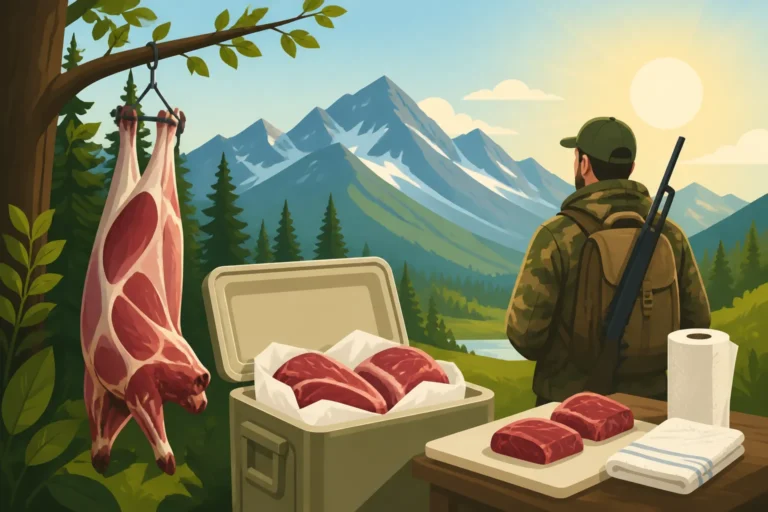
Once quartered, the meat needs to be protected. Place each piece into heavy-duty, breathable game bags immediately. This keeps the meat clean, protects it from flies and debris, and allows it to cool down more effectively. If you plan to leave meat overnight, hang it securely from trees, high enough to be out of reach of predators, ensuring good airflow. When it's time to load, consider placing the bagged meat inside heavy-duty plastic totes or large coolers if space allows. This provides an extra layer of protection against river water, keeps the boat cleaner, and helps maintain a cooler temperature, particularly important during British Columbia's early archery season.
Hide and Antler Management
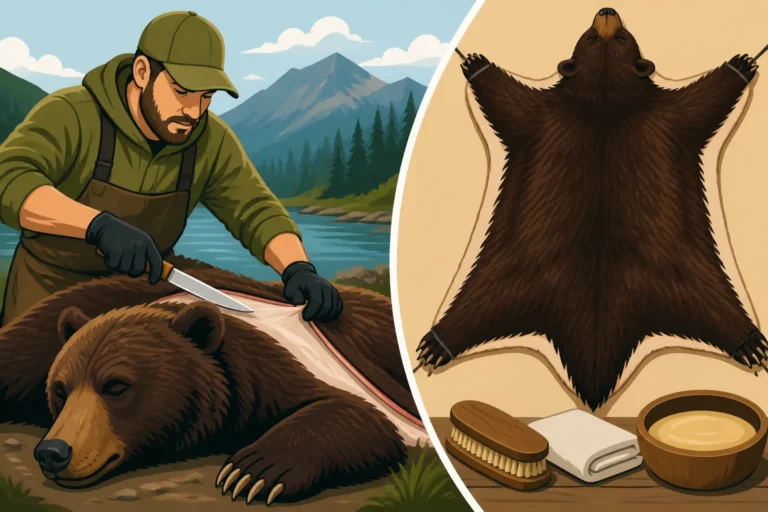
The hide and antlers represent additional weight and bulk. If you plan to keep the hide, roll it up tightly and place it in a separate bag or tarp to keep it clean and prevent it from contaminating the meat. For the antlers, if they are attached to the skull cap, they can be cumbersome. Consider sawing off the skull cap from the main skull to make it more manageable. Secure them firmly in the boat, ensuring they don't shift during transit or obstruct your view. Some hunters will bone out the head meat and skull plate, leaving the heavy full skull behind, depending on their trophy goals and the difficulty of the extraction.
The Logistics of Boat-Based Extraction
Once the moose is field dressed and quartered, the final, often most exhilarating, phase begins: getting it from the bank and safely downriver to your vehicle. This phase demands careful execution and an intimate understanding of your chosen watercraft and the river itself.
Choosing the Right Watercraft
The type of boat you use is paramount and depends heavily on the river you're hunting.
- Jet Boats: Ideal for shallow, rocky rivers where propellors would be a constant hazard. They offer speed and maneuverability, allowing you to cover vast distances quickly. However, they require significant skill to operate in technical water, especially when heavily loaded. Access to "Jet Boat Access on British Columbia Rivers" is a huge advantage.
- Rafts/Inflatable Boats: Excellent for slower, deeper rivers or even mild rapids. They are stable, offer substantial carrying capacity, and are relatively forgiving. They can be rowed or outfitted with a small outboard motor (prop-driven or jet-driven). Their flexibility makes them great for a variety of river conditions.
- Canoes/Kayaks: Best for smaller rivers, sloughs, or lakes, and only for smaller loads or very experienced paddlers. A single moose quarter can overload a standard canoe, making it unstable. Not typically recommended for full moose recovery unless it's a very large freighter canoe.
| Watercraft Type | Pros | Cons | Ideal For |
|---|---|---|---|
| Jet Boat | Speed, shallow water capability, powerful | Expensive, high skill needed, fuel consumption | Rocky, shallow, fast-flowing rivers |
| Raft/Inflatable | Stable, high capacity, forgiving, durable | Slower, susceptible to wind, can be bulky | Moderate to slow rivers, deeper water, multi-day trips |
| Freighter Canoe | Relatively inexpensive, quiet, good capacity for size | Slower than jet, less stable than raft, limited depth | Smaller rivers, lakes, sloughs, cautious paddlers |
Loading and Securing Meat in the Boat
This is where planning and teamwork really pay off. Distribute the weight evenly throughout the boat to maintain stability. Heavy quarters should be placed low in the boat, ideally centered, to keep the center of gravity low. Use ropes or bungee cords to secure all the meat, antlers, and gear. A shifting load can be incredibly dangerous on the water, especially if you encounter waves, rapids, or need to make a sudden maneuver. Cover the meat with tarps to protect it from splashing water, rain, or sun exposure during the journey. Remember, the goal is to keep the meat cool and clean, and water, if allowed to pool, can quickly degrade its quality.
Navigating the River Safely with a Heavy Load
A boat loaded down with hundreds of pounds of moose meat will handle vastly different from an empty vessel. It will be slower to accelerate, slower to stop, and less agile in turns. Your reaction time needs to be amplified. Maintain a cautious speed, constantly scanning for submerged hazards, sandbars, or sweepers. If you’re on a river you don’t know intimately, taking extra time to scout ahead or travel at a slower, more controlled pace is wise. Always have a plan for what to do if you encounter unexpected rapids or obstacles. Knowing how to read the river and its currents is a skill that comes with experience, but prudence is your best friend when you have a valuable, heavy load onboard. If the river leads you close to populated areas, be mindful of "Hunting Moose Off a British Columbia Forest Road" and ensure you adhere to all local regulations regarding transport and display of game.
Disclaimer
Hunting in British Columbia's wilderness involves inherent risks. The information provided in this guide is for informational purposes only and should not be considered a substitute for proper training, experience, and adherence to all local regulations and safety protocols. Always prioritize safety, understand your limits, and be prepared for unexpected challenges.