Hunting British Columbia’s October Rifle Opener
The crisp air, the vibrant changing leaves, and the promise of big game in the mountains – British Columbia's October rifle opener is a date many hunters eagerly anticipate. However, this season presents unique challenges, from rapidly shifting weather patterns that can change a warm, sunny day into a full-blown snowstorm, to game animals altering their habits under increased hunter pressure. Navigating these variables successfully means understanding not just the regulations, but the subtle shifts in the landscape and animal behavior. This guide will help you prepare for a productive and safe hunt during British Columbia's exciting October rifle opening.
Understanding the October Landscape and Wildlife Behavior
The transition from late summer to the heart of fall brings significant changes to British Columbia's diverse ecosystems. For hunters, this means adapting strategies to match the evolving environment and the animals' responses to it.
Shifting Seasons and Weather Conditions
October in British Columbia is a month of dramatic contrasts. Early October might still feel like an extension of fall, with mild temperatures and vibrant foliage, especially in the southern interior. However, as the month progresses, especially into the latter half, mountain regions and the northern parts of the province often see significant snowfall. This isn't just a picturesque change; it fundamentally alters hunting conditions. Roads, particularly unmaintained forest service roads, can become impassable quickly. Visibility can be reduced by fog, rain, or snow, and temperatures can plummet, increasing the risk of hypothermia. Hunters need to be prepared for everything from sunshine to blizzards, sometimes within the same day. This unpredictable nature means your gear and planning must be robust enough to handle the full spectrum of fall weather.
Deer Movement and Early Rut Activity
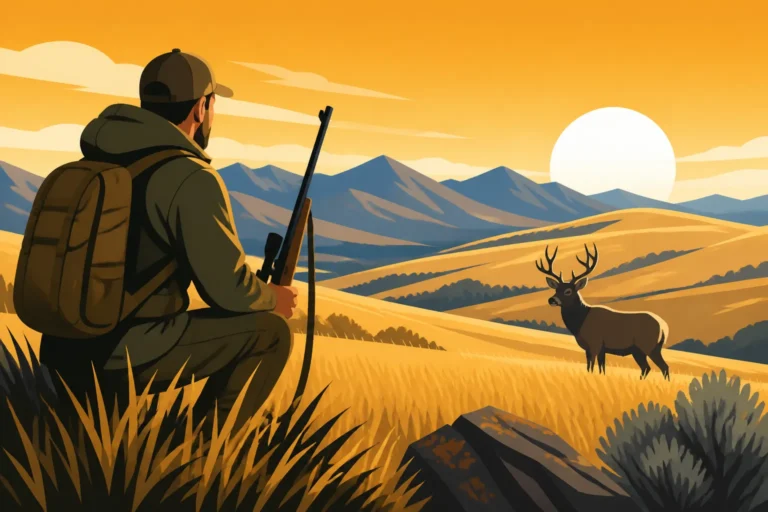
October is a crucial time for deer hunters, particularly for species like mule deer and blacktail. While the full-blown rut (breeding season) typically peaks later in November, October often marks the beginning of increased activity. Mule deer in the interior, for instance, begin to move more, with bucks starting to cruise for does. This pre-rut phase can make them more visible during daylight hours. You might find them transitioning from high alpine summer ranges down to mid-elevations as snow starts to fall at higher altitudes. For blacktail deer on the coast, they too begin to become more active, moving through the dense second-growth timber that defines their habitat. White-tailed deer in the valleys and agricultural interfaces also increase their movement, with bucks becoming more curious and less nocturnal as the season progresses. Understanding these nuanced shifts in behavior is key to anticipating where deer might be found and how they might react. You'll want to review British Columbia Deer Season Dates by Region to align your plans with local regulations.
Bear Activity Before Denning
Black bears are still very much active during October, often in a frantic race to put on enough fat reserves before winter forces them into their dens. This means they are often concentrated in areas with abundant food sources. Berry patches, particularly huckleberry and cranberry, are prime locations. Bears will also forage heavily on acorns, other mast crops, and even late-season salmon runs if you're hunting near coastal rivers or larger interior waterways. This intense feeding can make them less cautious, but it also means they are usually focused on their task, often oblivious to their surroundings. However, as the month progresses and colder temperatures hit, bears will begin to den up, making them increasingly difficult to find. Knowing when British Columbia Spring Bear Season Dates contrast with fall patterns can help in understanding their seasonal behavior.
Elk and Moose Patterns
For elk and moose, October presents different scenarios depending on the species and region. Rocky Mountain elk in the Kootenays or Peace Region may be dispersing after the September rut, often moving to lower elevations as snow pushes them out of higher country. Their feeding patterns shift to browse and more accessible forage. Roosevelt elk on the coast, having also finished their rut, will similarly move into more protected valley bottoms or dense timber to feed and recover. Moose in British Columbia's Interior, on the other hand, are often in the midst of their rut or just coming out of it in early October. This means bulls can still be responsive to calling or found trailing cows. As the month wears on, like elk, they will shift their focus to feeding heavily in preparation for winter, often frequenting willow flats, clearcuts, and areas with young deciduous growth. Always check the British Columbia Moose Season Dates for the specific management unit you plan to hunt.
Essential Gear and Preparations for October Hunts
Hunting in British Columbia during October requires careful consideration of your gear. The changeable conditions mean that what works one day might be wholly inadequate the next. Preparation is not just about what you bring, but how you prepare for the unexpected.
Clothing and Layering Systems
Given the potential for extreme weather swings, a versatile layering system is non-negotiable. Start with a moisture-wicking base layer that pulls sweat away from your skin, preventing chills. Next, add insulating mid-layers like fleece or down for warmth, which can be added or removed as temperatures fluctuate or as your activity level changes. Finally, a waterproof and windproof outer shell is absolutely critical. This shell will protect you from unexpected rain, sleet, or snow, and the biting winds often found at higher elevations. Think durable, quiet fabrics in natural tones. Forget cotton; it absorbs moisture and loses its insulating properties when wet, a potentially dangerous situation in cold, wet British Columbia weather. Having spare dry clothes in your vehicle is also a smart move, especially after a long day in the rain or snow.
Navigation and Communication
Venturing into British Columbia's vast and often remote wilderness, especially during a month like October when weather can quickly turn, demands reliable navigation and communication tools. A robust GPS device is essential, not just for knowing where you are, but for marking game sightings, tracking your route, and ensuring you can return to your vehicle or camp safely. Many hunters use apps like GoHunt on their smartphones, but always carry a dedicated GPS unit and a physical map and compass as backups. Cell service is often non-existent in much of British Columbia's hunting country, so a satellite communication device – a satellite phone or a two-way satellite messenger – is a critical safety item. These devices allow you to send emergency messages, communicate with loved ones, or call for help if needed, providing invaluable peace of mind when you're off the grid.
Rifle and Ammunition Selection
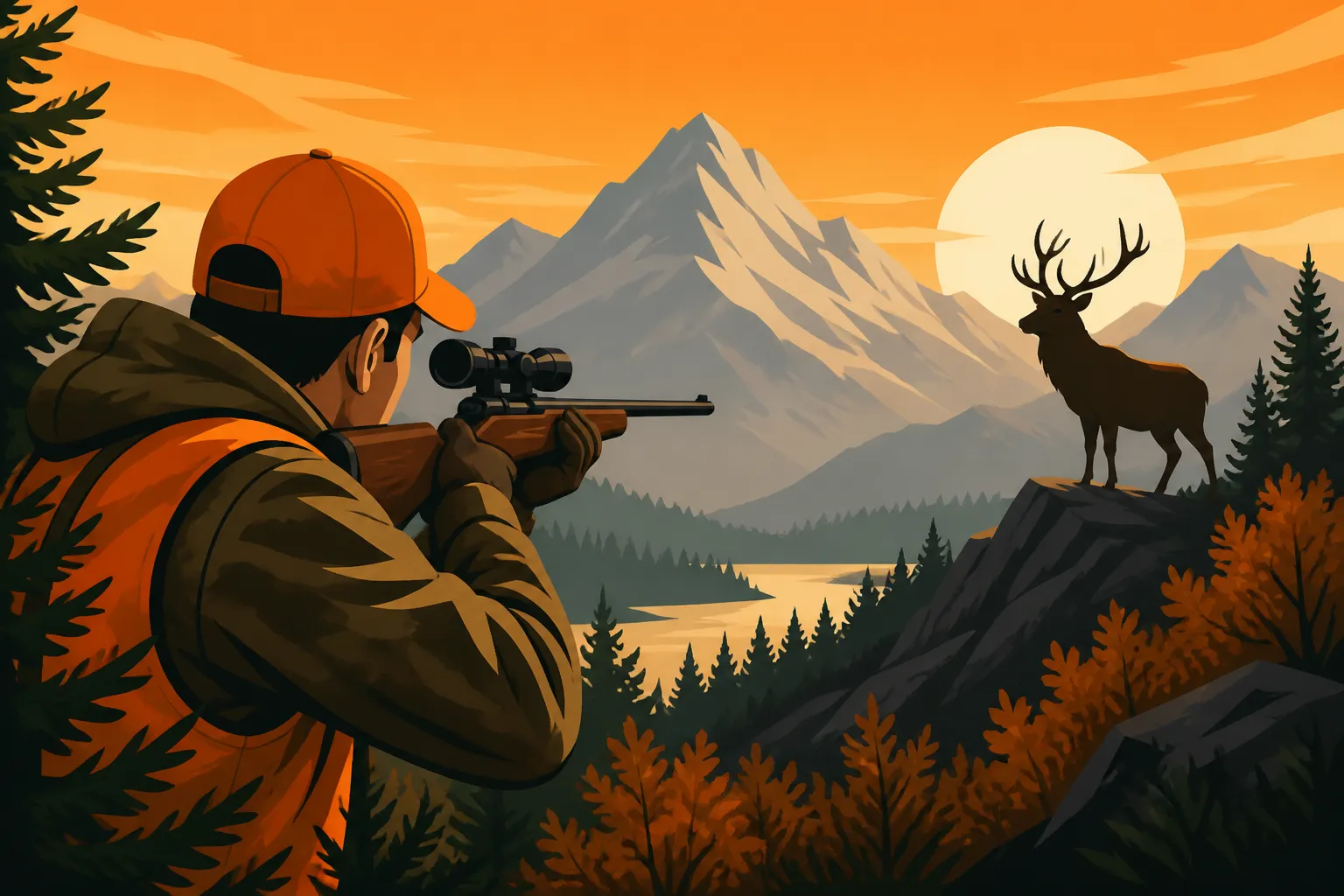
For British Columbia's big game species, a rifle chambered in a cartridge known for its effectiveness on medium to large animals is appropriate. Common choices range from .270 Winchester to .30-06 Springfield, 7mm Remington Magnum, or .300 Winchester Magnum. The key is to use a caliber you are proficient and comfortable shooting accurately, as shot placement is paramount. Ammunition choice is equally important; select quality hunting bullets designed for controlled expansion and deep penetration to ensure a clean, ethical kill. Before your hunt, ensure your rifle is sighted in accurately, and practice shooting in various field positions, including those you might encounter in the rain or cold. Remember to check the British Columbia Rifle Season Dates and any specific legal rifle calibres for big game relevant to your hunting area.
Meat Care in Cooler Temperatures
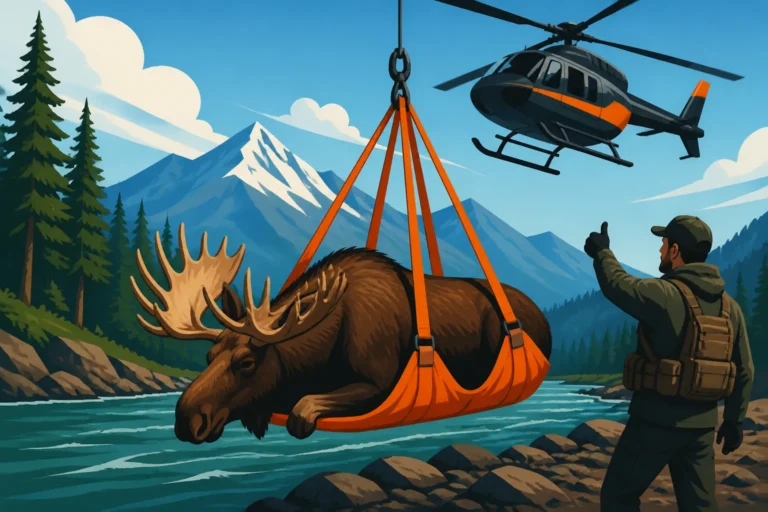
While October brings cooler temperatures, it's a mistake to assume meat care isn't a concern. Early October, especially in the interior, can still see daytime highs that require diligent meat management. Once an animal is down, the priority is to field dress it immediately to allow the carcass to cool. This involves removing the entrails to prevent spoilage from internal heat. Skinning the animal can further accelerate cooling. If you’re far from your vehicle, quartering the animal and placing the meat in breathable game bags is crucial for air circulation and protection from flies and dirt. If temperatures are still warm, consider hanging meat in the shade, perhaps by a cool stream overnight, or packing it out as quickly as possible. Even though it's cooler than earlier seasons, reviewing Meat Care in British Columbia's Warm Early Seasons can still offer valuable insights.
Hunting Strategies for the October Opener
The influx of hunters and the shifting natural environment demand adaptable and well-thought-out hunting strategies for the October rifle opener. Success often hinges on your ability to anticipate animal movements and utilize terrain effectively.
Adapting to Hunter Pressure
The October rifle opener often draws a significant number of hunters to accessible areas. This increased pressure can push game animals into thicker cover, more remote locations, or make them largely nocturnal. To counter this, consider strategies that take you away from the crowds. This might involve utilizing deactivated logging roads, often beyond the reach of standard vehicles, which requires walking or mountain biking significant distances. Alternatively, scout for less obvious access points, or focus on areas that require more strenuous climbs or deeper penetration into the backcountry. Animals will often seek refuge in these quieter zones. Even subtle changes in elevation can provide a sanctuary from road-based hunting pressure. Knowing how to interpret a British Columbia MU Map can help identify these overlooked pockets.
Spot-and-Stalk Techniques
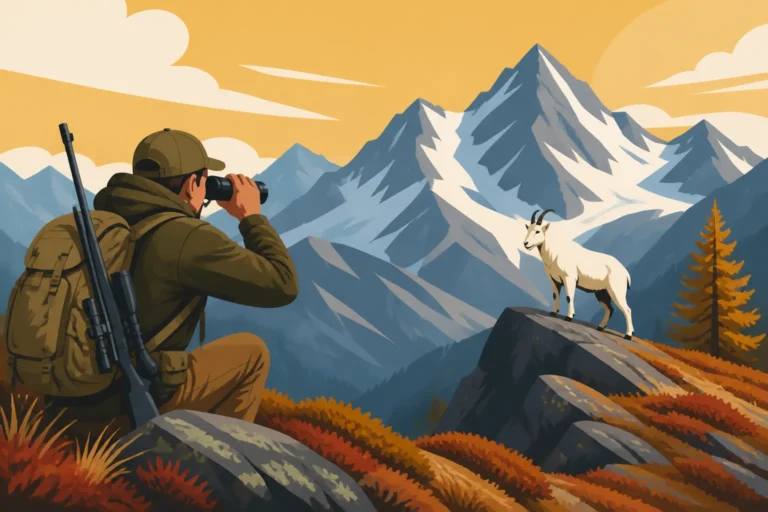
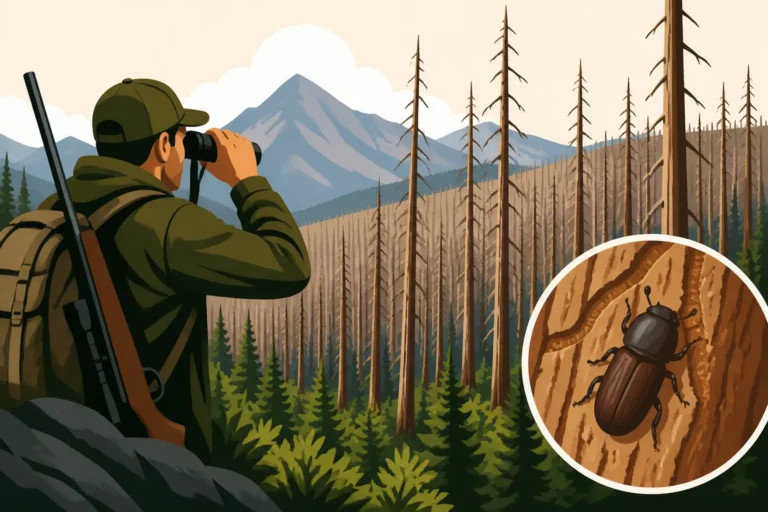
Spot-and-stalk is an incredibly effective strategy for mule deer and elk during October, particularly in more open or sparsely timbered areas. This technique relies heavily on your optics – a good pair of binoculars and a spotting scope are indispensable. Position yourself on a high vantage point at first light, or during the late afternoon, and systematically glass opposing slopes, basins, and timber edges. Pay close attention to subtle movements, patches of contrasting color, or the glint of antlers. Once an animal is spotted, carefully plan your stalk, using terrain features, prevailing wind, and available cover to approach undetected. This often requires patience, quiet movement, and the ability to remain hidden. For more detailed insights, check out Glassing an Interior Hillside for Mule Deer.
Still-Hunting in Changing Cover
For species like blacktail deer in the dense coastal forests or whitetail deer in the thicker timber of the interior, still-hunting can be a highly productive method. Still-hunting involves moving extremely slowly and deliberately through cover, pausing frequently to observe, listen, and scan your surroundings. Each pause should be long enough to allow you to scrutinize every shadow and movement, as well as to let any disturbed animals settle down. Focus on areas with fresh sign, like tracks, rubs, and scrapes, or natural funnels that animals might use. The key is to blend with the environment, taking one or two steps, then stopping for several minutes. The changing leaves in October can make it noisy underfoot, so pick your steps carefully and use any soft ground, like moss or pine needles, to your advantage. If you're hunting British Columbia's Coastal Rain, still-hunting becomes even more critical due to reduced visibility.
Reading Sign in Early Snow
When October brings its first dustings or significant snowfalls, it offers a fresh canvas for hunters. Early snow can be a game-changer, revealing fresh tracks that tell a story of recent animal movement. Look for tracks along ridge lines, in avalanche chutes, or near water sources. Pay attention to the size and depth of the tracks, which can indicate the size and recentness of the animal. Follow fresh tracks cautiously, always being aware of the wind direction and potential bedding areas. Snow also highlights rubs, scrapes, and feeding areas, giving you clues as to where animals are spending their time. This can be especially effective for finding moose that are now heavily browsing on willow and young aspen, or deer that have shifted from higher summer ranges.
Navigating Regulations and Access
Hunting in British Columbia demands a thorough understanding of its regulations and knowing how to navigate access to its vast public lands. This knowledge is as crucial as any hunting skill.
Reviewing the Two-Year Synopsis
The British Columbia Hunting Regulations Synopsis is your bible for the season. It's a comprehensive document that outlines all the rules, season dates, bag limits, and specific regulations for each game species and management unit (MU). You simply cannot hunt legally and effectively without consulting it. Pay particular attention to the "General Open Seasons" and "Limited Entry Hunting" (LEH) sections for your target species in your chosen region. Verify the specific dates for British Columbia's October Rifle Opener in your desired MU, as dates can vary significantly across the province. Also, be acutely aware of antler point restrictions, such as British Columbia's Four-Point Antler Restriction for mule deer in many areas, as these are critical for legal harvest. The synopsis is updated every two years, so make sure you are consulting the most current version.
Understanding Access: FSRs and Private Land
British Columbia boasts an immense amount of Crown land, which is generally open to hunting, but accessing it can be a challenge. The extensive network of Forest Service Roads (FSRs) provides access to many hunting areas, but their conditions can vary from well-maintained gravel roads to severely deactivated or overgrown tracks. October weather, particularly rain and snow, can quickly render FSRs impassable, sometimes even trapping vehicles. Always check road conditions before heading out, and consider carrying a shovel, tire chains, and recovery gear. For detailed maps of FSRs and private land boundaries, resources like GoHunt can be invaluable, showing you precisely where Crown land begins and private property ends. Always respect private property laws; retrieveing game from private land in British Columbia without permission is illegal. Remember that some private forest land, especially on Vancouver Island, may require permits for access. Understanding how to navigate British Columbia's Logging Road Network is key to success.
Safety Considerations
Safety should always be your top priority. In British Columbia's rugged and wild terrain, especially during the unpredictable weather of October, there are several key considerations. Firstly, bear safety is paramount. While black bears are gearing up for denning, encounters are still possible. Carry bear spray and know how to use it. Make noise while hiking, especially in dense brush. For a detailed guide, refer to Bear Safety While Hunting in British Columbia. Secondly, dress in blaze orange when required, especially during rifle seasons, to increase your visibility to other hunters. Always tell someone your hunting plan, including your intended route, where you'll be parking, and when you expect to return. Carry emergency essentials like a first-aid kit, fire-starting materials, extra food and water, and navigational aids. The mountains are beautiful but unforgiving, and proper planning can mean the difference between a successful hunt and a serious emergency.
| Aspect | Early October (Southern Interior) | Late October (Northern/High Elevation) |
|---|---|---|
| Weather | Mild, sunny days; cool nights; possibility of rain. | Cold, freezing nights; frequent rain/snow; possibility of blizzards. |
| Access (FSRs) | Generally good; muddy in wet spots. | Can become impassable with snow/ice; gates may close. |
| Mule Deer | Pre-rut activity; moving to mid-elevations; feeding heavily. | Lower elevations due to snow; early rut activity. |
| Blacktail Deer | Increased movement in dense cover; feeding. | Similar to mule deer, but in coastal lowlands/second growth. |
| Black Bears | Intense feeding; targeting berries, mast; possibly salmon. | Denning begins; harder to find; may be concentrated near last food. |
| Elk | Post-rut dispersion; moving to lower, sheltered feeding areas. | More concentrated in wintering grounds; feeding on browse. |
| Moose | Peak to post-rut; bulls responsive to calls; heavy feeding. | Dispersed, feeding heavily on browse in cutblocks/willow flats. |
| Clothing Needs | Layering, waterproof shell, light insulation. | Heavy layering, robust waterproof/insulated outer gear, gaiters. |
| Navigation | GPS, map, compass; satellite messenger recommended. | GPS, map, compass, mandatory satellite communication. |
| Meat Care | Field dress quickly; cool efficiently; protect from flies. | Cools faster; still requires immediate field dressing; protect from predators. |
Disclaimer
The information provided in this article is for general guidance only and does not constitute legal advice. Hunting regulations in British Columbia are subject to change and vary by region, species, and management unit. It is the responsibility of every hunter to consult the most current British Columbia Hunting Regulations Synopsis and any local advisories before engaging in any hunting activities. Always prioritize safety and ethical hunting practices.