British Columbia’s Permit to Accompany
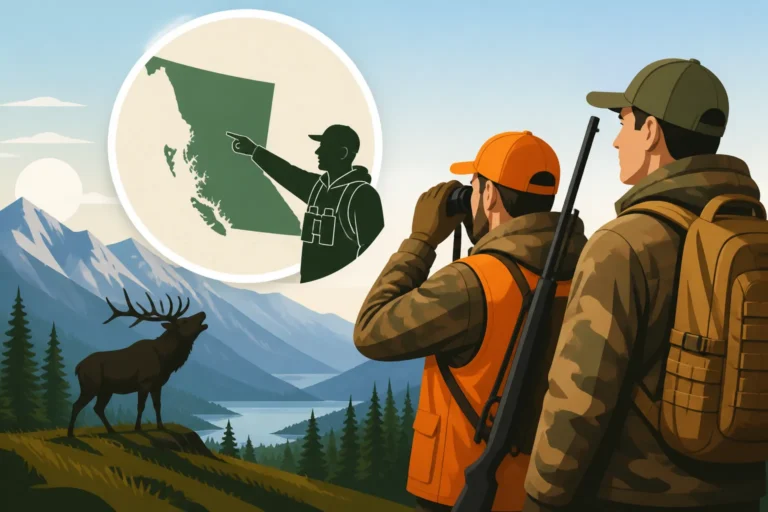
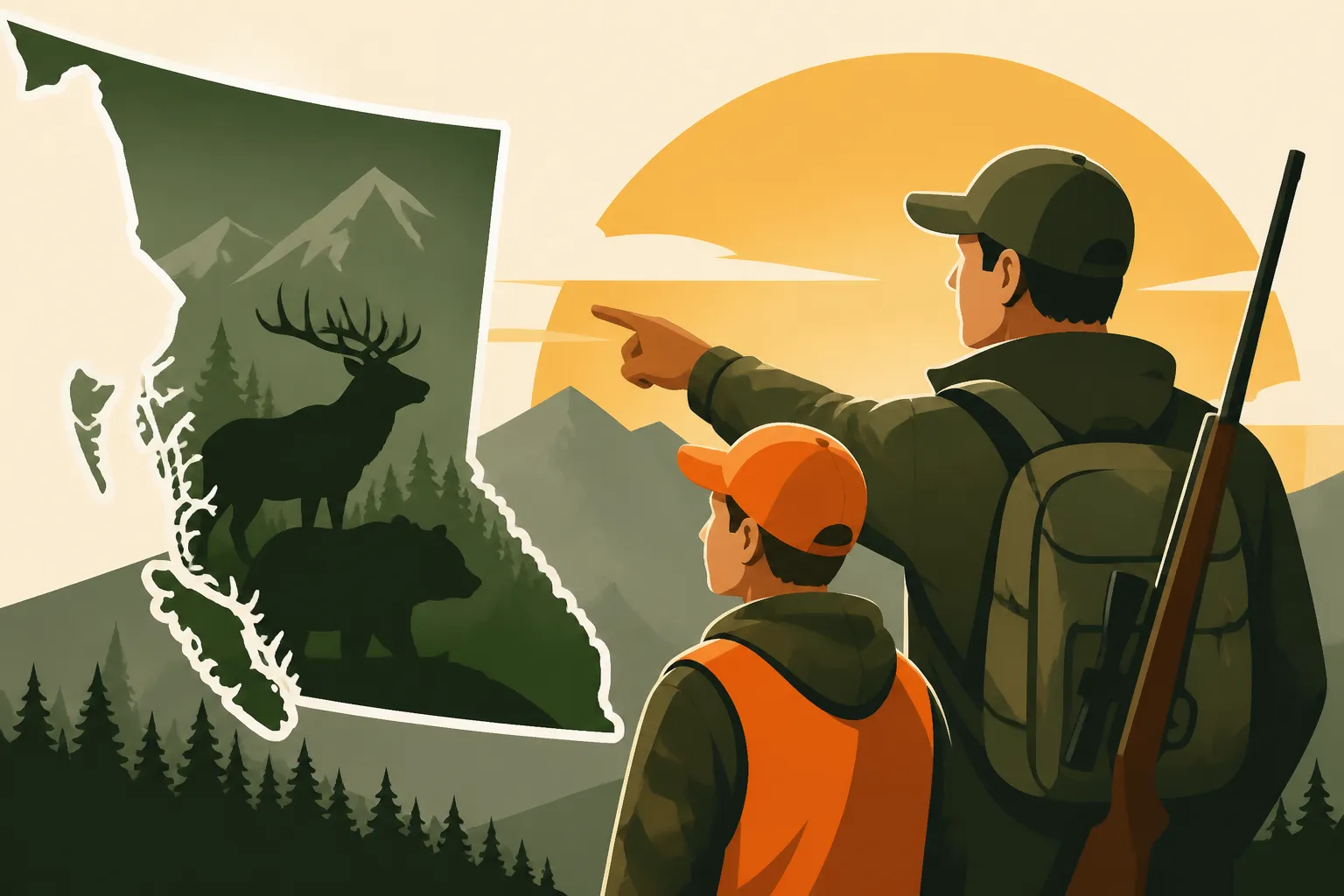
Many non-resident hunters stare longingly at maps of British Columbia, dreaming of chasing big game in its vast wilderness, only to be met with the often daunting reality of mandatory guide requirements. It's a genuine frustration, feeling like these incredible hunting opportunities are just out of reach unless you have the budget for a fully outfitted trip. But here's the good news: there's a unique and invaluable alternative for those with close family ties in the province – the Permit to Accompany. This guide is going to walk you through every single detail of this permit, from who qualifies to how to apply, ensuring you understand this special pathway to hunting BC's incredible landscapes with a loved one.
Understanding British Columbia's Non-Resident Hunting Rules
British Columbia is a bucket-list destination for hunters worldwide, and for good reason. Its diverse landscapes, from coastal rainforests to towering Rocky Mountain peaks, hold a remarkable array of big game species. However, if you're not a resident of BC, the rules for hunting here are quite specific, and it's essential to grasp them before you even begin to dream of a hunt.
The Guide Outfitter Requirement for Non-Residents
The overarching rule that catches most non-resident hunters by surprise, or at least gives them pause, is the mandatory requirement to engage a licensed guide outfitter. This isn't just a suggestion; it's a legal stipulation for non-residents, and it fundamentally shapes how most visitors experience hunting in British Columbia. The rationale behind this rule is multi-faceted. It's partly about conservation and game management, ensuring that hunting pressure, particularly on certain sensitive species, is carefully regulated. It also contributes significantly to the provincial economy through the professional guiding industry.
For many hunters, this requirement presents a significant financial hurdle. Guided hunts, especially for coveted species like moose, elk, or sheep, can carry a substantial price tag, often placing them out of reach for the average hunter. It's easy to feel disheartened when you see incredible opportunities advertised by outfitters on platforms like BookYourHunt, knowing that a similar self-guided experience isn't generally an option for you. This is where the Permit to Accompany shines as a beacon for those who have a personal connection to a BC resident, offering a way around the commercial guide requirement. The frustration of being restricted to only guided options is real, and it's precisely why understanding the Permit to Accompany is so crucial for many families.
Who Qualifies as a British Columbia Resident Hunter
Before we dive deeper into the Permit to Accompany, it's absolutely critical to understand what makes someone a "British Columbia Resident Hunter" in the eyes of the law. This isn't just about living in the province; there are specific criteria that must be met, and your resident host needs to squarely fit these definitions. Generally, to be considered a resident for hunting purposes, you must:
- Be a Canadian citizen or a permanent resident of Canada.
- Have lived in British Columbia for the greater portion of the 12 months immediately preceding the date you apply for your hunting license. This means physically residing here, not just owning property.
- Have a primary dwelling in British Columbia.
- Not claim residency in any other province, territory, or country.
The Ministry of Forests, Lands, Natural Resource Operations and Rural Development (FLNRORD), which oversees hunting regulations, looks for clear proof of this residency. This might include a BC driver's license, provincial health card, tax assessments, utility bills, or a rental agreement showing a continuous presence. It's not uncommon for people to assume a casual connection is enough, but the rules are quite strict. If your potential host has moved around, or spends significant time out of province, they need to ensure they genuinely meet these requirements. For the non-resident, your hunt hinges entirely on your host's ability to prove their legitimate residency. You can learn more about general licensing requirements in our article on British Columbia Resident Hunting Licence Cost.
What Exactly is a Permit to Accompany?
The Permit to Accompany is truly a unique and invaluable provision within British Columbia's hunting regulations. It's designed to allow families to share the hunting tradition across borders, without the necessity of hiring a commercial guide outfitter. It’s an acknowledgment that while professional guiding serves a vital purpose, there's also immense value in allowing close relatives to hunt together.
Defining the Permit and Its Purpose
At its core, a Permit to Accompany is an official authorization that permits a specific non-resident hunter to hunt certain species in British Columbia while being accompanied by a specific resident hunter. The keyword here is "accompanied" – this isn't a situation where the resident merely rubber-stamps a hunt and goes about their day. The resident must be physically present with the non-resident hunter at all times they are hunting.
The purpose is clear: to facilitate hunting opportunities for non-residents who have direct, familial ties to a BC resident, circumventing the standard guide outfitter requirement. It acts as a bridge for family members who might not otherwise have the means or desire for a fully guided experience but deeply wish to share the province's rich hunting heritage with their relatives. It's a personal privilege, not a commercial transaction, and understanding that distinction is paramount. It allows for a more intimate, DIY-style hunt, focusing on the shared experience and family bond rather than a paid service.
Key Differences: Permit to Accompany vs. Guided Hunt
Understanding the Permit to Accompany means also understanding what it is not. It is fundamentally different from a commercially guided hunt, and these distinctions carry significant implications for planning, responsibility, and the overall experience. Here’s a breakdown of the core differences:
| Feature | Permit to Accompany Hunt | Guided Hunt |
|---|---|---|
| Legal Basis | Exception to non-resident guide requirement | Standard non-resident requirement |
| Relationship | Required close familial tie (e.g., parent, child) | Commercial client-guide relationship |
| Compensation | Strictly NO payment or remuneration to host | Fee-for-service, significant financial investment |
| Primary Goal | Shared family experience, personal bonding | Successful harvest, professional service |
| Planning & Logistics | Fully arranged by resident host & non-resident | Handled by professional outfitter (often turn-key) |
| Equipment & Gear | Supplied by hunters or arranged by host | Often provided or managed by outfitter |
| Local Knowledge | Relies on resident host's personal experience | Provided by experienced, local professional guide |
| Liability & Risk | Shared responsibility, personal liability | Covered by outfitter's insurance (within scope) |
| Flexibility | High, dependent on host's availability & resources | Dictated by package, schedule, and outfitter's territory |
| Pace of Hunt | Often slower, more focused on experience | Can be very intense, driven by hunt objectives |
The most crucial distinction lies in the financial aspect: the resident host cannot receive any form of compensation for accompanying the non-resident. This includes direct payment, gifts of significant value, or reciprocal services that could be interpreted as payment. The spirit of the permit is that of a generous family member sharing their hunting grounds, not a disguised commercial operation. When researching options or planning your trip, looking at what a guided hunt costs can provide a good benchmark for what you're not paying for with a Permit to Accompany, emphasizing the self-reliant nature of this alternative. Websites like BookYourHunt or GoHunt are excellent for seeing the range of guided options, which can help contextualize your Permit to Accompany plans.
Eligibility Requirements for Both Parties
The Permit to Accompany isn't a free-for-all; it's a carefully structured privilege with clear eligibility requirements for both the non-resident hunter and the resident accompanier (host). Failing to meet any of these criteria will result in your application being denied, so pay close attention to the details.
Who Can Be the Non-Resident Hunter?
The most critical aspect for the non-resident hunter is their relationship to the British Columbia resident who will be accompanying them. The regulations are quite specific about the acceptable familial connections. The non-resident hunter must be a parent, grandparent, child, grandchild, sibling, or spouse of the resident host. This means that cousins, aunts, uncles, or even very close friends do not qualify, regardless of how strong the personal bond.
For example, if you live in Alberta and your uncle lives in Prince George, you cannot get a Permit to Accompany with him. However, if your sister lives in Cranbrook, you absolutely can. The provincial government will require proof of this relationship, usually in the form of birth certificates, marriage licenses, or other official documentation. Don't underestimate the need for clear, verifiable proof.
Age requirements also apply. A non-resident youth hunter (under 18) can hunt under a Permit to Accompany, but they must also adhere to all British Columbia youth hunting rules, including minimum age for various species and firearm restrictions. They will still need their own non-resident hunting license and applicable species tags. This permit doesn't exempt the non-resident from any of the standard Rules for Non-Residents Hunting British Columbia, beyond the guide outfitter requirement itself.
Who Can Be the Resident Accompanier (Host)?
The resident host carries a heavy burden of responsibility and must meet specific criteria themselves. First and foremost, they must be a legitimate British Columbia resident hunter, as defined in the previous section. This means they possess a valid BC Resident Hunter Number (FWID) and a current basic hunting license. They must also be legally able to hunt the species that the non-resident intends to pursue. For instance, if the non-resident wants to hunt moose, the resident host must also hold a valid BC hunting license and a moose species license, or at least be eligible to obtain one. It's not enough for them to just "know about" hunting; they must be actively licensed.
Crucially, the resident host cannot be compensated, directly or indirectly, for accompanying the non-resident. This means no money changes hands, no significant gifts are exchanged in lieu of payment, and no services are bartered that could be construed as payment. This rule is taken very seriously by enforcement officials, and any violation could lead to severe penalties, including fines, license suspension, and the revocation of hunting privileges for both parties. The spirit of the permit is family sharing, not commercial enterprise.
The host also assumes significant legal and ethical obligations. They are responsible for ensuring the non-resident hunter understands and adheres to all British Columbia hunting regulations, including season dates, bag limits, ethical hunting practices, and safety rules. The host must be physically present with the non-resident whenever they are engaged in hunting activities. This means they cannot drop the non-resident off at a trailhead and pick them up later; they must be together in the field, actively hunting, side-by-side. The commitment from the resident host is substantial, requiring a dedicated investment of their time, knowledge, and resources.
The Application Process: Step-by-Step
Navigating any government application process can feel like a bureaucratic maze, and the Permit to Accompany is no exception. However, by breaking it down into manageable steps and knowing what to expect, you can ensure a smooth application. It demands attention to detail and a proactive approach.
Gathering Necessary Documentation
The foundation of a successful Permit to Accompany application is having all your ducks in a row when it comes to paperwork. Both the non-resident hunter and the resident host will need to provide various documents to prove their eligibility and relationship. This isn't a time to guess or assume; if in doubt, provide more information rather than less.
For the non-resident hunter, you'll typically need:
- Proof of Identity: A valid passport or other government-issued photo identification.
- Proof of Relationship: This is critical. Acceptable documents include official birth certificates (showing parent-child or grandparent-grandchild relationships), marriage certificates (for spouses), or official adoption papers. For siblings, birth certificates for both individuals showing common parentage are usually required. These must be original documents or certified true copies.
- Proof of Hunting Competency: Documentation proving you are a qualified hunter in your home jurisdiction. This might be a hunting license from your state or province, or a hunter education certificate.
- Non-Resident Hunting Licence: You'll need to purchase the general non-resident hunting licence for British Columbia, and relevant species licenses for what you intend to hunt, after your Permit to Accompany is approved. It's worth understanding all of British Columbia's Species Licences and Tags before you get too deep.
For the resident host, you'll need:
- Proof of British Columbia Residency: As discussed earlier, this is paramount. Expect to provide a BC driver's license, BC Services Card, property tax assessments, utility bills, or a combination of documents showing continuous residency for the required period.
- Valid BC Resident Hunter Number (FWID): Your unique FWID is essential for all hunting-related transactions in BC. If you don't have one, or need to update yours, you can find information on Getting a British Columbia FWID.
- Current BC Basic Hunting Licence: You must hold a valid resident hunting licence for the current year.
- Relevant Species Licences: If the non-resident is hunting a specific species (e.g., deer, bear), the resident host must also possess the corresponding valid species licence for that animal for the current season, or at least be eligible to acquire one.
Always check the latest BC hunting synopsis or the government's hunting website for the most current list of required documents, as regulations can occasionally be updated.
Submitting the Application and Fees
Once you've meticulously gathered all your documents, it's time to tackle the application itself. The Permit to Accompany application is generally submitted through the BC government's online hunting portal, where you manage your FWID, purchase licenses, and apply for Limited Entry Hunting draws.
Here's a general outline of the steps:
- Access the Online Portal: Both the resident host and the non-resident hunter will need accounts on the BC government's hunting and fishing licensing system. The resident host typically initiates the application.
- Locate the Permit to Accompany Section: Navigate to the specific section for "Permit to Accompany" applications.
- Fill Out the Form: The application form will require detailed information about both parties, including personal details, contact information, FWID numbers, and specific details about the proposed hunt (species, management unit, dates).
- Upload Documentation: You will be prompted to upload the scanned copies of all your supporting documents (proof of relationship, residency, hunting competency, etc.). Ensure these scans are clear and legible.
- Pay the Application Fee: There is a non-refundable application fee for the Permit to Accompany. This fee is subject to change, so always check the official government website for current figures. You can also find specifics on What a Permit to Accompany Costs. The payment is usually made online via credit card.
- Review and Submit: Before hitting that final submit button, meticulously review every single field and uploaded document. A small error can lead to significant delays or rejection.
After submission, you'll usually receive a confirmation email. Processing times can vary, so it's always best to apply well in advance of your planned hunt. Don't leave it to the last minute!
Common Pitfalls and How to Avoid Them
Even with the best intentions, it's easy to stumble over common pitfalls when applying for a Permit to Accompany. Being aware of these can save you a lot of headache and heartbreak.
- Incomplete or Incorrect Information: This is perhaps the most frequent reason for delays or rejection. Double-check every name, date, address, and FWID number. Ensure all required fields are filled out. If a document is missing or unreadable, your application will be held up or outright denied.
- Misinterpreting Relationship Requirements: As mentioned, the familial ties are very specific. Don't try to stretch the definition to include distant relatives or close friends. The government's interpretation is strict, and they will verify the relationship. Make sure your proof of relationship is clear and undeniable.
- Late Submissions: Processing takes time, and sometimes there are backlogs. Submitting your application weeks or even months before your planned hunt is always a good idea. If you submit too close to the season, you risk not having the permit in hand when you need it, potentially forcing you to cancel or alter your plans drastically.
- Any Hint of Compensation: This cannot be stressed enough. If there is any indication, however slight, that the resident host is receiving payment or significant material benefit for accompanying the non-resident, the permit will be denied, and both parties could face legal repercussions. This includes paying for gas, groceries, or gear that are clearly above and beyond normal shared trip expenses. The resident is undertaking this out of generosity and familial bond.
- Lack of Understanding of BC Regulations: Both parties, especially the resident host, must be fully conversant with British Columbia's hunting regulations. The permit does not waive any hunting rules; it simply replaces the guide requirement. You need to know seasons, bag limits, ethical hunting practices, and legal firearms. Resources like GoHunt can help with understanding regulations and management units, but the official BC hunting synopsis is the ultimate authority.
By being diligent and transparent, you can significantly increase your chances of a successful application and avoid unnecessary stress.
Responsibilities and Conduct During the Hunt
Receiving a Permit to Accompany is not the end of your responsibilities; it's just the beginning. The permit comes with significant obligations for both the resident host and the non-resident hunter. Misunderstanding or neglecting these responsibilities can lead to serious consequences, including fines, license suspensions, and the permanent revocation of the privilege.
The Role of the Resident Accompanier
The resident host isn't just a friendly face; they are legally designated as the accompanier and bear the primary responsibility for the lawful and ethical conduct of the hunt. This role requires an active, constant presence and vigilant oversight.
Direct Supervision at All Times: This is perhaps the most critical rule. The resident host must be physically present with the non-resident hunter at all times when the non-resident is hunting. This doesn't mean being in the same general area or within earshot. It means being within sight and sound, actively participating in the hunt, observing the non-resident's actions, and being able to directly intervene if necessary. You cannot, for example, leave the non-resident in a tree stand or send them off to still-hunt a ridge alone while you go back to camp for lunch. The purpose is constant mentorship and oversight.
Ensuring Compliance with Regulations: The resident host is responsible for ensuring the non-resident hunter fully understands and strictly adheres to all British Columbia hunting regulations. This includes:
- Season Dates and Bag Limits: Verifying that the species being hunted is in season in that specific management unit and that bag limits are not exceeded. British Columbia Big Game Season Dates can be a great reference.
- Legal Hunting Methods: Ensuring only legal firearms or bows are used, and that no prohibited hunting practices (e.g., baiting where not allowed, hunting from a vehicle) occur.
- Antler Restrictions and Species ID: Particularly for species like deer and elk with antler point restrictions, the resident must ensure the non-resident correctly identifies legal game.
- Compulsory Reporting and Inspection: Guiding the non-resident through the necessary steps for compulsory reporting of harvests and any required compulsory inspections (e.g., for some moose, goat, or sheep).
Safety Obligations and Ethical Conduct: Beyond legal compliance, the resident host is also responsible for promoting safe and ethical hunting practices. This includes:
- Firearms Safety: Ensuring the non-resident handles firearms safely, follows proper muzzle control, trigger discipline, and target identification protocols.
- Blaze Orange Rules: Confirming that both hunters wear appropriate blaze orange as required by law. British Columbia Blaze Orange and Safety Rules outlines these requirements.
- Bear Safety: Given British Columbia's significant bear populations, the host should ensure the non-resident is aware of and practices proper Bear Safety While Hunting in British Columbia, including carrying bear spray and knowing how to use it.
- Meat Care and Game Recovery: Emphasizing the ethical recovery of downed game and proper meat care to prevent spoilage. This is especially vital in BC's often rugged terrain and varying temperatures.
Essentially, the resident host acts as the non-resident's primary source of knowledge and guidance in the field, making their role absolutely indispensable and legally binding.
The Non-Resident Hunter's Obligations
While the resident host shoulders much of the legal responsibility, the non-resident hunter also has clear obligations that they must take seriously. This permit is a privilege, and their actions directly reflect on the integrity of the system.
Understanding and Adhering to BC Hunting Laws: It is the non-resident's responsibility to educate themselves on British Columbia's hunting regulations. While the host will guide them, ultimate personal accountability for legal compliance rests with both individuals. This means taking the time to read the hunting synopsis, asking questions, and clarifying any uncertainties. Ignorance of the law is not an excuse. Familiarizing yourself with general Rules for Non-Residents Hunting British Columbia is a great starting point.
Carrying Required Licenses and Permits: The non-resident must always carry their valid non-resident basic hunting license, all applicable species tags, and the Permit to Accompany itself (or a copy) while in the field. Conservation Officers conduct checks, and being unable to produce these documents will result in immediate penalties. It's smart to keep them protected from the elements.
Respecting the Land and Local Customs: British Columbia is home to a diverse population, including many Indigenous communities with Aboriginal rights and title. Hunters must respect private land, posted signs, and traditional territories. Always know where you are hunting and ensure you have legal access. Leave no trace, pack out all garbage, and respect wildlife and the environment. This includes being mindful of noise, off-road vehicle use, and interactions with other outdoor users. Ethical conduct goes beyond legal compliance; it's about being a responsible steward of the land and a respectful visitor.
By both parties diligently upholding their responsibilities, the Permit to Accompany becomes a successful and rewarding experience, contributing positively to the perception of hunters in British Columbia.
Planning Your British Columbia Hunt with a Permit to Accompany
Acquiring a Permit to Accompany is a fantastic first step, but the real adventure begins with the meticulous planning of your hunt. Unlike a guided trip where many details are handled for you, a Permit to Accompany hunt is largely a do-it-yourself (DIY) endeavour, requiring careful consideration of species, location, logistics, and safety.
Choosing Your Species and Management Unit
British Columbia offers an incredible diversity of big game, but a non-resident hunter with a Permit to Accompany will face some species-specific restrictions that differ from resident-only opportunities or guided hunts.
Available Species: Generally, non-residents with a Permit to Accompany can hunt common big game species like deer (mule deer, black-tailed deer, white-tailed deer), black bear, and some elk and moose, depending on the specific management unit regulations. It's important to understand that some of the most sought-after species, like mountain sheep and mountain goats, are typically only available to non-residents through a licensed guide outfitter or through very specific Limited Entry Hunting (LEH) draws that only residents can apply for. This means realistic expectations are crucial; your Permit to Accompany hunt will likely focus on deer, bear, or potentially general open season elk or moose if your host is knowledgeable in those areas.
Understanding Management Unit Regulations: British Columbia is divided into numerous Management Units (MUs), each with its own specific regulations, season dates, and bag limits for various species. These regulations can vary wildly from one MU to the next, sometimes even for adjacent units. Your resident host will be key here, as they should be intimately familiar with the hunting opportunities in their local MUs. You'll need to pore over the current British Columbia Hunting and Trapping Regulations Synopsis, paying close attention to the General Open Season (GOS) dates and any antler point restrictions for the MUs you plan to hunt. Our article on British Columbia Big Game Season Dates offers a great overview.
Finding Suitable Public Land and Access: Much of British Columbia is Crown land (public land), but access isn't always straightforward. Many areas are remote, accessed by intricate networks of active or deactivated logging roads. Some regions might require specialized transportation like 4×4 vehicles, ATVs, or even jet boats to reach viable hunting grounds. Your resident host's knowledge of local access, gates, road conditions, and popular hunting areas will be invaluable. Resources like GoHunt can provide useful mapping layers that show Crown land and potential access points, but always cross-reference with local knowledge and current road reports. Keep in mind that pressure can be high on easily accessible public land, especially during early rifle seasons, so scouting a British Columbia Management Unit thoroughly is paramount.
Logistics and Backcountry Preparation
A Permit to Accompany hunt, especially in British Columbia's rugged terrain, often means a true backcountry experience. This requires meticulous planning, packing, and a strong emphasis on safety.
Accommodation, Transportation, Food, and Gear:
- Accommodation: Will you be camping (random camping on Crown land is generally allowed, but check for restrictions), staying in a forest service recreation site, or utilizing a local motel? For remote hunts, a well-equipped wall tent or a reliable spike camp setup is common.
- Transportation: How will you get to your hunting area? A reliable 4×4 truck is almost essential for many BC hunting areas. Consider fuel range, spare tires, and recovery gear. If you're venturing into areas accessed by deactivated roads, plan for walking long distances. Consider reading Hunting British Columbia's Logging Road Network for more insights.
- Food: Plan for nutritious, easy-to-prepare meals that match the duration and intensity of your hunt. Dehydrated meals are great for backpack hunting, while cooler-based options work well for truck camps.
- Gear: This is extensive. Beyond your weapon, essential gear includes optics (binoculars, spotting scope), navigation tools (GPS, satellite messenger, maps, compass), quality layering clothing suitable for rapidly changing mountain weather, waterproof outer shells, sturdy hunting boots, a reliable first-aid kit, game bags, a good knife, and a pack suitable for packing out meat.
Bear Safety, First Aid, and Communication: British Columbia is prime bear country, home to both black bears and grizzlies in many regions. Bear Safety While Hunting in British Columbia is not just a suggestion; it's a necessity. Both hunters should carry bear spray and know how to use it, and understand best practices for food storage and camp hygiene to avoid attracting bears. A comprehensive first aid kit is non-negotiable, and both individuals should know basic wilderness first aid. Communication in remote areas is often impossible via cell phone. A satellite messenger (like an InReach or Spot device) is highly recommended for emergency communication and checking in with loved ones. It's an investment in your safety. You'll definitely want to read up on Emergency Planning in British Columbia's Backcountry.
Packing Out Game: This is where the rubber meets the road on a DIY hunt. British Columbia's terrain is often steep, broken, and wet. If you are successful, you need a plan for field dressing and packing out your animal, often in challenging conditions. This involves having strong frame packs, game bags, and a realistic assessment of your physical capabilities. Large animals like moose or elk can require multiple trips, even with multiple people. Our guide on Getting Meat Out of Steep British Columbia Country offers invaluable advice here.
While it's a lot of work, planning a Permit to Accompany hunt with a close relative can be an incredibly rewarding experience. The satisfaction of a hard-earned animal, shared with family in the stunning BC wilderness, creates memories that last a lifetime.
Ethical Considerations and Long-Term Implications
The Permit to Accompany is a privilege, not a right. Its continued existence and accessibility depend heavily on how current users uphold its spirit and adhere to its regulations. This isn't just about avoiding penalties; it's about protecting a valuable opportunity for future generations of hunting families.
Upholding the Spirit of the Permit
The core principle behind the Permit to Accompany is the genuine familial bond and the desire for a shared, non-commercial hunting experience. It is fundamentally different from a guided hunt, and any attempt to blur those lines undermines the integrity of the permit system.
Avoiding Any Appearance of Commercial Guiding: This bears repeating because it's the most critical ethical line. The resident host absolutely cannot accept any form of payment, direct or indirect, for their role in accompanying the non-resident. This means:
- No "reimbursement" for their time or effort.
- No expensive gifts given in exchange for the hunt.
- No reciprocal arrangements where the non-resident provides a commercial service to the resident in return.
- The resident host should ideally contribute to the hunt's expenses (gas, food, camp supplies) as they would on any shared trip. If the non-resident contributes financially, it should be for their share of shared resources, not for the host's services.
Even the appearance of compensation can be enough to draw scrutiny from conservation officers. The intent must be genuinely non-commercial. The resident is sharing their knowledge and time as a family member, not as a paid professional. This distinction is what makes the Permit to Accompany different from what you'd find advertised by outfitters on platforms like BookYourHunt.
The Importance of the Genuine Relationship: The permit system trusts that the familial relationship creates an inherent bond of responsibility and care that negates the need for commercial oversight. If this relationship is fabricated or not genuine, it abuses that trust. The focus should be on the shared experience and mentorship, not merely as a loophole to avoid guide fees. This means being honest and transparent in your application and your conduct in the field. The privilege is extended to families, and that intent needs to shine through.
Challenges and Rewards of a Self-Guided Experience
While the Permit to Accompany offers an incredible opportunity, it's vital to enter into it with realistic expectations about the challenges, as well as an appreciation for the unique rewards.
The Difficulty of Hunting BC Without a Professional Guide's Local Knowledge: This is perhaps the biggest "challenge" aspect. Professional guide outfitters spend countless hours scouting, learning animal patterns, understanding micro-climates, and developing deep knowledge of their territories. They have years, if not decades, of experience finding game in specific areas. A resident host, even an experienced one, may not have this depth of specialized knowledge for a particular species or region. They might be excellent hunters in their home area, but BC is vast, and finding game can be exceptionally difficult, especially for high-success hunts. This means success rates on Permit to Accompany hunts can often be lower than with a dedicated guide. It requires patience, adaptability, and an acceptance that success isn't guaranteed. Utilizing mapping tools like those from GoHunt can help bridge some of the knowledge gaps, but it won't replace boots-on-the-ground experience.
The Immense Satisfaction of a Successful DIY Hunt with Family: Despite the difficulties, the rewards are often far greater. When you plan, scout, execute, and succeed on a Permit to Accompany hunt, the sense of accomplishment is profound. You've earned that animal through your own hard work, planning, and the shared effort with a loved one. There's a deep satisfaction that comes from self-reliance and overcoming challenges together. It fosters a connection to the land and to each other that a commercially guided trip, however successful, can rarely replicate.
Building Stronger Bonds Through Shared Outdoor Experiences: More than the harvest itself, the Permit to Accompany is about the experience. It's the early mornings, the long hikes, the quiet moments glassing a distant hillside, the camaraderie around a campfire, and the problem-solving in challenging situations. These shared adventures, struggles, and triumphs forge incredibly strong family bonds and create indelible memories. It's an opportunity to teach, to learn, and to truly connect in the raw beauty of British Columbia's wilderness. This permit is an incredible gift that allows families to continue and strengthen their hunting traditions, making the effort involved unequivocally worthwhile.
Disclaimer
This article is for general informational purposes only and does not constitute professional advice. Laws, prices and regulations vary by location and change over time. Consult a qualified professional for guidance on your specific situation.