What British Columbia’s Trespass Act Requires
One of the most nerve-wracking parts of planning a British Columbia hunting trip, especially if you're exploring new ground, is figuring out exactly where you can legally step foot. The fear of inadvertently crossing onto private land and facing legal repercussions or an angry landowner is a very real one, and it can definitely put a damper on your outdoor adventures. This guide is here to untangle the complexities of British Columbia's Trespass Act, helping you understand your rights and responsibilities so you can hunt with confidence and respect for all land users.
Understanding the Basics of British Columbia's Trespass Act
Let's face it, the concept of "public" versus "private" land can feel like a maze, especially in a province as vast and varied as British Columbia. You might be driving along a gravel road deep in the backcountry, surrounded by what looks like endless wilderness, only to suddenly encounter a gate or a "No Trespassing" sign. It's confusing, frustrating, and can quickly derail a carefully planned hunt.
The core of navigating this issue lies in understanding the British Columbia Trespass Act. Simply put, this act is a piece of legislation designed to protect private property owners from unauthorized entry. It lays out the legal framework for what constitutes trespassing and the consequences if you ignore it. For us hunters, this isn't just dry legal speak; it's the rulebook that keeps us out of trouble and ensures we maintain a good relationship with landowners, which is absolutely crucial for the future of hunting access.
Think about it: when you're out hunting, you're carrying a firearm or a bow, and you're actively engaged in an activity that might make some non-hunters nervous. Being caught trespassing in this scenario isn't just a minor infraction; it can quickly escalate into a serious issue, potentially leading to fines, the loss of your hunting privileges, or even the confiscation of your gear. Nobody wants that. The Act applies to all private land, whether it's a small urban backyard, a sprawling farm field in the Peace Region, or thousands of acres of timber-managed forest land in the Interior. The key takeaway is that if land is privately owned, you generally need explicit permission from the "occupier" (usually the owner or their agent) to be on it. Without that permission, you are trespassing, even if there are no fences or signs.
The term "occupier" is important here. It's not always the person who holds the deed; it could be a tenant, a leaseholder, or even a caretaker who has been granted the authority to control access to the property. Your responsibility as a hunter is to identify this private land and, if you need to be on it, seek permission from the appropriate person. This due diligence isn't just about avoiding a penalty; it's about being a respectful and responsible member of the hunting community.
Identifying Private Land in the Field and Knowing Your Responsibilities
One of the biggest challenges for hunters in British Columbia is actually knowing when you're on private land. Much of our province is Crown land, open to public access, but interspersed within it are countless pockets of private property. These can range from small homesteads to vast tracts owned by timber companies, First Nations, or large agricultural operations. The boundaries aren't always clear-cut, especially when you're deep in the bush.
So, how do you spot it? Sometimes it's obvious: a well-maintained fence line around a pasture, a clearly marked "No Trespassing" sign, or active agricultural fields. You might even see unique markers like purple paint on fence posts or trees in some jurisdictions, which universally signifies private property, though it's not as common for hunting properties in BC. But often, it's far more subtle. A block of timber might be privately owned, even if it looks just like the Crown land next to it. An old, grown-in road might cross private property, even if it looks like a public access point. The onus is entirely on you, the hunter, to know where you are. There's no "implied permission" for hunting just because a gate is open or a sign is missing.
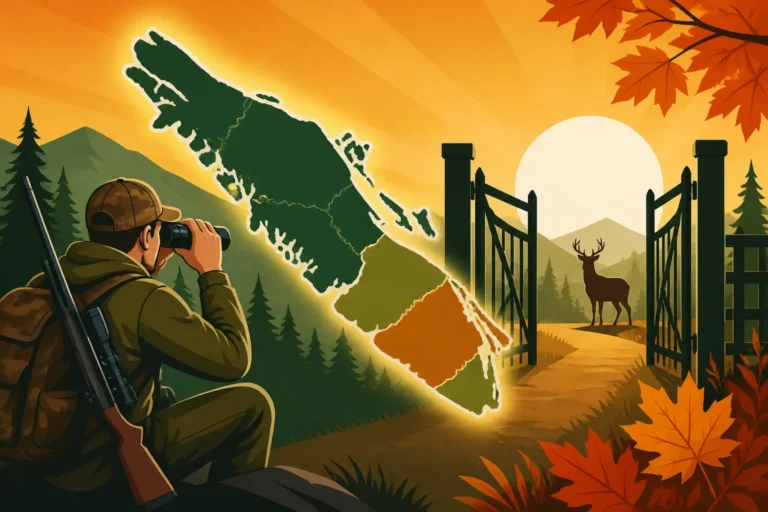
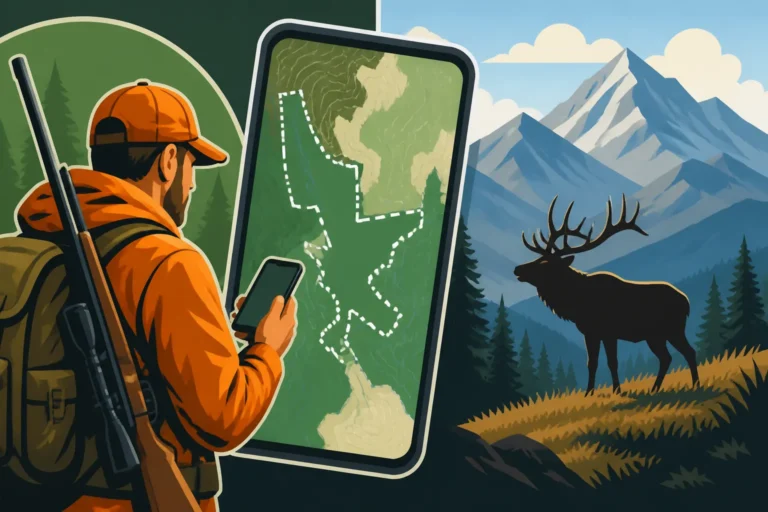
This is where modern technology becomes an absolute game-changer. Tools like onX Hunt and GoHunt are invaluable resources for British Columbia hunters. These mapping applications allow you to download detailed satellite imagery and property line data onto your phone or GPS device. You can see the boundaries between Crown land and private parcels in real-time, often even identifying the landowner. This kind of information is gold. Before you even leave home, you can scout your intended hunting area on these apps, identifying potential access points, planning routes that avoid private land, and pinpointing parcels where you might need to seek permission. For example, if you're looking at a management unit and see a large block of what appears to be prime habitat, a quick check with onX Hunt might reveal it's all private timberland. This saves you wasted time and potential headaches in the field.
However, remember that even the best digital tools are only as good as their data, and things on the ground can change. Always cross-reference your digital maps with physical signs. If your app says you're on Crown land but you see fresh "No Trespassing" signs or a new fence, err on the side of caution. It's always better to retreat and re-evaluate than to risk a confrontation or a legal penalty. The consequences of trespassing aren't just a slap on the wrist. They can include significant fines under the Trespass Act, and potentially much more severe penalties under the Wildlife Act, including hunting licence suspension, forfeiture of seized game, or even the confiscation of your firearms or bow. Nobody wants to lose their prized rifle or their hunting privileges for a mistake that could have been avoided with a bit of planning.
Navigating Access and Seeking Permission
Okay, so you've identified a promising hunting spot, but your onX Hunt or GoHunt app shows a strip of private land blocking your access to Crown land, or perhaps the best habitat is directly on private property. What now? This is where the art of asking for permission comes in, and it's a skill every responsible hunter needs to cultivate.
Approaching a landowner can feel intimidating, but remember that most people appreciate being asked. Showing respect for their property and their privacy goes a long way. Always try to ask well in advance of your hunt, if possible. Don't show up on opening morning with your truck loaded and expect an immediate "yes." A personal, face-to-face approach is often best if practical. Introduce yourself, explain your intentions clearly and politely (e.g., "I'm a hunter looking to access some of the Crown land beyond your property, or I'm interested in hunting deer on your back forty, if you permit it"), and always respect their decision, whatever it may be. A simple "no" might sting, but arguing or being disrespectful will only harm the reputation of all hunters. Sometimes, offering to share a portion of any game harvested or even to help with a small chore on their property can open doors. Leave your contact information and assure them you'll be respectful of their land, leave no trace, and report back on any game seen or harvested if they'd like. This builds trust and can secure access for future seasons. Asking a British Columbia Rancher for Access is often a relationship built over time.
A common frustration for British Columbia hunters is "locked-up" Crown land, where private property completely surrounds public access, effectively making it inaccessible without crossing private holdings. While there are legal discussions about "right to passage" in some contexts, for hunting purposes, you generally cannot cross private land without permission, even if it's the only way to reach public land. This is a complex issue, and it's always best to err on the side of caution and seek permission. Sometimes, specific easements or access agreements might exist, but these are rare and usually clearly marked. Your best bet is always a polite conversation with the landowner.
Another significant type of private land you'll encounter is owned by large private forest companies. These lands often have extensive networks of logging roads that appear to offer great access. However, these roads and the surrounding timber blocks are almost always private property. They are typically gated, especially during active logging operations or fire season, but even if a gate is open, you still need permission. Some of these companies have permit systems in place for recreational access, including hunting, during specific times of the year. This is a great example of where seeking information in advance can pay off. Checking their websites or contacting them directly can sometimes reveal opportunities for Getting Onto Private Forest Land in British Columbia or even Buying a Private Forest Land Access Permit. This is often the case for Hunting British Columbia's Logging Road Network, as many of these are on private holdings.
Here's a quick comparison of what you might expect with Crown vs. Private land:
| Feature | Crown Land (Public) | Private Land (Requires Permission) |
|---|---|---|
| Primary Access Rule | Generally open for hunting, follow regulations | Requires explicit permission from landowner/occupier |
| Identification | Often unmarked, identified by maps (e.g., onX Hunt) |
Fences, gates, "No Trespassing" signs, structures |
| Roads | Forest Service Roads, deactivated roads | Private logging roads, driveways, farm tracks |
| Camping | Random camping often allowed (check fire bans) | Only with express permission from landowner |
| Treestands/Blinds | Permitted (check rules on permanent structures) | Only with express permission from landowner |
| Consequences of Error | Minor infractions (e.g., restricted access areas) | Trespass charges, fines, Wildlife Act penalties |
Now, what about that gut-wrenching moment when you've shot an animal, and it runs onto private land? This is a tough situation, and it highlights the importance of ethical shot placement and knowing your boundaries before you pull the trigger. If your game animal crosses onto private property, the law is clear: you still need permission from the landowner to retrieve it. You absolutely cannot just follow it onto their property without permission. This can be one of the most stressful parts of hunting, especially if the landowner is unknown or uncooperative. Retrieving Game From Private Land in British Columbia requires the same respectful approach as initial access. Explain the situation calmly, offer to do it quickly and discreetly, and assure them you will leave no trace. If they refuse, you're in a very difficult spot. It's a harsh reality, but ignoring their refusal and entering their property would be trespassing, and that's not a path any responsible hunter wants to take.
Ultimately, being a responsible hunter in British Columbia means being intimately familiar with your hunting areas, constantly checking your maps, understanding the British Columbia Trespass Act, and building positive relationships with landowners. It ensures not only a successful and legal hunt for you but also protects access for all hunters in the future.
Disclaimer
This article is for general informational purposes only and does not constitute professional advice. Laws, prices and regulations vary by location and change over time. Consult a qualified professional for guidance on your specific situation.