How British Columbia’s Regions Are Numbered
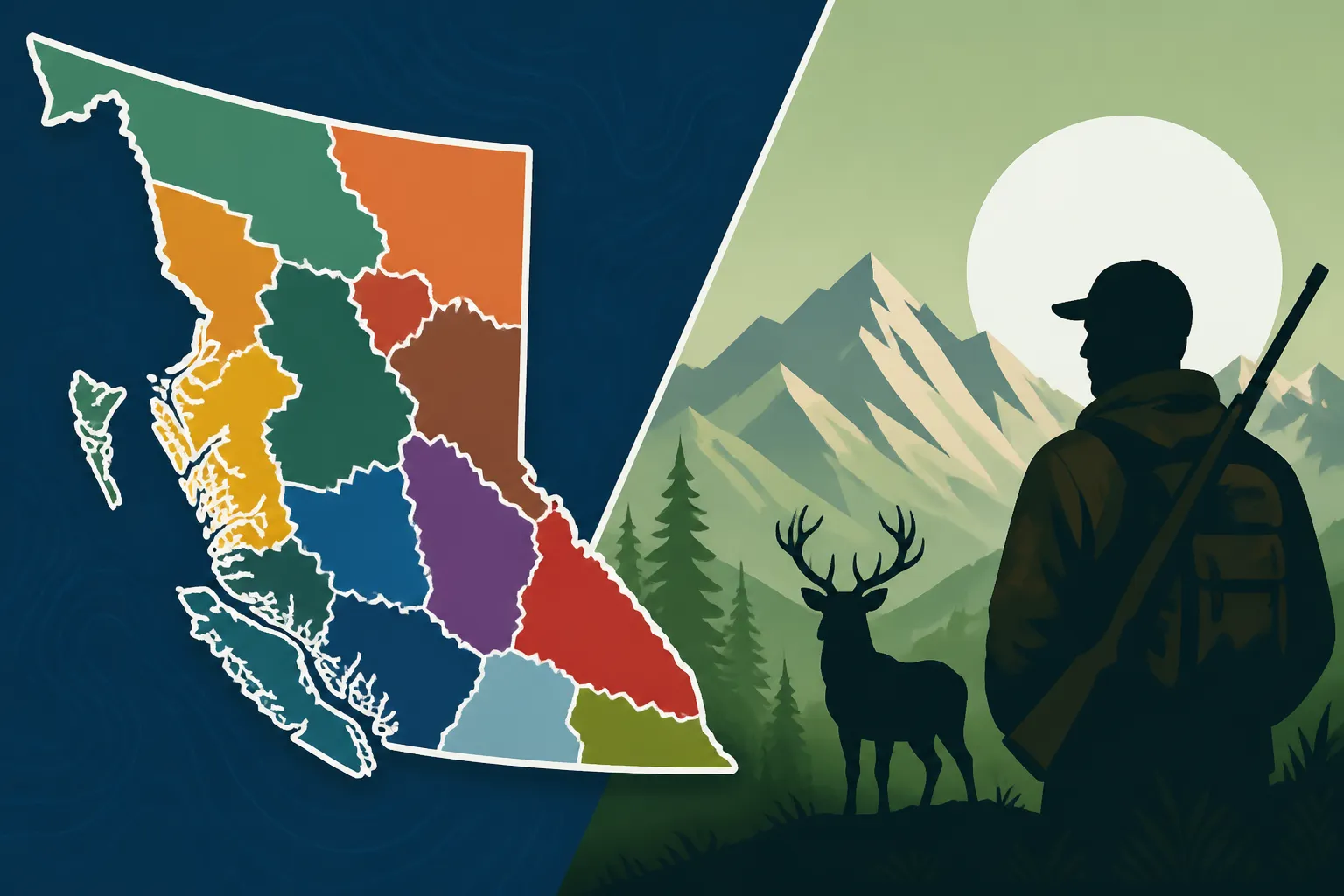
One of the biggest hurdles many hunters, especially those new to British Columbia or those just getting serious about planning their adventures, face is simply understanding where they can hunt. The province is massive, diverse, and its hunting regulations are intricately tied to a system of numbered regions. It's easy to feel overwhelmed, looking at maps and regulation books that seem to speak a different language. This guide is here to break down British Columbia's regional numbering system, helping you confidently pinpoint your hunting grounds and navigate the regulations with ease.
Understanding the Framework: Why British Columbia is Divided into Hunting Regions
British Columbia is a land of incredible geographical diversity, from temperate rainforests on the coast to arid interior grasslands, and towering peaks that touch the clouds. Managing wildlife across such varied landscapes isn't a one-size-fits-all endeavor. That's precisely why the province is divided into distinct hunting regions, each with its own set of ecological characteristics and management strategies.
The Purpose of Regional Divisions in Wildlife Management
Think of these regional divisions as the backbone of British Columbia's wildlife management efforts. Each region represents a unique ecological zone, with its own specific climate, terrain, and, crucially, a distinct mix of wildlife populations. For instance, the coastal regions deal with different habitat pressures and species dynamics than the vast northern forests or the dry southern interior. Wildlife biologists and conservation officers use these regional boundaries to implement targeted conservation strategies, monitor animal health, and track population trends more effectively.
This segmented approach allows for fine-tuned management. If a certain species like Rocky Mountain elk is thriving in the Kootenays (Region 4), but perhaps facing challenges in parts of the Omineca (Region 7), the province can implement specific measures for each region without broadly impacting the entire province. This might include adjusting bag limits, altering season dates, or focusing on habitat restoration in particular areas. These divisions aren't arbitrary lines on a map; they are carefully considered ecological and administrative units designed to promote healthy wildlife populations and sustainable hunting opportunities. It’s a complex system, but one that’s vital for protecting British Columbia's incredible natural heritage for generations to come.
Navigating the Regulations: How Regions Impact Your Hunt
For us hunters, understanding these regions isn't just academic; it's absolutely fundamental to a legal and successful hunt. The first thing you'll notice when you crack open the British Columbia Two-Year Regulations Synopsis is that almost every rule and season date is tied directly to a specific region. You can’t just assume that if deer season is open in one part of the province, it's open everywhere else. Oh no, that would be far too simple for British Columbia!
This means knowing which region you plan to hunt in is the very first step in deciphering what you can pursue, when you can pursue it, and with what methods. Antler restrictions, for example, often vary from region to region, or even within specific Management Units (MUs) within a region. The season dates for black bears on Vancouver Island (Region 1) might be completely different from those in the Peace Region (Region 7). Even when it comes to applying for those coveted Limited Entry Hunting (LEH) draws, you'll be applying for specific species within specific MUs, which in turn are nested within a larger region. This interconnectedness means that a solid grasp of the regional numbering system isn't just helpful, it's absolutely non-negotiable for staying on the right side of the law and making the most of your time afield. You can easily get into hot water if you're not meticulous about checking the specific rules for your chosen region and management unit.
Decoding the Coast and Southern Interior: Regions 1, 2 & 3
Let's dive into the specifics of these regions, starting with the vibrant coast and moving inland to the southern interior. Each of these regions offers a unique hunting experience, shaped by its distinct geography and ecosystems.
Region 1 – Vancouver Island (and Adjacent Mainland Coast)
Region 1 is iconic, encompassing the entirety of Vancouver Island, the Sunshine Coast, and a scattering of smaller islands along the mainland coast. If you're dreaming of hunting in the shadow of towering old-growth cedars, often with a whisper of ocean air, this is your zone.
Geographically, it's characterized by dense temperate rainforests, rugged mountains that plunge directly into the sea, and countless inlets and fjords. The weather is often wet, even in early fall, making for unique challenges and requiring specific gear. Hunting British Columbia's Coastal Rain is a real experience here. Key game species here include the elusive Black-tailed deer, particularly on Vancouver Island where they thrive in second-growth timber. You'll also find healthy populations of Roosevelt elk, which are magnificent animals to pursue in the dense timber. Black bears are abundant, often found foraging along salmon streams or in berry patches. Cougars are also present, preying on the plentiful deer and elk. Hunting here is often characterized by dense cover, requiring patient still-hunting or methodical tracking. Access can be tricky, with a lot of private forest land managed by timber companies, often requiring permits or careful route planning. Understanding Vancouver Island Management Units and Access is critical if you want to find public hunting land.
Region 2 – Lower Mainland (Fraser Valley and Surrounds)
Region 2 is perhaps the most unique, and often the most challenging, for hunters. This is British Columbia's most densely populated area, encompassing the Fraser Valley and its surrounding urban and suburban sprawl. Naturally, this leads to significant access challenges and highly regulated hunting opportunities. While it might not be the wilderness hunting paradise many imagine when thinking of BC, it does offer some surprising, albeit limited, chances for determined hunters.
Hunting opportunities here are often confined to specific pockets of private land, or small, remote parcels of Crown land that border the urban interface. You'll find some opportunities for black-tailed deer and black bears in the transitional zones, particularly in the foothills away from immediate population centers. Waterfowl hunting can be surprisingly good in the Fraser Valley's agricultural areas, with specific regulations and often requiring landowner permission. The key here is meticulous planning and understanding the incredibly strict safety zones and municipal bylaws that dictate where and how you can discharge a firearm. It's not a place for casual hunting; it demands respect for property, safety, and a deep dive into local rules. This is where understanding Access Around the Lower Mainland becomes absolutely vital, as many traditional access points may be closed or restricted.
Region 3 – Thompson/Okanagan (Dry Interior and Mountain Ranges)
Heading inland, Region 3 presents a dramatic shift in landscape and hunting experience. This region, covering the Thompson and Okanagan valleys, is characterized by its dry interior climate, with expansive grasslands, sagebrush benches, ponderosa pine forests, and towering mountains. It’s a region of hot summers and often cold, snowy winters, creating distinct habitat types and wildlife movements.
This is prime country for mule deer, with many hunters focusing on glassing open hillsides for big bucks. You'll also find white-tailed deer, particularly in the river bottoms and agricultural areas. Moose inhabit the higher elevations and wetter timber pockets, while Rocky Mountain elk are found in specific herd areas. The dry hills are also home to California bighorn sheep, offering some of the most challenging hunts in the province, usually through the LEH system. Black bears are common across all elevations. For upland bird enthusiasts, this region offers good opportunities for grouse and even some chukar and quail in the driest, rockiest areas. Hunting styles here often involve extensive glassing, spot-and-stalk tactics, and navigating a complex patchwork of Crown land, private ranchland, and forestry roads. Knowing where you stand on land ownership is paramount, and apps like onX Hunt can be invaluable here for identifying boundaries. If you’re looking at Hunting British Columbia's Thompson Grasslands or targeting Hunting the Okanagan Highlands, be prepared for varied terrain and diverse game.
The Rugged Kootenays and Vast Cariboo: Regions 4 & 5
Moving further into the interior, we encounter regions defined by their rugged beauty and expansive wilderness, offering classic British Columbia hunting experiences.
Region 4 – Kootenay (Southeast British Columbia's Mountains)
Region 4, the Kootenay region, is truly the heart of British Columbia's Rocky Mountain hunting experience. Located in the southeastern corner of the province, it's defined by its dramatic, towering peaks, deep river valleys, and vast tracts of dense coniferous forest. This is big country, demanding physically and mentally, but incredibly rewarding.
The Kootenays are renowned for their robust populations of Rocky Mountain elk, which draw hunters from far and wide. The bugle of an elk echoing through these valleys in the fall is an unforgettable sound. You'll also find healthy numbers of white-tailed deer and mule deer, often inhabiting different niches within the diverse landscape. Moose are present in the higher, wetter areas. For mountain hunters, the Kootenays offer exceptional opportunities for mountain goats and bighorn sheep in the most rugged, remote terrain. Black bears and cougars are also plentiful across the region. Hunting here typically involves significant elevation gains, navigating extensive networks of active and deactivated logging roads, and often packing into remote areas. It's a place where your physical fitness and preparation truly shine. Checking out What British Columbia's Kootenay Region Offers will give you a glimpse into the diverse opportunities, whether you're interested in Hunting British Columbia's Kootenay Valleys or heading into the higher country.
Region 5 – Cariboo (Central Interior's Lakes and Forests)
Region 5, the Cariboo, is a quintessential British Columbia interior hunting zone. It's a vast, sprawling region characterized by a mosaic of forests, rolling hills, open wetlands, and literally thousands of lakes and rivers. This area covers much of the central interior plateau, offering a different flavor of hunting compared to the mountainous Kootenays.
The Cariboo is perhaps best known for its moose populations, particularly for general open season hunts in many areas. You'll find both Shiras and Canada moose here, often in the swampy bottoms, around beaver ponds, or browsing in recent cutblocks. Mule deer are also widely distributed, adapting to the varied forest and grassland habitats, while white-tailed deer are becoming more prevalent, especially in agricultural fringes. Black bears are abundant throughout the region, offering good opportunities in spring and fall. For bird hunters, the Cariboo is grouse heaven, with plentiful ruffed, spruce, and blue grouse. The landscape here has been significantly shaped by historical forestry and, more recently, by pine beetle infestations and wildfires, creating a dynamic environment that provides excellent browse and cover for game. Many hunters rely on the extensive network of forest service roads to access hunting areas, often finding success in newer cutblocks, old burns, or around the edges of vast timber stands. Learning about British Columbia's Cariboo Country Access or where to go Hunting the Cariboo Mountains is key to exploring this expansive region.
The Remote North: Regions 6 & 7
As we venture further north, British Columbia's landscape truly becomes a wild frontier, offering immense opportunities for those willing to embrace the remoteness and challenges.
Region 6 – Skeena (Northwest's Coastal and Interior Blend)
Region 6, the Skeena, is a breathtaking and diverse area in British Columbia's northwest, acting as a dramatic transition zone where rugged coastal mountains meet vast interior plateaus. This region is famous for its major river systems, like the Skeena and Nass, which are vital arteries for salmon and, consequently, for the region's diverse wildlife.
Hunting in the Skeena offers incredible variety. You'll find robust moose populations in the interior plateaus and river valleys, often alongside significant numbers of black bears. This region is also home to the elusive mountain goat, which thrives in the steep, craggy peaks. For those seeking true wilderness adventures, the northern reaches of Region 6 offer opportunities for Stone's sheep, a dream hunt for many. And, of course, the coastal portions of the Skeena are known for their black-tailed deer. The unique "Spirit Bear," or Kermode bear, a rare white subspecies of black bear, is found in protected areas within this region and is strictly off-limits to hunting. Access in Region 6 is often remote, requiring careful planning. Many areas necessitate boat access along the major rivers, ATV travel on rough tracks, or even float plane charters to reach truly untouched wilderness. Because of the remoteness and challenging terrain, guide outfitters have a strong presence here, facilitating hunts for species like sheep and goat. If you’re planning on exploring British Columbia's Skeena Region Remote Units or even just hunting the Skeena River country, be ready for a true backcountry experience.
Region 7 – Omineca/Peace (Northeast's Wild Frontier)
Region 7 combines the vast Omineca and Peace regions into one massive northern hunting ground, defining British Columbia's northeastern frontier. This is a land of expansive boreal forest, vast muskegs, rolling hills, and the rich agricultural belt of the Peace River country. It’s sparsely populated, distances are immense, and the wilderness is truly immense.
This region is widely considered premier moose country, renowned for producing large bulls. The combination of varied browse, water sources, and low human population density creates ideal habitat. You'll also find healthy populations of elk, particularly in the Peace River block where they often use farm edges, and even some limited opportunities for caribou (though many herds are closed to hunting and conservation is paramount). Bison, though heavily managed and draw-only, also inhabit parts of the Peace. Black bears are ubiquitous, and the region is also home to healthy wolf populations, offering challenging predator hunting. Hunting in Region 7 is often about covering vast distances. Access frequently involves long drives on gravel roads, navigating through industrial oil and gas development areas, or utilizing snowmobiles in winter for trapping and predator hunting. Weather can be extreme, with very cold winters and wet shoulder seasons, making preparedness for remote travel and self-sufficiency absolutely critical. If your sights are set on British Columbia's Omineca Moose Country or hunting the unique landscapes of Hunting British Columbia's Peace Region Farmland and Bush, be ready for a big adventure.
Why Only Seven? Addressing the "Missing" Regions
If you've been doing your homework or looking at older maps, you might have heard mention of regions 8 or 9 in British Columbia's hunting divisions. This can certainly be confusing, as the current system used for wildlife management and hunting regulations is consolidated into seven primary regions. Let's clarify why this discrepancy exists.
The Evolution of British Columbia's Administrative Boundaries
Like any large jurisdiction, British Columbia's administrative boundaries and designations evolve over time. While historical maps or older government documents might indeed reference more numerous or differently configured regions for various purposes (forestry, mining, etc.), the system specifically for wildlife management and hunting regulations has been streamlined. The current setup of seven numbered regions (1 through 7) reflects a more contemporary approach to wildlife conservation and resource allocation.
These boundary adjustments and consolidations happen for practical reasons: to better align with ecological realities, to streamline provincial administration, and to make the regulatory framework more manageable for both wildlife managers and the public, including hunters. The goal is always to improve efficiency and effectiveness in managing the province's natural resources. So, while a nostalgic map might show an "old" Region 8 or 9, for the purposes of planning your hunt and understanding the current regulations, you should focus on the seven regions officially recognized in the most recent British Columbia Hunting and Trapping Synopsis.
How to Navigate with Current Information
Given that historical information can sometimes cause confusion, it's absolutely paramount for hunters to always consult the most current official British Columbia Hunting and Trapping Synopsis. This document is updated every two years and is the definitive source for all hunting regulations, including the precise boundaries and numbering of the hunting regions and their constituent Management Units. Don't rely on outdated maps or anecdotal information; the synopsis is your bible.
Modern technology also offers a fantastic advantage in this regard. Mapping applications like onX Hunt and GoHunt are incredibly useful tools because they integrate official land designations and, crucially, often align their data with these up-to-date provincial regional and Management Unit boundaries. These apps can overlay provincial Crown land, private property, and even designated hunting areas directly onto your GPS-enabled device. This allows you to visualize precisely where you are in relation to any regional boundary, confirming you're in the correct zone for your tags and planned hunt. These tools can be invaluable for cross-referencing against the written regulations, helping you confidently determine your location within the correct region and avoid potential infractions.
For clarity, here's a brief overview of the current British Columbia Hunting Regions:
| Region Number | Name | Primary Characteristics | Key Game Species |
|---|---|---|---|
| 1 | Vancouver Island | Coastal rainforest, rugged mountains, marine influence | Black-tailed Deer, Roosevelt Elk, Black Bear, Cougar, Waterfowl |
| 2 | Lower Mainland | Densely populated, urban interface, limited access | Black-tailed Deer, Black Bear, Waterfowl (highly regulated) |
| 3 | Thompson/Okanagan | Dry interior, grasslands, pine forests, subalpine | Mule Deer, White-tailed Deer, Moose, Elk, Bighorn Sheep, Black Bear |
| 4 | Kootenay | Rocky Mountains, deep valleys, extensive timber | Rocky Mountain Elk, White-tailed Deer, Mule Deer, Moose, Goat, Bear |
| 5 | Cariboo | Central interior forests, lakes, wetlands | Moose, Mule Deer, White-tailed Deer, Black Bear, Grouse |
| 6 | Skeena | NW coastal mountains & interior plateaus, major rivers | Moose, Mountain Goat, Black Bear, Black-tailed Deer, Stone's Sheep |
| 7 | Omineca/Peace | NE boreal forest, muskeg, agricultural land | Moose, Elk, Caribou (limited), Bison (draw), Black Bear, Wolf |
Disclaimer
This article is for general informational purposes only and does not constitute professional advice. Laws, prices and regulations vary by location and change over time. Consult a qualified professional for guidance on your specific situation.