Why Moose Numbers Fell in the Interior
It's a conversation I've had more times than I can count around campfires and coffee shops across British Columbia: "Where have all the moose gone?" For many of us who hunt the vast Interior, the noticeable decline in moose sightings over the past couple of decades isn't just a topic of casual chatter, it's a deeply felt concern for the health of our wildlife and the future of our hunting traditions. This guide aims to dig into the complex, often intertwined reasons why moose numbers have fallen in British Columbia's Interior, acknowledging the frustration and confusion many of us feel.
The Shifting Landscape: A Look at British Columbia's Interior Moose History
For those new to the province or even long-time residents who haven't tracked wildlife trends, it might surprise you to learn that moose aren't historically ubiquitous across all of British Columbia. While they now define much of our northern and Interior hunting experience, their populations have seen significant shifts. Understanding this history is crucial to grasping the current challenges.
Moose: A Relatively Recent Expansion
Moose are often thought of as an iconic species of British Columbia, especially in the vastness of the Interior. However, their significant expansion into many of these areas, particularly the central and southern Interior, is a more recent phenomenon, largely occurring over the last century or so. Historically, while present, their numbers weren't always as high as many remember from the 1970s, 80s, and 90s. As logging created new forage and fire suppression changed forest dynamics, moose found conditions favourable, leading to a population boom in many regions.
This boom created a perception of endless moose country, and many hunters, myself included, grew up with expectations of plentiful opportunities. It's tough to see that change, and it certainly contributes to the feeling of loss when numbers drop. When you've experienced abundant moose, it’s only natural to wonder what exactly has gone wrong, and why a species that seemed to thrive is now struggling.
The Peak and the Decline: What We've Witnessed
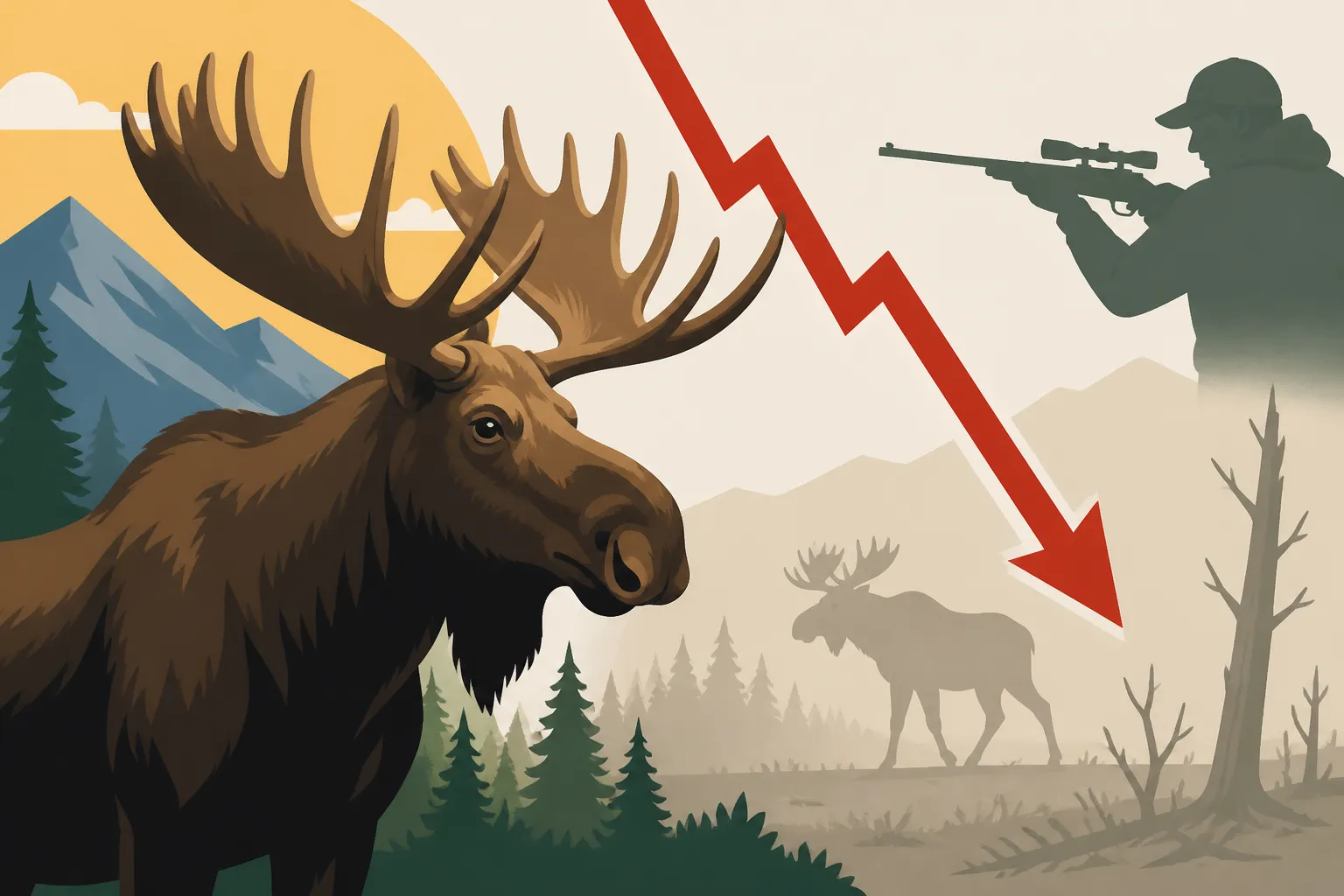
From the mid-to-late 20th century, moose populations in many parts of the Interior were at their zenith. Hunters reported seeing dozens of moose on a typical outing, and opportunities for harvesting bulls were relatively consistent. These were the "good old days" that older hunters reminisce about, and for good reason. However, starting in the early 2000s, many areas began to see a steady, and in some cases, dramatic decline.
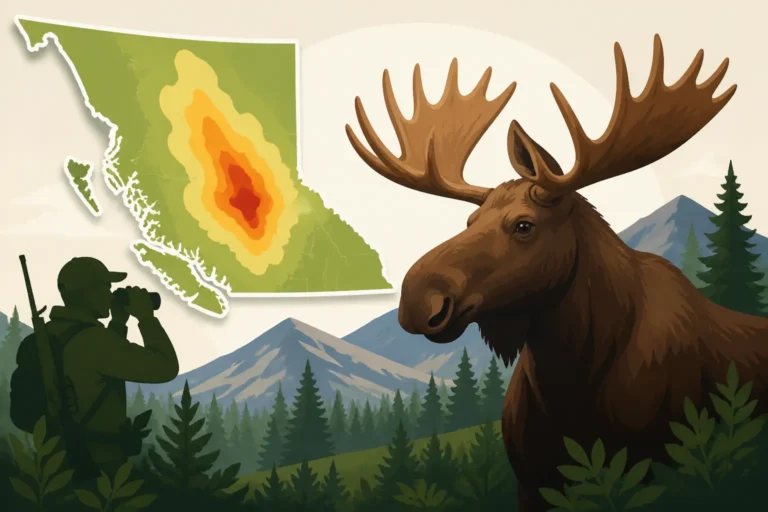
This decline wasn't uniform across the entire province, and some northern pockets still boast robust numbers. But for a large swath of the Interior, from the Cariboo to the Omineca and parts of the Kootenays, the trend has been a downward spiral. It's a disheartening sight for anyone who cherishes these magnificent animals and the hunting opportunities they provide. The question then becomes: what are the driving forces behind this widespread decrease?
Unpacking the Primary Factors Behind the Decline
The drop in moose numbers in the Interior isn't due to a single culprit; it's a complex tapestry of interconnected environmental pressures. Each factor alone can be detrimental, but their combined effect creates a significant challenge for moose survival and reproduction.
Predation: Wolves, Bears, and Their Impact
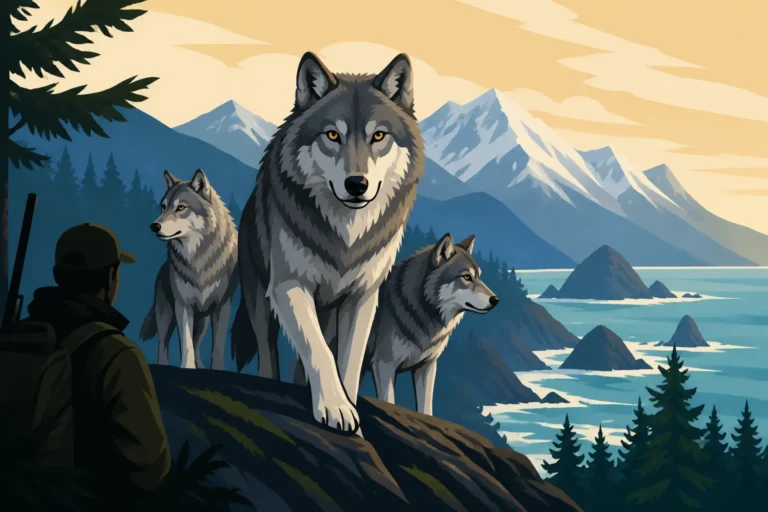
Predation is a natural and vital part of any ecosystem, but when moose populations are already stressed, intense predator pressure can exacerbate declines. In many Interior regions, wolf populations have remained stable or increased, and black bears and grizzlies are also significant predators, especially of calves.
- Wolf Predation: Wolves are highly efficient moose predators. While they typically target the weak or old, sustained high wolf numbers in areas with declining moose can prevent recovery. It's a tough balance for wildlife managers, as wolf populations are also important for ecosystem health. Hunters often point to wolf numbers as a primary issue, and it's certainly a piece of the puzzle, particularly concerning calf survival.
- Bear Predation: Both black bears and grizzly bears are opportunistic predators of moose calves. When calves are born in the spring, they are vulnerable, and bears emerging from hibernation are looking for easy protein. In areas where moose numbers are down and bear numbers are healthy, a higher proportion of calves might be lost to bears. This significantly impacts recruitment—the number of young moose that survive to adulthood and join the breeding population.
- Compounding Effects: When moose are already facing nutritional stress or habitat degradation, they may be less able to evade predators, further increasing their vulnerability. The synergy between a stressed prey base and stable or growing predator populations is a key concern.
Habitat Loss and Alteration: The Changing Forest
Moose are creatures of specific habitat, thriving in areas with a mosaic of young forests, willow flats, and mature timber for cover. Changes to this habitat, whether through natural events or human activity, directly impact their ability to find food, shelter, and raise young.
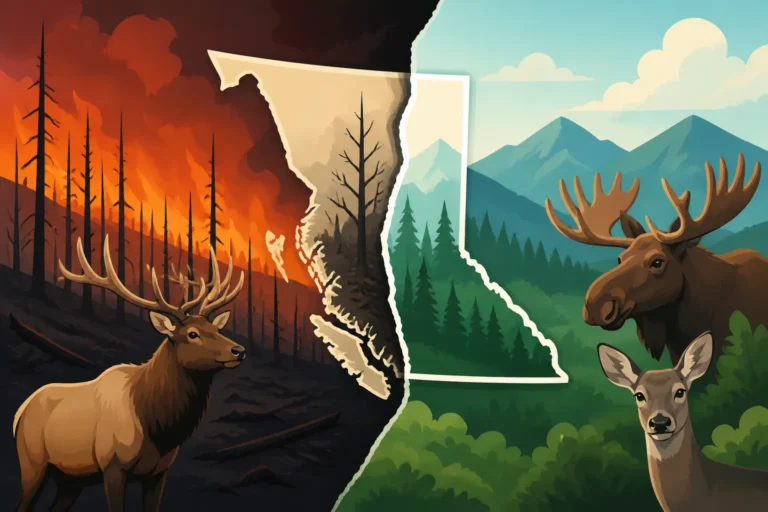
- Wildfire and Forest Health: British Columbia has experienced a significant increase in the scale and intensity of wildfires in recent years. While some fires can initially create beneficial browse for moose in the form of regenerating shrubs and trees, large, intense fires can destroy vast tracts of critical winter range and mature forest cover that moose rely on for thermal regulation and protection. We've seen firsthand how a major fire can transform an entire landscape. While How Moose Use a Burn Three Years On can explain some benefits, the sheer scale of recent burns has often been overwhelming.
- Logging Practices: Historically, logging created clearcuts that, in their early stages, provided abundant browse. However, modern forestry practices, particularly expansive clearcuts and rapid reforestation with dense stands of commercially valuable conifers, can quickly grow past the optimal browsing stage for moose. This reduces the long-term availability of preferred food sources, turning once-productive areas into dense, dark forests devoid of moose forage. Over-logging in some areas has fragmented habitat, making it harder for moose to move between feeding and bedding grounds.
- Pine Beetle Epidemic: The vast devastation caused by the Mountain Pine Beetle in the Interior has fundamentally altered forest ecosystems. While beetle-killed forests initially provide some browse as light hits the forest floor, the long-term impact involves massive fuel loads leading to intense wildfires, and the eventual conversion of large areas to different forest types, which may not be as suitable for moose. This widespread change in forest composition has a lasting impact on What Wildfire Did to Moose Habitat.
Disease and Parasites: A Silent Threat
Perhaps one of the most insidious threats to moose populations is the increasing prevalence of diseases and parasites, often exacerbated by a changing climate. These unseen enemies can weaken animals, reduce their reproductive success, and ultimately lead to death.
- Winter Ticks (Dermacentor albipictus): These tiny parasites are a massive problem for moose, particularly in areas with milder winters. In warmer conditions, ticks survive longer and thrive, leading to massive infestations on individual moose. A heavily tick-infested moose can lose so much blood that it becomes anemic, weakens, and rubs off its hair in an attempt to alleviate the itching, leading to significant heat loss in cold weather. This "ghost moose" phenomenon is heartbreaking to witness and is a leading cause of mortality, especially among calves and yearlings.
- Brain Worm (Parelaphostrongylus tenuis): While historically more common in Eastern North America, brain worm, carried by white-tailed deer, can be fatal to moose. As white-tailed deer populations expand in certain Interior regions, they can spread this parasite. Moose are not adapted to it, and when ingested, the worm migrates to the moose's brain, causing neurological damage, disorientation, and eventually death. The expansion of British Columbia's Whitetail Expansion is something to keep an eye on in relation to this.
Climate Change: A Macro-Level Influence
The broader impacts of a changing climate are undeniable and affect moose in multiple ways, often intensifying other stressors.
- Heat Stress: Moose are adapted to cold climates. Warmer summers, especially prolonged heat waves, cause significant heat stress, forcing moose to seek dense cover and limiting their foraging activity during the day. This can lead to reduced body condition and lower reproductive rates.
- Milder Winters: As mentioned with winter ticks, milder winters allow parasites to flourish. Reduced snowpack can also affect how moose move and access certain browse, and potentially alter predator-prey dynamics. The long-term trend of less severe winters is a serious concern for a cold-adapted species like the moose.
Ripple Effects and Compounding Challenges
The various factors impacting moose don't act in isolation. Instead, they interact in complex ways, creating a domino effect that further stresses populations and makes recovery more challenging.
Stress on Calves and Reproductive Success
One of the most concerning ripple effects is the impact on calf survival and overall reproductive success. Moose cows, when stressed by poor nutrition, heavy parasite loads, or persistent harassment by predators, may give birth to fewer calves, or calves that are weaker and less likely to survive their first year.
- Lower Birth Rates: A cow in poor condition might not be able to conceive, or she might have a lower chance of successfully carrying a calf to term. This directly reduces the number of new animals entering the population.
- Increased Calf Mortality: Even if calves are born, the gauntlet they face is formidable. As we discussed, bears and wolves are major threats, but a calf born to a nutritionally deprived cow is also more susceptible to disease, parasites, and even harsh weather conditions. This means fewer young moose are recruiting into the breeding population, leading to an aging herd and a slower recovery rate. Many areas struggle with reaching sustainable numbers of What a British Columbia Bull Moose Weighs because not enough calves make it.
Hunter Experience and Management Challenges
For the hunting community, the decline in moose numbers translates directly into reduced opportunities and increased frustration. It also presents significant challenges for wildlife managers trying to balance conservation with hunter expectations.
- Reduced Opportunities: Fewer moose naturally mean fewer hunting tags, more restrictive seasons, or a higher reliance on draw systems like the Limited Entry Hunting (LEH) system. This can be incredibly disheartening for hunters who have traditionally relied on General Open Seasons for moose. I know many folks who’ve tried Calling Moose in the Rut for years without success due to lower numbers.
- Shifting Hunter Behaviour: As prime areas see declines, hunter pressure can shift to remaining healthy pockets, potentially creating new localized stresses. Hunters become more reliant on technology, like the mapping resources available on platforms like GoHunt, to identify less pressured areas or to understand historical success rates, though even that can't conjure moose where they don't exist.
- Adaptive Management: Wildlife agencies are constantly trying to adapt regulations, which often means shorter seasons, antler restrictions, or completely closed areas. These decisions are tough but necessary when populations are struggling, and they are based on data that shows declines in herd health or calf recruitment. Understanding these changes means hunters have to regularly consult the British Columbia Hunting Regulations Synopsis.
Table: Key Factors Contributing to Interior Moose Decline
| Factor | Primary Mechanism | Impact on Moose Population | Exacerbating Conditions |
|---|---|---|---|
| Predation | Wolves, Black Bears, Grizzly Bears target calves/weak | Increased calf mortality, limited recruitment | Stressed prey, high predator numbers |
| Habitat Alteration | Wildfire, Logging, Pine Beetle Epidemic | Reduced forage, loss of thermal/security cover, fragmentation | Large-scale, intense disturbances |
| Disease/Parasites | Winter Ticks, Brain Worm (P. tenuis) | Anemia, weakness, neurological damage, death | Milder winters, expanding deer range |
| Climate Change | Heat stress, milder winters | Reduced foraging, increased parasite survival | Prolonged heat waves, reduced snowpack |
What Hunters Can Do and Looking Forward
While the challenges facing British Columbia's Interior moose are significant, it's not a situation without hope. Hunters, as dedicated conservationists, have a crucial role to play in advocating for moose and adapting our practices.
Supporting Research and Habitat Initiatives
One of the most important things we can do is support the ongoing research and habitat initiatives aimed at understanding and mitigating these issues. Knowledge is power, and robust scientific data is essential for effective management.
- Participate in Surveys and Reporting: When you're out in the field, pay attention and report your sightings, or lack thereof, to the appropriate channels. Accurate data from hunters can supplement aerial surveys and help biologists get a clearer picture of local populations. Don't forget that Mandatory Reporting for Moose Licences is also a critical data point.
- Join Conservation Groups: Organizations like the British Columbia Wildlife Federation (BCWF) or local rod and gun clubs are often at the forefront of advocating for wildlife and participating in habitat restoration projects. These groups actively engage with government, conduct boots-on-the-ground work, and lobby for policies that benefit moose and other species. Your membership and volunteer hours make a difference.
- Habitat Restoration: Support initiatives that focus on creating and maintaining diverse moose habitat. This could involve advocating for more responsible forestry practices that prioritize wildlife values alongside timber extraction, or participating in efforts to control invasive species that outcompete native forage.
Ethical Hunting and Respecting Regulations
Our role as hunters is to be responsible stewards of the resource. This means adhering strictly to regulations, making ethical choices, and understanding our impact.
- Adherence to Regulations: Always know the current British Columbia Moose Season Dates and specific rules for the Management Unit you are hunting in. Regulations are designed to protect struggling populations and allow for recovery. It's not just about avoiding a fine; it's about being part of the solution. If a particular area has antler restrictions or is LEH-only, respect those rules completely.
- Responsible Harvest: When a tag is drawn or an opportunity arises, ensure a clean, ethical harvest. Waste not, want not. Quartering a Moose in Grizzly Country is a skill every moose hunter should have. The goal is not just to "get a moose" but to appreciate the animal and the resource it represents. In areas of concern, some hunters voluntarily choose to pass on smaller bulls to allow them to mature, though this is a personal choice beyond legal requirements.
- Learn and Adapt: Stay informed about moose ecology and the factors affecting them. Utilize resources like the GoHunt platform to understand shifts in population dynamics, historical success rates, and changes in regulations that might impact your hunting strategy. The more we understand, the better decisions we can make in the field and as advocates.
The decline of moose in British Columbia's Interior is a sobering reality, but it's not a narrative without agency. By understanding the complex web of factors at play and actively engaging in conservation efforts, we can contribute to a healthier future for these magnificent animals and ensure that future generations can experience the thrill of Hunting Moose in British Columbia's Interior. It's a long road, but it's one we walk together as hunters and conservationists.
Disclaimer
This article is for general informational purposes only and does not constitute professional advice. Laws, prices and regulations vary by location and change over time. Consult a qualified professional for guidance on your specific situation.