Finding a Permit to Accompany Host
British Columbia hunting regulations allow non-resident hunters to secure permits when accompanied by a qualified resident host.
Book the hunt, not the brochure.
Guided, semi-guided, and drop-camp options, which outfitters work which units, guide licensing requirements, booking timelines, and what a deposit actually covers.
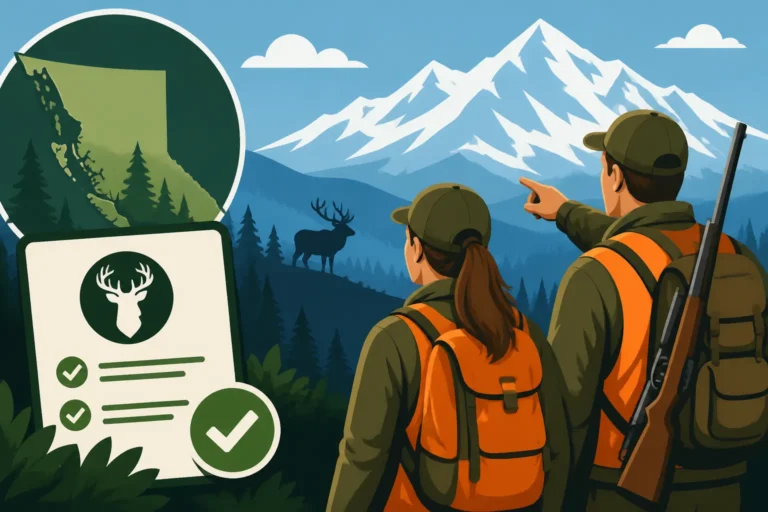
British Columbia hunting regulations allow non-resident hunters to secure permits when accompanied by a qualified resident host.
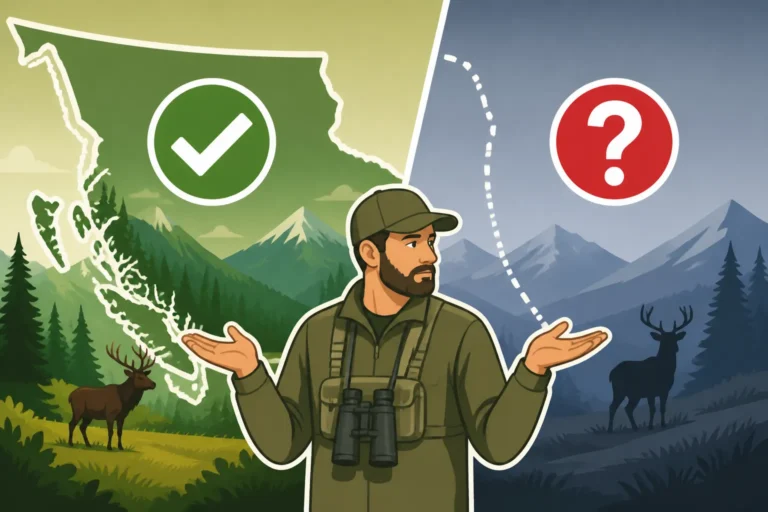
British Columbia guide outfitter territories legally restrict licensed guides from operating outside their assigned geographic boundaries.

British Columbia outfitter territories and tag allocations help non-resident hunters plan wild sheep hunts for Stone’s and bighorns.
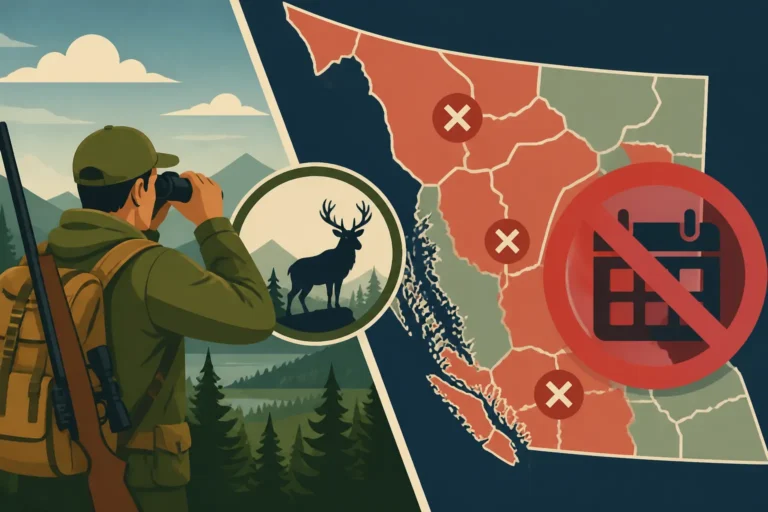
British Columbia guide outfitter territories limit non-resident bookings by granting exclusive legal hunting rights to specific outfitters.
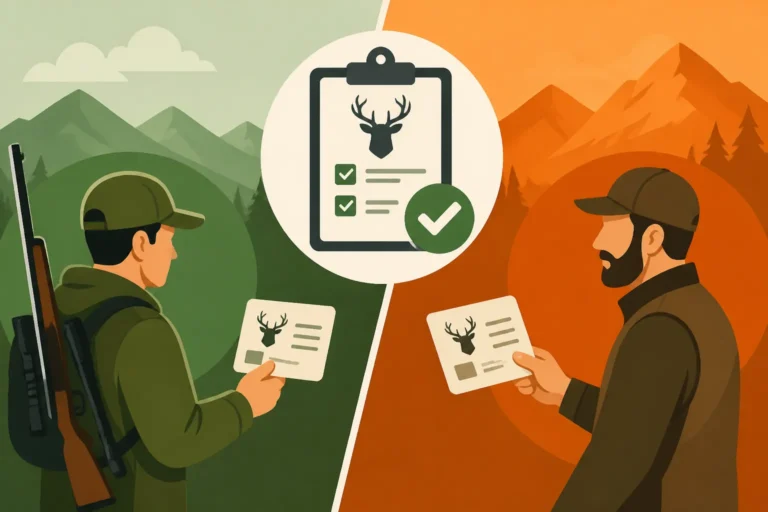
British Columbia hunting regulations require non-resident hunters to personally obtain basic hunting licences and species tags using a Fish and Wildlife ID.

Spring bear hunting in British Columbia involves choosing between guided trips and managing regulations for black bears.
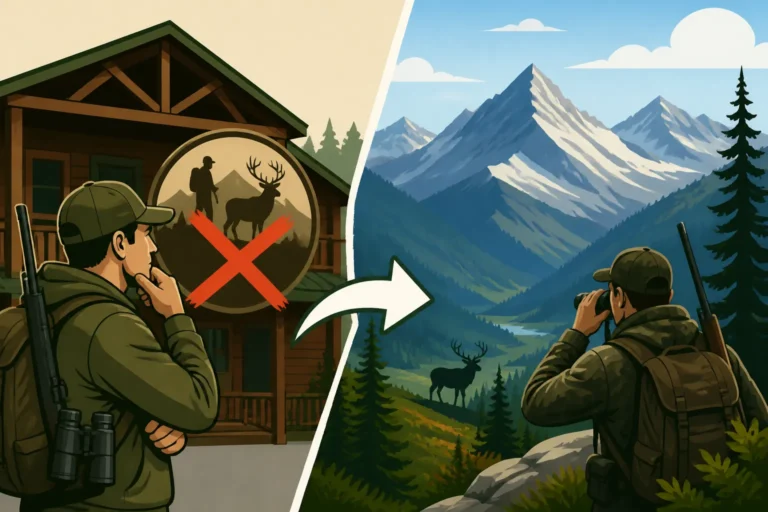
British Columbia hunting outfitters often book two to five years in advance because limited territories and finite tags create extreme demand.

British Columbia sheep season dates, species rules, and management units determine when rams are accessible for hunters.
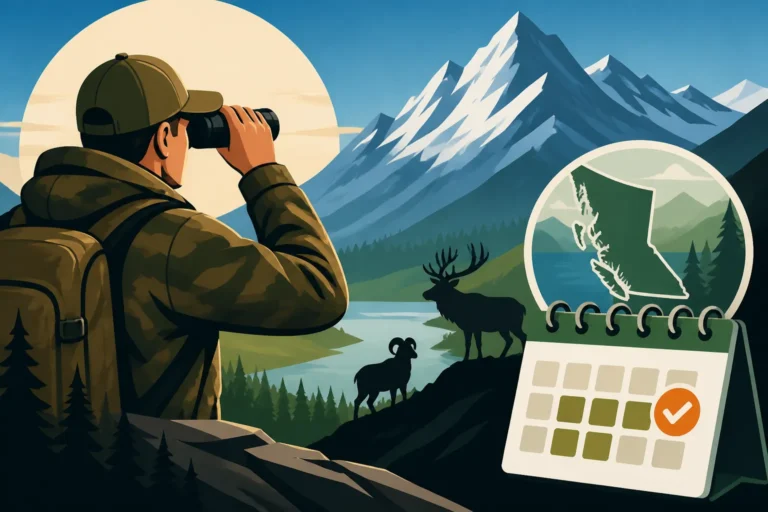
Booking a British Columbia hunt years ahead explains outfitter schedules, high-demand species scarcity, and financial planning for trophy hunts.

British Columbia hunting trip deposit schedules, refund policies, and outfitter financial requirements explained clearly for clients.