Moose in British Columbia’s Interior and North
Hunting moose in British Columbia's vast Interior and Northern regions can feel like chasing a ghost, a truly monumental undertaking that tests your resilience and preparation. The sheer scale of the landscape, coupled with often challenging access and unpredictable weather, can leave even seasoned hunters feeling overwhelmed. This comprehensive guide is designed to cut through that complexity, providing you with an in-depth understanding of British Columbia's moose, their habitats, and the most effective strategies for a successful hunt in these incredible, wild territories.
The Majestic Moose: A British Columbia Icon
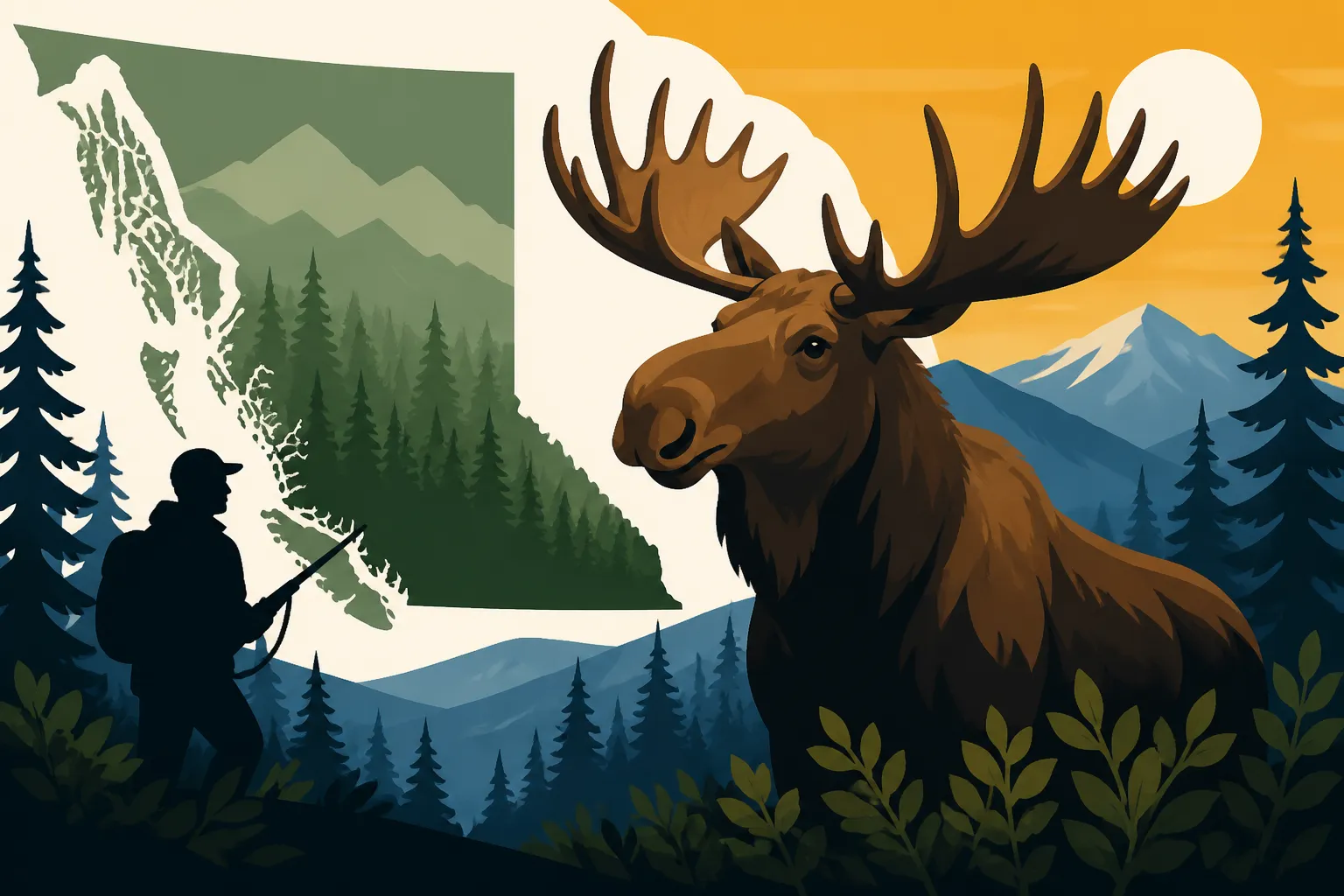
Moose, with their impressive size and distinctive antlers, are undeniably one of British Columbia's most iconic big game species. They are a keystone species in many northern ecosystems, and their presence defines the wild character of vast swathes of the province. For hunters, pursuing a moose is often the pinnacle of their ambition, offering a profound connection to the wilderness and a substantial reward in terms of wild, organic protein. Understanding where these magnificent animals live and how their populations are managed is the first crucial step in planning your hunt.
Understanding British Columbia's Moose Populations
British Columbia is home to a significant population of moose, primarily concentrated in the central and northern parts of the province. While specific numbers can fluctuate due to various factors like habitat changes, disease, and predation, provincial wildlife agencies regularly conduct surveys and assessments. Historically, areas like the Omineca, Cariboo, Skeena, and Peace Regions have been strongholds for moose. However, it's a dynamic situation. For instance, some regions have experienced declines in moose numbers over the last few decades, particularly in the south-central Interior, leading to more conservative hunting regulations. Conversely, certain areas in the far north continue to support robust populations, though access can be significantly more challenging. Checking the latest provincial reports and consulting resources like the GoHunt platform can provide up-to-date information on herd health and distribution, helping you target areas with better opportunities. It’s critical to remember that moose populations are not uniform; understanding these regional variations is key to a realistic hunt plan.
Key Moose Habitat in the Interior and North
Moose are creatures of specific environments, thriving in diverse but particular habitats across British Columbia's Interior and North. They generally prefer a mix of mature and regenerating forests, especially areas adjacent to wetlands, swamps, lakes, and slow-moving rivers. These riparian zones provide essential forage like willows, red osier dogwood, and other aquatic vegetation, which form a significant part of their diet. In the Interior, you’ll often find them utilizing extensive areas of boreal and sub-boreal forest, characterized by spruce, pine, and aspen stands. After a wildfire, moose habitat can be dramatically altered. What Wildfire Did to Moose Habitat is often a complex shift, but initial regrowth can provide abundant browse. These burns, particularly in their third to tenth year, can be magnets for moose as young deciduous growth flourishes, offering a smorgasbord of nutrient-rich forage. The Northern regions, extending into the vast wilderness of the Omineca and Peace, offer expansive untouched tracts of forest, numerous small lakes, and extensive willow flats – prime moose territory. You might find them in areas that seem almost impenetrable, seeking refuge from predators and finding dense browse.
Life on the Land: Moose Behavior and Ecology
To successfully hunt moose, you need to think like a moose. Understanding their daily routines, seasonal adaptations, and especially their reproductive cycle is paramount. These animals are powerful, but they also have predictable patterns dictated by their need for food, safety, and procreation. Tapping into this knowledge allows you to anticipate their movements and increase your chances of an encounter.
Diet and Seasonal Movements
Moose are herbivores with a very specific diet, largely dictated by the season. In spring and summer, they consume massive amounts of leafy browse, forbs, and aquatic vegetation, building up critical fat reserves. They are particularly fond of willow, aspen, birch, and various water plants, which are rich in minerals and easily digestible. As fall approaches and plants begin to senesce, their focus shifts to woody browse from young deciduous trees and shrubs. This change in diet also corresponds with a shift in their movement patterns. Early in the season, they might be found near water bodies, feeding on aquatic plants. As hunting pressure mounts and the rut approaches, they often move to denser cover, making them harder to locate. In winter, with deep snow and limited food, they become less mobile, concentrating in areas with accessible browse, often on south-facing slopes or in dense coniferous stands that offer thermal cover and some protection from snow depth. Understanding these subtle shifts is crucial for predicting where they might be at different times of the year.
The Annual Rut: A Hunter's Prime Window
The moose rut is undoubtedly one of the most exciting times for hunters in British Columbia. Generally peaking from late September through early October, this is when bulls are most active, vocal, and often less cautious as they seek out cows for breeding. This period offers unique opportunities for Calling Moose in British Columbia's Interior, as bulls respond to cow calls and challenger grunts, often coming in to investigate or confront a perceived rival. The sheer power and intensity of a bull moose responding to a call, stomping through the timber, is an experience that stays with you long after the hunt. However, the rut is not a single, continuous event; it has distinct phases. Early rut sees bulls scent-checking areas and light sparring. The peak is characterized by active calling, aggressive displays, and intense breeding. Post-rut, bulls are exhausted and often seek solitude to recover, making them much harder to entice. Knowing these phases and adjusting your strategy accordingly is critical. Hunters who spend time in the bush can attest that the weather, moon phase, and even local cow-to-bull ratios can influence when British Columbia's Moose Rut Peaks, so flexibility is your friend.
Winter Survival Strategies
Winter in British Columbia's Interior and North can be brutal, and moose have evolved remarkable strategies to survive the cold, deep snow, and scarcity of food. Their long legs allow them to navigate deep snow more effectively than other ungulates, though excessively deep, crusted snow can still be a significant challenge, restricting their movement and making them vulnerable to predators. Their dense, insulating coat provides excellent thermal regulation, keeping them warm even in sub-zero temperatures. During winter, they often "yard up" in areas with a good supply of woody browse, minimizing energy expenditure by reducing travel. These areas are typically mature or mixed forests, sometimes on south-facing slopes that get more sun exposure and have shallower snow. While hunting usually concludes long before the harshest winter conditions set in, understanding these survival tactics helps in scouting and interpreting sign. If you're out late in the season, knowing where moose seek refuge from the elements can still inform your search, even if the primary goal is simply to observe and learn for future hunts.
Navigating British Columbia's Moose Hunting Regulations
British Columbia's hunting regulations, especially for a prized species like moose, can be a labyrinth of specific dates, zones, and rules. It's not enough to simply have a license; you need to understand the nuances of General Open Seasons versus Limited Entry Hunting, antler point restrictions, and the mandatory reporting requirements. Misinterpretations can lead to severe penalties, so thorough research and diligent adherence are non-negotiable.
General Open Seasons vs. Limited Entry Hunts
For moose in British Columbia, you'll generally encounter two main types of hunting opportunities: General Open Seasons (GOS) and Limited Entry Hunting (LEH). General Open Seasons allow any licensed resident hunter to harvest a specific animal within defined dates and management units (MUs), provided they meet all other regulatory requirements, like antler point restrictions. These seasons are designed to manage common game species across broader areas.
On the other hand, Limited Entry Hunting (LEH) is a draw system used for species or areas where harvest needs to be tightly controlled to maintain healthy populations or achieve specific management objectives. This is particularly common for moose in many of British Columbia's Interior regions, where moose numbers may be more sensitive to hunting pressure. Hunters apply for specific LEH zones and seasons, and successful applicants are chosen by lottery. The odds can be slim for highly sought-after permits, making successful draws a rare and prized event. Understanding the British Columbia Moose Season Dates and whether a particular area is GOS or LEH is the most fundamental step in planning your hunt. If you're a non-resident, your options are typically limited to guided hunts, which operate under different rules.
Antler Point Restrictions and Management Units
Antler point restrictions (APRs) are a critical component of moose management in British Columbia, designed to protect younger bulls and promote an older age class within the herd. These rules specify the minimum number of antler points a legal bull must possess on one side of its rack to be harvested. For moose, common restrictions include "Spike-Fork" (a bull with only a spike or fork antler on one side) or "4-Point or Greater" (a bull with at least four points on one antler). These rules vary significantly by management unit and region, and they are rigorously enforced. A thorough understanding of the specific APR for your chosen MU is absolutely essential. Many hunters spend hours studying antler configurations from trail camera photos and real-life observations to ensure they can make a correct judgment in the field. Using digital tools like those available through GoHunt can help you overlay MU boundaries and check regulations on your phone, greatly reducing the risk of errors. Always carry a copy of the current Synopsis and know how to use it.
Understanding Compulsory Inspection and Reporting
British Columbia has stringent requirements for compulsory inspection and reporting, especially for species like moose. If you are fortunate enough to harvest a moose, you are typically required to report your kill online or in person within a specific timeframe – often 30 days after the end of the season or immediately if your tag stipulates. Additionally, in many regions, moose harvests are subject to compulsory inspection, meaning you must present the skull, antlers (if applicable), and evidence of sex to a qualified inspector. This is a crucial part of wildlife management, as it allows biologists to collect data on herd health, age structure, and compliance. Failing to comply with these rules can result in significant penalties. Mandatory Reporting for Moose Licences ensures that wildlife managers have accurate harvest data, which is vital for setting future hunting seasons and managing populations sustainably. Always check the current hunting regulations synopsis for the exact requirements for your specific season and management unit. Knowing what happens if you report late should be a strong motivator to submit your information promptly.
Effective Strategies for Hunting Moose
Moose hunting in British Columbia is a physically demanding and mentally challenging pursuit that often requires a blend of patience, skill, and sheer grit. There's no single "best" way to hunt them, as conditions and terrain vary wildly across the Interior and North. However, several tried-and-true strategies consistently produce results for diligent hunters.
Spot-and-Stalk in Open Country
While moose are often associated with dense timber and swamps, many areas in British Columbia's Interior and North offer opportunities for spot-and-stalk hunting, especially in more open terrain or during specific times of the year. This method is particularly effective in large burns or clearcuts that have regenerated with young browse, vast willow flats, or expansive subalpine meadows. The key is gaining elevation to glass large areas effectively. A good pair of binoculars or a spotting scope is indispensable here. Hunters might spend hours, or even days, glassing from a strategic ridge, looking for the tell-tale dark shape of a moose, the flash of an antler, or even the movement of feeding. Once a moose is spotted, the real work begins: planning a careful stalk to get within ethical shooting range, often navigating dense underbrush, uneven terrain, and unpredictable wind shifts. This can be grueling work, especially if the moose is a long distance away, but the reward of successfully outwitting a mature bull on its home turf is immensely satisfying. The immense size of What a British Columbia Bull Moose Weighs means that you don't want to attempt a stalk that might result in a complicated pack-out.
Calling Techniques for Interior Moose
Calling is arguably the most iconic and often the most thrilling method for hunting moose, particularly during the rut. As we discussed earlier, Calling Moose in British Columbia's Interior can be incredibly effective when bulls are actively seeking cows or are willing to challenge a perceived rival. The primary calls include cow moans, bull grunts, and the unmistakable sound of Raking Brush for a Bull Moose. Cow calls mimic a lonely cow looking for a bull, while bull grunts are used to challenge dominant bulls into showing themselves. Raking a scapula or a paddle against trees or brush simulates a bull thrashing his antlers, a powerful display of dominance that can often draw in other bulls looking for a fight. Success with calling often depends on timing, location, and reading the moose's response. Sometimes a bull will charge in aggressively; other times, he'll circle downwind cautiously. Patience is key, as is setting up in a spot that offers good visibility and a clear shooting lane while concealing your position. Many hunters incorporate a "calling sequence" that includes a mix of cow moans, grunts, and raking to paint a realistic picture for an approaching bull.
Hunting Around Water and Riparian Zones
Moose have an undeniable affinity for water, and hunting around lakes, rivers, and wetlands is a perennially effective strategy. These areas provide essential forage like aquatic plants, as well as dense cover and thermal regulation during warmer periods. You'll often find moose feeding along the edges of beaver ponds, in shallow marshy areas, or along riverbanks where willow and other browse are abundant. For hunters, this means focusing your efforts on these riparian zones. Hunting Moose Around a Beaver Pond can be particularly fruitful, as these man-made wetlands create ideal feeding grounds. Still-hunting quietly along the edges of these water features, or setting up to glass across a large beaver complex, can yield opportunities. Jet Boat Access on British Columbia Rivers can also open up vast, otherwise inaccessible stretches of prime moose habitat along major river systems. The challenge here is often the thick cover, which requires slow, deliberate movement and keen observation. However, the reward of finding a bull enjoying a cool dip or browsing peacefully in a willow flat can make the effort entirely worthwhile.
Challenges and Conservation in Moose Country
Hunting is intrinsically linked to conservation, and understanding the challenges facing British Columbia's moose populations is crucial for responsible hunters. While British Columbia still offers some of the best moose hunting in North America, these animals face a complex array of threats that require ongoing management and thoughtful stewardship from all stakeholders.
Predation, Disease, and Habitat Loss
Moose populations in British Columbia contend with significant natural pressures, which sometimes frustrate hunters wondering Why Moose Numbers Fell in the Interior. Predation by wolves and grizzly bears is a natural and healthy part of the ecosystem, but in some areas, high predator numbers can impact calf survival rates, especially when combined with other stressors. Wolves, for instance, are highly efficient predators of moose, and their presence often shapes moose distribution and behavior. Disease can also play a role. Moose tick infestations, for example, can weaken animals, leading to hair loss and making them more susceptible to cold or other diseases. Brain worm (Parelaphostrongylus tenuis), while more common in eastern North America, is also a concern in some areas, affecting moose neurologically. Beyond natural threats, habitat loss and fragmentation due to human activity, such as extensive logging (though some regeneration can benefit moose), urban expansion, and road construction, continually shrink the amount of viable moose habitat. These combined factors create a challenging environment for moose, and understanding them helps inform conservation efforts.
Impact of Wildfire and Beetle Kill on Moose Habitat
British Columbia's forests are dynamic, and natural disturbances like wildfires and insect outbreaks, particularly the mountain pine beetle, profoundly impact moose habitat. While devastating in the short term, these events can trigger long-term ecological changes that eventually benefit moose. What Wildfire Did to Moose Habitat, for instance, is often a story of destruction followed by renewal. Initial intense fires destroy mature forests, but the subsequent regrowth of deciduous species like aspen and willow provides abundant, nutrient-rich browse for moose. A landscape can become a moose paradise in the years following a burn. You might hear hunters talking about How Moose Use a Burn Three Years On, referring to the prime window when browse is plentiful but before the dense regrowth makes travel impossible. Similarly, large-scale beetle kill, which has decimated vast tracts of pine forest in the Interior, creates conditions for new growth that moose can exploit. However, the immediate aftermath of a severe burn or beetle kill can render an area temporarily unsuitable. These landscape-level changes require hunters to constantly adapt their scouting and hunting strategies, leveraging tools like satellite imagery and land management maps to identify newly productive areas.
The Future of Moose Hunting in British Columbia
The future of moose hunting in British Columbia is a topic of ongoing discussion and management, reflecting both the challenges and the commitment to sustainable wildlife populations. With varying moose populations across the province, wildlife managers are constantly adjusting regulations, often leading to more restrictive measures in areas of concern, such as increased reliance on LEH draws or more specific antler point restrictions. Conservation efforts are multifaceted, involving habitat restoration, targeted research into moose health and survival, and predator management in specific contexts. Organizations like the BC Wildlife Federation and local rod and gun clubs play a vital role in advocating for science-based wildlife management and contributing to conservation projects. For hunters, being part of the solution means adhering strictly to regulations, participating in compulsory reporting and inspection programs, and supporting conservation initiatives. It also means educating ourselves on the complexities of wildlife management and being realistic about the opportunities available. The goal is to ensure that future generations of hunters can also experience the thrill of pursuing moose in British Columbia's wild places.
Field Care and Logistics in Remote Moose Terrain
Harvesting a moose in British Columbia's vast Interior and North is just the beginning of a significant undertaking. The sheer size of What a British Columbia Bull Moose Weighs means that field care, processing, and transportation are massive logistical challenges, often compounded by remote locations, rough terrain, and unpredictable weather. Being prepared for this demanding phase is just as important as the hunt itself.
Quartering and Cooling Your Harvest
Once a moose is down, the clock starts ticking, especially in early season hunts or warmer weather. Proper field dressing and quartering are essential to preserve the meat. Unlike smaller game, a moose cannot typically be dragged out whole. It must be broken down into manageable pieces quickly. This usually involves skinning the animal, then carefully quartering it into major muscle groups, often with the bone in, to facilitate cooling and transport. Many hunters also remove the backstraps and tenderloins as separate, highly prized cuts. The goal is to get the hide off and the meat cooled as rapidly as possible to prevent spoilage. This is where the challenge often begins in British Columbia's backcountry. You might be Quartering a Moose in Grizzly Country, making bear safety a critical consideration throughout the process. The meat should be hung in game bags in the shade, allowing air to circulate. In warmer temperatures, this might mean finding a nearby creek to cool the meat down before packing it out. Every hour counts in preserving the quality of your hard-earned harvest.
Getting a Moose Out of the Bush
This is often the most physically grueling part of the entire hunt. Getting a Moose Out on a British Columbia River might involve a boat if you're lucky enough to be hunting near navigable water. However, for most Interior and Northern hunts, it means packing it out on your back, potentially over many miles of steep, uneven, or boggy terrain. A good quality frame pack is indispensable for this task, allowing you to distribute the immense weight of moose quarters effectively. You'll likely need multiple trips, making a spike camp or a secure base camp crucial. Consider the terrain carefully during your scouting; a seemingly ideal hunting spot might become a nightmare if it means packing heavy quarters uphill for hours. Some hunters use game carts or sleds in suitable terrain, but often, the only option is human power. This is where fitness truly pays off. Planning your extraction route beforehand, identifying potential obstacles, and having a reliable team of hunting partners can make all the difference in successfully retrieving all the valuable meat.
Bear Safety in Moose Country
British Columbia's Interior and North are prime grizzly and black bear country, and a downed moose can quickly attract unwanted attention. Bear Safety While Hunting in British Columbia is paramount, and these considerations escalate dramatically when you have a fresh kill on the ground. Always be aware of your surroundings, scan frequently, and have bear spray readily accessible and know how to use it. Many hunters choose to carry a firearm chambered in a powerful caliber for bear defense, though bear spray is often considered the first line of defense due to its effectiveness at deterring charges. When quartering an animal, work quickly and efficiently. If you must leave meat unattended, hang it high in a tree, away from your camp, and make enough noise when returning to the site to announce your presence. The scent of fresh blood and meat can draw bears from a surprising distance, and they can be incredibly persistent. Having a plan for a bear encounter, communicating with your hunting partners, and maintaining situational awareness throughout the field dressing and packing-out process are essential for a safe and successful moose hunt.
Disclaimer
The information provided in this article is for general guidance only and does not constitute legal advice. Hunting regulations in British Columbia are subject to change, and it is the responsibility of every hunter to consult the most current British Columbia Hunting and Trapping Regulations Synopsis issued by the provincial government before engaging in any hunting activities. Always prioritize safety, ethical hunting practices, and respect for wildlife and the environment.