The Report All Poachers and Polluters Line
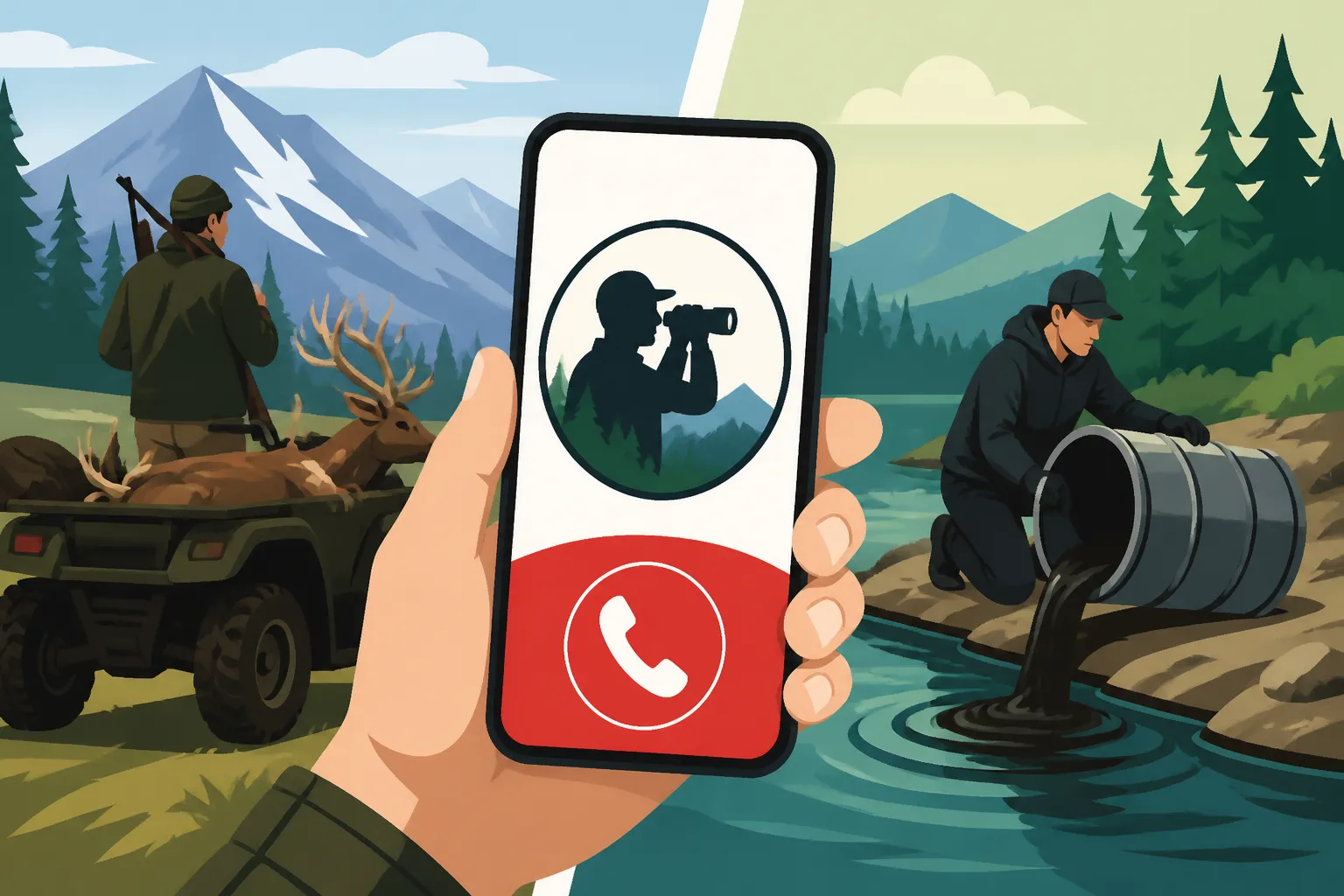
It’s incredibly frustrating when you’re out in British Columbia’s stunning wilderness, enjoying a peaceful hunt or simply soaking in nature, only to stumble upon evidence of illegal activity. Whether it's a gut pile left to rot by someone who couldn't be bothered with proper meat care, an obvious trespass onto private land, or worse, a witnessed act of poaching, it can make your blood boil. This guide is here to walk you through exactly how to report these incidents through British Columbia’s crucial Report All Poachers and Polluters (RAPP) line, ensuring your concerns are heard and acted upon.
Understanding What Constitutes Poaching and Pollution in British Columbia
When we talk about poaching and pollution in the context of British Columbia’s hunting landscape, it’s not just about blatant killing of animals out of season. It encompasses a wide range of illegal activities that harm our wildlife, their habitats, and the integrity of ethical hunting itself. Knowing what to look for and recognizing a violation is the first step towards being a responsible steward of our wild spaces.
Common Hunting Violations
The rules around hunting in British Columbia are complex and detailed, designed to manage wildlife populations sustainably and ensure fair chase. Many violations stem from ignorance or blatant disregard for these regulations. For instance, hunting without the proper species licence, or exceeding bag limits, directly impacts conservation efforts. We often hear stories of hunters mistakenly taking an antlerless moose in a bull-only zone, or harvesting an animal outside the legal season for that specific management unit. These aren't just minor infractions; they undermine the entire system designed to protect future hunting opportunities. Other common violations include hunting during closed hours, using illegal firearms or ammunition, or even attempting to hunt on federally protected land like a bird sanctuary. Perhaps one of the most disheartening violations is the intentional harassment of wildlife, whether by vehicle or other means, which is a clear breach of ethical conduct and provincial law. Another significant issue revolves around specific hunting methods, such as those detailed in the British Columbia Rules on Baiting, which prohibit certain practices to ensure fair chase.
Environmental Damage and Waste
Beyond direct hunting violations, the RAPP line also covers actions that constitute pollution or environmental damage, often committed by individuals who may or may not even be hunting. This includes the improper disposal of waste, such as leaving trash, camp refuse, or even hazardous materials in the backcountry. Think of finding old fuel cans dumped in a creek, or a literal garbage heap at a remote recreation site. These acts not only mar the beauty of our landscapes but also pose significant threats to wildlife through contamination and habitat degradation. Another critical area is the issue of wasting game meat. It’s a core tenet of responsible hunting that every effort must be made to retrieve and utilize edible portions of harvested animals. Discovering a carcass with prime meat left behind is not only an ethical failure but, in many cases, a legal violation, as outlined in the rules around Wasting Game Meat. This kind of pollution, even if organic, disrespects the animal and the privilege of hunting. Road damage, unauthorized trail building, or disturbance of sensitive ecological areas also fall under this umbrella, as they can fragment habitats and introduce invasive species.
How the RAPP Line Works: Reporting a Violation
Reporting a potential violation might feel daunting, especially if you’re alone in the backcountry. However, the RAPP line is designed to make this process as straightforward and safe as possible for concerned citizens. It’s an anonymous service, and your safety is paramount. The provincial government and conservation officers rely heavily on the eyes and ears of responsible outdoors enthusiasts to gather intelligence and act on illegal activities. This is where apps like GoHunt can sometimes be useful for recording locations, though direct reporting to RAPP is key.
What Information to Gather
When you suspect a violation, the more details you can provide, the better. Conservation officers need specific, actionable information to investigate effectively. Start with the "who, what, where, when, and how." Who did you see? Can you describe the individual(s), their clothing, or any distinctive features? What were they doing? Was it an act of poaching, dumping, or something else? Where exactly did this happen? GPS coordinates are invaluable, but if you don't have them, describe landmarks, road names, and distances from known points. GoHunt, for example, is excellent for marking specific locations on a map, which can then be relayed to RAPP. When did you observe the incident? Date and time are crucial. And finally, how were they doing it? What kind of vehicle were they using (make, model, colour, license plate number if possible)? What weapons, tools, or equipment did you observe? Did you see an animal, and if so, what species and condition? If you found evidence like a discarded carcass, describe its state and exact location. Don't put yourself in harm's way to gather information; your safety comes first. Just observe and note what you can from a safe distance.
The Reporting Process Step-by-Step
Once you have as much information as safely possible, it's time to make the call. The RAPP line operates 24/7.
- Call or Report Online:
- Phone: The primary method is to call 1-877-952-RAPP (7277). This number is easy to remember and connects you directly to the service.
- Online: For less urgent matters, or if you prefer to type out your report, you can also submit a report through the BC RAPP website. This option is helpful if you have photos or videos to attach, though remember to only include media that doesn't compromise your safety.
- Be Clear and Concise: When you speak to the operator, calmly relay the information you gathered. Start with the most critical details: type of incident, location, and time.
- Answer Questions: The operator will likely ask follow-up questions to clarify details. Be patient and provide as much accuracy as you can. They are trained to extract the necessary information for a successful investigation.
- Anonymity: You do not have to give your name or contact information, though it can be helpful for conservation officers if they need further clarification. If you choose to remain anonymous, that option is fully respected.
- No Direct Updates: Due to privacy and operational procedures, you generally won't receive direct updates on the outcome of the investigation. However, rest assured that every report is taken seriously and investigated appropriately. Your action contributes directly to the enforcement of regulations and the protection of wildlife. It's a vital part of the system that helps enforce British Columbia's Compulsory Reporting Rules and ensures accountability.
Anonymity and Follow-Up
The RAPP line places a high priority on the anonymity of its callers. You should never feel pressured to reveal your identity. Many people worry about retribution from those they report, or simply prefer not to get directly involved beyond providing the initial tip. This concern is valid, and the system is built to protect you. When you call the RAPP line, you have the option to remain completely anonymous. Your name, phone number, and any identifying details are not required. If you choose to provide contact information, it's usually only for the purpose of a conservation officer being able to reach out for more clarification, and they will respect your privacy preferences.
It's important to understand that while your report will be investigated, you won't typically receive a call back with updates on the case’s progress or outcome. This can sometimes lead to frustration or a feeling that your report went nowhere. However, be assured that all RAPP calls are logged, prioritized, and assigned to the relevant Conservation Officer Service (COS) unit for investigation. These investigations can be complex, involving surveillance, forensic analysis, and coordination with other agencies. The absence of a follow-up call doesn’t mean your information wasn't valuable; it simply reflects the operational realities and privacy protocols of law enforcement. Your contribution through the RAPP line is a crucial part of preserving our wildlife resources and upholding the hunting regulations found in documents like the British Columbia's Two-Year Regulations Synopsis.
Why Reporting Matters: Protecting British Columbia's Wildlife
Making a report through the RAPP line is more than just "snitching" on someone; it’s an active and powerful act of conservation. Every responsible hunter, angler, and outdoors enthusiast shares a collective duty to protect our wild heritage for future generations. Ignoring violations, no matter how small they seem, can lead to widespread detrimental effects on our ecosystems and the cherished traditions of ethical hunting.
Impact on Wildlife Populations
Illegal hunting and pollution have direct, devastating impacts on British Columbia's diverse wildlife populations. Poaching, especially of species with limited numbers or those in sensitive breeding cycles, can quickly decimate local herds or populations. For instance, imagine illegal hunting in a region where caribou herds are already struggling, as some are across British Columbia. Every illegally harvested animal represents a loss that the population might not be able to recover from easily. Similarly, environmental pollution, such as chemical runoff or extensive waste dumping, can poison food sources, destroy crucial habitats, and introduce diseases, affecting everything from migratory birds to large predators. These cumulative effects can push vulnerable species towards local extinction and destabilize entire ecosystems. The consequences of these actions often extend far beyond the immediate incident, creating ripple effects that impact all forms of wildlife, and sometimes even necessitate closures like the British Columbia's Grizzly Bear Closure, implemented to protect vulnerable populations.
Preserving Ethical Hunting Standards
Hunting in British Columbia is a privilege, not a right, and it comes with significant responsibilities. Ethical hunters adhere to principles of fair chase, respect for wildlife, and compliance with all regulations, including strict guidelines like British Columbia Blaze Orange and Safety Rules. When individuals engage in poaching or wanton waste, they not only break the law but also tarnish the reputation of all ethical hunters. This negative perception can lead to increased anti-hunting sentiment and stricter regulations for everyone. By reporting violations, you are actively upholding the ethical standards that define responsible hunting. You are sending a clear message that the hunting community will not tolerate illegal or unethical behaviour, reinforcing the importance of respect for the land, the animals, and the rule of law. It's a way for all of us who have completed our British Columbia Hunter Education and CORE training to show our commitment to the values taught.
The Role of Community in Conservation
The vastness of British Columbia's wilderness makes it impossible for conservation officers to be everywhere at once. This is precisely why the RAPP line and an engaged public are so critically important. The community of hunters, hikers, campers, and all outdoor users forms the eyes and ears of conservation efforts. When you report a violation, you become an active participant in protecting our natural resources. Your vigilance and willingness to speak up directly contribute to successful investigations, prosecutions, and ultimately, the deterrence of future illegal acts. This collective effort ensures that our wildlife management areas, like the British Columbia Wildlife Management Area Rules dictate, remain pristine and our game populations healthy. It’s a tangible way for every individual to contribute to the long-term health and sustainability of British Columbia's incredible wild spaces and the hunting opportunities they provide. Your report, however small it may seem, adds a vital piece to the conservation puzzle.
Here’s a quick summary of the key information you should try to gather when reporting:
| Information Category | Specific Details to Look For |
|---|---|
| Who | Number of people, physical description, clothing, unique identifiers |
| What | Type of violation (poaching, pollution, trespass), specific actions |
| Where | GPS coordinates, road names, landmarks, distances, MU number |
| When | Date, time, duration of incident |
| How | Vehicle details (make, model, colour, plate), weapons, equipment |
| Evidence | Animal species, condition, photos/videos (if safe to obtain) |
| Direction | Last known direction of travel for suspects or vehicles |
Disclaimer
Please note that this guide provides general information about British Columbia's RAPP line and hunting regulations. Laws and regulations are subject to change. Always consult the most current British Columbia Hunting and Trapping Regulations Synopsis and official government sources for the most up-to-date and accurate information before engaging in any hunting activities. Your safety and adherence to all laws are your responsibility.