Whether British Columbia Has CWD
The thought of a debilitating disease silently stalking our cherished deer, moose, and elk populations is enough to send a shiver down any hunter's spine. Chronic Wasting Disease, or CWD, has cast a long shadow over hunting communities across North America, and it’s completely natural to wonder if this insidious illness has made its way to our beautiful British Columbia. This guide is here to give you the straight facts about CWD in BC, what we know right now, and how you, as a responsible hunter, can be part of the solution to protect our province's incredible wildlife.
Understanding Chronic Wasting Disease (CWD)
Chronic Wasting Disease is one of those topics that can make your stomach churn, especially when you think about its potential impact on the animals we pursue and cherish. It's a disease that doesn't just affect a few animals; it has the potential to fundamentally alter the health and future of entire cervid populations, and that’s a heavy thought for anyone who spends time in the woods.
What Exactly Is CWD?
At its core, CWD is a neurological disease, meaning it attacks the brain and nervous system. It belongs to a family of diseases known as transmissible spongiform encephalopathies (TSEs), which also includes mad cow disease in cattle and scrapie in sheep. The real kicker with CWD is that it's caused by abnormal proteins called prions, not by bacteria or viruses. These prions are incredibly resilient and can trigger normal proteins in the animal's body to misfold, leading to a cascade of neurological damage.
Imagine a deer that slowly loses its coordination, becomes emaciated, develops an abnormal posture, and eventually dies – that's the grim reality of CWD. It’s always fatal, with no known cure or vaccine, and it progresses slowly, often taking months or even years from initial infection for symptoms to become apparent. This long incubation period is part of what makes it so challenging to detect and control, as infected animals can appear healthy for a long time, all while potentially spreading the disease.
How CWD Spreads Among Wildlife
CWD isn't like a common cold that just passes from one sniffle to another. Its spread is particularly concerning because of the nature of prions. The disease is transmitted both directly and indirectly. Direct transmission occurs when animals have close contact, such as nose-to-nose rubbing, grooming, or even through saliva during shared feeding. This is particularly common in areas where cervids congregate, like winter feeding grounds or around mineral licks.
Indirect transmission is where things get even trickier. Prions are shed by infected animals through saliva, urine, and feces, contaminating the environment. Once prions are in the soil, on plants, or in water sources, they can remain infectious for years, even decades, resisting extreme temperatures, disinfectants, and even natural decomposition processes. This means that an animal might contract CWD by simply ingesting contaminated soil or plants that an infected animal has walked over or urinated on. When an infected animal dies, its carcass can also release prions into the environment, further perpetuating the cycle. This environmental persistence makes eradication incredibly difficult once the disease takes hold in an area.
Why CWD Is a Major Concern for Hunters and Wildlife
The implications of CWD are vast, touching everything from the health of our wildlife to the very tradition of hunting. For starters, CWD can lead to significant declines in cervid populations. As more animals become infected and die, herd numbers can dwindle, impacting the ecological balance and the availability of game for hunters. Imagine a future where the deer and elk populations we know today are severely depleted – it’s a scenario no one wants to contemplate.
Beyond population numbers, there's the looming question of public health. While there's no confirmed evidence of CWD transmission to humans through consuming infected meat, health agencies globally recommend against eating meat from CWD-positive animals. This creates a legitimate concern for hunters who rely on wild game for food, adding a layer of caution and uncertainty to every harvest. This is where active surveillance and testing become paramount, giving hunters peace of mind.
Furthermore, CWD can disrupt wildlife management efforts. Managing a disease with such a long incubation period and environmental persistence requires extensive resources, affecting funding and focus that might otherwise go to habitat improvements or other conservation initiatives. For hunters, it also introduces additional regulations, carcass disposal rules, and testing requirements, which, while necessary, can add complexity to the hunting experience. The cultural and economic impacts on rural communities that depend on hunting tourism and related industries can also be substantial. It's truly a multi-faceted problem that demands a collective effort to manage.
CWD in British Columbia: The Current Situation
When you hear about CWD spreading across the continent, it’s natural to feel a knot of anxiety, especially for those of us who cherish British Columbia's wild places and the animals that call them home. Hunters here are deeply invested in the health of our herds, and the question of whether CWD has reached our borders is a pressing one.
Has CWD Been Detected in British Columbia?
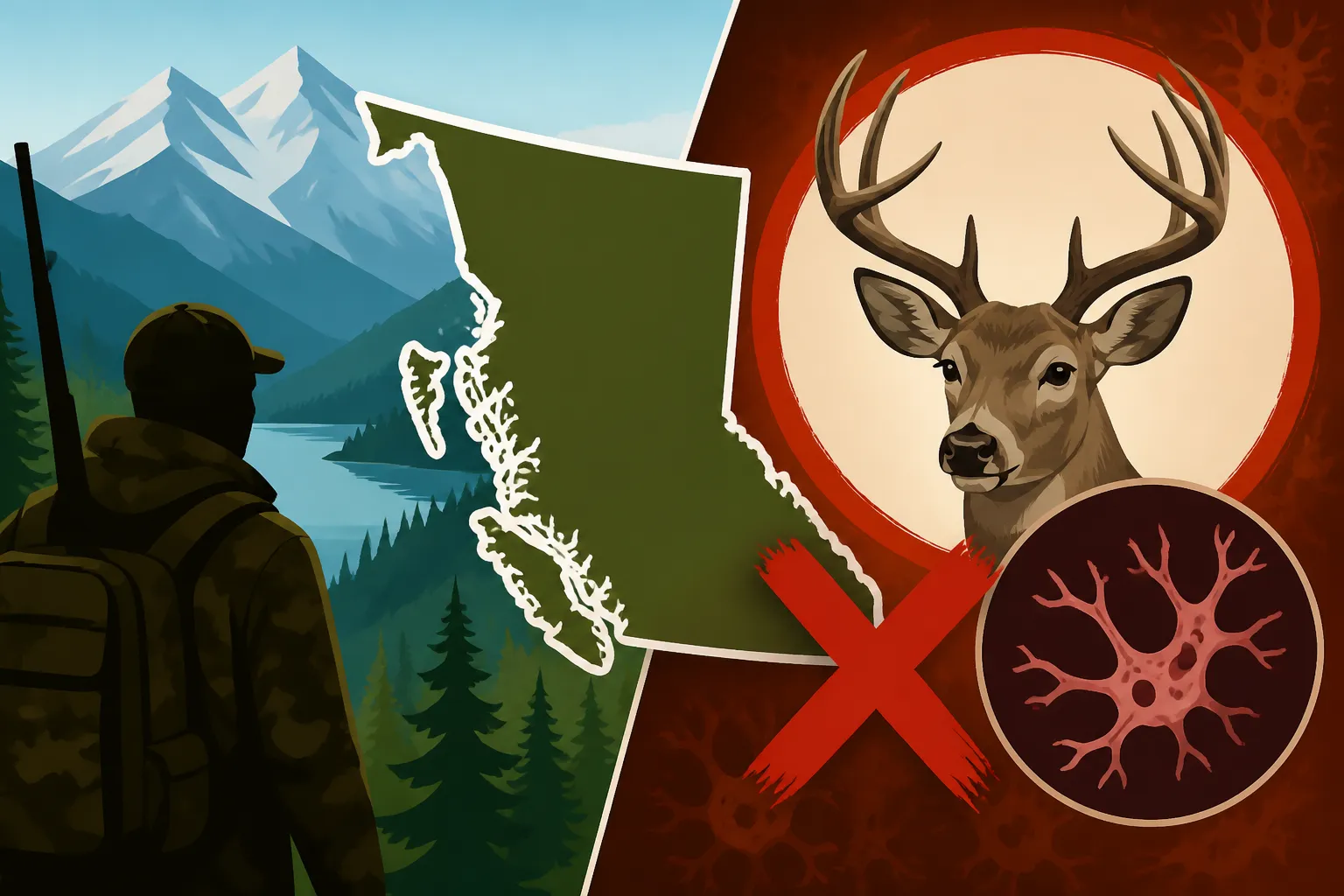
This is the big question, and thankfully, the answer, as of right now, is a resounding no. Despite extensive surveillance efforts over many years, Chronic Wasting Disease has not been detected in any wild or captive cervids within British Columbia. This is incredible news, but it's not an excuse for complacency. We are surrounded by areas where CWD has been found, notably in neighbouring Alberta and Montana, where the disease is established in certain cervid populations. This geographical proximity means that the threat of CWD eventually crossing our borders is very real and constant.
Think of British Columbia as an island that's managed to keep a major storm at bay, but the storm is raging just off the coast. Our province remains one of the few jurisdictions in North America with no detected cases, a testament to the vigilance of wildlife managers and hunters alike. However, the migratory nature of deer and elk, coupled with human activities like the movement of carcasses, means we are always on guard. It's a continuous effort to maintain this CWD-free status, and every hunter plays a vital role in upholding it.
British Columbia's Proactive Surveillance Program
British Columbia isn't just sitting back hoping CWD doesn't arrive; the province has a robust and proactive surveillance program in place to monitor for its presence. This isn't a new initiative; it's been ongoing for years, systematically testing cervids across various regions of the province. The strategy is comprehensive, focusing on animals that are most likely to show signs of the disease or be vectors for its spread.
The program primarily involves testing hunter-harvested deer, moose, and elk. Hunters are encouraged, and in some areas required, to submit specific samples for testing. Beyond harvested animals, the program also targets road-killed cervids, as well as any wild deer, moose, or elk observed to be sick or behaving abnormally. These animals are prioritized for testing because they represent the most likely candidates for early detection. The province's wildlife health unit meticulously tracks these samples, looking for any indication of the disease. This commitment to widespread, targeted testing is our first and strongest line of defense, building a reliable dataset to confirm BC's CWD-free status or to provide an early warning if the situation changes. You can always check official provincial resources for the most up-to-date information on the surveillance program and any specific areas of concern. For example, the British Columbia's CWD Surveillance Program page offers detailed guidance.
How Hunters Can Participate in CWD Surveillance
As hunters, we are often the first eyes on the ground, the ones intimately familiar with the health and behavior of the game we pursue. Our involvement in CWD surveillance isn't just helpful; it's absolutely critical. You are a frontline defender of British Columbia’s wildlife, and your participation directly contributes to keeping our province CWD-free.
First and foremost, if you ever encounter an animal that appears sick or is behaving oddly in the field – perhaps it's extremely thin, disoriented, drooling excessively, or has an unusual gait – do not harvest it. Instead, make a note of the exact location, take photos if possible from a safe distance, and immediately report it to the provincial Report All Poachers and Polluters (RAPP) line or directly to a local Ministry of Forests, Lands, Natural Resource Operations and Rural Development (FLNRORD) office. This information allows wildlife biologists to investigate and collect samples for testing.
Secondly, you can actively participate by submitting samples from your harvested animals. In certain management units or regions, submitting the head of a harvested deer, moose, or elk for CWD testing might be mandatory. Even where it's not mandatory, it is highly encouraged. The process typically involves dropping off the head at designated collection sites, which might include specific regional offices or collection bins. Make sure to follow all instructions carefully, including filling out any required forms, to ensure the sample is properly tracked and tested. These hunter-submitted samples form the backbone of the surveillance program, providing the broad geographic coverage necessary to confidently declare British Columbia CWD-free. Always check the current regulations and advisories before heading out, as specific requirements can change. Staying informed through resources like official government wildlife sites or even trusted hunting platforms like GoHunt can help ensure you’re always up-to-date on sampling requirements for your hunt area.
What Hunters Need to Know to Protect British Columbia's Herds
Being a hunter in British Columbia carries a deep responsibility, not just for ethical harvesting, but for safeguarding the health of the wild populations we pursue. With the ongoing threat of CWD, understanding and implementing best practices in the field is more important than ever. Our collective actions can truly make a difference in protecting our herds.
Best Practices for Hunters in the Field
When you're out hunting, especially if you've been in areas outside of British Columbia where CWD is present, or if you're just being extra cautious (which is always a good idea), there are some fundamental practices you should follow. These aren't just suggestions; they are critical steps to minimize any potential risk of introducing or spreading CWD.
First, always be diligent about where you harvest. If an animal appears unwell, unnaturally skinny, or is exhibiting strange behaviour, do not shoot it. As mentioned, these are potential signs of CWD. Report such sightings to the provincial authorities immediately. This is the simplest and most effective way to prevent a potentially infected animal from entering the food chain or contaminating a new area.
Second, consider your field dressing techniques. While it's common practice to gut an animal where it falls, you can take extra precautions. The brain, spinal cord, spleen, and lymph nodes are considered high-risk tissues for CWD prions. If possible, consider deboning your animal in the field and leaving the brain, spinal cord, and other high-risk parts at the kill site, especially if you're in an area of potential concern (e.g., if you're travelling back from a CWD-positive jurisdiction). This significantly reduces the chance of transporting infected material. However, always ensure you're compliant with local regulations regarding evidence of sex and species before disposing of any parts.
Finally, meticulous hygiene is paramount. Thoroughly clean all your knives, saws, and other field dressing tools with a bleach solution (50% bleach, 50% water) after handling any animal, especially if you're unsure of its health or if you've processed an animal from a CWD-positive area. Wash your hands thoroughly, and if you're transporting a carcass, ensure your vehicle, especially any cargo areas or truck beds, are cleaned and disinfected. These steps prevent accidental cross-contamination and minimize the chance of prions hitching a ride into new, uninfected territories.
What to Do If You See a Potentially CWD-Infected Animal
Encountering an animal that looks sick can be unsettling, but your response is vital in the fight against CWD. Should you spot a cervid in British Columbia exhibiting symptoms consistent with CWD – such as extreme weight loss, stumbling, listlessness, drooling, or an unusual fearlessness of humans – it's imperative that you handle the situation correctly and responsibly.
Your first and most important action is to not approach or handle the animal. While CWD transmission to humans is not confirmed, it's always best to err on the side of caution. Give the animal a wide berth to ensure your safety and to avoid any direct contact. Do not attempt to harvest it or put it out of its misery yourself; leave that to trained professionals.
Instead, your next step is to report the sighting immediately to the appropriate provincial authorities. The Report All Poachers and Polluters (RAPP) line is the most effective way to do this. Call them right away, or contact your local Ministry of Forests, Lands, Natural Resource Operations and Rural Development (FLNRORD) office or wildlife biologist. When you call, be prepared to provide as much detail as possible: the exact location (GPS coordinates are ideal), the species of animal, a clear description of its symptoms and behaviour, and the time you observed it. If you can safely take clear photos or videos from a distance without disturbing the animal, these can be incredibly helpful for wildlife officials. Your timely and accurate report is critical for enabling wildlife health experts to investigate, collect samples, and take necessary actions to contain any potential outbreak.
Staying Informed About CWD Risks
The landscape of wildlife health, especially concerning diseases like CWD, can evolve. What's true today might change tomorrow, which makes staying informed an ongoing responsibility for every hunter. Having access to the most current and accurate information is your best tool for protecting British Columbia's cervid populations.
The primary source for reliable information about CWD in British Columbia will always be the official provincial government websites. The Ministry of Forests, Lands, Natural Resource Operations and Rural Development (FLNRORD) wildlife health section, in particular, will provide updates on surveillance results, any changes in regulations, and specific instructions for hunters in different regions. Make it a habit to check these resources before your hunting season, and periodically throughout the year. These sites often have dedicated pages or advisories concerning CWD. You can find detailed information on British Columbia's CWD Surveillance Program there, which is a great place to start.
Beyond provincial resources, reputable hunting and conservation organizations often disseminate important CWD information. These organizations work closely with wildlife agencies and can help break down complex information into actionable advice for hunters. For those who hunt across provincial or state lines, or who simply want a broader perspective on wildlife health issues, tools and platforms like GoHunt can be invaluable. While GoHunt's primary focus might be on hunting regulations and strategies, many such platforms also aggregate news and updates from wildlife agencies across different jurisdictions, helping hunters track CWD risks in other areas they might visit. This can be particularly useful if you're considering a hunt in a neighbouring province or state where CWD is present, ensuring you understand the necessary precautions for carcass transport and disease prevention. Staying vigilant and well-informed is a critical part of being a responsible steward of our wildlife resources.
Here's a quick look at key CWD facts and what you can do:
| Feature | CWD Key Facts | Hunter's Action |
|---|---|---|
| Nature | Fatal neurological disease affecting cervids (deer, elk, moose). Caused by misfolded proteins (prions). | Understand the symptoms (emaciation, abnormal behaviour, drooling, listlessness). Avoid harvesting sick animals. |
| Spread | Direct (animal-to-animal contact) and Indirect (environmental contamination via saliva, urine, feces, carcasses). Prions persist in environment. | Practice proper field dressing: debone in the field if possible, leave high-risk parts (brain, spinal cord, spleen, lymph nodes) at kill site. Clean tools and vehicle thoroughly with bleach solution. Avoid moving high-risk parts across management unit boundaries or into BC from CWD-positive areas. |
| Current Status | NOT detected in British Columbia. Found in neighbouring jurisdictions (Alberta, Montana). BC has a robust surveillance program. | Participate in surveillance: submit heads for testing where required or encouraged. Stay updated on provincial CWD advisories. Check official sources like British Columbia's CWD Surveillance Program regularly. |
| Impact | Potential for population decline, public health concerns (avoid eating infected meat), complex wildlife management challenges, economic and cultural impacts. | Report sick-looking animals immediately to the RAPP line. Stay informed using official provincial resources and trusted hunting platforms. Be a proactive guardian of BC's cervid health. |
The current CWD-free status of British Columbia is a precious thing, hard-won through diligent surveillance and the collective efforts of wildlife managers and hunters. While the threat remains at our doorstep, particularly from adjacent regions, our continued vigilance and adherence to best practices offer the strongest defense. By understanding CWD, participating in surveillance, and adopting responsible hunting habits, we can all contribute to protecting the health and future of British Columbia's magnificent deer, elk, and moose populations for generations to come.
Disclaimer
This article is for general informational purposes only and does not constitute professional advice. Laws, prices and regulations vary by location and change over time. Consult a qualified professional for guidance on your specific situation.