Moose Hunting British Columbia’s Interior
Moose hunting in British Columbia's vast interior is an experience unlike any other, offering both immense rewards and formidable challenges. Many hunters dream of the chance to pursue these magnificent animals, only to feel overwhelmed by the sheer scale of the landscape, the complex regulations, and the demanding nature of the hunt itself. This comprehensive guide aims to demystify interior BC moose hunting, providing you with the knowledge and strategies needed to successfully navigate the bush, understand moose behaviour, and, hopefully, fill your freezer with prime meat.
Understanding British Columbia's Interior Moose Populations
British Columbia's interior is a mosaic of diverse ecosystems, from dense coniferous forests to expansive wetlands and high-country plateaus, all of which contribute to varying moose populations. Unlike some regions with consistent, high densities, moose distribution here can be quite patchy, influenced heavily by habitat quality, historical logging, wildfire, and predator pressures. Understanding these nuances is the first step to a successful hunt.
The Dynamics of Moose Herds in the Interior
The moose populations across British Columbia's Interior and North have seen their ups and downs over the years. We've witnessed a general decline in some traditional moose strongholds, particularly in parts of the Cariboo and Omineca regions. This isn't just one factor at play; it's a complicated web of environmental shifts, including significant beetle infestations that changed forest composition, vast wildfires that initially boost forage but can also destroy critical wintering habitat, and an increasing understanding of predator-prey dynamics, especially with wolf populations. It’s a real challenge for wildlife managers, and it means hunters need to be more strategic than ever.
On the flip side, some areas, particularly in the Peace Region and the far north, still boast relatively healthy numbers, offering more consistent hunting opportunities. These areas often benefit from a mix of mature timber and younger growth, creating that ideal browse and cover combination that moose thrive in. Hunters often spend countless hours poring over maps, satellite imagery, and even using tools like GoHunt to scout potential areas, trying to pinpoint these pockets of higher density. It’s not just about finding any moose, but finding huntable populations that can sustain hunting pressure.
Identifying Key Moose Habitat
Moose are creatures of habit, and their presence is inextricably linked to specific habitat types. In the Interior, you’ll typically find them frequenting areas with abundant willows, dogwood, aspen, and young birch, which are their primary browse species. This means river bottoms, creek drainages, swamps, and the edges of lakes are prime locations. Areas that have been recently logged, especially clearcuts in their third to tenth year of regeneration, can also be moose magnets as the new growth provides an explosion of preferred forage.
However, it's not just about food. Moose also need cover, especially thermal cover in winter and escape cover year-round. They'll often bed down in dense stands of timber adjacent to feeding areas, especially during harsh weather or when feeling pressured. Therefore, when you're scouting, whether physically or digitally, look for the intersection of these elements: water, browse, and dense cover. Remember that these needs change with the seasons; what’s prime summer habitat might be completely different from where they spend the deep winter.
Key Moose Habitat and Behavior in the Interior
Understanding how moose interact with their environment and how their behaviour changes throughout the year is crucial for a successful hunt. They are creatures of specific patterns, but can also be incredibly elusive.
Preferred Terrain and Vegetation
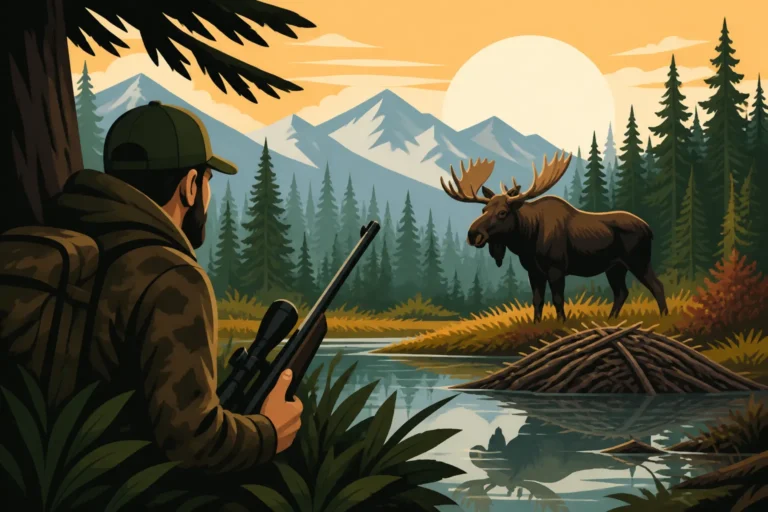
British Columbia's interior presents a vast array of terrain, and moose adapt to it, but they certainly have their preferences. They love the low-lying, often boggy areas found along creek bottoms, around beaver ponds, and in expansive willow flats. These spots provide both a steady supply of water and their favourite woody browse. In regions like the Cariboo and Omineca, large wetland complexes are absolute goldmines. When you're scouting, focus on these wet zones. Even a small slough can hold a moose, especially if it's surrounded by dense timber for security.
Beyond the wetlands, moose will also utilize forest fringes, particularly where mature timber meets younger, regenerating clearcuts. These "cutblock edges" offer both plentiful food in the form of new growth and quick access to heavy cover. They'll often move along these edges at dawn and dusk, browsing as they go. Elevated benches of interior Douglas fir or lodgepole pine, especially those with an understory of palatable shrubs, can also serve as vital winter range or transitional habitat between feeding and bedding areas. It's about looking for those "transition zones" where two different habitat types meet.
Seasonal Movements and Rutting Behavior
Moose are not static animals; their movements are heavily influenced by the seasons and the availability of food and water. In the spring and summer, they tend to disperse, seeking out lush browse in wetlands and higher elevations. As fall approaches and hunting seasons open, their focus shifts. The cooler temperatures spark an increase in activity, leading up to the rut, which is a prime time for hunting. Knowing when British Columbia's Moose Rut Peaks is invaluable.
The rut typically kicks off in late September and can run well into October, with peak activity often falling in the first couple of weeks of October. During this period, bulls become highly vocal and aggressive, actively seeking cows. This is when calling strategies become most effective, as bulls are more willing to respond to cow calls or even challenge calls from other "bulls." They might rake saplings with their antlers to make noise and show dominance, creating fresh sign that keen hunters can key into. After the rut, moose will gradually move to their winter ranges, typically lower elevations with accessible browse, often concentrating in areas with dense thermal cover where snow depths are manageable.
Timing Your Interior Moose Hunt
The timing of your hunt in British Columbia's interior is paramount to success. Moose seasons vary significantly by region and Management Unit (MU), and within those, by weapon type and specific antler restrictions. Getting this right is about more than just checking a calendar; it's about aligning your hunt with moose behaviour and regional opportunities.
General Open Seasons Versus Limited Entry Hunts
For many resident hunters, the primary opportunity for moose often falls within the "General Open Seasons." These seasons are typically shorter and have specific antler restrictions, such as "spike-fork" or "calf" moose in some regions, or "4-point or larger" in others, designed to manage bull-to-cow ratios and protect younger bulls. These general open seasons usually occur in the fall, often starting in mid-September for archery and later in September or early October for rifle. However, competition can be high in easily accessible areas during these times.
In contrast, "Limited Entry Hunting" (LEH) offers opportunities for specific types of moose (e.g., any bull, antlerless) in designated zones, often for longer periods or during prime rut phases when general seasons might be closed or restricted. These are highly sought-after permits, and drawing one can be a long game, with many hunters accumulating preference points over years. The application period usually opens in the spring, and results are released in the early summer, so planning well in advance is essential. It's crucial to understand Which Moose Hunts Are Draw Only for your target region. Many hunters consult resources like GoHunt or the provincial synopsis to understand LEH odds by zone before applying.
Key Season Dates and Regional Variations
British Columbia's vastness means that moose season dates can vary significantly from the southern Interior to the far north. For example, while early archery seasons might open in mid-September in some central Interior regions, the peak rifle seasons for "any bull" might be a short window in October in specific MUs, or longer in more remote northern zones. This patchwork system means hunters must consult the current British Columbia Moose Season Dates and the Two-Year Hunting & Trapping Synopsis meticulously for their specific Management Unit.
It’s not uncommon to find areas where a spike-fork season might run for several weeks, while an "any bull" season might only be open for a few days, or strictly by LEH. Hunters must also be aware of varying rules regarding antler points, such as the "4-point antler restriction" common in some zones, which means a bull must have at least four points on one antler to be legal. Failure to correctly identify a legal animal can lead to severe penalties, so always be sure of your target and the regulations before pulling the trigger.
Hunting Methods for Interior Moose
Hunting moose in British Columbia's interior is largely a physically demanding affair that rewards patience, stealth, and a deep understanding of moose behaviour. While specific tactics might vary slightly with terrain and time of year, certain core methods prove consistently effective.
Still-Hunting and Spot-and-Stalk
Still-hunting involves moving slowly and deliberately through moose habitat, pausing frequently to scan and listen. This method is particularly effective in dense timber or along the edges of cutblocks where visibility is limited. The key is to blend in, move quietly, and pay close attention to wind direction to avoid spooking game. Hunters often use binoculars not just to spot animals, but to pick apart cover for subtle signs like fresh tracks, rubs, or droppings. It's about being an active observer, constantly assessing the landscape for any indication of a moose.
Spot-and-stalk comes into its own in more open areas, like expansive clearcuts, burns, or large willow flats. Hunters position themselves on a vantage point, often an elevated ridge or hillside, and use high-quality optics (binoculars or spotting scopes) to systematically Glassing a Willow Flat for Moose or other promising areas. Once a moose is spotted, the real work begins: planning a silent approach, using terrain and cover to close the distance undetected, and ensuring the wind remains in your favour. This often involves long, arduous stalks, sometimes over challenging ground, but the reward of getting within range of a bull moose is unparalleled.
Calling Moose in the Rut
The rutting period transforms moose behaviour, making calling one of the most exciting and effective hunting methods. Bulls become highly receptive to calls from cows and even competitive calls from other bulls. The quintessential "cow call" is a series of long, drawn-out moans, designed to sound like an estrous cow looking for a mate. Many hunters replicate this with their voice or specialized calls, focusing on the mournful, pleading quality.
Aggressive "bull calls," often a deeper, guttural groan, combined with "raking brush" using an old antler or stick, can challenge an unseen bull, drawing him in for a fight. This can be incredibly effective, but also intimidating as a large bull crashes through the timber towards you. Patience is key; sometimes a bull will respond silently, circling downwind to catch your scent before committing. Varying your calling sequence, waiting for responses, and mimicking the natural sounds of a moose in the bush are all vital components of successful calling. If you want a deep dive into this, check out our guide on Calling Moose in British Columbia's Interior.
Utilizing Logging Roads and Cutblocks
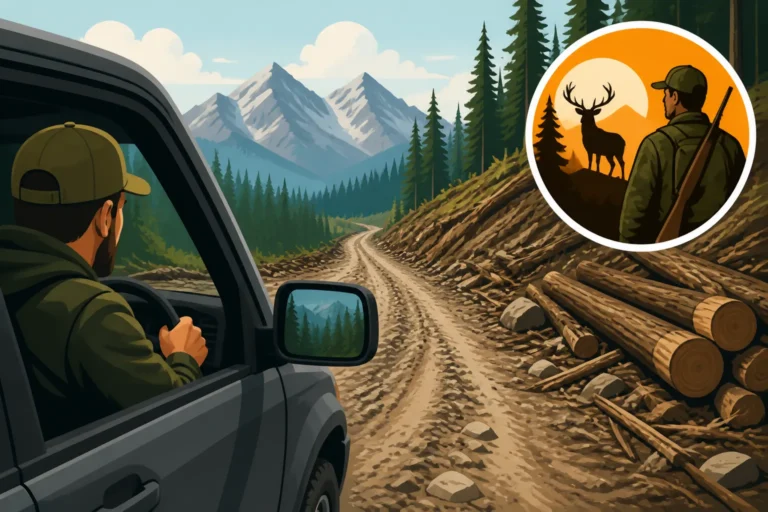
British Columbia's interior is crisscrossed with an extensive network of logging roads, both active and deactivated, which provide invaluable access to remote moose habitat. These roads can be used for cruising, where hunters drive slowly, stopping frequently to glass clearings, cutblock edges, or willow bottoms visible from the road. The trick is to go slowly and methodically, often at dawn and dusk, when moose are most active. Many hunters find success by simply patiently Hunting Moose Off a British Columbia Forest Road.
Deactivated roads, often blocked by gates or rendered impassable to vehicles, are excellent for foot access into areas with less hunting pressure. These old roads provide easy walking, allowing hunters to penetrate deeper into the backcountry. The adjacent clearcuts, especially those 5-15 years old, offer excellent browse and cover. Moose frequently use these clearings for feeding and then retreat into the surrounding timber. However, always be mindful of active logging operations and follow all posted signs and radio call protocols on working roads to ensure safety.
Essential Gear and Preparation for Moose Hunts
A successful moose hunt in British Columbia's interior demands thorough preparation, both physically and in terms of your gear. The environment can be harsh, the distances long, and the animals immense. Being ready for anything is key.
Firearms and Ammunition
When it comes to moose, power and penetration are paramount. These are large, tough animals, and a clean, ethical kill requires a substantial cartridge. Legal Rifle Calibres for Big Game in BC typically start around .243, but for moose, most experienced hunters opt for calibers in the .300 family or larger. Think .30-06 Springfield, .300 Win Mag, 7mm Rem Mag, .338 Win Mag, or even larger such as .375 H&H. These cartridges deliver the energy needed to anchor a bull moose, even with less-than-ideal shot angles or through heavy muscle and bone.
Equally important is your ammunition. Premium, controlled-expansion bullets are highly recommended. Brands like Nosler Partition, Barnes TSX, Hornady Interbond, or Federal Terminal Ascent are designed to retain weight and penetrate deeply, increasing your chances of a pass-through and a quick, humane kill. Practice extensively with your chosen load to ensure accuracy and confidence in varying conditions. Remember, shot placement is always king, but a good bullet will maximize the effectiveness of that placement on such a large animal.
Optics, Clothing, and Navigation Tools
High-quality optics are non-negotiable for interior moose hunting. A good pair of 10x binoculars is essential for spotting moose in dense cover or at long distances. If you plan on glassing large clearcuts or alpine basins, a spotting scope (15-45x or 20-60x) will be invaluable for identifying animals and judging antler size. Brands like Vortex, Leupold, and Maven offer excellent performance across different price points.
Your clothing system needs to be versatile, capable of handling cold mornings, warm afternoons, and sudden downpours, which are common when Hunting in British Columbia's Coastal Rain. A layering system with a moisture-wicking base, insulating mid-layers (fleece or down), and a waterproof/breathable outer shell is ideal. Durable, waterproof hiking boots with good ankle support are a must, as you'll be covering challenging, often wet, terrain. For navigation, a reliable GPS unit or a smartphone with robust hunting apps (like GoHunt's mapping features) loaded with topo maps and satellite imagery is critical. Always carry a compass and a physical map as a backup, and ensure you know how to use them. Satellite Communication on a Remote Hunt is also highly recommended for safety.
Camp Setup and Meat Care
Moose hunting often involves multi-day excursions deep into the backcountry, so your camp setup needs to be robust and efficient. Whether you're using a wall tent, a spike camp, or a truck camper, ensure it provides adequate shelter from the elements. Pack enough food, water filtration, and cooking supplies for the duration of your trip, plus a few extra days for emergencies.
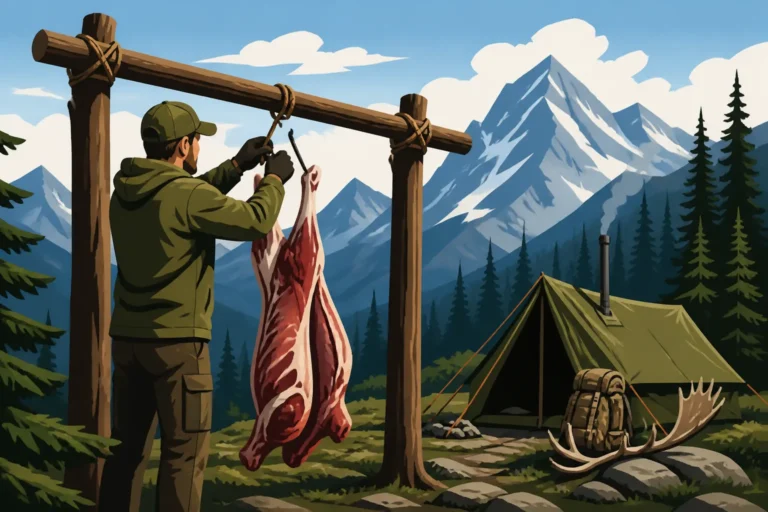
Meat care is arguably the most critical aspect after the shot, especially with an animal as large as a moose. A British Columbia bull moose can weigh upwards of 1,200 pounds, yielding hundreds of pounds of meat. You'll need game bags, a sharp knife, a bone saw, and a plan for cooling the meat quickly. Quartering a Moose in Grizzly Country is a serious undertaking. In warm weather, getting the quarters cooled and off the ground immediately is crucial to prevent spoilage. Consider packing a portable hoist or block and tackle to help with hanging the quarters. If you're fortunate enough to tag out, Getting a Moose Out on a British Columbia River might be an option if you're near a suitable waterway, otherwise it's a monumental packing effort.
Navigating Regulations and Access
Understanding the intricate web of British Columbia's hunting regulations and land access rules is not just a suggestion; it's a legal and ethical imperative. Mistakes here can lead to heavy fines, loss of hunting privileges, or worse.
Licence and Tag Requirements
Before you even step foot in the bush, you need the proper documentation. Every hunter in British Columbia, resident or non-resident, must possess a valid British Columbia Hunting Licence. On top of that, you'll need specific species tags for moose. For residents, the Moose Species Licence Cost is relatively affordable, but for non-residents, the fees can be significantly higher, reflecting the privilege of hunting in the province.
It’s crucial to purchase your general hunting licence and any species tags before your hunt begins. These can typically be bought online through the BC government's system or at authorized vendors. Always double-check the regulations for specific tag requirements, bag limits, and any compulsory inspection or reporting rules that might apply to moose in your chosen Management Unit. Some moose require Compulsory Reporting Within Thirty Days of harvest, and failing to comply can result in penalties.
Accessing Crown Land and Private Forest Land
The vast majority of British Columbia is Crown land, which is generally open to public hunting. However, "open" doesn't always mean "easy." Many areas are remote, require significant travel on Forest Service Roads (FSRs), and some FSRs may be deactivated or gated. Finding Open Forest Roads in British Columbia requires research, often checking government websites for road status updates or using detailed maps. Always be aware of active logging operations, and use a VHF radio on mandatory channels if you're on a working road.
Accessing private forest land, especially on Vancouver Island or some interior timber company holdings, can be more complicated. Some companies, like Mosaic Forest Management, offer permits for access during non-operational hours or specific seasons, while others may be entirely closed. Always assume land is private until proven otherwise, and look for signage. Trespassing, even accidentally, is a serious offense. For deeper insights into navigating these areas, our guide on British Columbia's Forest Service Road Network and Private Forest Land Access in British Columbia can provide invaluable information.
Understanding Management Units and Regional Rules
British Columbia is divided into nine administrative hunting regions, and within those, into numerous numbered Management Units (MUs). Each MU has its own specific regulations regarding season dates, bag limits, antler restrictions, and sometimes even specific weapon restrictions. What might be legal in one MU could be illegal just a few kilometers away in an adjacent unit.
It's absolutely critical to know which MU you are hunting in and to thoroughly understand its specific rules. The British Columbia's Two-Year Regulations Synopsis is your bible for this. Don't rely on outdated information or hearsay. Use detailed maps, whether physical or digital, to identify MU boundaries precisely. Many hunters use mapping applications like those offered by GoHunt to overlay MU boundaries directly onto their GPS or phone, helping them stay compliant. Ignorance of the law is never an excuse.
Field Care and Packing Out Your Moose
Harvesting a moose is only half the battle; the real work begins after the shot. Proper field care is essential to preserve the meat, and packing out hundreds of pounds of animal from remote terrain is a significant logistical challenge.
Field Dressing and Quartering
As soon as a moose is down, the clock starts ticking, especially in warmer early season conditions. The primary goal is to cool the meat as quickly as possible. Begin with a thorough field dress, removing all internal organs. If the animal is large and difficult to move, it's often more practical to quarter the animal in place rather than attempting to drag it. Knowing What a British Columbia Bull Moose Weighs gives you an idea of the task ahead.
Quartering involves carefully butchering the animal into its major muscle groups: two front quarters, two hindquarters, and the backstraps and tenderloins. The rib cages and neck meat can also be salvaged. Using strong, breathable game bags for each quarter is critical; this protects the meat from flies, dirt, and debris while allowing it to cool. Get the quarters off the ground and into the shade, ideally hanging them to promote air circulation. In British Columbia's climate, Meat Care in British Columbia's Warm Early Seasons is a skill all hunters need to master to prevent spoilage.
Packing Out Strategy
Packing a moose out of the backcountry is physically demanding and often requires multiple trips or a team of strong individuals. A good frame pack is indispensable. Consider the terrain, distance to your vehicle, and the number of people in your party. If you're hunting alone or with just one partner, you'll need to break the animal down into smaller, more manageable loads, often making several trips. Even with four strong hunters, a moose can present a day or more of grueling work.
If you are lucky enough to be near a waterway, getting a Moose Out on a British Columbia River by raft or jet boat can save immense effort. Some hunters also utilize pack horses for deep wilderness hunts. However you plan to move the meat, ensure you have enough game bags, cordage, and a plan for how to navigate the terrain with heavy loads. Remember that British Columbia's Steep Country can make an already difficult pack-out even more arduous. Staying hydrated and taking frequent breaks are crucial to avoid exhaustion and injury.
Trophy Care and Compulsory Inspection
Beyond the meat, many hunters also desire to preserve the antlers and hide as a trophy. For skull and antler preservation, ensure the skull plate is cleanly removed with enough bone to secure the antlers. For a cape, make sure to take plenty of hide, making cuts well behind the front legs and up the spine, providing ample material for a taxidermist. Keep the hide cool and get it to a freezer or salt it down as soon as possible to prevent hair slippage.
In British Columbia, certain species or specific hunts may require compulsory inspection. This means you must present the head (and sometimes other parts) of your harvested animal to a certified provincial inspector within a specified timeframe, often 72 hours or up to 30 days. This is done for wildlife management purposes, collecting data on age, sex, and health. Always check if your moose harvest requires this and Where to Take a Head for Inspection. Failure to comply can result in fines, so understanding these rules is critical.
Safety and Ethical Considerations
Hunting in British Columbia's interior is an incredible privilege, but it comes with significant responsibilities. Prioritizing safety and upholding ethical hunting practices are paramount to ensure a positive experience and to maintain the public's perception of hunting.
Bear Safety
British Columbia is bear country, home to both black bears and grizzly bears. Encounters, while not always aggressive, are a real possibility, especially when you have a dead animal on the ground. When Quartering a Moose in Grizzly Country, vigilance is key. Always hunt with a partner, make noise while moving through dense cover, and carry bear spray on your hip, easily accessible. Know how to use it. Many hunters also carry a firearm as a backup, particularly when in grizzly habitat or when processing game.
If you encounter a bear, especially a grizzly, know the difference between a defensive charge and a predatory attack. Most charges are defensive, often a bluff, and standing your ground and using bear spray is typically the recommended response. For a predatory attack, fighting back aggressively is crucial. Store food securely in camp, hang meat away from sleeping areas, and make sure your camp is clean to avoid attracting bears. If you see a grizzly, remember What to Do If You See a Grizzly and act accordingly.
Navigating Remote Terrain and Emergencies
The Interior of British Columbia can be incredibly remote, with vast areas lacking cell service. This remoteness, while appealing for solitude, also means that help can be a long time coming in an emergency. Always file a trip plan with someone responsible, detailing your route, expected return date, and emergency contacts. Carry a satellite messenger or an inReach device to communicate in areas without cell service. This can be a lifesaver for Emergency Planning in British Columbia's Backcountry.
Be prepared for sudden weather changes, which can include heavy rain, snow, or dramatic temperature drops, even in early fall. Pack extra layers, fire-starting materials, a first-aid kit, and enough emergency food and water for unexpected delays. Knowing basic survival skills, such as building a shelter and signalling for help, is also highly advisable. Don't underestimate the challenges of the terrain; sprained ankles, falls, or getting disoriented are real risks.
Ethical Hunting Practices
Ethical hunting goes beyond simply following the regulations; it’s about respect for the animal, the land, and the hunting tradition. This includes making clean, humane shots to ensure a quick kill. Never take a shot you're not confident in, and always prioritize recovery of the animal. If an animal is wounded, make every effort to track and recover it, no matter how difficult the terrain or how long it takes. This is part of the responsibility of the hunter.
Respect for game meat is also crucial. British Columbia has explicit Rules on Wasting Game Meat, meaning hunters are legally required to remove all edible portions from the field. This means not just the prime cuts, but also parts like the ribs, neck, and organs if you intend to consume them. Leave no trace; pack out all your garbage, spent cartridges, and anything else you brought in. By demonstrating ethical conduct, we help ensure the future of hunting in British Columbia for generations to come.
Disclaimer
This guide is intended for informational purposes only and should not be considered a substitute for the official British Columbia Hunting & Trapping Synopsis. Regulations are subject to change, and it is the hunter's sole responsibility to consult the most current synopsis and understand all applicable laws and regulations before hunting. Always prioritize safety, ethical practices, and respect for wildlife and the environment.