What an Elk Tag Costs a Non-Resident
Navigating the world of non-resident hunting in British Columbia can feel like deciphering a complex puzzle, especially when it comes to understanding the true cost of chasing big game like elk. Many hopeful hunters from outside the province get overwhelmed by the various fees, licences, and tags, not to mention the mandatory requirements that differ significantly from what residents face. This guide is here to untangle those financial threads, giving you a clear, empathetic breakdown of what an elk tag specifically costs a non-resident, alongside all the other necessary expenditures you'll encounter on your incredible BC hunting adventure.
Understanding British Columbia's Non-Resident Hunting Framework
Before we dive specifically into elk tags, it's crucial to grasp the overarching structure of hunting regulations and costs for non-residents in British Columbia. It's a system designed to manage wildlife resources responsibly, and that includes ensuring a fair contribution from all who wish to participate, regardless of where they call home.
The Core Licence Requirement for Non-Residents
First and foremost, if you're not a resident of British Columbia, you'll need to secure a basic hunting licence. This isn't just a formality; it's your fundamental permission slip to even step foot into BC's vast wilderness with a hunting implement. This primary licence is separate from any species-specific tags and is a mandatory baseline cost. It signals your entry into the provincial hunting system and helps fund the broader management efforts that benefit all wildlife. The current cost for a non-resident hunting licence in British Columbia is around $189.00 CAD, but remember these figures can change, so always check the latest British Columbia's Two-Year Regulations Synopsis.
For non-resident aliens (those not from Canada), there's an additional layer of requirement: a valid Non-Resident Alien Hunting Licence. This is a crucial distinction, as its regulations and costs are tailored specifically for international hunters, and it comes with specific rules about accompanying guides. You'll also need a Fish, Wildlife, and Identification (FWID) number, which is your personal identifier within the provincial system. Getting a British Columbia FWID is a simple online process but is absolutely essential before you can purchase any licences or tags.
The Habitat Conservation Trust Foundation Surcharge
Beyond your basic hunting licence, every hunter in British Columbia contributes to conservation through the Habitat Conservation Trust Foundation (HCTF) surcharge. This isn't just another fee; it's a direct investment in the health and future of BC's diverse ecosystems and wildlife populations. A portion of every licence and tag purchase goes directly to the HCTF, funding critical research, habitat restoration, and conservation projects across the province.
For non-residents, this surcharge is typically integrated into the overall cost of your licences and tags, or sometimes appears as a separate line item. It's a small but mighty contribution that ensures that the hunting opportunities we enjoy today will still be available for generations to come. Knowing what the Habitat Conservation Surcharge Pays For can offer a sense of pride, understanding that your financial contribution directly supports the very wilderness you're exploring. It’s a testament to BC’s commitment to sustainable wildlife management and helps mitigate the impact of hunting pressure and other environmental challenges.
Breaking Down the Elk Tag Cost for Non-Residents
Now, let's get down to the specific costs associated with hunting elk in British Columbia as a non-resident. Elk hunting is a highly sought-after experience, and the costs reflect both the demand and the extensive conservation efforts required to maintain healthy herds.
The Specific Elk Species Tag Fees
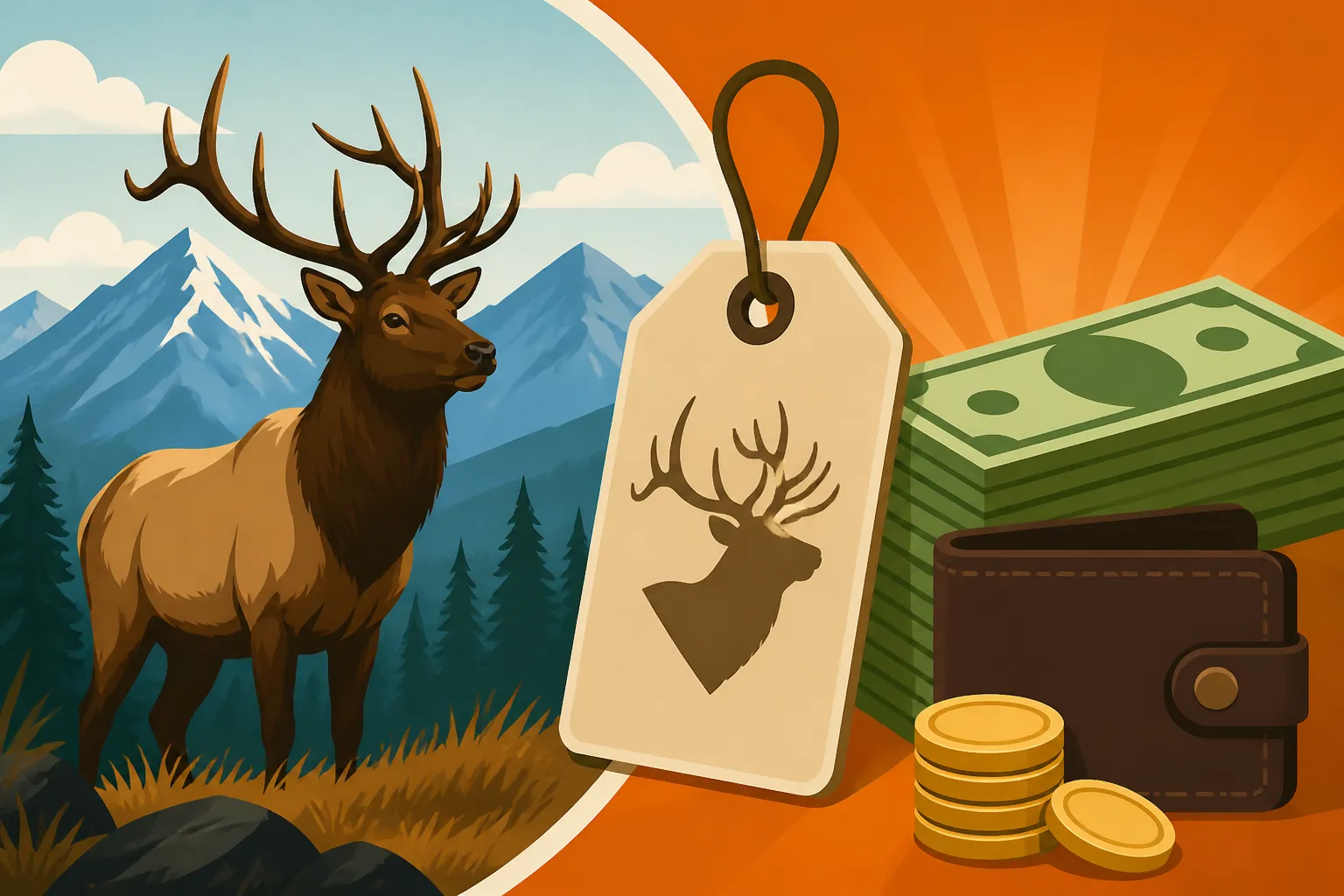
To pursue elk in British Columbia, you'll need to purchase a specific elk species tag in addition to your basic hunting licence. For non-residents, the cost of a British Columbia Deer and Elk Tags is significant, reflecting the value and demand for these magnificent animals. Currently, a non-resident elk tag typically runs around $378.00 CAD. This fee applies whether you're hoping for a Rocky Mountain Elk in the Kootenays or a Roosevelt Elk on the Coast. It's important to understand that this fee is per animal, so if you're fortunate enough to draw multiple tags or hunt in areas with higher bag limits (which are rare for non-residents on elk), you'd need a tag for each.
The cost for British Columbia elk tags is substantial compared to some other species, but it directly supports the rigorous management of these herds, ensuring sustainable populations. Remember that these are the tag costs themselves, and don't yet account for the mandatory guiding fees for non-resident aliens, which we'll discuss next. Always consult the most recent regulations as these figures are subject to change, typically updated in the British Columbia's Two-Year Regulations Synopsis every two years.
Why Elk Tag Costs Differ from Other Species
The pricing structure for species tags in British Columbia is not arbitrary; it's carefully designed based on a number of factors, including population status, demand from hunters, and the overall management complexity of each species. For elk, specifically, several elements contribute to their higher tag costs compared to, say, a black bear or a general deer tag.
Firstly, elk are a highly prized big game animal, with robust populations in many parts of the province, especially the Kootenays and certain coastal regions for Roosevelt elk. The demand from both residents and non-residents to hunt these animals is consistently high. Secondly, elk management often involves extensive research, habitat work, and population monitoring, which are resource-intensive. Your tag fees contribute directly to these efforts. Thirdly, many prime elk hunting opportunities, particularly for bulls, are allocated through the province's Limited Entry Hunting (LEH) system, which also influences how the tags are structured and valued. These draws are designed to limit pressure on specific areas and ensure a sustainable harvest, making the opportunity to draw an elk tag even more valuable. For a deeper dive into the specific populations, you might want to explore articles like Rocky Mountain Elk Numbers in the Kootenays or How Heavy a Roosevelt Elk Bull Gets to understand the species you're pursuing.
Additional Costs to Budget for Your British Columbia Elk Hunt
While the licence and tag fees are foundational, they represent only a fraction of the total investment required for a non-resident elk hunt in British Columbia. Overlooking these additional, often significant, expenses can lead to unwelcome surprises.
Guide and Outfitter Fees
This is arguably the most substantial cost component for non-resident alien hunters. Under British Columbia law, non-resident aliens are legally required to be accompanied by a licensed guide outfitter or a resident hunter holding a Permit to Accompany. This regulation is in place to ensure ethical hunting practices, promote safety in the backcountry, and uphold conservation standards. What a British Columbia Guided Hunt Costs can vary wildly depending on the species, the length of the hunt, the type of camp (e.g., horseback, fly-in, boat-based), and the outfitter's reputation and success rates.
For an elk hunt, especially for trophy bulls, you can expect guide fees to range anywhere from $10,000 to upwards of $20,000 USD, and sometimes even more for truly premium experiences or combination hunts. These fees typically cover the outfitter's services, guiding, food, lodging at camp, and transportation within the hunting area. Choosing a reputable outfitter is paramount, and costs will reflect their expertise and infrastructure. As an alternative, if you have a close resident friend, they can apply for a British Columbia's Permit to Accompany, which allows them to guide you. However, this is a limited option and comes with strict rules and responsibilities for the accompanying resident.
Travel, Accommodation, and Logistics
Beyond the hunting-specific costs, the logistical challenge of getting to and hunting in British Columbia needs to be factored into your budget. This vast province requires significant travel. Think about your flight costs if you're coming from out of province or internationally, often landing in Vancouver (YVR) or Prince George (YXS). From there, you might need domestic flights, vehicle rentals, or even charter flights to reach your outfitter's rendezvous point or the specific hunting area.
Once you arrive, there are pre- and post-hunt accommodations. Many hunters opt to stay in hotels or motels before heading into the bush or after returning from a successful, arduous hunt. Then there's the cost of food and supplies for your journey, even if your outfitter provides camp meals. Don't forget equipment, too: specialized gear for BC's varied terrain and weather, such as quality rain gear for a coastal Roosevelt elk hunt or robust hiking boots for mountain elk country. Gas for vehicle travel, satellite communication devices for remote areas, and even meat processing and shipping costs for your trophy are all significant expenses. Considering all these variables is part of making the most of a British Columbia Draw Tag. The sheer scale of British Columbia means travel within the province can be extensive and expensive.
Navigating the Application Process and Maximizing Your Chances
Securing an elk tag as a non-resident, particularly for prime opportunities, often involves understanding and strategically navigating British Columbia's Limited Entry Hunting (LEH) system. This isn't a first-come, first-served scenario; it's a draw, and preparation is key.
The Limited Entry Hunting System for Elk
Many of the most desirable elk hunting opportunities for non-residents are allocated through the province's Limited Entry Hunting (LEH) system. This system controls hunter numbers in specific management units (MUs) and for particular species, ensuring that harvest levels are sustainable and hunting pressure is managed. Unlike general open seasons, where you can buy a tag over the counter and hunt, LEH zones require you to apply in a lottery. For elk, this often includes hunts for mature bulls or specific seasons. Understanding How British Columbia's LEH System Works is vital for any non-resident hoping to chase elk here. The application period typically opens in the spring, with results released later in the summer. Missing the British Columbia LEH Application Deadlines means missing out on the draw entirely.
Applying for an LEH tag is an investment in time and a small application fee, but it's often the only way to access certain high-quality hunts. It requires careful research into specific management units, understanding the antler restrictions (e.g., 6-point minimum), and being realistic about the draw odds. Some years, certain zones might have better odds than others, depending on demand and herd objectives.
Understanding Draw Odds and Planning Ahead
Successfully drawing an LEH elk tag is a game of statistics, and understanding the odds is paramount for planning your hunt effectively. Tools and resources like GoHunt provide invaluable data on historical draw odds, helping you identify which LEH zones might offer a more realistic chance of success. While nothing is guaranteed, analyzing past draw results, available tags, and application numbers for specific units allows you to make informed decisions. Many seasoned non-residents use platforms like GoHunt to refine their LEH strategy, looking at trends over several years.
Long-term planning is also crucial, especially if you're aiming for a premium elk hunt. Some LEH zones have very low draw odds, meaning you might need to apply for several years to accumulate points or simply get lucky. This commitment requires budgeting not just for the tag itself but for the ongoing application fees and the time investment. Consider which British Columbia's Management Units and Regions align with your hunting goals, whether you're prioritizing a specific type of elk or a particular region. Researching these details well in advance, even a year or two out, can significantly improve your chances of success when the application window opens. It allows you to align your strategy with the seasons and gain a comprehensive understanding of the landscape and its opportunities.
Summary of Non-Resident Elk Hunting Costs
To give you a clearer picture, here's a general breakdown of typical costs a non-resident might incur for an elk hunt in British Columbia. Please remember these are estimates and can fluctuate based on current regulations, chosen outfitter, and individual travel plans.
| Item | Estimated Cost (CAD) | Notes |
|---|---|---|
| Non-Resident Hunting Licence | $189.00 | Mandatory base licence for all non-residents. |
| British Columbia Elk Species Tag | $378.00 | Required for each elk harvested. |
| LEH Application Fee (if applicable) | ~$8.00 – $20.00 | Fee per application if hunting in a Limited Entry Hunting zone. This is usually per application, not per tag drawn. |
| Guide/Outfitter Fees | $10,000 – $25,000+ | Mandatory for Non-Resident Aliens. Varies widely based on hunt duration, type of hunt (horseback, fly-in), outfitter, and species. This is the largest expense. |
| Travel (Flights, Rental Car) | $1,000 – $4,000+ | Depending on origin, distance, and whether charter flights are needed to remote camps. |
| Accommodation (Pre/Post-hunt) | $200 – $800+ | Hotels, motels before/after the hunt, especially if flying in/out of major hubs. |
| Food & Supplies | $200 – $500+ | Personal food, snacks, drinks not covered by outfitter, and any last-minute gear. |
| Equipment & Gear | $500 – $2,000+ | Specialized clothing, boots, optics, sleeping systems, etc., necessary for BC's varied terrain and weather. |
| Meat Processing & Shipping | $500 – $2,000+ | Costs for butchering, freezing, and shipping meat home. Varies by amount of meat and distance. |
| Trophy Care & Export | $300 – $1,500+ | Caping, salting, initial skull cleaning, and official export permits/fees. |
| Total Estimated Range | $13,000 – $37,000+ | This range is a broad estimate for a guided non-resident alien elk hunt. Costs can be significantly lower if a resident Permit to Accompany is used, but still include all other non-guide related expenses. All figures are in CAD. |
It's clear that hunting elk as a non-resident in British Columbia is a significant financial undertaking. However, the experience of hunting in one of North America's most wild and beautiful places, pursuing an animal as majestic as a BC elk, is often considered priceless by those who undertake it. Careful planning, diligent budgeting, and thorough research will ensure your trip is as successful as it is memorable.
Disclaimer
The information provided in this article is for general guidance and informational purposes only. Hunting regulations, licence fees, and tag costs in British Columbia are subject to change by the provincial government and regulatory bodies without notice. It is the sole responsibility of the hunter to consult the most current British Columbia Hunting and Trapping Regulations Synopsis and official government websites before planning and undertaking any hunting activities. Always ensure you are fully compliant with all local, provincial, and federal laws.