Youth and Senior Hunting Licence Cost
Navigating the world of hunting regulations and licence fees in British Columbia can sometimes feel like trying to decipher an ancient map, especially when you’re looking for specific details for different age groups. It's a common frustration to wonder if there are special provisions or costs for the youngest aspiring hunters or our seasoned elders who have dedicated years to the sport. This guide is here to untangle the complexities, clearly outlining the current costs and rules for youth and senior hunting licences in BC, so you can focus on the hunt itself, not the paperwork.
Understanding British Columbia's Hunting Licence System
Before diving into the specifics for youth and seniors, it's crucial to grasp the fundamental structure of British Columbia’s hunting licence system. This isn't just about paying a single fee; it's a tiered approach that ensures fair access, funds conservation, and helps manage wildlife populations responsibly.
The Foundation: Resident vs. Non-Resident Status
The very first distinction that determines almost everything about your hunting journey in British Columbia is your residency status. This isn't unique to BC, but it's a critical point that impacts not only licence fees but also what you can hunt, when, and how.
For hunters who call British Columbia home, a "Resident" is generally defined as someone who has resided in the province for at least six months of the preceding 12 months, among other criteria like being a Canadian citizen or permanent resident. This status grants access to generally more affordable licences and tags, as well as the ability to hunt independently across most general open seasons. If you're a "Non-Resident" Canadian, meaning you live elsewhere in Canada but not BC, you’ll face different fees and some restrictions, such as needing to hunt with a BC resident or a licensed guide. The most significant difference, however, is for "Non-Resident Aliens"—those who don't reside in Canada. These hunters are required by law to hire a licensed British Columbia guide outfitter for big game hunting, and their licence and tag fees are significantly higher. This distinction is paramount because the entire pricing structure for every subsequent licence and tag hinges on whether you're considered a BC resident, a Canadian non-resident, or a non-resident alien. Understanding this initial classification is your first step in navigating the province's hunting landscape.
The Basic Hunting Licence Requirement
Once your residency status is established, the next universal step for every hunter, regardless of age, is to acquire a basic hunting licence. Think of this as your entry ticket into the world of hunting in British Columbia. It’s a foundational requirement, a permit that allows you to participate in hunting activities, but it doesn't give you the right to harvest any specific animal.
This basic licence covers the administrative costs of maintaining the hunting system and helps fund general wildlife management initiatives across the province. It's a non-negotiable step; you simply cannot hunt legally in BC without it. On top of this basic licence, every hunter must also pay the Habitat Conservation Trust Fund (HCTF) surcharge, which is a mandatory fee that contributes directly to conservation projects throughout BC. This structure ensures that all hunters contribute to the health and sustainability of the ecosystems they enjoy. What this basic licence doesn't do, however, is grant you permission to harvest a specific species. For that, you'll need to purchase additional "species licences" or "tags" for each type of animal you intend to hunt, whether it's a deer, moose, or bear. We'll delve into those specific costs a bit later, but always remember: the basic hunting licence is your first and most essential purchase after establishing your residency and getting your Getting a British Columbia FWID.
British Columbia Youth Hunting Licence Costs and Rules
Introducing young people to hunting is a fantastic way to foster an appreciation for wildlife, conservation, and the outdoors. British Columbia makes efforts to encourage this, with specific provisions and costs for its youngest hunters, but it's vital to understand the rules and fees involved.
Eligibility and Age Requirements for Youth Hunters
British Columbia has clear guidelines for who qualifies as a youth hunter and when they can legally participate in hunting activities. Generally, a youth hunter is defined as an individual under the age of 18. While there isn't a specific minimum age to be present during a hunt, there is a minimum age to actually hunt and carry a firearm or bow.
To obtain a hunting licence and hunt legally, a youth must successfully complete the Conservation and Outdoor Recreation Education (CORE) program or an approved equivalent. This is the same rigorous course adults must pass, covering firearm safety, wildlife identification, hunting ethics, and BC hunting regulations. There's no getting around this foundational safety and knowledge requirement. Once the CORE exam is passed and a permanent FWID (Fish, Wildlife, and Recreation ID) is obtained, youth hunters can then acquire their licences. Importantly, all youth under 18 must be accompanied by an adult who holds a valid hunting licence and is at least 18 years old. This adult companion acts as a mentor and ensures the youth hunts safely and ethically. This is a crucial rule for British Columbia Youth Hunting Rules and emphasizes responsible mentorship in the field.
Breaking Down Youth Licence Fees
For many years, youth hunters in British Columbia enjoyed significantly reduced rates on their basic hunting licences, and in some cases, even free ones. I’m happy to share some great news for those bringing up the next generation of hunters. As of April 1, 2024, the Resident Youth Hunting Licence (for those under 18 years of age) has been made free of charge.
This is a fantastic initiative to encourage youth participation and remove a potential financial barrier for families. While the basic licence itself is now $0, it's critical to remember that youth hunters are still required to pay the annual Habitat Conservation Trust Fund (HCTF) surcharge, which is currently $17.00. This surcharge is a small but vital contribution to wildlife and habitat conservation projects across the province, ensuring that future generations will have wild spaces and healthy animal populations to enjoy. Furthermore, just like adult hunters, youth will need to purchase individual species licences or tags for each animal they intend to hunt. These species tags are typically not discounted for youth and will incur the standard resident fees. For instance, if a youth wants to hunt mule deer, they'll need to purchase a mule deer species licence, which will cost the same as an adult resident's tag. This structured approach helps make the entry into hunting more accessible while ensuring that the necessary funds for conservation and species management are still collected.
Youth Mentorship and Safety Considerations
Bringing a young person into the hunting tradition is more than just about licences and tags; it's a profound responsibility centered on mentorship and safety. The requirement for youth hunters to be accompanied by a licenced adult isn't just a legal formality; it's an opportunity for invaluable education and bonding in the outdoors.
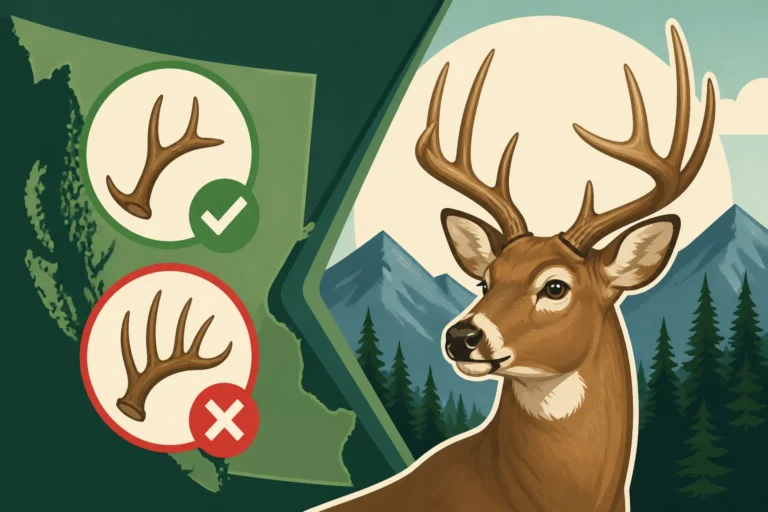
This accompanying adult, ideally a parent, guardian, or experienced mentor, is responsible for ensuring the youth's safety, teaching ethical hunting practices, and guiding them through the nuances of fair chase and responsible harvesting. This includes everything from proper firearm handling and shot placement to understanding animal behaviour and field dressing. It’s also about instilling a deep respect for wildlife and the environment. Practical scenarios might involve teaching a youth how to properly glass a hillside for mule deer, or how to identify legal game based on specific antler restrictions, such as British Columbia's Four-Point Antler Restriction. Moreover, it's an opportunity to teach vital backcountry skills, such as navigation, first aid, and Bear Safety While Hunting in British Columbia. The mentorship aspect extends beyond the hunt, fostering a lifelong commitment to conservation and responsible outdoor stewardship. Resources like the British Columbia Hunter Education and CORE course are foundational, but the real-world lessons learned alongside an experienced hunter are irreplaceable for shaping a knowledgeable and ethical young hunter.
British Columbia Senior Hunting Licence Costs and Rules
For many, hunting is a lifelong passion, and British Columbia recognizes the contributions and continued participation of its senior hunters. There are specific provisions and discounted rates to acknowledge their dedication to the sport.
Defining Senior Hunter Eligibility
In British Columbia, "senior hunter" status, which comes with discounted licence fees, is granted to resident hunters who have reached a specific age milestone. This isn't based on an arbitrary age, but rather a recognized point in life where certain benefits often become available.
To qualify for the senior rate on hunting licences, a resident hunter must be 65 years of age or older. This age requirement is straightforward: once you hit 65, and provided you meet the standard residency criteria for British Columbia, you are eligible for the reduced cost on your basic hunting licence. It’s important to note that this senior designation applies only to residents of British Columbia. Non-resident Canadians or Non-Resident Aliens, regardless of their age, do not qualify for senior discounts on BC hunting licences and will pay the full non-resident rates. This is a common point of confusion, but the discounts are specifically designed to support the province's resident hunting community as they continue to engage in the outdoors into their later years. Ensuring your FWID profile reflects your correct birthdate is crucial, as the online system automatically applies the senior discount once you meet the age criteria when Buying a Licence Online in British Columbia.
Senior Hunting Licence Fee Structure
For our seasoned hunters aged 65 and above, British Columbia offers a welcome discount on the basic hunting licence, acknowledging their years of experience and contribution to the hunting community.
The Resident Senior Hunting Licence (for those 65 years and older) is currently $16.00. This is a significant reduction compared to the regular adult resident basic licence, which stands at $32.00. Similar to youth hunters and all other hunters, senior hunters are still required to pay the annual Habitat Conservation Trust Fund (HCTF) surcharge of $17.00. This ensures that even with reduced basic licence fees, seniors continue to contribute to vital conservation efforts. Just like all other hunters, seniors must also purchase individual species licences or tags for each type of animal they wish to hunt. These species tags are typically not discounted for seniors and will cost the standard resident fee. So, while your entry into the hunting season with the basic licence is more affordable, the cost of an elk tag, for instance, will be the same as any other adult resident's British Columbia Deer and Elk Tags. This pricing structure aims to make access to the sport more affordable for seniors while maintaining a fair system for funding species management through the purchase of specific tags.
Practical Considerations for Senior Hunters
While discounted licences are a definite benefit, senior hunters often face unique practical considerations that go beyond just fees. Maintaining an active hunting lifestyle as we age requires thoughtful planning and often some adjustments to ensure safety and enjoyment.
Physical demands are a significant factor. British Columbia's terrain can be rugged, from steep mountain slopes when Hunting Mountain Goat on British Columbia Rock to dense coastal forests when Hunting Blacktail in British Columbia's Coastal Rain. Senior hunters might find themselves needing to adapt their hunting methods, perhaps opting for areas with easier access, shorter hikes, or utilizing vehicles more where allowed. Consulting maps to identify Finding Open Forest Roads in British Columbia or less strenuous terrain can become part of the pre-hunt planning ritual. It's also important to consider the benefits of companionship. Hunting with a partner or group can enhance safety and provide assistance with tasks like packing out game, especially if you're Getting Meat Out of Steep British Columbia Country. Many senior hunters find immense satisfaction in mentoring younger generations, sharing their vast knowledge and experience, and passing on the traditions of the hunt. This intergenerational connection not only benefits the youth but also allows seniors to remain deeply engaged and valued within the hunting community. Staying physically active year-round, even with gentle exercise, can make a huge difference in maintaining the stamina needed for a successful and safe hunt.
Essential Additions: Species Licences and Surcharges
Beyond the basic hunting licence, whether you're a youth, senior, or regular adult, there are additional costs that are fundamental to hunting in British Columbia. These include a crucial conservation surcharge and the specific tags for the animals you intend to harvest.
The Habitat Conservation Trust Fund Surcharge
Every single hunter in British Columbia, without exception, pays an annual fee to the Habitat Conservation Trust Foundation (HCTF). This isn't just another charge; it's a direct investment in the future of British Columbia's wildlife and natural habitats.
The Habitat Conservation Trust Fund surcharge is currently $17.00. This amount is added to your total when you purchase your basic hunting licence, regardless of your age or resident status. What does this surcharge pay for? It funds thousands of conservation projects across British Columbia, supporting everything from habitat restoration and enhancement for species like moose and elk, to wildlife research, fish stocking, and educational programs. Essentially, when you pay this surcharge, you're directly contributing to the very resources that make hunting in BC possible and sustainable. It's a small but mighty contribution that ensures that the diverse ecosystems and wildlife populations of this magnificent province remain healthy and abundant for generations to come. Understanding What the Habitat Conservation Surcharge Pays For helps connect your payment directly to tangible, on-the-ground conservation efforts.
Species-Specific Tags and Their Costs
While your basic hunting licence gets you "in the door," it's the species-specific tags that give you permission to harvest a particular animal. Think of them as individual permits for each game animal you successfully hunt.
For every species of big game, and certain upland birds or migratory birds, you'll need to purchase a corresponding tag. These tags are absolutely mandatory, and hunting without the correct tag for the animal you harvest is a serious offence. The cost of these tags varies significantly depending on the species and your residency status. For example, a resident mule deer tag is much less expensive than a resident moose tag, and both are significantly cheaper than what a non-resident alien would pay for the same animal. Critically, for resident hunters (including youth and seniors), the cost of these species tags is generally not discounted. So, while a senior might pay less for their basic hunting licence, their Moose Species Licence Cost will be the same as a regular adult resident. This system ensures that the funds required for specific species management, population surveys, and habitat protection are collected consistently across all active hunters pursuing those animals. It’s important to research the specific costs for the species you intend to hunt, as these can add up. Websites like GoHunt, along with the official BC Hunting Synopsis, are excellent resources for looking up these detailed costs and understanding the rules for specific tags like British Columbia Deer and Elk Tags.
Navigating the System: Acquiring Licences and Resources
Getting your licences and staying informed about British Columbia's dynamic hunting regulations is easier than ever, thanks to online systems and readily available resources. Gone are the days of needing to trek to a government office for every transaction.
Online Licence Purchases and Your FWID
The primary way to acquire your British Columbia hunting licence and tags today is through the provincial government's online system. This digital platform streamlines the entire process, making it convenient and accessible from anywhere with an internet connection.
Before you can purchase anything, you'll need a Fish, Wildlife, and Recreation ID (FWID). If you don't have one, you'll need to apply for it online. Your FWID is a unique identifier that links all your hunting and fishing credentials, past harvests, and educational records (like your CORE exam results) to your profile. It’s your permanent hunting identity in BC. Once you have your FWID, you can log into the WildSafe BC website, navigate to the hunting section, and purchase your basic hunting licence, the HCTF surcharge, and all necessary species tags. The system is designed to automatically apply any relevant discounts, such as for youth (free basic licence) or seniors ($16 basic licence), based on the information associated with your FWID. It's a remarkably efficient system, allowing you to manage all your permits and comply with regulations digitally. For a detailed walkthrough, check out our guide on Buying a Licence Online in British Columbia. Remember, keeping your FWID information up-to-date is crucial for a smooth licence purchasing experience each season.
Utilizing British Columbia's Hunting Synopsis and Online Tools
While the online purchasing system simplifies transactions, understanding the actual rules and seasons is paramount. British Columbia provides comprehensive resources, both in print and digital, to ensure hunters are fully informed.
The absolute cornerstone of regulation information is the annual British Columbia Hunting and Trapping Regulations Synopsis. This document, often referred to simply as the "Synopsis," is published by the provincial government and details all the seasons, bag limits, regional restrictions, and general rules for hunting and trapping in BC. It's available as a free download online and usually in print at licence vendors. Every hunter, regardless of experience, should read the Synopsis thoroughly each year, as regulations can and do change. For instance, understanding the nuances of British Columbia's Two-Year Regulations Synopsis is crucial. Beyond the official Synopsis, many hunters find modern digital tools incredibly helpful for planning and executing their hunts. Platforms like GoHunt offer interactive maps that overlay public and private land boundaries, management unit (MU) lines, and even specific season dates directly onto a topographical map. This can be invaluable for scouting, checking regulations in real-time in the field (where cell service allows), and verifying whether an area is open for a particular species during a specific season. While the Synopsis remains the ultimate legal reference, tools like GoHunt provide an intuitive way to visualize and apply those regulations to real-world hunting scenarios, helping hunters make informed decisions and remain compliant. For more in-depth guidance on official resources, refer to Where to Read the Regulations Synopsis.
Here's a quick summary of the current basic licence and surcharge costs for resident hunters in British Columbia:
| Licence Type (Resident) | Basic Hunting Licence Cost | Habitat Conservation Trust Fund Surcharge | Total Minimum Cost |
|---|---|---|---|
| Youth (Under 18) | $0.00 (Free) | $17.00 | $17.00 |
| Regular Adult | $32.00 | $17.00 | $49.00 |
| Senior (65+) | $16.00 | $17.00 | $33.00 |
Note: These costs do not include species-specific tags, which are required for each animal hunted and typically cost the same for youth, regular adult, and senior resident hunters.
Disclaimer
The information provided in this guide is for general informational purposes only and is subject to change. Hunting regulations, licence fees, and eligibility criteria in British Columbia are governed by the provincial government and can be updated annually. While every effort has been made to ensure accuracy at the time of publication, it is the hunter's sole responsibility to consult the official British Columbia Hunting and Trapping Regulations Synopsis, available on the Government of British Columbia website, before purchasing any licences or engaging in hunting activities. Always prioritize safety and adherence to current laws.